Blog
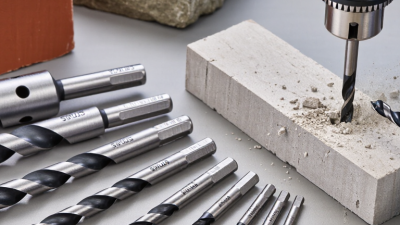
How to Choose the Right SDS Plus Hammer Drill Bit?
Choosing the right SDS Plus Hammer Drill Bit can make a noticeable difference in speed, accuracy, and tool wear. The right choice depends on the material, hole size, drilling depth, and your rotary hammer’s specifications. A bit suited to concrete may perform poorly in brick or stone. Fit matters, too. SDS Plus shanks are designed for compatible rotary hammers, not ordinary drill chucks.
There is no single best bit. That sounds obvious, but it is easy to focus only on price or diameter. Check the bit’s length, carbide tip, flute design, and stated material range before buying. For example, a long bit may reach through a thick wall, but it can feel less manageable in a shallow hole. Match the bit to the job, and follow the tool manufacturer’s guidance. Small details matter.
This guide explains how to compare bit types, sizes, and construction features for common drilling tasks. It also covers signs of wear, practical handling considerations, and how to avoid mismatched equipment. No bit lasts forever. If drilling becomes slower, the hole looks rough, or the bit overheats, pause and inspect it rather than forcing the cut. A careful selection will not solve every problem, but it can help produce cleaner holes and more consistent results.
Read more »
 By:Ethan
- October 30, 2026
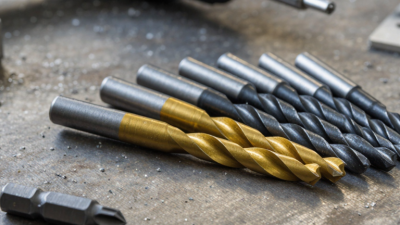
How to Choose the Best Hex Shank Step Drill Bit?
Choosing the best Hex Shank Step Drill Bit begins with the material, not the packaging. Thin sheet metal, plastic panels, aluminum, and stainless steel behave differently under pressure. A bit that glides through aluminum may chatter badly on harder steel. That difference matters.
According to industrial tooling specialist Michael J. Briley, “A step drill earns its value through controlled cutting, accurate sizing, and predictable performance.” This principle offers a practical starting point. Look for clearly marked steps, sharp split points, and a hex shank that fits your drill driver securely. A 1/4-inch hex shank is common, but compatibility still deserves attention. Some older chucks grip poorly when the shank is worn or undersized.
The ideal Hex Shank Step Drill Bit should cover the hole sizes you actually use. A broad range sounds attractive, yet unnecessary steps can increase cost and reduce rigidity. Titanium-coated models may resist wear, while cobalt options often suit tougher metals. Neither coating fixes poor technique. Use moderate speed, light pressure, and cutting fluid when the material requires it. Stop when the step reaches the marked diameter. Do not force the bit deeper.
Real workshop experience can be less tidy. A supposedly premium bit may dull early after one careless job. A modest model may perform well with patient handling. That is why brand reputation alone should not decide your purchase. Compare the diameter range, step thickness, shank quality, coating, and user feedback. The best choice is the bit that matches your material, drill, and working habits.
Read more »
 By:Alexander
- October 25, 2026
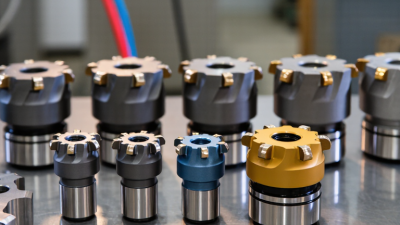
China Top 10 HSS Annular Cutter Manufacturers?
China’s HSS Annular Cutter market has expanded from basic industrial production to highly specialized tooling. Buyers now expect clean holes, stable cutting, and predictable service life. That sounds simple. It is not.
This guide examines ten Chinese manufacturers through practical criteria, including HSS grade, tooth geometry, heat treatment, coating options, shank accuracy, and quality control. It also considers production experience, export capability, customization, and after-sales support. A cutter may look excellent under bright factory lighting, yet fail after several holes in thick structural steel. Real performance matters more than polished catalog language.
Drew Hougen, a longtime annular-cutter industry leader, has expressed a useful principle: “The right cutter should remove material efficiently while keeping the operator in control.” That idea remains relevant when comparing an HSS Annular Cutter supplier. Cutting speed, coolant delivery, machine rigidity, and operator technique can change results significantly. Manufacturer claims need practical verification.
The companies discussed here should not be judged by price alone. A low quotation may hide inconsistent hardness, weak brazing, or limited technical support. Conversely, a higher price does not automatically guarantee superior performance. That is an uncomfortable point.
Where possible, the evaluation should include sample testing, inspection reports, customer feedback, and application-specific trials. Some information may remain difficult to verify publicly. Readers should therefore treat this list as a research starting point, not a final purchasing decision. The best manufacturer is the one that consistently matches cutter design with the actual steel, machine, and workload.
Read more »
By:Alexander
- October 21, 2026
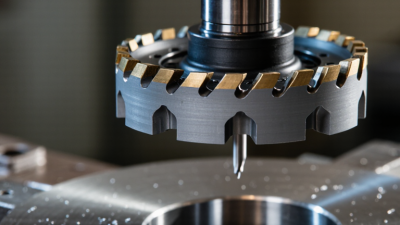
What Is a TCT Annular Cutter and How Does It Work?
A TCT Annular Cutter is a specialized tool for producing clean holes in metal. Unlike a standard twist drill, it removes only a circular ring of material. This design leaves a solid core, or slug, inside the hole. Less metal becomes chips. That difference matters in workshops where cutting time and machine power affect productivity.
The cutter uses tungsten carbide teeth fixed around its rim. These teeth engage the workpiece gradually, while a pilot pin helps locate the hole and guide the tool. When fitted to a compatible magnetic drilling machine, the cutter travels through steel, stainless steel, and other suitable metals. The result can be a smooth, accurate hole with limited burr formation. Still, performance depends on tooth quality, cutting speed, feed pressure, lubrication, and machine stability.
In practical use, an operator should secure the workpiece and check the cutter’s rated diameter and cutting depth. A steady feed is safer than forcing the tool. Too much pressure may damage the carbide tips. Too little pressure can create rubbing, heat, and premature wear. Small details matter.
This article explains what a TCT Annular Cutter is, how its cutting geometry works, and where it performs best. It also considers limitations that product descriptions sometimes overlook. A carbide-tipped cutter is not automatically suitable for every metal or drilling position. Choosing the correct tool requires attention to material hardness, hole size, available power, and real workshop conditions. Mistakes happen, especially when feed settings are guessed. Reliable results come from following manufacturer guidance, inspecting the teeth, and adjusting technique through measured experience.
Read more »
By:Alexander
- October 21, 2026

7 Tips for Choosing M35 Cobalt Twist Drill Bits
Choosing the right M35 Cobalt Twist Drill Bit is not a matter of picking the hardest-looking tool. It requires matching the bit to the material, machine, hole size, and working conditions. In a busy fabrication shop, a small decision can affect hole accuracy, tool life, and operator safety. Stainless steel may generate heat quickly, while mild steel can punish a dull point through vibration and excessive pressure.
Machining educator Dr. David A. Stephenson has emphasized, “Tool choice must follow the workpiece, not the catalog headline.” That principle guides this practical introduction to seven selection tips. The discussion will examine cobalt content, point geometry, diameter tolerance, flute design, coating options, cutting data, and supplier reliability. Each detail matters. Even the best M35 Cobalt Twist Drill Bit can fail when feed pressure is uneven or coolant delivery is poor.
Look closely at the cutting edge.
A reliable choice should leave a clean, round hole rather than a rough, overheated opening. Check the bit’s specifications, not just its advertised hardness. Confirm the intended material range. Consider whether the drill press, handheld unit, or CNC machine can hold the required alignment. Small oversights often become expensive breakage.
There is no perfect bit for every job. That is worth admitting. Shop conditions vary, and published speed charts sometimes need careful adjustment. A thoughtful selection process combines manufacturer data, hands-on testing, and honest observation of chips, heat, noise, and wear. This approach makes the seven tips practical, measurable, and easier to trust.
Read more »
By:Alexander
- October 21, 2026