Onsite-verified manufacturer by Intertek Danyang, Jiangsu, China
0%

Choosing the best Hex Shank Step Drill Bit begins with the material, not the packaging. Thin sheet metal, plastic panels, aluminum, and stainless steel behave differently under pressure. A bit that glides through aluminum may chatter badly on harder steel. That difference matters.

According to industrial tooling specialist Michael J. Briley, “A step drill earns its value through controlled cutting, accurate sizing, and predictable performance.” This principle offers a practical starting point. Look for clearly marked steps, sharp split points, and a hex shank that fits your drill driver securely. A 1/4-inch hex shank is common, but compatibility still deserves attention. Some older chucks grip poorly when the shank is worn or undersized.

The ideal Hex Shank Step Drill Bit should cover the hole sizes you actually use. A broad range sounds attractive, yet unnecessary steps can increase cost and reduce rigidity. Titanium-coated models may resist wear, while cobalt options often suit tougher metals. Neither coating fixes poor technique. Use moderate speed, light pressure, and cutting fluid when the material requires it. Stop when the step reaches the marked diameter. Do not force the bit deeper.

Real workshop experience can be less tidy. A supposedly premium bit may dull early after one careless job. A modest model may perform well with patient handling. That is why brand reputation alone should not decide your purchase. Compare the diameter range, step thickness, shank quality, coating, and user feedback. The best choice is the bit that matches your material, drill, and working habits.
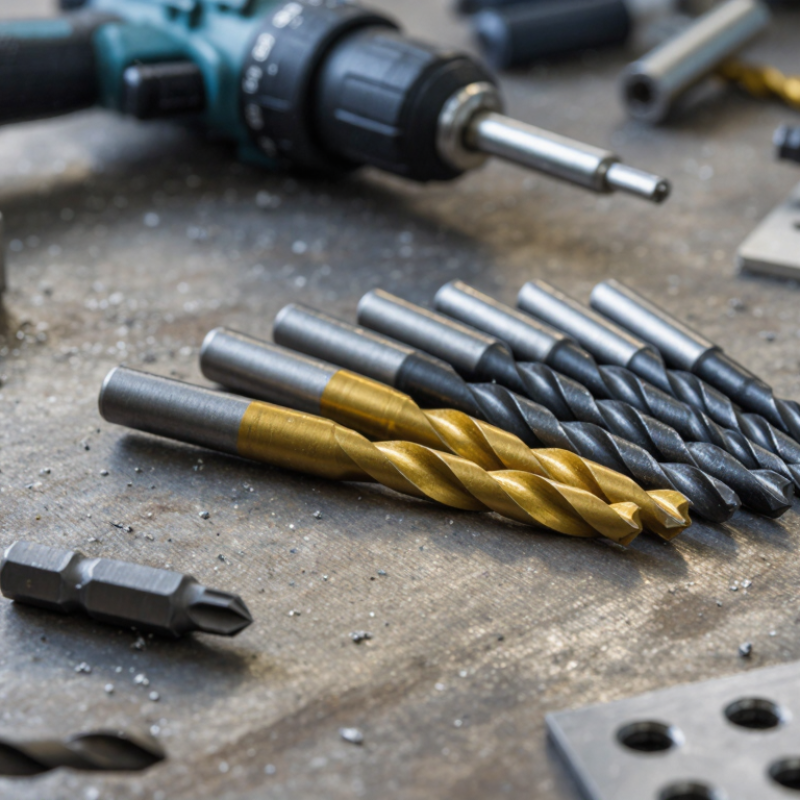
How to Choose the Best Hex Shank Step Drill Bit?

What Is a Hex Shank Step Drill Bit?

A hex shank step drill bit is a cutting tool with a six-sided shank and several stepped diameters. The hexagonal shank fits compatible drill chucks and quick-change holders. Each step enlarges an existing hole to a specific diameter. This design is especially useful for thin metal sheets, plastic panels, and electrical enclosures. One bit can replace several standard drill bits.

The steps are usually marked with size measurements, helping users control the hole diameter during drilling. I have found that a slower speed and light pressure produce cleaner edges. Cutting fluid can reduce heat when working with metal. The bit should enter the material straight, not at an angle. It is not magic. Excessive force may damage the cutting edges or deform thin sheet material.

When choosing one, check the diameter range, step spacing, shank size, and construction material. A compact range suits small holes, while a larger range supports wider openings. The hex shank improves convenience, but it does not automatically make the bit suitable for heavy drilling. In practice, hole quality depends on the drill speed, workpiece support, and operator control. I sometimes expect a perfectly smooth hole, yet thin metal can still leave a slight burr. A deburring tool may be needed afterward.

Which Materials and Projects Suit a Step Drill Bit?

A hex shank step drill bit suits thin materials that need clean, enlarged holes. Its stepped design creates several diameters with one tool. It works well on mild steel, aluminum, copper, brass, and thin stainless steel. Use cutting oil on metal to reduce heat and edge wear. Stainless steel needs steady pressure because surface hardening can occur. Do not rush.

These bits are practical for electrical panels, junction boxes, metal cabinets, HVAC ducting, and automotive sheet metal. They also handle plastic and laminated panels when used at a moderate speed. Clamp the workpiece firmly and place scrap wood behind thin sheets. This reduces vibration and helps prevent rough breakout. A hex shank also fits many drill drivers, but the driver must match the bit’s limits.

A step drill bit is not the right choice for thick plate, hardened steel, masonry, or deep holes. The larger steps can remove material quickly, but they are not magic. A pilot mark still improves accuracy. I would check the hole size twice, especially on visible panels. In practice, beginners often push too hard and overheat the tip. The bit may still cut, but its edge can dull sooner. That small mistake is easy to repeat.

How to Compare Size, Coating, and Cutting Performance

How to Choose the Best Hex Shank Step Drill Bit?

Size should match both the material and the drill chuck. A 1/4-inch hex shank fits many quick-change systems, but it may slip under heavy pressure. Larger shanks usually transfer torque more effectively. Choose a step range that covers the hole sizes you actually make. Oversized ranges can feel convenient, yet they often include unused steps and add cost.

The 2024 USCTI and AMT cutting-tool report recorded United States consumption near 2.5 billion dollars. That figure reflects a demanding market, where tool life matters. Coating selection deserves attention. Titanium nitride can reduce friction during light steel work, while aluminum titanium nitride suits higher heat. Coatings are not magic. They cannot rescue a dull edge or excessive feed pressure. I have seen a coated bit fail quickly after one hot, blue-colored hole.

Cutting performance depends on flute geometry, step spacing, and chip removal. A 2023 technical review in the International Journal of Advanced Manufacturing Technology linked better chip evacuation with lower cutting resistance in drilled metals. Test the bit on scrap first. Use steady pressure, cutting fluid when suitable, and moderate speed. Thin sheet should produce short, controlled chips, not long snarls. Stainless steel is less forgiving. I would not trust one speed chart blindly; machine rigidity, sheet thickness, and operator feel still change the result. Look for clean edges, limited vibration, and predictable hole size. That evidence matters more than a glossy specification sheet.

How to Select the Right Hex Shank and Drill Compatibility

How to Choose the Best Hex Shank Step Drill Bit?

How to Select the Right Hex Shank and Drill Compatibility

A step drill bit works well only when its shank matches the tool’s chuck. A 1/4-inch hex shank measures 6.35 mm and commonly follows the E6.3 format in ISO 1173. Check the drill manual before buying. A quick-change chuck may accept hex shanks, while a conventional keyed chuck may grip them less securely. The bit must also match the material. Step bits suit thin sheet metal, plastic, and light-gauge aluminum. They are not designed for masonry.

Tool compatibility also includes speed, torque, and impact use. A standard step bit can wobble inside an impact driver, especially during larger hole sizes. Select an impact-rated bit only when the product specification clearly allows it. The U.S. Bureau of Labor Statistics reported 2.6 million nonfatal workplace injuries in private industry during 2023. That broad figure is not drill-specific, but it shows why secure connections and controlled handling matter. A loose fit can create heat, slipping, and rough holes. I still check twice. That small pause is easy to skip.

Tips: Compare the shank profile, chuck capacity, and tool mode. Confirm the bit’s maximum diameter and recommended RPM. Use cutting fluid on metal when permitted. Stop if the bit chatters. ISO 1173 and the 2023 BLS workplace injury report provide useful reference points, but real performance also depends on material thickness, operator control, and tool condition.

How to Use and Maintain a Hex Shank Step Drill Bit

Choosing a hex shank step drill bit starts with the material. Check its diameter range, cutting geometry, and coating. A bit for thin steel may perform poorly in stainless steel or abrasive sheet materials. Match the shank size to a secure chuck or bit holder. Excessive wobble is a warning sign.

Use moderate pressure and let the cutting edges work. On metal, apply suitable cutting fluid and reduce speed as the diameter increases. Pause often to clear chips with a brush, not bare fingers. The bit can stay hot longer than expected. The U.S. Bureau of Labor Statistics recorded more than 888,000 private-industry cases involving days away, restriction, or transfer in 2023. That broad safety figure supports careful tool handling, even during short drilling tasks.

Before each use, inspect the steps for chipped edges, discoloration, or uneven wear. Clean residue immediately and dry the bit before storage. A light protective film can help prevent corrosion in humid workshops. Do not use a damaged bit just because it still cuts. I have found that rushing the final hole often causes the most damage. Replace the bit when vibration increases or the hole becomes visibly oversized. OSHA’s hand and power tool guidance also emphasizes guards, proper maintenance, and eye protection. Simple habits matter.

How to Choose the Best Hex Shank Step Drill Bit? - How to Use and Maintain a Hex Shank Step Drill Bit

Selection or Maintenance Dimension Recommended Specification or Practice Typical Application Reason and Practical Notes
Shank Type 1/4-inch hex shank with a secure locking groove Quick-change drill and impact-driver chucks A hex shank reduces chuck slippage and allows rapid bit changes. Verify that the chuck accepts the selected shank size.
Bit Material High-speed steel (HSS) for general work; cobalt-alloy HSS for harder or heat-sensitive metals Sheet metal, aluminum, mild steel, stainless steel HSS provides a practical balance of toughness and cost. Cobalt-alloy HSS generally retains hardness better at elevated temperatures but is more brittle and costly.
Surface Coating Bright finish for light-duty use; titanium nitride (TiN) coating for improved wear resistance in suitable applications Repeated drilling in thin metal and plastics A coating can reduce friction and improve wear resistance, but it does not replace correct speed, feed, lubrication, or material selection.
Diameter Range Choose a range that includes the required hole sizes; common general-purpose ranges are approximately 4–12 mm, 4–20 mm, or 4–32 mm Electrical, plumbing, HVAC, and fabrication work A smaller range is easier to control, while a larger range covers more hole sizes. Confirm the actual engraved step sizes before purchase.
Step Geometry Clearly marked, evenly spaced steps with a split-point or self-centering tip Thin sheet materials and enlarging existing holes Clear markings improve size control. A self-centering tip helps reduce wandering during initial contact.
Material Thickness Best suited to thin materials; check the manufacturer's stated maximum thickness for each bit Thin steel, aluminum, copper, plastic, and laminates Step drills are not intended to replace long-flute twist drills for deep or thick holes. Excessive thickness can increase heat and wear.
Drill Speed Use the tool maker's speed chart; reduce speed as the active cutting diameter increases and when drilling harder metals Cordless drills, corded drills, and drill presses Higher diameters generate more cutting speed at the edge. Excessive speed causes overheating, premature dulling, and possible coating damage.
Pressure and Feed Apply steady, moderate pressure and allow the cutting edges to remove material without forcing the bit Manual drilling in sheet material Too little pressure may rub and generate heat; too much pressure can chip steps, distort thin material, or overload the drill.
Lubrication Use suitable cutting fluid for steel and stainless steel; dry drilling is commonly used for many plastics and some aluminum operations Metal drilling where heat control is important Lubrication helps reduce friction and heat. Follow the workpiece and fluid safety requirements, especially with aluminum and plastics.
Workpiece Support Clamp the workpiece securely and place sacrificial support beneath thin sheet when practical Panels, boxes, brackets, and sheet stock Secure support improves accuracy, reduces vibration, and helps prevent the sheet from catching as the step exits.
Hole Enlargement Start in the pilot hole or use the tip to create the opening, then advance one step at a time Increasing an existing hole to a precise larger diameter Stop when the required step passes through the material. Avoid drilling beyond the marked target diameter.
Deburring Use the next light step or a dedicated deburring tool with low pressure Removing sharp edges from sheet-metal holes A brief, controlled pass can remove burrs without unnecessarily enlarging the hole.
Cleaning After Use Brush away chips, wipe off cutting fluid, and dry the bit before storage All materials and operating environments Removing chips helps prevent corrosion and keeps step markings visible. Do not touch sharp edges with bare fingers.
Inspection Check for chipped steps, rounded cutting edges, discoloration, cracks, and a bent shank Before each extended or critical job Visible damage, persistent vibration, smoke, or excessive heat indicates that the bit should be removed from service.
Storage Store in a dry case or holder with the cutting edges separated from other tools Workshop, service vehicle, and tool cabinet storage Individual storage protects the steps from impact, reduces corrosion, and makes the correct diameter range easier to identify.

FAQS

What materials suit a hex shank step drill bit?

It suits thin mild steel, aluminum, copper, brass, stainless steel, plastic, and laminated panels. Use cutting fluid on metal. Stainless steel needs steady pressure. Do not rush.

Which projects work well with a step drill bit?

Common projects include electrical panels, junction boxes, metal cabinets, ductwork, and vehicle sheet metal. It enlarges holes cleanly. Thin panels are ideal.

Which materials should I avoid?

Avoid thick plate, hardened steel, masonry, and deep holes. A step bit is not magic. Its larger steps remove material quickly, but only within limits.

How do I check drill and shank compatibility?

Confirm the chuck accepts the shank profile. A common hex shank measures 6.35 millimeters. Check chuck capacity, tool mode, speed, torque, and maximum hole size.

Can I use a step bit with an impact driver?

Use it only when the bit is clearly rated for impact use. Standard bits may wobble during larger holes. A loose connection creates heat and rough edges.

How should I prepare a thin sheet before drilling?

Mark the pilot point clearly. Clamp the sheet firmly. Place scrap wood behind it. This reduces vibration and rough breakout.

How should I operate the bit?

Apply moderate pressure and let the cutting edges work. Reduce speed as the hole becomes larger. Use cutting fluid when suitable. Stop if it chatters.

How do I maintain and replace the bit?

Inspect the steps for chips, discoloration, and uneven wear. Clear chips with a brush, never bare fingers. Clean and dry the bit after use. Replace it when vibration increases or holes become oversized. I sometimes check too late. That mistake is easy to repeat.

Conclusion

Choosing the best Hex Shank Step Drill Bit starts with understanding its design and purpose. This multi-step cutting tool creates holes of different diameters with one bit, making it useful for sheet metal, plastic, wood, and other suitable materials. When selecting one, consider the diameter range, step spacing, coating, flute design, and cutting performance. A durable surface treatment can improve wear resistance, while sharp, well-shaped edges help produce cleaner holes and reduce heat buildup.

Compatibility is equally important. Check that the hex shank matches your drill, driver, or chuck, and confirm that the tool can provide the required speed and control. During use, secure the workpiece, apply steady pressure, and use suitable lubrication when necessary. Regularly remove chips, inspect the cutting edges, and store the bit in a dry place. With the right size, construction, compatibility, and maintenance, a Hex Shank Step Drill Bit can deliver efficient and consistent drilling for many practical projects.

Alexander

Alexander

Alexander is a professional marketing specialist with a strong understanding of product strategy, customer needs, and market development. As a key contributor to our company, he combines practical marketing experience with in-depth knowledge of our products, helping customers clearly understand......