Choosing the right M35 Cobalt Twist Drill Bit is not a matter of picking the hardest-looking tool. It requires matching the bit to the material, machine, hole size, and working conditions. In a busy fabrication shop, a small decision can affect hole accuracy, tool life, and operator safety. Stainless steel may generate heat quickly, while mild steel can punish a dull point through vibration and excessive pressure.
Machining educator Dr. David A. Stephenson has emphasized, “Tool choice must follow the workpiece, not the catalog headline.” That principle guides this practical introduction to seven selection tips. The discussion will examine cobalt content, point geometry, diameter tolerance, flute design, coating options, cutting data, and supplier reliability. Each detail matters. Even the best M35 Cobalt Twist Drill Bit can fail when feed pressure is uneven or coolant delivery is poor.
Look closely at the cutting edge.
A reliable choice should leave a clean, round hole rather than a rough, overheated opening. Check the bit’s specifications, not just its advertised hardness. Confirm the intended material range. Consider whether the drill press, handheld unit, or CNC machine can hold the required alignment. Small oversights often become expensive breakage.
There is no perfect bit for every job. That is worth admitting. Shop conditions vary, and published speed charts sometimes need careful adjustment. A thoughtful selection process combines manufacturer data, hands-on testing, and honest observation of chips, heat, noise, and wear. This approach makes the seven tips practical, measurable, and easier to trust.
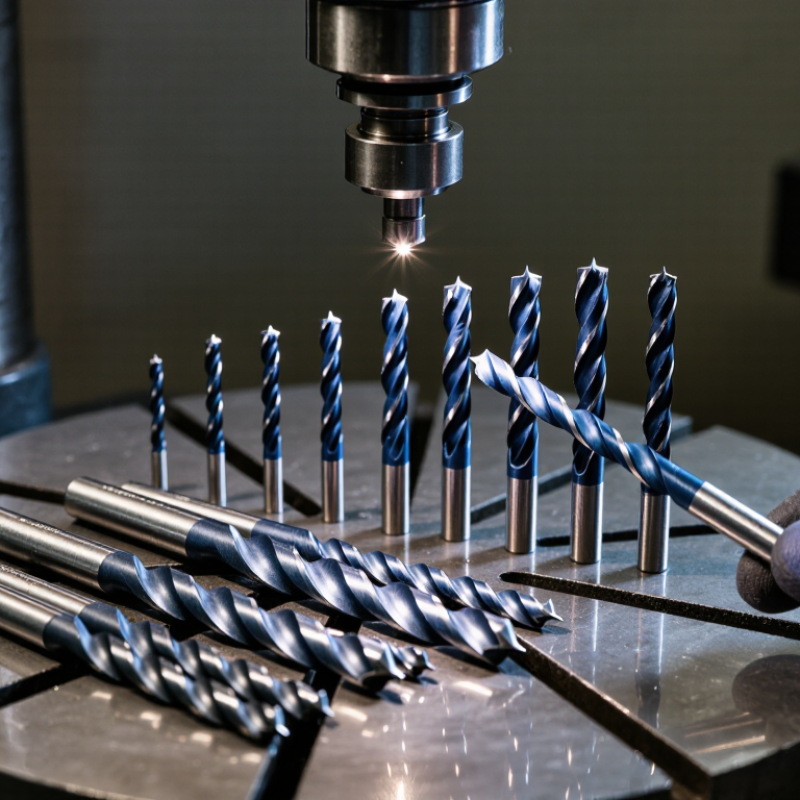
Choosing an M35 cobalt twist drill starts with verifying its material, not its appearance. Genuine M35 generally contains about 5% cobalt, which improves heat resistance during repeated drilling. Ask for a material certificate when possible. Packaging alone proves little. Check the product marking, supplier documentation, and declared cobalt percentage together.
Hardness needs equal attention. Properly heat-treated M35 drill bits commonly reach 65–67 HRC. This range supports edge retention when drilling stainless steel, alloy steel, and other tough metals. Use a calibrated Rockwell tester if you inspect incoming tools. Otherwise, request a test report showing the hardness method and sampling location. Hardness can vary near the shank and cutting edge. That detail is often missed.
Examine the flute finish and symmetry under strong light. Uneven lands may create vibration before the first hole is complete. Confirm the point angle matches your material and machine setup. A split point can reduce wandering on flat metal. Select the correct diameter and flute length; excessive reach weakens the tool. I once blamed poor cobalt quality for premature failure, but the real problem was excessive feed and weak clamping. That was a useful correction. Keep cutting fluid available, especially during deep holes. Watch the chips. Blue chips, squealing, or a suddenly softened edge suggest too much heat. Do not trust the 65–67 HRC claim blindly; performance also depends on grinding, geometry, heat treatment, and operating technique.
7 Tips for Choosing M35 Cobalt Twist Drill Bits
Match the drill diameter and cutting speed to the workpiece material. M35 cobalt bits tolerate more heat than standard high-speed steel, but they are not heatproof. A large diameter removes more material and needs a slower spindle speed. A small bit can run faster without excessive rubbing. Use this practical formula: RPM = 1000 × cutting speed ÷ 3.14 × drill diameter.
For mild steel, begin near 20–30 meters per minute. Stainless steel usually needs about 8–15 meters per minute, especially when the surface work-hardens. Cast iron often performs well around 15–25 meters per minute. Aluminum may allow 60–100 meters per minute, but chip evacuation still matters. For example, a 10 mm bit in stainless steel at 10 meters per minute runs near 320 RPM. That number is only a starting point.
Watch the chips and the sound. Short, controlled chips suggest a reasonable setup. Blue chips, squealing, or a polished hole often indicate too much speed or insufficient feed. Apply cutting fluid when appropriate, and clear chips before they pack into the flutes. I have found that operators often reduce speed but forget feed pressure. That mistake can increase rubbing and heat. Material grades vary, so a trial hole in scrap is worth the extra minute. A chart helps, but the workpiece gives the final answer.
Choosing M35 cobalt twist drill bits begins with the point geometry. A 135° split point helps the bit start accurately on metal surfaces. It cuts with less pressure than a standard chisel point. This reduces walking, especially on stainless steel, hardened steel, and curved workpieces. A clean starting hole matters. It affects alignment, hole size, and tool life.
M35 cobalt contains approximately 5% cobalt, giving the bit better heat resistance than ordinary high-speed steel. When selecting a set, check the split-point design, flute quality, diameter accuracy, and shank condition. A fully ground flute usually removes chips more consistently. Shorter bits can also reduce deflection. Choose the smallest suitable diameter, but avoid forcing a delicate bit through thick stock. That mistake is common.
Use a rigid drill press when accurate starts are important. Mark the location lightly, secure the workpiece, and apply steady pressure. Cutting fluid helps control heat during deeper drilling. Let the bit cut; excessive force can damage the point. I once assumed a sharper point would solve every alignment problem. It did not. A loose vise still caused a wandering hole. Check the setup before blaming the drill bit. Reduce speed for larger diameters, clear chips from deep holes, and inspect the cutting edges after use. A 135° split point improves starting control, but careful operation still determines the final result.
Compare Flute Geometry, Web Thickness, and 118°–135° Point Angles
Choose a flute design that matches your material and cutting speed. A broad, polished flute can clear stainless steel chips more smoothly. Tight flutes may suit harder alloys, but they can load quickly in deep holes. Check the helix angle, too. A higher helix usually improves chip evacuation in thinner sections.
Select the web thickness with care. A thicker web resists bending and supports accurate drilling in tough steel. It also needs more force and may produce larger chips. A thinner web starts easily and cuts with less pressure, but it can wander or snap. I often test the bit on scrap material first. That small step has prevented costly mistakes. My own choice is not always right.
A 118° point angle offers easy starting and works well on general steel. A 135° split point reduces walking and lowers thrust in hardened or work-hardening alloys. However, the wider angle may cut less aggressively in soft materials. Match the point to the job, not just the material name.
Inspect the cutting lips under a bright lamp. Unequal edges reveal poor alignment. Keep the drill straight. Even a premium M35 bit performs badly with excess pressure, dull coolant, or a loose chuck. Stop when the sound turns sharp. That warning deserves attention.
7 Tips for Choosing M35 Cobalt Twist Drill Bits
Tip 1: Verify the alloy, coating, and tolerance. M35 usually contains about 5% cobalt, according to ASTM A600 guidance for high-speed tool steels. Do not trust “cobalt” printed alone. Ask for a material certificate and hardness data. ISO 4957 also provides recognized tool-steel requirements. The paperwork matters.
Tip 2: Check dimensional accuracy against DIN 338 and ISO 286 tolerance principles. A 10 mm drill with excessive runout can cut an uneven hole, even when its edge looks sharp. Measure the shank and diameter with calibrated tools. Many buyers inspect only the cutting point. That is a weak check.
Tip 3: Match the coating to the workpiece. Titanium nitride coatings can reduce friction, while aluminum-based coatings often suit hotter cutting conditions. However, coating performance depends on speed, feed, and cooling. A 2023 technical review in CIRP Journal of Manufacturing Science and Technology reported that coating selection can significantly affect tool wear and cutting temperature. The exact gain varies.
Tip 4: Request manufacturer inspection records. Look for batch traceability, flute symmetry, concentricity, and edge preparation. ISO 9001 certification supports process control, but it does not guarantee every drill is perfect. That distinction is easy to miss.
Tip 5: Test a small batch first. Record hole size, burr formation, and tool life in your actual material. Published figures can look convincing, yet shop conditions differ. A simple test often reveals more than a polished catalog claim.
A practical pre-purchase checklist covering cobalt content, coatings, geometry, tolerances, standards, and application fit. The priority scores are a screening guide, not a manufacturer rating.
M35 high-speed steel typically contains about 5% cobalt. Verify the stated grade, coating type, point geometry, diameter tolerance, and applicable standards before buying. Coatings such as TiN, TiAlN, or AlTiN should be selected according to the workpiece material, cutting temperature, and whether coolant is used.
Check the declared cobalt content, usually about 5%. Request a material certificate when possible. Packaging alone proves little.
A typical range is 65–67 HRC. Ask for a test report showing the method and sampling location. Hardness may vary between the shank and cutting edge.
Not completely. Grinding quality, geometry, heat treatment, and technique also affect performance. A calibrated Rockwell tester gives stronger evidence.
Start near 20–30 meters per minute for mild steel. Use about 8–15 for stainless steel. Cast iron often suits 15–25. Aluminum may allow 60–100.
Use RPM = 1000 × cutting speed ÷ 3.14 × drill diameter. A 10 mm drill in stainless steel at 10 meters per minute runs near 320 RPM.
Watch for blue chips, squealing, or a suddenly softened edge. A polished hole can also indicate rubbing. Stop and adjust the setup.
A 118° point suits general steel and starts easily. A 135° split point reduces walking on harder or work-hardening alloys. The wider angle may cut less aggressively in soft material.
Broad, polished flutes can clear stainless steel chips smoothly. Thicker webs resist bending but need more force. Thin webs start easily but may wander or snap.
Excessive feed, weak clamping, dull coolant, and a loose chuck can cause early failure. I once blamed cobalt quality incorrectly. The real problem was poor clamping and excessive feed.
Choosing the right M35 Cobalt Twist Drill Bit requires more than simply selecting a cobalt-labeled tool. M35 steel contains approximately 5% cobalt and typically offers a hardness of about 65–67 HRC, giving it improved heat resistance and durability for demanding materials. Start by matching the drill diameter and cutting speed to the workpiece, since incorrect sizing or excessive speed can increase heat, wear, and breakage. For accurate hole starting, a 135° split point helps reduce walking and improves control, especially on hard or curved surfaces.
Before buying, compare flute geometry, web thickness, and point angles ranging from 118° to 135°. These features influence chip evacuation, cutting stability, and performance across different materials. Also verify the coating, dimensional tolerances, and stated manufacturing standards to ensure consistent quality. A well-selected M35 Cobalt Twist Drill Bit should combine suitable geometry, hardness, heat resistance, and dependable manufacturing precision for the intended drilling application.