Precision Industrial Cutting Tools Ready for Export
Engineered for extreme torsional resistance, wear durability, and high chip evacuation speeds across maritime, structural steel, and municipal masonry infrastructure projects.
1. Metallurgical Foundations: High-Speed Steel Morse Taper Shank Drill Bits
In modern industrial manufacturing and heavy maintenance environments, the Morse Taper Shank Drill Bit (conforming to DIN 345, ISO 296, and BS 328 standards) represents the apex of mechanical drive efficiency. Unlike parallel straight shank bits that rely on three-jaw friction chucks—which frequently suffer from slippage, run-out variance, and chuck key fatigue under loads above 180 Nm—the Morse taper relies on an engineered self-holding geometric taper (approximately 5/8 inch per foot, depending on the Morse index MT1 through MT6). This geometry transforms axial feed pressure directly into frictional holding torque while the drive tang ensures positive rotary locking against the spindle receiver.
For industrial operators in Cap-Haïtien and the wider Nord Department of Haiti, tool failure during deep structural boring or marine shaft retrofitting introduces costly bottlenecks. The local economic landscape demands tooling capable of handling erratic power feeds, older lathe beds, heavy-gauge non-alloyed structural steels, cast iron housings, and saltwater-exposed marine components. Choosing the right manufacturer requires an understanding of three central metallurgical grades:
| HSS Alloy Grade | Chemical Matrix & Hardness | Red Hardness Cut-off | Optimal Operating Environment |
|---|---|---|---|
| HSS M2 (W6Mo5Cr4V2 / 6542) | 6.0% W, 5.0% Mo, 4.0% Cr, 2.0% V Hardness: 63–65 HRC |
Up to 550°C (1,022°F) | General structural engineering, low-to-medium alloy steels, cast steel, standard workshop pillar presses. |
| HSS M35 Cobalt (5% Co / Co-5) | 6.0% W, 5.0% Mo, 4.0% Cr, 2.0% V, 4.8–5.2% Co Hardness: 65–67 HRC |
Up to 620°C (1,148°F) | Austenitic stainless steels (304, 316L), high-tensile marine bronze, structural rebar, and abrasive workpieces. |
| HSS 4241 (High-Carbon HSS) | 2.0% W, 4.0% Mo, 4.0% Cr, 1.0% V Hardness: 61–63 HRC |
Up to 480°C (896°F) | Mild sheet metal, agricultural chassis maintenance, softer structural tubing, and cost-sensitive general repair. |
Technical Authority Insight: When boring through heavy structural cross-sections or flame-cut marine plates in coastal Cap-Haïtien, web thinning (DIN 1414 Type C split point geometry) reduces feed pressure by up to 35% compared to conventional chisel edges, minimizing work hardening on unpredictable raw steel stock.
2. Application Scenarios Across the Cap-Haïtien Industrial & Maritime Corridor
Cap-Haïtien serves as Northern Haiti's principal economic engine, characterized by coastal maritime trade, agricultural transformation, industrial food distillation, and continuous infrastructure rehabilitation. The regional demand for Morse taper tooling reflects these distinct operating requirements:
Port of Cap-Haïtien & Coastal Dockyards
Commercial transport barges, coastal cargo vessels, and small ship maintenance workshops along the Baie de l'Acul require MT3 and MT4 cobalt bits to rebore damaged propeller shaft flanges, rudder pintle bearings, and saltwater-pitted structural beams made of marine-grade 316 stainless and carbon steel plates.
Cane Sugar Mills & Distilleries
From Saint-Raphaël to Limonade, cane-crushing mills, steam boiler brackets, and fermentation vats demand continuous maintenance. Large-diameter Morse taper drills (28mm to 65mm) mounted on heavy radial arm drills allow local mechanics to restore heavy gear transmissions and boiler tube sheets on site.
Bridge & Highway Reconstruction
Heavy structural retrofits along National Route 1 (RN1) and National Route 3 (RN3) rely on MT2 and MT3 bits paired with magnetic-base drill presses using taper conversion sleeves. This enables rapid onsite bolt-hole expansion in girder splices, foundation sheet pilings, and retaining structures.
Commercial Reinforced Concrete Construction
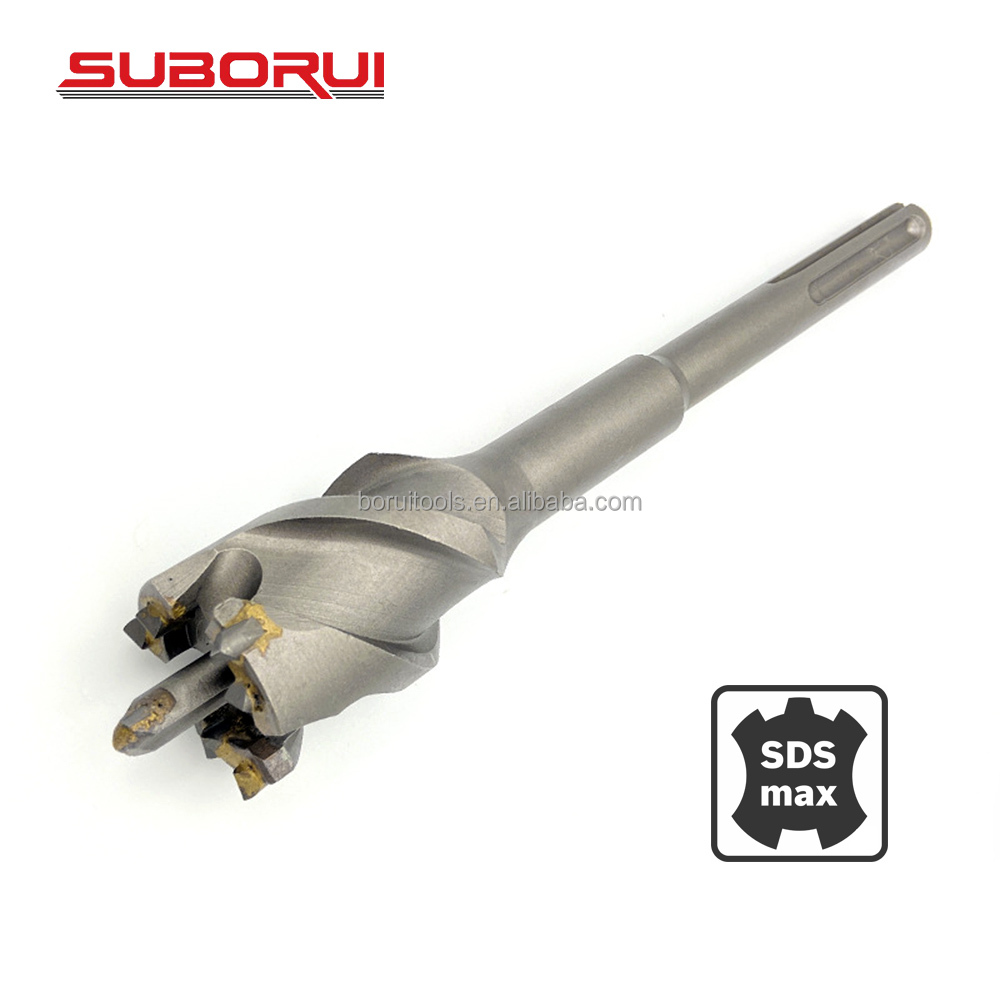
In response to seismic and hurricane structural standards across Northern Haiti, contractors combine heavy SDS Max hollow core wall cutters and Morse taper drill presses to run mechanical anchor passages, seismic bracing brackets, and drainage headers through dense limestone aggregate concrete.
Industrial Diesel Generator Overhauls
Given local grid fluctuations, industrial sites in Vaudreuil and Quartier-Morin depend on independent diesel power arrays. Refurbishing cast iron diesel engine mounts, water jackets, and turbo manifold studs requires precision M2 fully ground Morse taper bits that eliminate run-out.
3. Sourcing Dynamics & Market Trajectories in Northern Haiti
Procuring industrial cutting tools in Cap-Haïtien presents clear supply chain realities. Historically, local workshops relied on fragmented re-exports via South Florida, the Dominican Republic frontier (Dajabón), or Port-au-Prince. However, escalating domestic logistics overhead and transport bottlenecks have driven procurement managers toward direct factory containers through the Port of Cap-Haïtien.
Three dominant structural trends now shape this market:
Total Life-Cycle Cost Prioritization
Workshop foremen are moving away from cheap roll-forged carbon bits that fracture after two or three holes in high-tensile plate. Purchasing directors increasingly source fully ground M2 and M35 cobalt DIN 345 tooling directly from primary factories, extending tool service life up to 12 times per dollar spent.
Consolidated Tooling Shipments
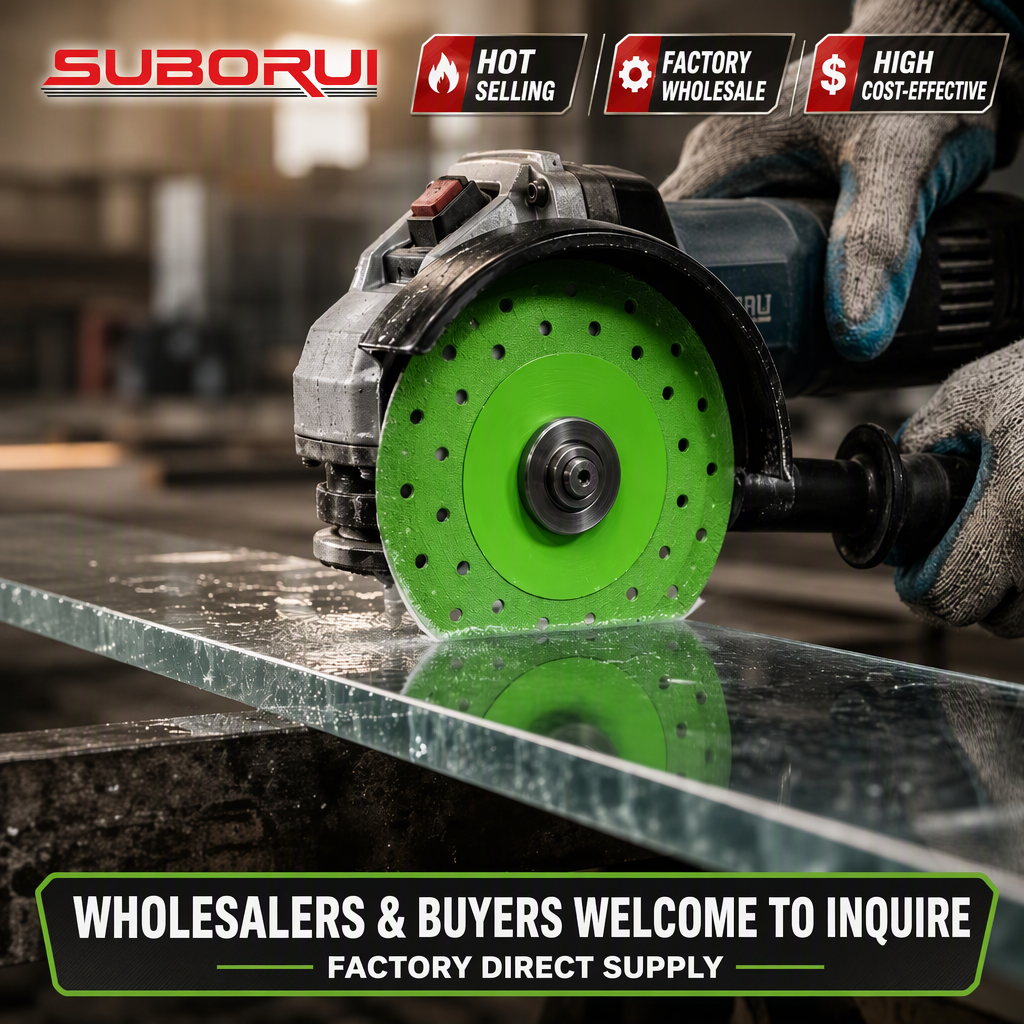
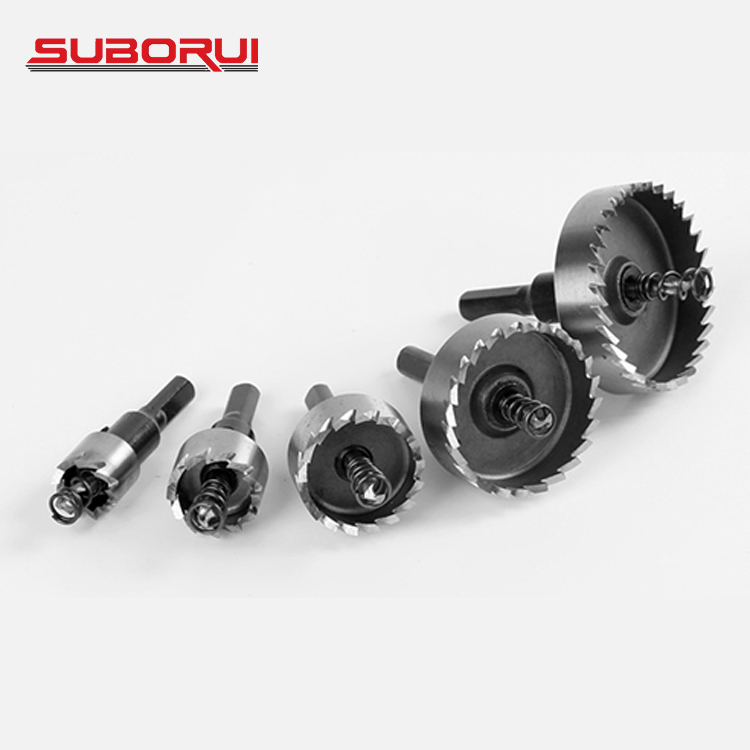
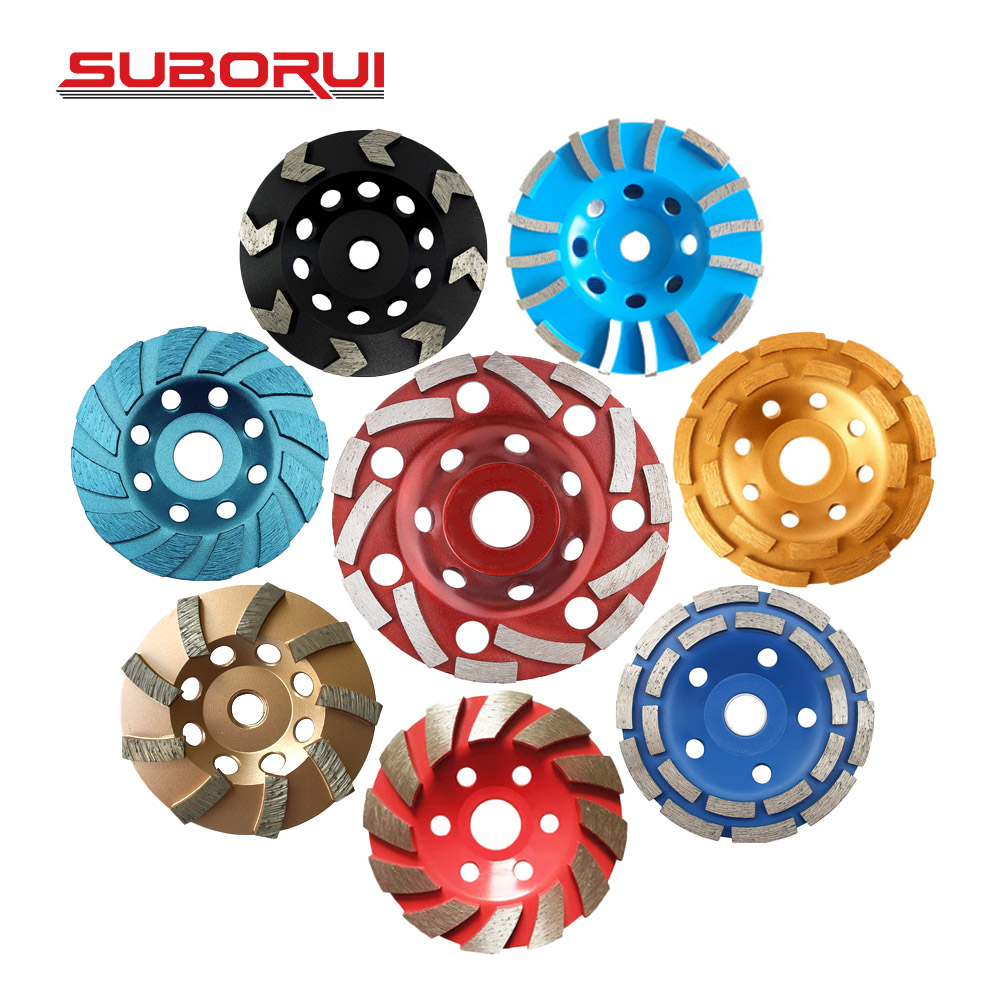
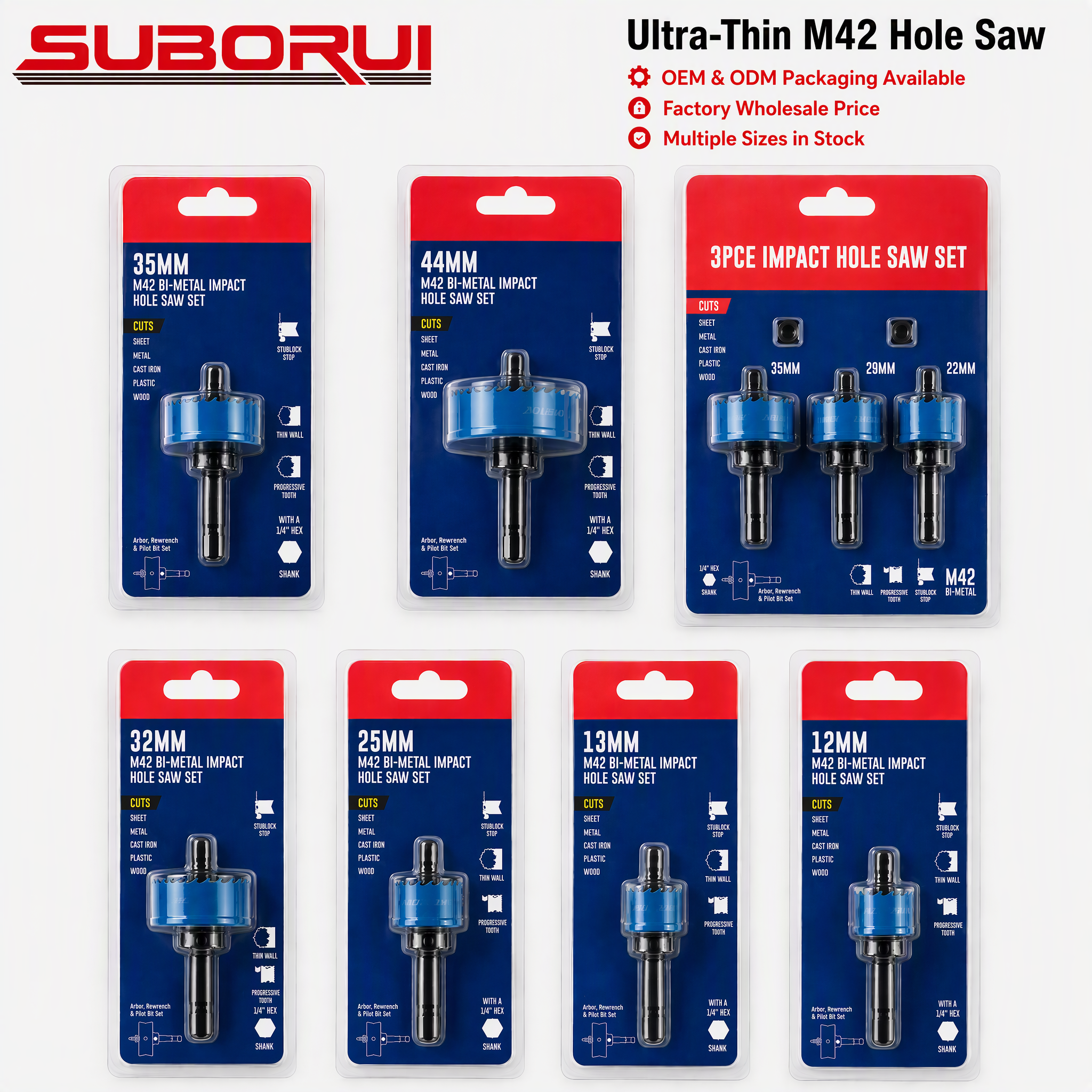
Because isolated freight shipments are vulnerable to delays, importers in Cap-Haïtien combine high-turnover consumable tooling (such as SDS Max carbide wall cutters, thin diamond cutting discs, and bi-metal hole saws) alongside Morse taper drill orders to optimize container space and freight economics.
Atmospheric Rust & Humidity Protection
Cap-Haïtien's tropical marine humidity rapidly degrades bare tool steel in unconditioned storerooms. Reliable suppliers treat tooling with hot steam-tempered black oxide, electro-deposited gold amber coatings, or high-density vacuum oil packaging to eliminate transit corrosion.
4. Why Global Brands & Direct Importers Partner with Jiangsu WRD Tools
Established in March 2007 with a registered capital of RMB 10 million, Jiangsu WRD Tools Co., Ltd. is a dedicated cutting-tool manufacturer located in Danyang—the industrial center for high-speed steel drill bit production in China. Spanning a modern 12,000 m² factory footprint operated by more than 150 skilled machinists, the company maintains three dedicated workshops for wood drill bits, HSS twist drill bits, and industrial annular cutters.
Unlike trading intermediaries, WRD Tools manages every critical manufacturing process in-house: high-precision automated bar cut-off, automated atmospheric salt-bath and vacuum furnace heat treatment, 5-axis CNC flute grinding, edge relief micro-finishing, and automated optical run-out inspection. This integrated approach ensures consistent DIN tolerances, run-out concentricity within 0.02mm, and structural integrity across all Morse taper sizes.
Tier-1 OEM Manufacturing Experience: WRD Tools has manufactured drill bits and accessories for internationally recognized tool brands, including BOSCH, Milwaukee, DeWalt, Irwin, Makita, Dexter, KWB, Wolfcraft, Truper, and Heller. Our systems, clean-room calibration, and QA/QC procedures are independently verified on-site by Intertek Group, and we have been certified as a High-Tech Enterprise of Jiangsu Province since 2019.
Integrated Production Strengths
With an annual capacity exceeding 90 million drill bits (including 50 million wood bits, 25 million precision metal twist drills, and 15 million impact-rated hex drills), WRD Tools maintains the production scale, raw billet stockpiles, and customized packaging capabilities required to meet container-scale maritime schedules for the Caribbean basin.
Frequently Asked Questions: B2B Morse Taper Procurement
Straightforward guidance on shipping, minimum orders, and metallurgical options for importers, hardware distribution networks, and industrial contractors in Northern Haiti.
What is the minimum order quantity (MOQ) for custom-branded Morse taper shank bits?
Which HSS grade provides the best balance of cost and performance in Haitian machine shops?
How do you protect Morse taper shanks against corrosion during sea transit to the Caribbean?
What are the lead times and shipping options into the Port of Cap-Haïtien (APN)?
Can we order mixed containers combining Morse taper bits with masonry and cutting consumables?
Upgrade Your Workshop Tooling with Factory-Direct Precision
Connect directly with our international technical sales team to request comprehensive engineering drawings, custom hardness specifications, or a competitive wholesale quotation for Cap-Haïtien container logistics.