High-Performance Tooling for Tallinn Heavy Metalworking
Original manufactured high-speed steel cobalt twist drills, bi-metal hole saws, and carpentry drilling solutions engineered for severe thermal loads and tough austenitic alloys.
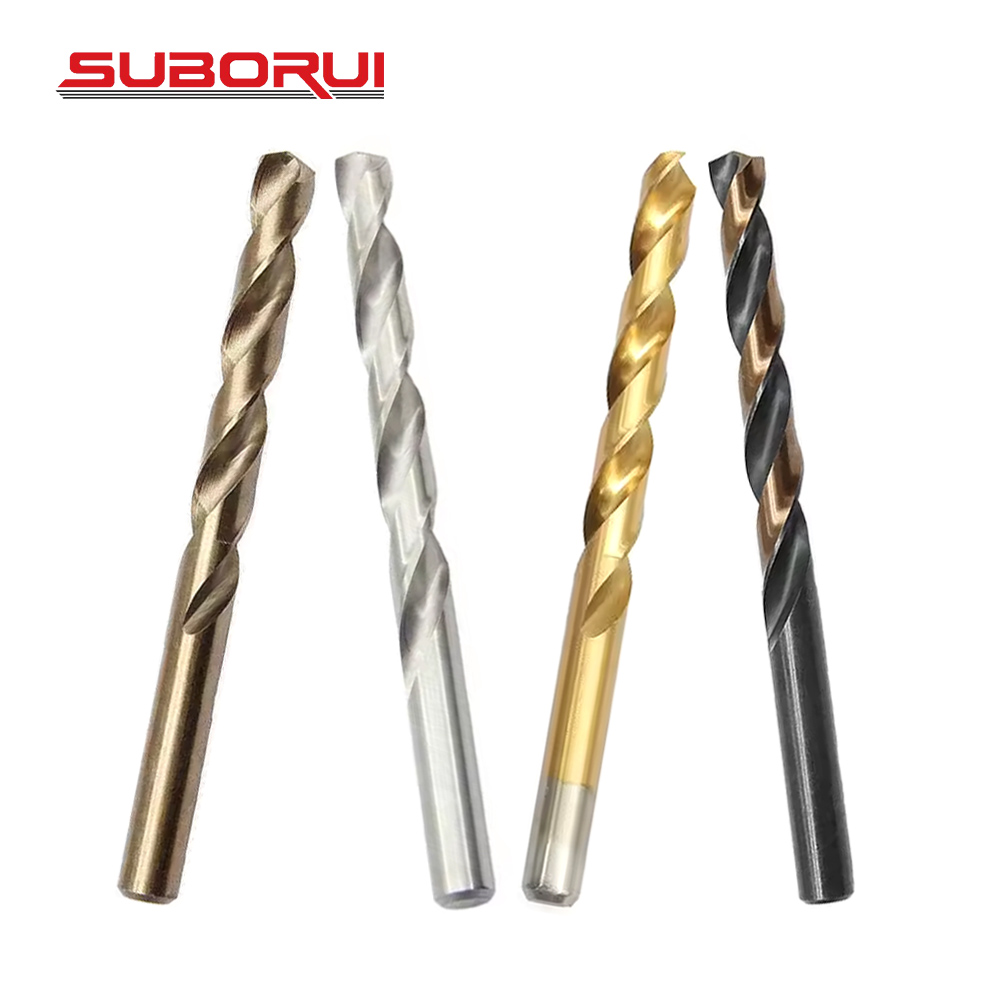
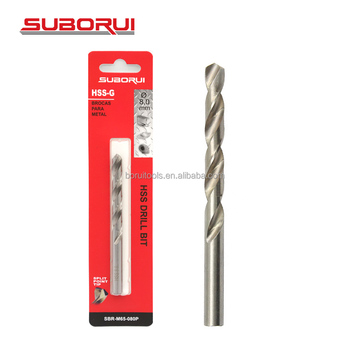
SUBORUI D338 Imperial HSS-Co M35 Twist Drill Bit for Stainless Steel
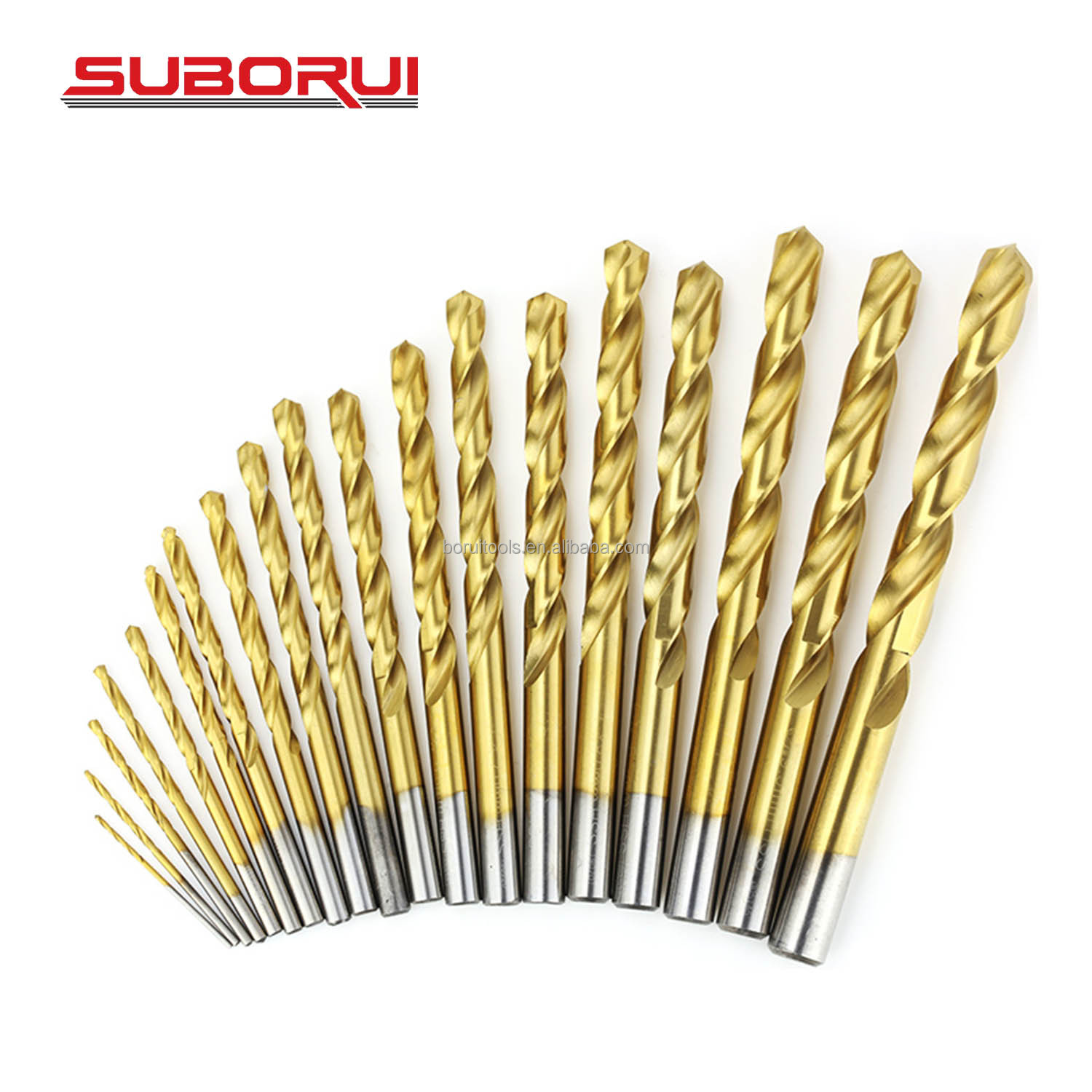
SUBORUI DIN338 Fully Ground TiN Coated HSS 1-20mm Twist Drill Bits
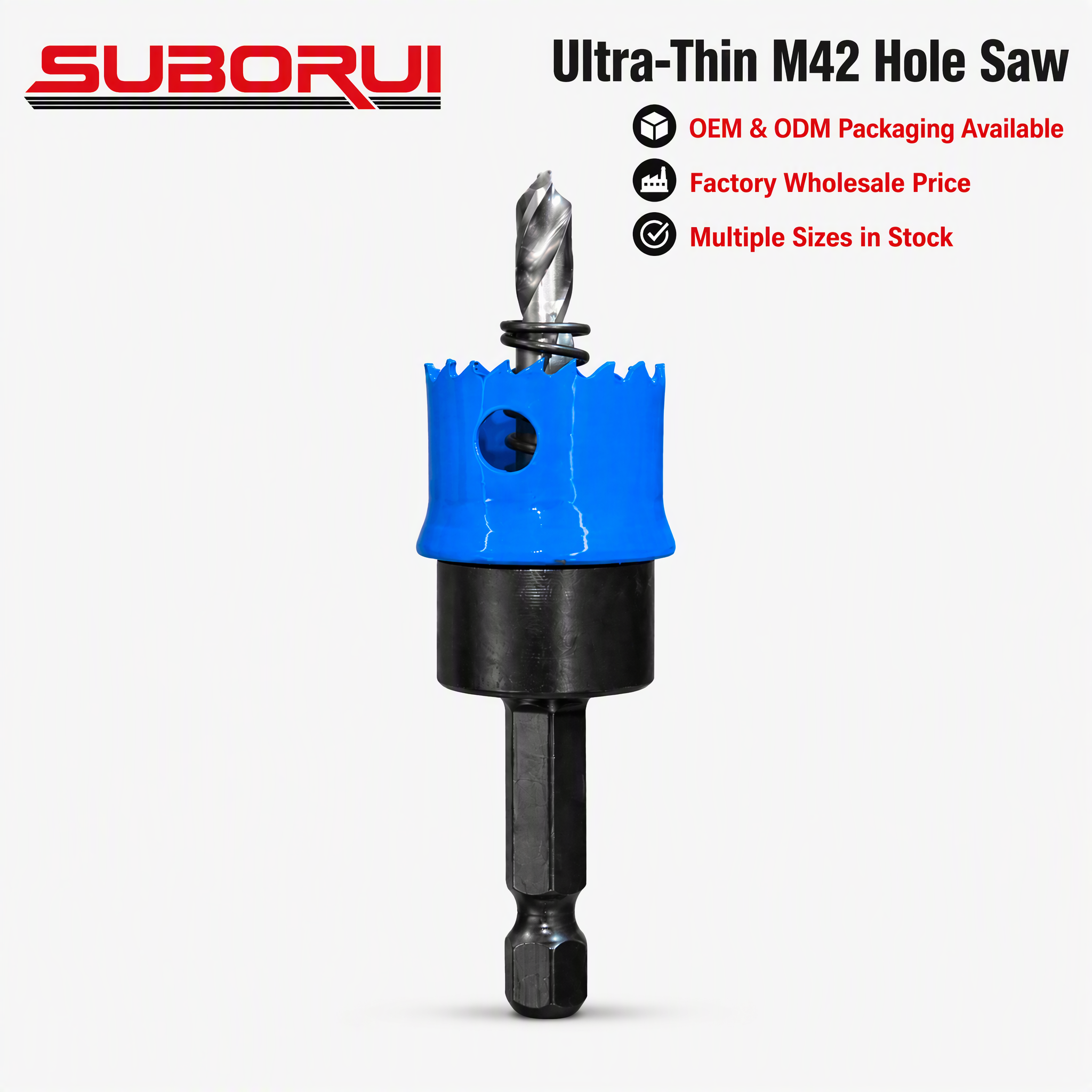
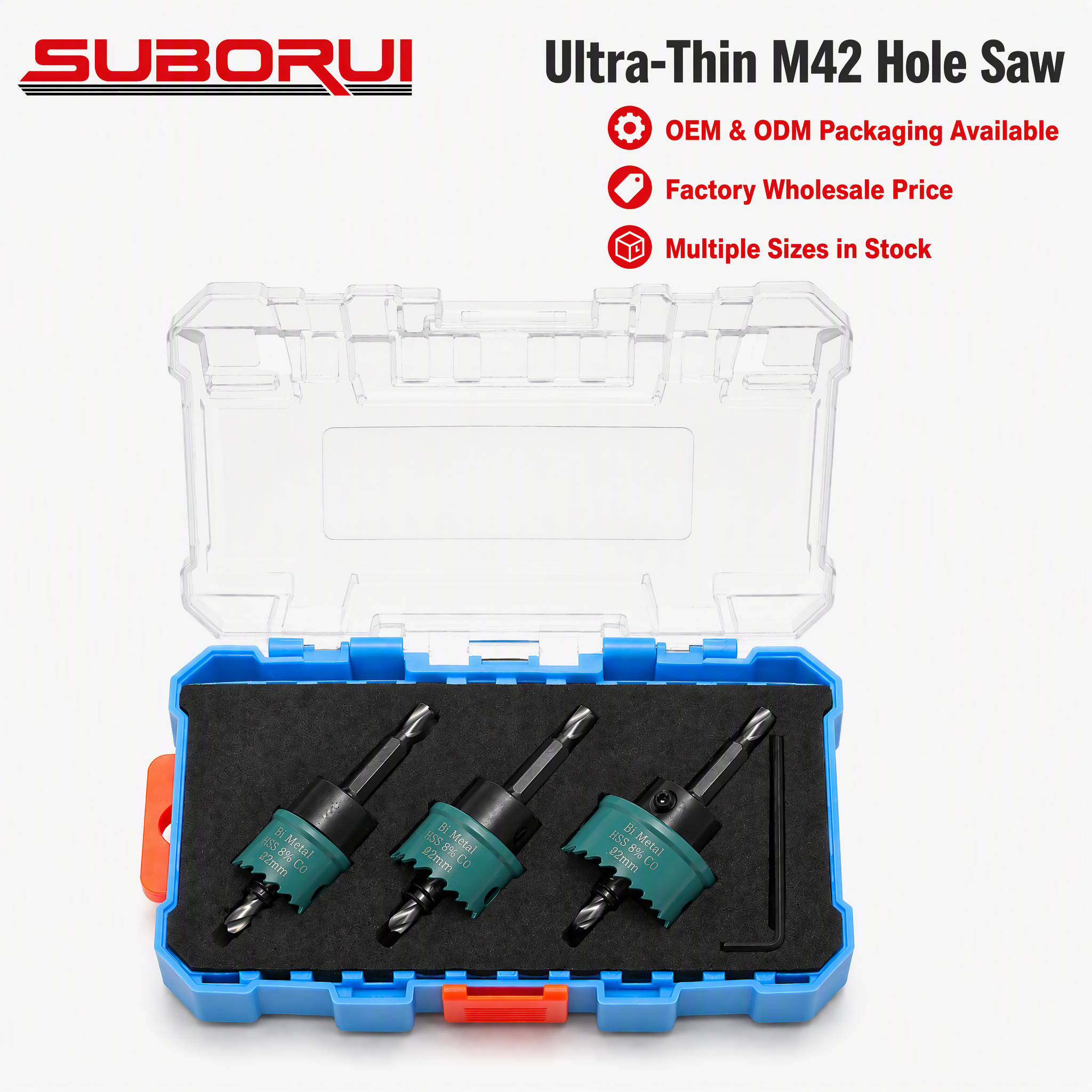
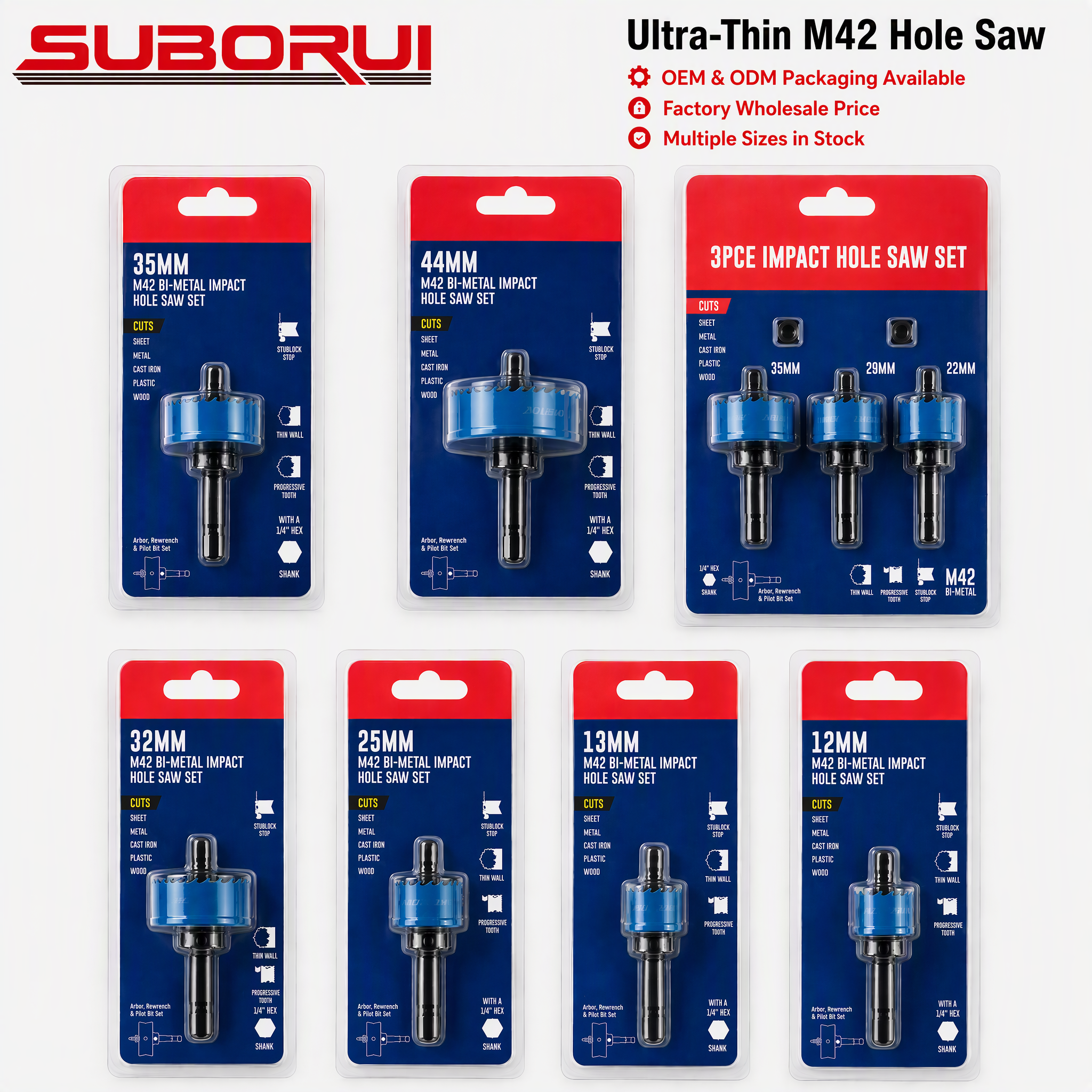
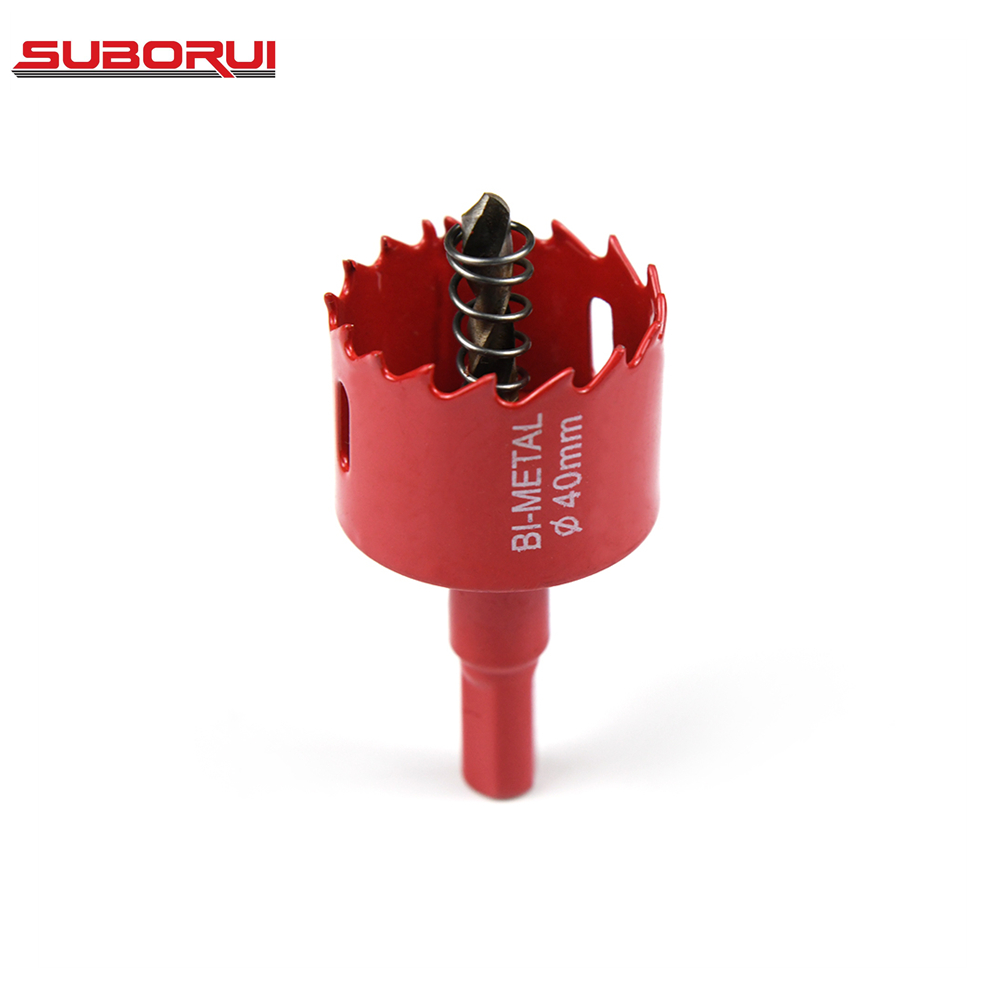
SUBORUI M42 Bi-Metal Cutter for Carpentry, PVC & Metal Structures
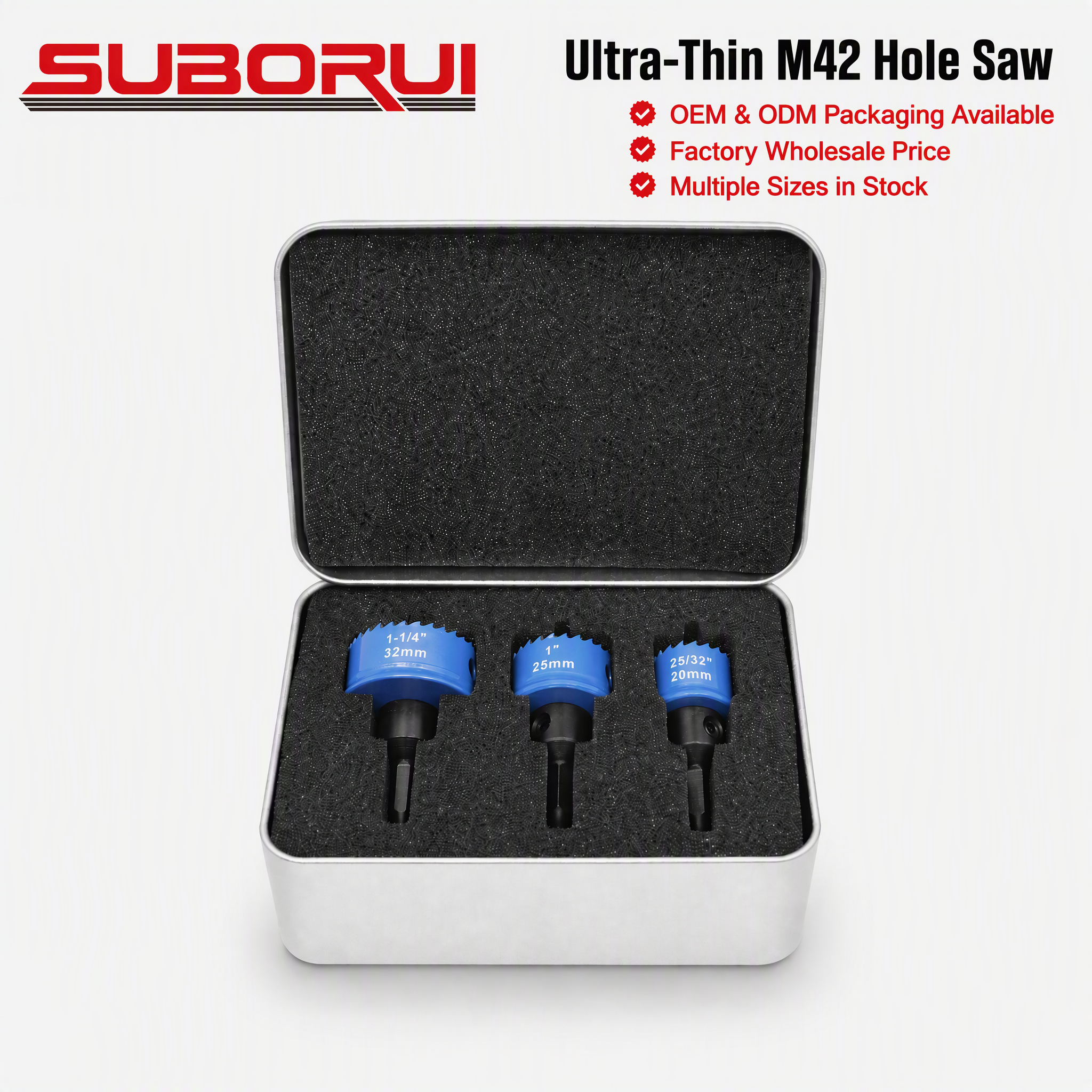
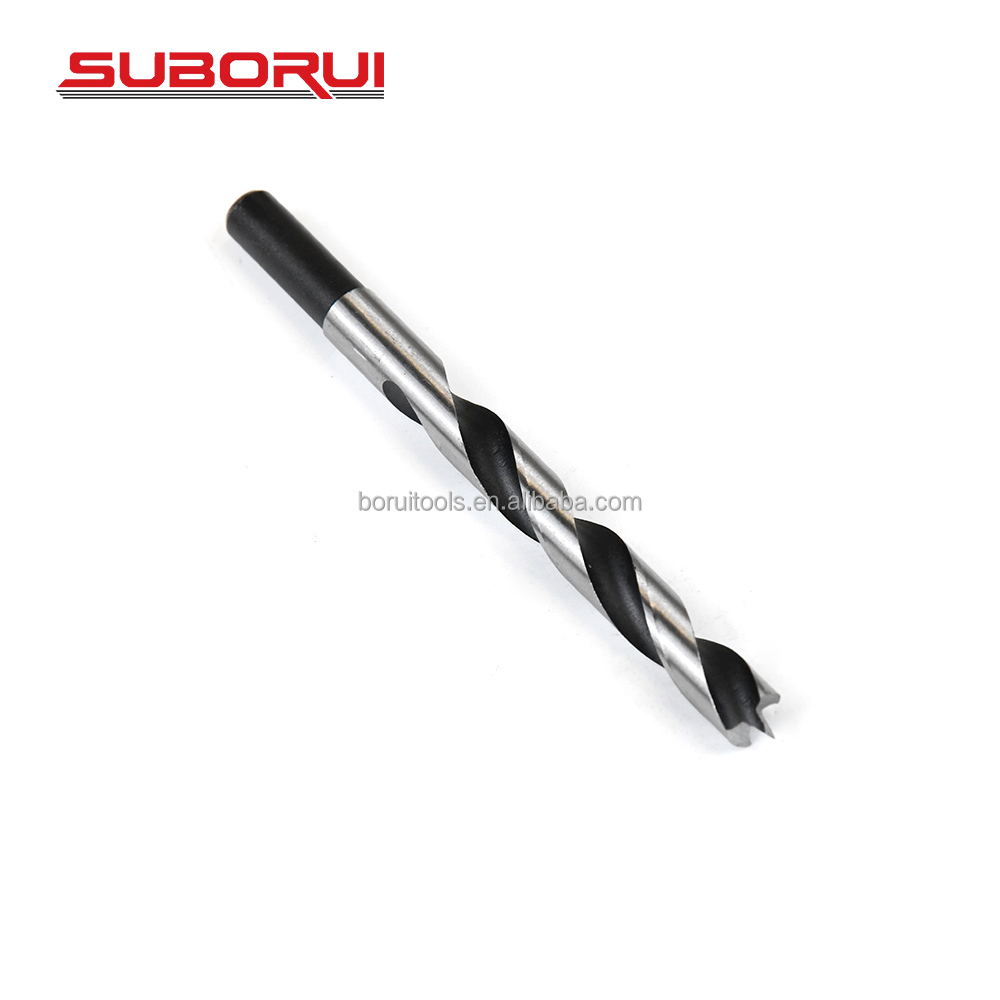
Overcoming Work Hardening in Baltic Marine & Structural Alloys
A rigorous metallurgical analysis of tool wear kinematics, cobalt-doped high-speed steel performance under friction thermal gradients, and proper tool geometry for Tallinn manufacturers.
In Tallinn's specialized industrial ecosystem—spanning maritime overhaul around Kopli peninsula, offshore clean-energy hardware engineering, and advanced rail transit infrastructure—machining austenitic stainless steels (EN 1.4301 / AISI 304, EN 1.4404 / AISI 316L, and 1.4462 Duplex) poses acute cutting dynamics problems. Standard high-speed steel tools (such as HSS 4241 or standard M2) rapidly fail due to intense friction work hardening. Austenitic steels possess high ductile shear strength coupled with low thermal conductivity. When a standard drill edge cuts these alloys, deformation thermal energy concentrates directly at the cutting lips rather than dissipating into the chips. Within seconds, tool contact zones exceed 500°C, causing secondary softening, rapid edge radius rounding, thermal galling, and catastrophic tool seizure.
Our M35 Cobalt (HSSE / HSS-E with 5% Cobalt) and M42 Cobalt (8% Cobalt) alloys counteract this failure mode via solid-solution matrix strengthening. The elemental addition of cobalt raises the recrystallization threshold of the martensitic matrix, permitting red hardness retention at operational temperatures exceeding 600°C–650°C. Even when continuous drilling cycles produce intense localized frictional heating without flood coolant, the cutting edge retains an indentation hardness between 66 and 68 HRC. Furthermore, our precision CNC 5-axis flute grinding achieves a specialized 135° split point (DIN 1412 Form C) geometry. This reduces radial thrust requirements by over 45% compared to conventional 118° points, prevents tool wander on cold-rolled plate surfaces, eliminates the need for center-punching, and shears immediately beneath the work-hardened surface layer.
| Metallurgical Parameter | Standard HSS 4241 | Professional HSS M2 (6542) | Jiangsu WRD M35 Cobalt (5% Co) | Jiangsu WRD M42 Cobalt (8% Co) |
|---|---|---|---|---|
| Chemical Composition | W1-1.5, Mo0.8-1.2, Cr3.8-4.5, V0.8-1.2 | W6, Mo5, Cr4, V2 | W6, Mo5, Cr4, V2, Co4.75-5.25% | W1.5, Mo9.5, Cr3.75, V1.15, Co8.0-8.5% |
| Room Temp Hardness | 60 – 62 HRC | 63 – 65 HRC | 65 – 67 HRC | 67 – 69 HRC |
| Red Hardness Retention (600°C) | Fails (<50 HRC within 30s) | Partial softening (56 HRC) | Stable >62 HRC | Stable >64 HRC |
| Wear Resistance vs 316L Stainless | Baseline (1.0x) | 2.4x tool life | 6.8x tool life | 9.5x tool life |
| Optimal Substrate Target | Unalloyed timber, low-carbon iron | Structural mild steel, aluminum | Hardened steels, 304/316L, titanium | Hardox, Monel, Inconel, bi-metal hole saws |
Beyond metallurgical chemistry, the surface physics of our drilling tools are custom-treated for Northern European conditions. Standard black oxide vapor oxidation produces an adherent iron oxide (Fe3O4) porous layer that retains cutting lubrication inside deep blind holes. For automated CNC mass fabrication, our Titanium Nitride (TiN) and Aluminum Titanium Nitride (AlTiN) vapor deposition coatings decrease friction coefficients to below 0.35 against sticky duplex steels. This drastically suppresses chip sticking (built-up edge formation), stabilizing tool run-out and maximizing spindle utilization rates across Tallinn workshops.
Tallinn Key Industrial Application Matrix
Engineered to resolve real machining bottlenecks encountered by engineering contractors, shipyard refitters, and high-tech manufacturing plants across Northern Estonia.
Baltic Maritime Refitting & BLRT Shipyards
Naval ship maintenance at Port of Tallinn, Paljassaare, and Muuga requires aggressive drilling through high-tensile marine plate, 316L exhaust scrubbers, and seawater-resistant bronze fittings. WRD M35 twist drills hold critical tolerance without work-hardening the borehole rim.
Rail Baltica Transit & Ülemiste Hub Infrastructure
As Tallinn constructs the landmark Ülemiste Passenger Terminal and connects rail arteries toward Pärnu, fabricators handle wear-resistant manganese track sections, structural steel I-beams, and heavy bracket mountings utilizing our M35 Morse taper drills and M42 hole saws.
Offshore Wind Sub-Assemblies & Cleantech Hardware
Estonia’s Gulf of Riga offshore wind commitments demand durable tower internals, cable guide brackets, and nacelle junction enclosures built from weather-resistant alloy sheets. Our M42 bi-metal hole saws punch continuous holes in stainless enclosures without tooth strip-out.
Prefabricated Timber-Steel Hybrid Modular Buildings
Leading Estonian offsite manufacturers (serving Nordic export markets in Sweden and Norway) rely on hybrid boring systems. Our brad point wood drills deliver clean edge perimeter holes in CLT and glulam, immediately followed by cobalt drilling through concealed steel connectors.
Automated HVAC & Switchgear Panel Enclosures
Industrial electrical cabinet assemblers in Jüri and Tänassilma industrial parks utilize ultra-thin hex shank M42 cutters for precision push-button and gland punchouts in powder-coated steel and V4A enclosure walls with minimum burr formation.
Shifting Sourcing Patterns Across Northern European Tool Buyers
How Estonian technical managers are bypassing traditional Nordic intermediary markups through certified direct-from-source tooling partnerships.
Estonia’s open, digital-first economy features high labor productivity and swift adoption of modern manufacturing paradigms. However, procurement directors in Harju County have historically faced inflated tool acquisition costs caused by multi-tiered distribution channels through Scandinavia or Germany. Local hardware dealers often repackage Far-East OEM cutting tools with private European brand labels, tacking on 150% to 300% margins without altering underlying steel substrate physics. With the rapid expansion of Tallinn as an international engineering hub, forward-thinking manufacturing plants are moving directly to verified tier-one factory contracts.
Key procurement shifts currently shaping the Tallinn market include:
1. Disintermediation of Baltic Tool Supply
Engineering departments at major industrial workshops in Maardu and Lasnamäe are establishing factory-direct supply agreements for repeat consumables like jobber drill bits and annular cutters. Eliminating multi-step distributor markups saves 35%–55% on annual drill spend while locking in consistent DIN tolerances.
2. Strict Metallurgical Traceability & Certification
As Estonian suppliers bid on high-compliance aerospace, defense, and maritime contracts throughout the EU, documentation is paramount. Sourcing from manufacturers with verified chemical spectroscopy, third-party Intertek factory audits, and ISO 9001 quality compliance ensures problem-free QA sign-offs.
3. Automated Tool Vending & Standardized Kits
Modern machine shops are integrating RFID tool cribs and automated point-of-use dispensers. To prevent tool breakage downtime, engineering heads demand uniform shank concentricity (<0.02mm) and identical flute grind geometries across multi-thousand piece batch orders.
A Premier Cutting Tool Manufacturer, Not an Export Broker
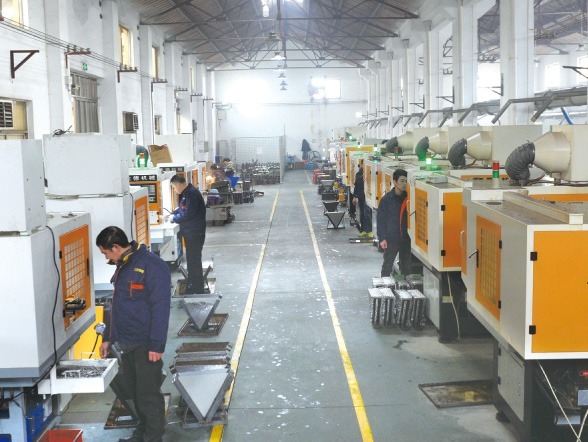
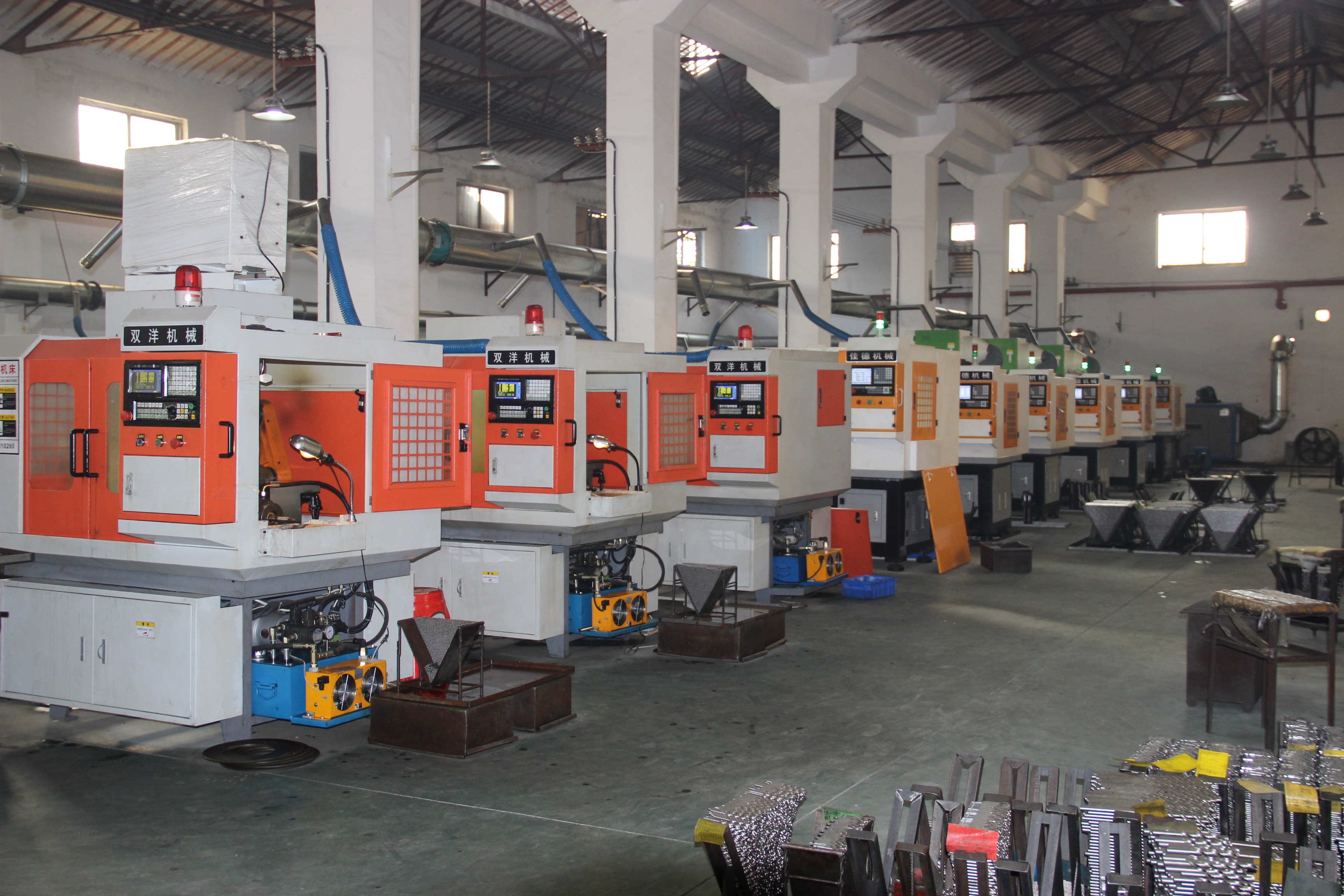
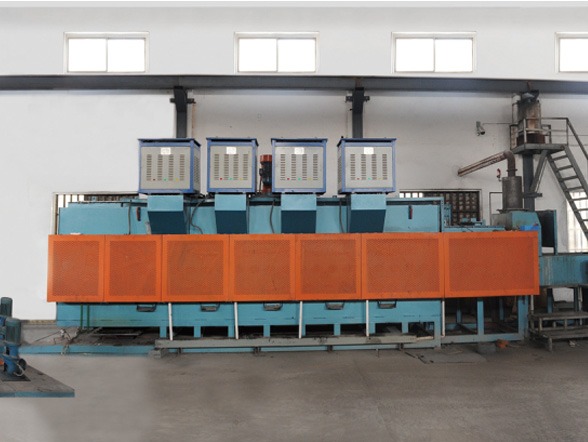
Founded in March 2007 with a registered capital of RMB 10 million, Jiangsu WRD Tools Co., Ltd. operates a specialized 12,000 m² smart production facility in Danyang—the global hub of twist drill bit manufacturing. With over 150 dedicated technicians, automated robotic heat-treatment lines, and CNC flute-grinding centers, we maintain complete control over steel bar processing from raw metallurgical blanking to laser etching.
We produce over 90 million precision drill bits annually (including 50 million wood drills, 25 million metal twist drills, and 15 million impact-rated hex shank drills). Recognized as a prestigious High-Tech Enterprise of Jiangsu Province, our factory lines have passed comprehensive onsite verification by Intertek Group.
Our long-term contract manufacturing serves world-leading tool distributors across Germany, Switzerland, the United States, and Sweden—consistently meeting stringent DIN 338, DIN 340, and DIN 1869 dimensional norms. By partnering with us, Tallinn industrial importers and distributors gain direct access to Tier-1 factory floor capacity.
 Intertek Verified Facility · Onsite Audited
Tallinn Buyer Frequently Asked Questions
Specific technical and logistics answers tailored for Estonian procurement managers, hardware wholesalers, and industrial contractors.
Which cobalt grade is right for our shop: M35 (5% Co) or M42 (8% Co)?
For 85% of general stainless and high-tensile metal operations in Estonia (e.g. standard AISI 304/316 structural beams, piping, and maritime brackets), M35 provides the optimum balance between red hardness and mechanical fracture toughness. M42 features higher hardness (up to 69 HRC) and extreme thermal limits, making it ideal for bi-metal hole saw teeth, Hardox wear plates, Hastelloy, and continuous CNC production lines, but it is more brittle under manual handheld drilling deflection.
Do your tools adhere strictly to European Metric DIN dimensional standards?
Yes. All twist drill bits intended for European distribution are fully ground to DIN 338 (jobber length), DIN 340 (long series), DIN 1897 (stub series), or DIN 345 (Morse taper) with h8 diameter tolerance tolerances. Our machine taps conform to DIN 371 / DIN 376 with ISO 2 (6H) thread tolerance limits.
What logistics routes and lead times apply for shipments to Tallinn / Muuga Harbour?
Standard sea freight routes depart Shanghai or Ningbo directly to Muuga Port (Tallinn) with transit times typically ranging between 32 and 40 days. For urgent engineering project requirements along the Rail Baltica corridor, multimodal air-freight direct to Lennart Meri Tallinn Airport (TLL) delivers sample batches or emergency consignments within 5 to 7 business days.
Can we order custom OEM laser etching and private-label packaging for the Baltic market?
Yes. We provide comprehensive OEM/ODM private labeling. We laser-etch your company brand, specific DIN specs, and fractional/metric sizing directly onto drill shanks. Packaging options include customized industrial bulk boxes, metal cassette cases, Rose plastic tubes, and multi-language retail blister cards (Estonian, Latvian, Lithuanian, English, Finnish).
What Minimum Order Quantities (MOQ) apply for direct export to Estonia?
For standard metric M35 drill bits in bulk stock sizing, MOQs begin at 100 to 500 pieces per diameter. For customized private-label drill bit cases or curated M42 hole saw sets, MOQs generally start around 1,000 to 1,200 sets depending on case molding and graphic customization requirements.
How do your cobalt bits hold up in sub-zero Baltic winter conditions?
External construction and unheated shipyard repair in Tallinn during sub-zero months can induce micro-embrittlement in low-grade carbon steels. WRD M35 bits undergo multi-cycle computer-controlled tempering, maintaining core ductility under thermal shock and severe mechanical vibration when cutting frozen structural steel members.
How is batch-to-batch metallurgical quality verified prior to export?
Every coil and bar of raw high-speed steel undergoes incoming optical emission spectrometry to verify elemental tungsten, molybdenum, vanadium, and cobalt ratios. Finished drill lots are subjected to hardness testing (HRC verification), laser run-out checks, and real-world drilling cycle tests into 316 stainless test bars before packaging approval.
Can we obtain third-party audit reports for Estonian corporate compliance?
Yes. Our Intertek onsite audit reports, business credit ratings, and High-Tech Enterprise credentials are fully available upon request. These documents allow Estonian procurement teams to swiftly complete internal supplier onboarding and regulatory audits.
Establish a Direct Factory Partnership for Tallinn
Eliminate unnecessary distributor margins, stabilize your cutting tool performance, and receive custom tooling quotes tailored to your production bill of materials within 24 business hours.
Get a Quote