1. Advanced Metallurgy & Spur Geometry for Industrial Spade Bits
In high-throughput construction and carpentry environments, the standard spade drill bit (paddle bit) encounters severe torsional stress and thermal loading. Traditional carbon steel spade bits fail prematurely due to micro-chipping at the spurs and catastrophic shank shearing when transitioning across dense growth rings or treated timber nodes. Our production facility in Danyang, Jiangsu, utilizes specialized High Carbon Alloy Steel (65Mn) and Premium High-Speed Steel (HSS M2) matrices to balance ductile impact absorption with Rockwell hardness thresholds up to HRC 58–62.
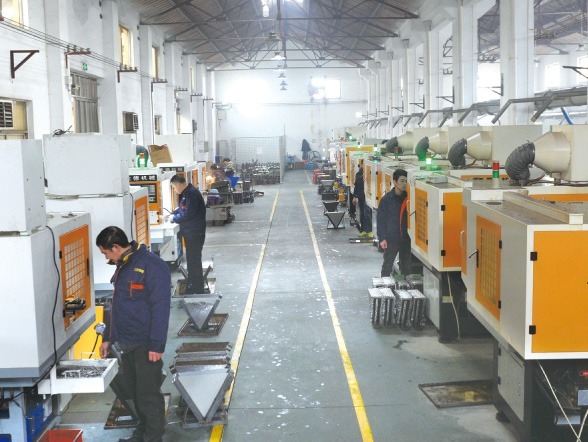
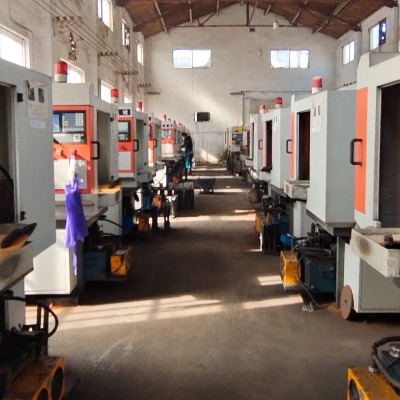
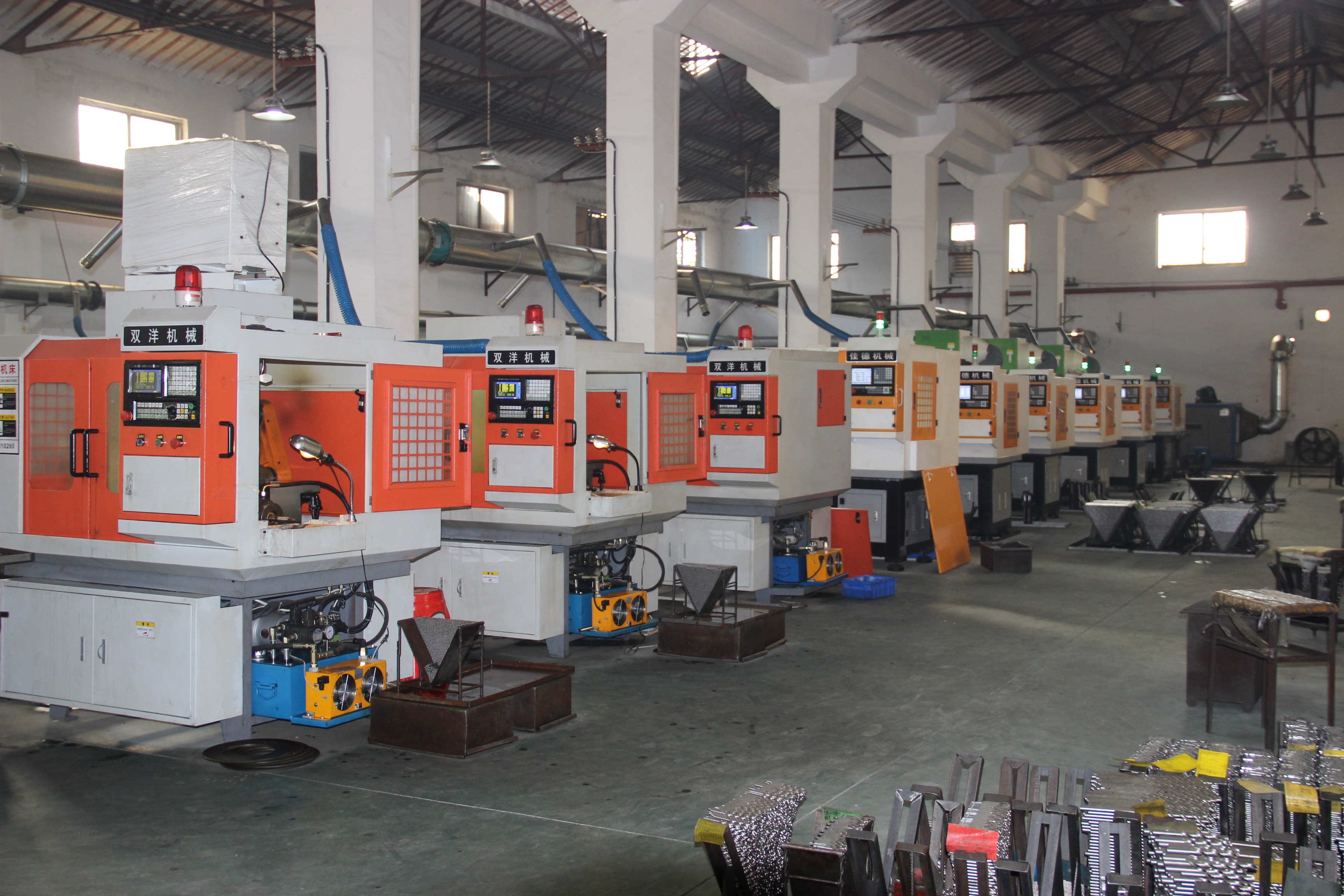
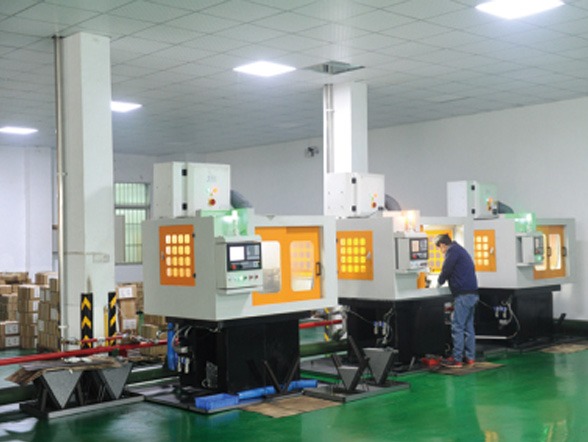
A primary factor contributing to drill efficiency is the tri-point cutting head profile. Our CNC continuous-grinding platforms impart a razor-sharp center spur engineered with self-centering geometry, effectively eliminating bit walking on un-piloted surfaces. Flanking cutting spurs score the outer diameter of the hole fractions of a millisecond prior to the main wing chisel engaging the grain. This sequential cutting motion ensures clean, tear-free breakthrough apertures—critical for structural timber frame penetrations complying with strict framing specifications.
To resist torsional deformation during high-torque impact driving, each shank undergoes precision induction hardening along its critical neck zone. The transitional radius between the cutting blade and the 1/4-inch hex shank (compliant with DIN 3126-E6.3 / ISO 1173) is machine-burnished to eliminate microscopic notch stress risers. This metallurgical design allows builders to exert up to 45% greater axial downforce without risking blade fracture.