Surface Prep
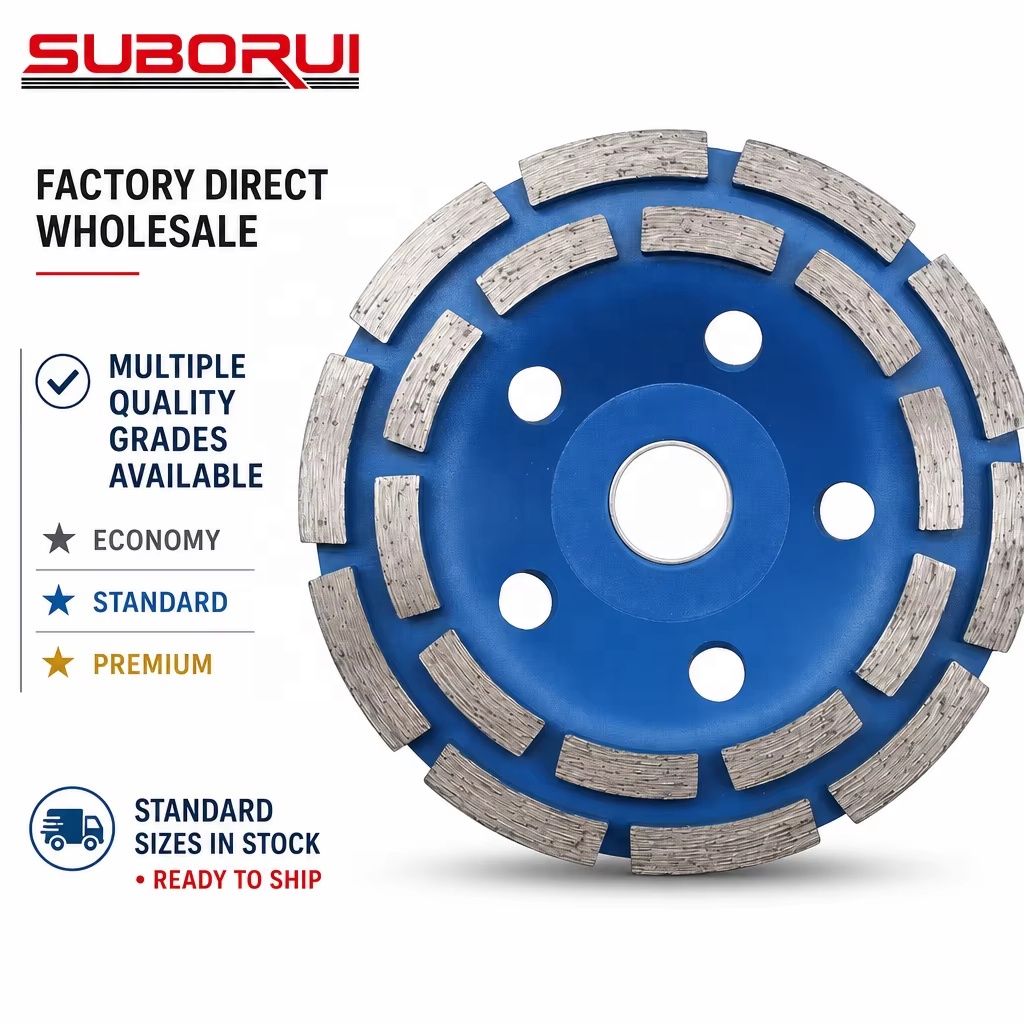
SUBORUI Double Row Segments Diamond Grinding Disc Cup Wheel for Concrete Masonry Stone
Masonry Surface Levelling
Get Catalog
Engineered specifically to solve brittle micro-fracturing, thermal cracking, and tool deflection during deep-core drilling across dense porcelain, vitrified ceramic, tempered glass, and reinforced sub-bases in Ottawa's structural installations.
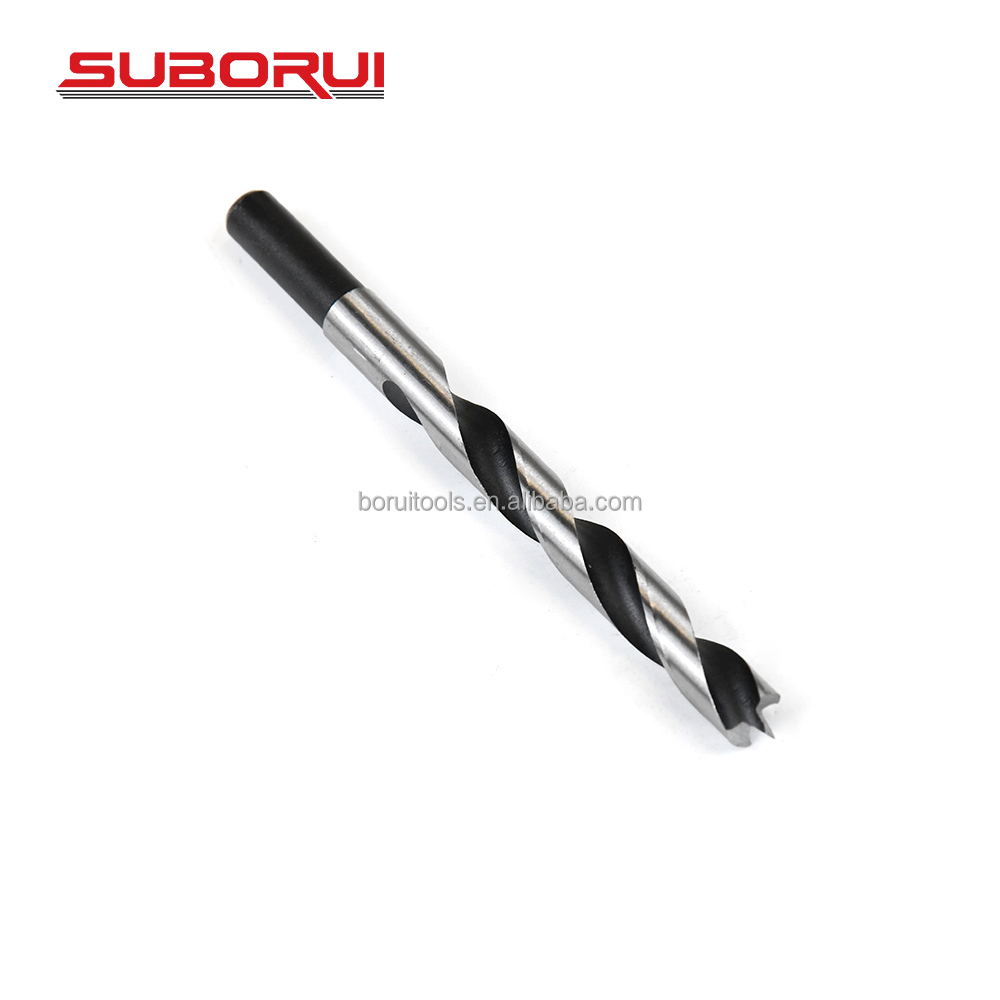
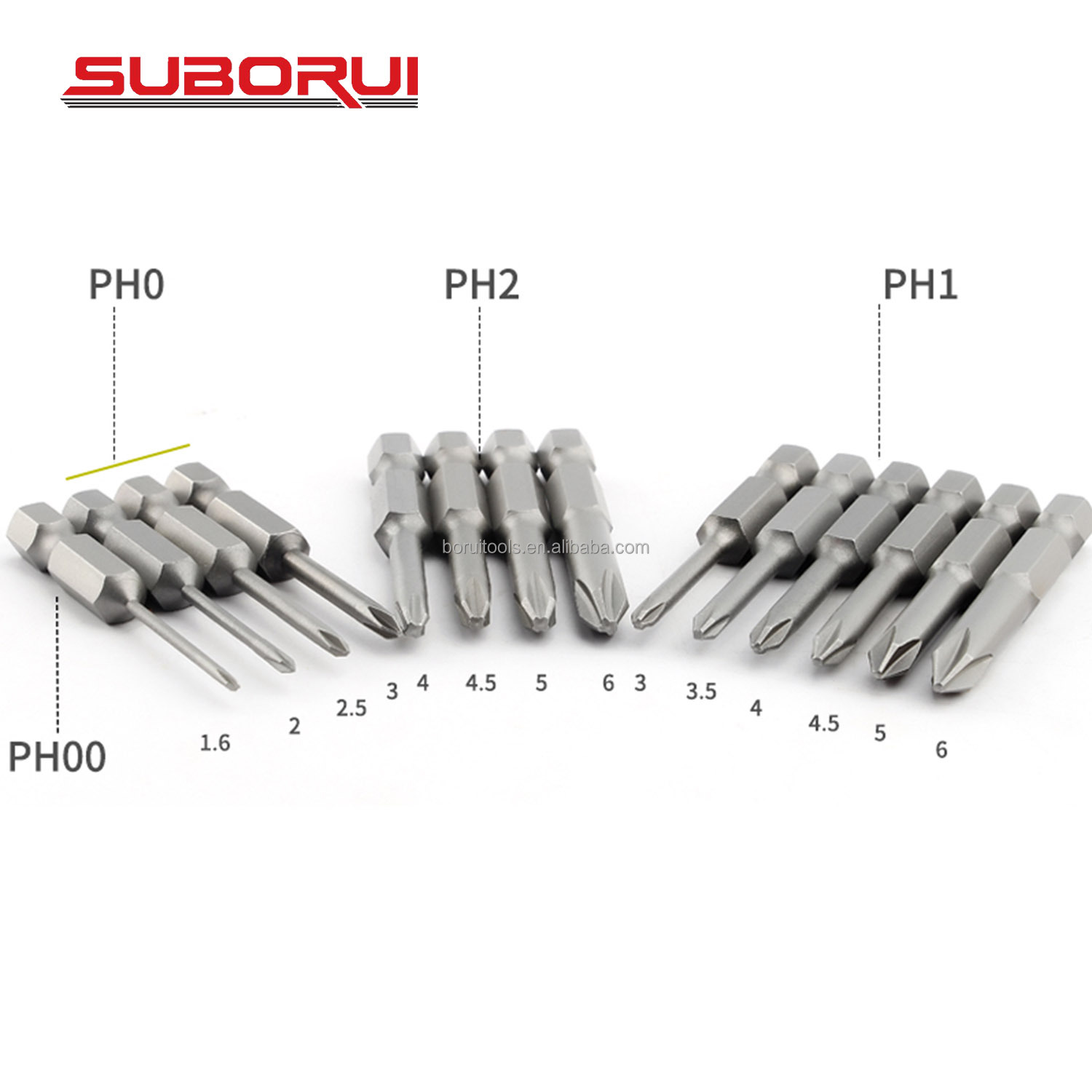
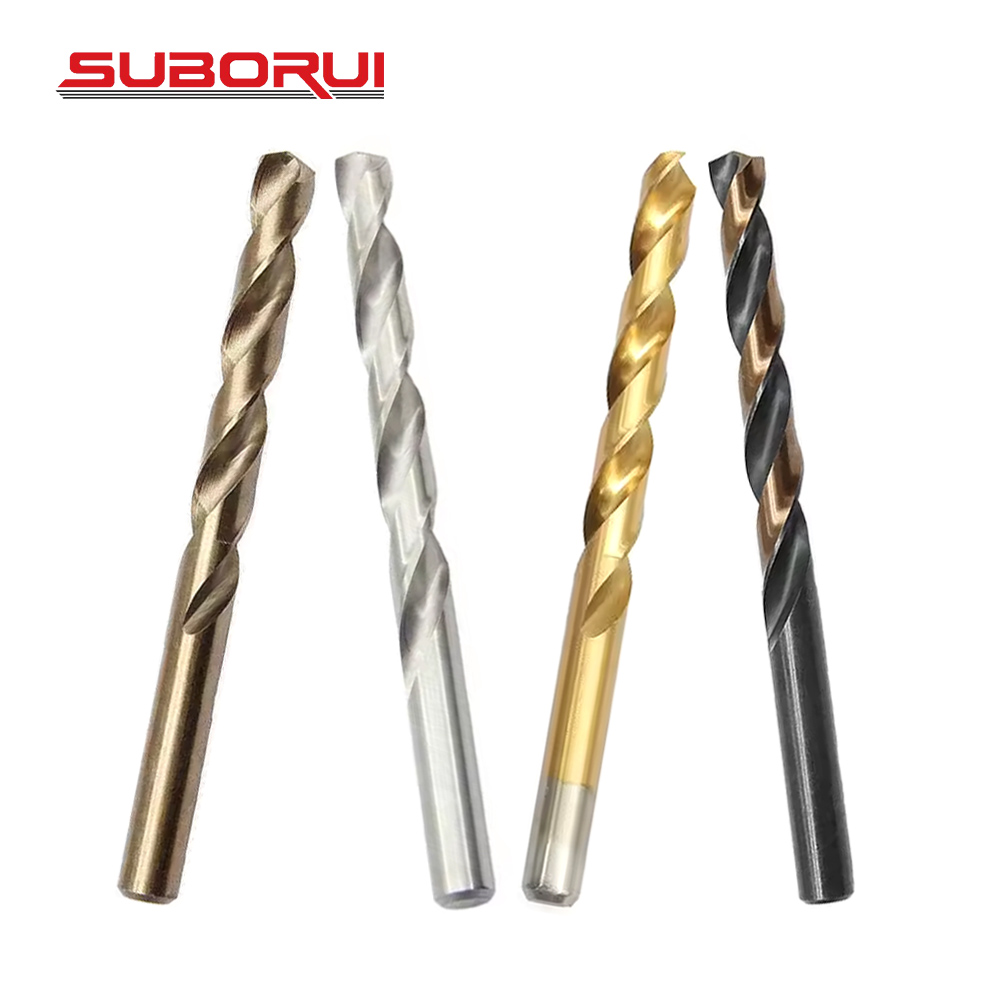
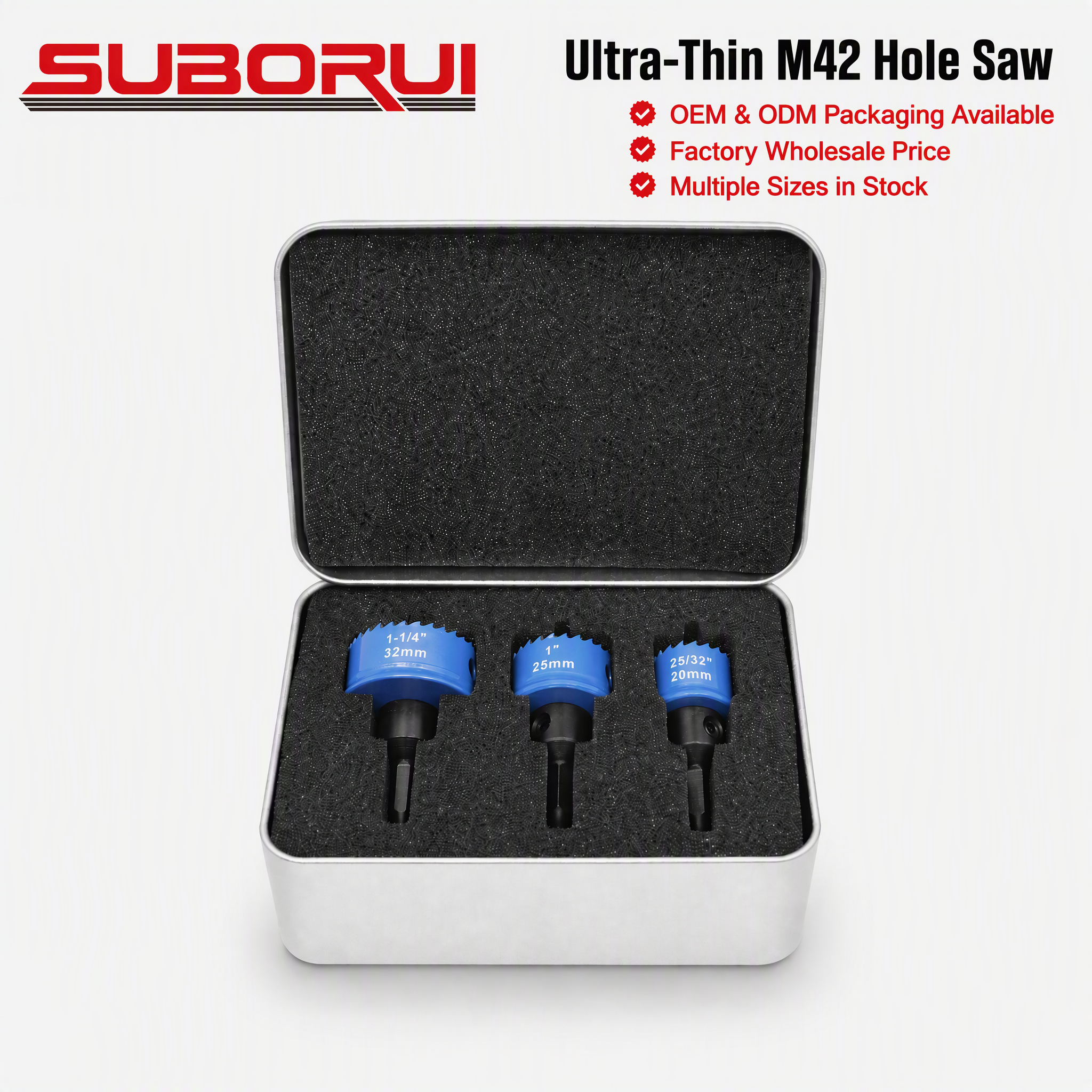
An analytical guide for Ottawa plumbing trades, envelope engineers, and architectural tile contractors dealing with Mohs hardness 8+ architectural claddings.
In modern Canadian commercial construction, particularly across the National Capital Region (Ottawa-Gatineau), architectural specifications heavily prioritize sintered ultra-compact stone surfaces (such as Dekton, Neolith) and high-density, low-porosity porcelain floor claddings (water absorption rates < 0.1%). These vitrified bodies possess extreme hardness ratings ranging from Mohs 7 to Mohs 9. Traditional tungsten carbide spear bits typically fail due to two specific stress failure points: thermal fatigue failure caused by excessive frictional heat dissipation during dry operational cycles, and mechanical shear fracture resulting from improper centering run-out.
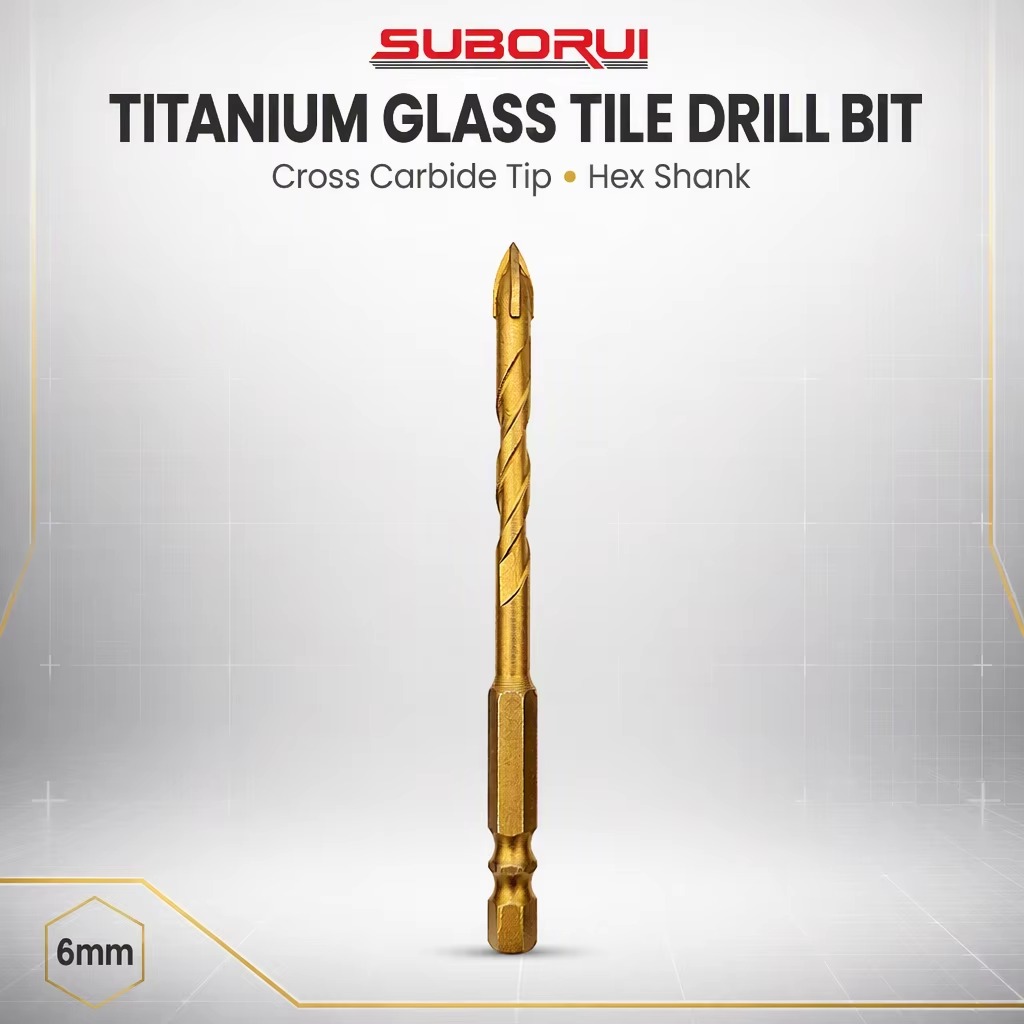
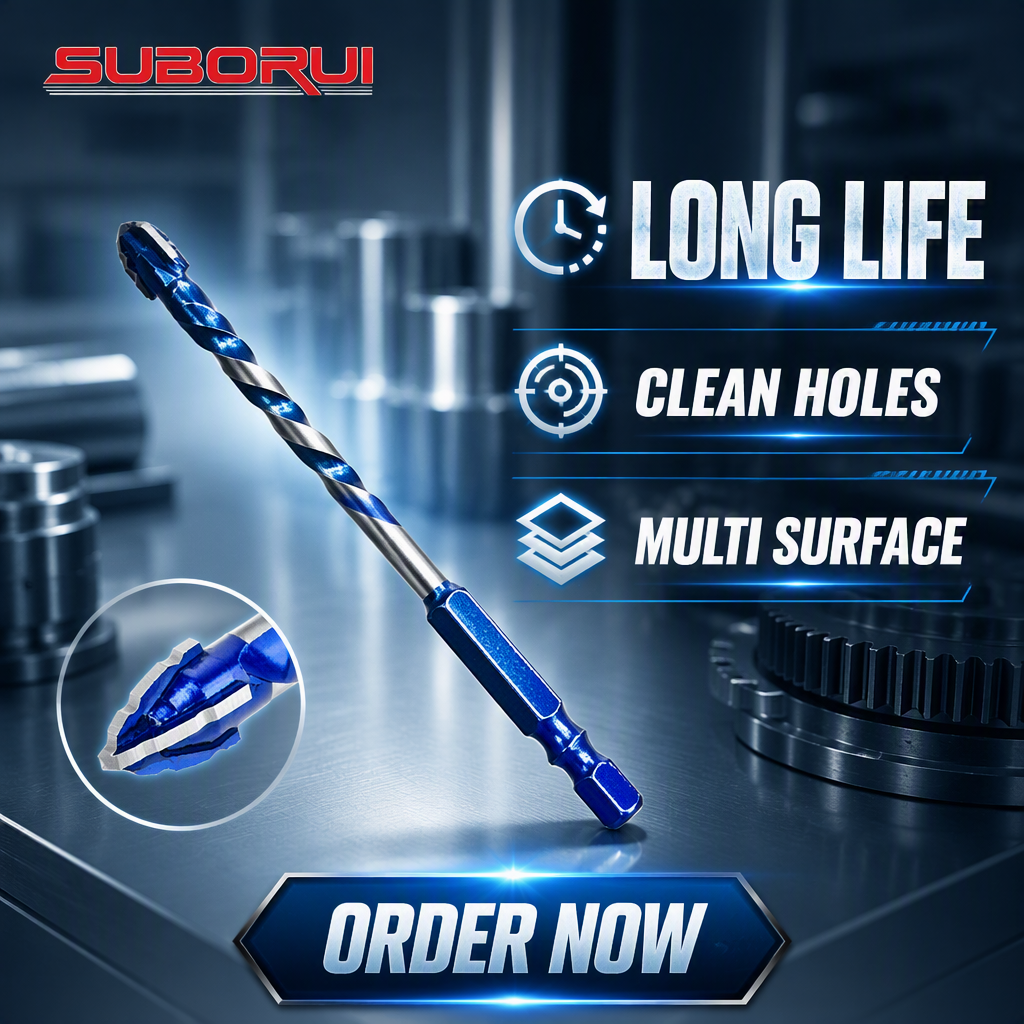
Jiangsu WRD Tools Co., Ltd. counteracts these mechanical pitfalls by utilizing specialized metallurgical matrices. Our Titanium Cross-Carbide series utilizes ultra-fine micrograin YG6X/YG8 carbide inserts welded with high-frequency silver-copper brazing techniques. The cross-head geometry features four discrete cutting facets ground at alternating relief angles. This distribution effectively reduces the cutting thrust requirement by 38% compared to conventional spade configurations, ensuring that initial fracture propagation does not exceed the perimeter of the designated hole diameter.
Industrial diamond grits fused at >1080°C in controlled vacuum furnaces, preventing thermal strip-off even during intense dry friction drilling against high-density sintered slabs.
Sintered tungsten carbide specifically chosen for high compressive shock tolerance, preventing point micro-chipping when penetrating through glaze surfaces into structural backing.
Precision 1/4" (6.35mm) quick-change hex shanks ground to DIN 3126-E6.3 specifications, eliminating chuck slippage in brushless drills under high initial torque load.
Ottawa job sites regularly demand high tool lifespan when executing rough-in drilling for electrical junction conduits, luxury shower fixtures, and exterior building veneer fastenings. The following technical matrix highlights standard operating performance across comparative materials:
| Bit Configuration | Target Material Substrate | Recommended RPM | Cooling Method | Average Lifespan (Holes) |
|---|---|---|---|---|
| Cross Carbide Tip (Titanium) | Glazed Ceramic, Glass, Soft Marble | 400 – 750 RPM | Water mist or Dry intermittent | 45 – 70 |
| Vacuum Brazed Diamond Core | Porcelain Slab (Mohs 8), Dekton, Granite | 1,800 – 3,200 RPM | Wax core integrated or Water | 60 – 120 |
| M35 Cobalt Twist Sub-assembly | Stainless Steel Latches behind backer board | 800 – 1,200 RPM | Cutting oil or dry short bursts | 150+ |
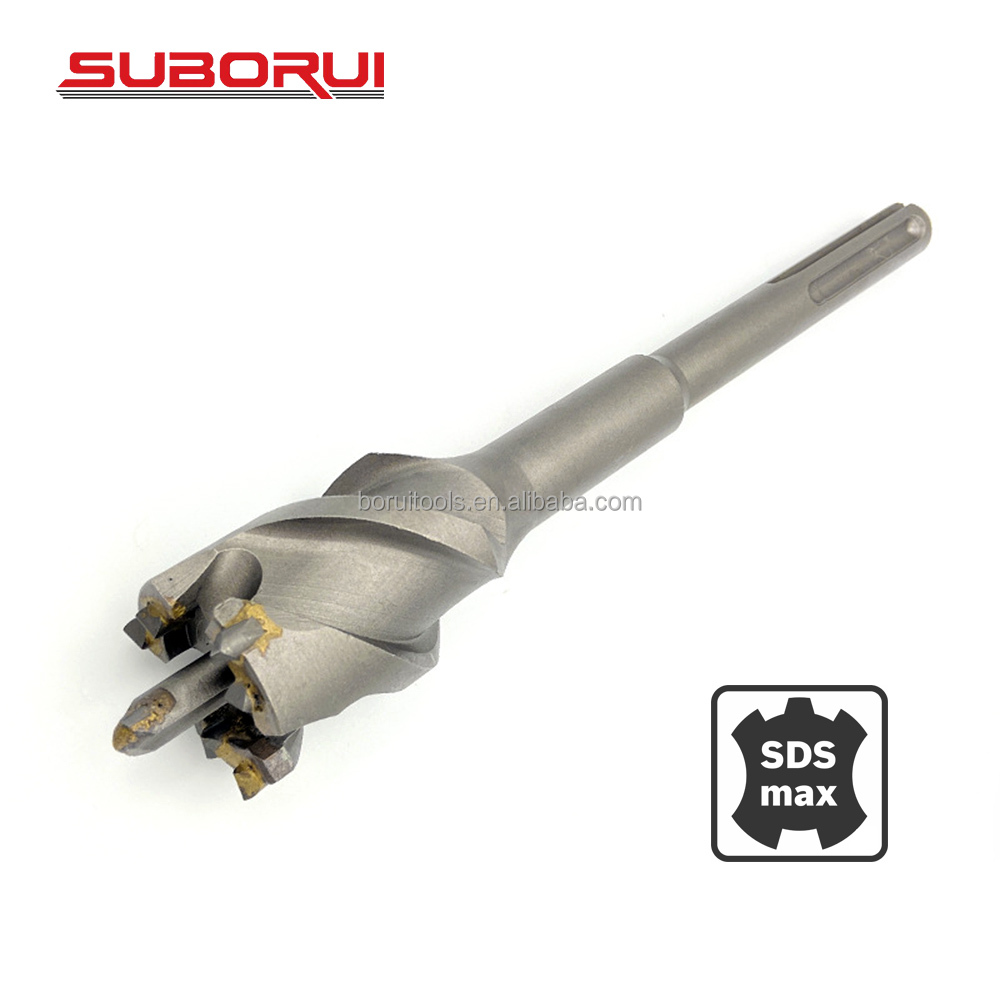
| SDS Max Multi-Cutter Hollow Saw | Concrete Foundation with embedded brick | 350 – 550 RPM | Continuous air exhaust | 300+ linear cm |
From sub-zero temperature winter remodeling in Kanata to massive commercial transit expansions along the Confederation Line, drilling demands exceptional resistance to thermal variance.
Preservation retrofits across downtown Ottawa require vibration-controlled drilling through dense Nepean sandstone, century-old terracotta blocks, and lime mortar backings without cracking historic faces.
LRT Stage 2 extensions demand heavy-duty anchoring through high-impact tempered glass balustrades, vitreous enamel wall panels, and structural concrete columns in public transport hubs.
Ottawa’s winter temperatures (frequently dropping below -20°C) create severe brittleness in stored porcelain tiles. Our cross-carbide geometry minimizes impact shock, completely mitigating thermal shock crack lines.
High-end residential builds across Kanata, Nepean, and Orleans specify large-format porcelain slabs (1200x2400mm) for bathrooms and radiant floors, calling for tear-free hole saws for plumbing rough-ins.
Canadian indoor environmental air quality standards increasingly limit wet slurry run-off during occupied indoor renovations. Contractors favor dry wax-cooled diamond bits that eliminate the need for water reservoirs on site.
Ottawa trades strongly prefer multifunction cross-tip bits capable of piercing through 10mm vitreous tile and directly penetrating the wooden or concrete studs behind without changing tooling setups.
Regional distributor margins across Ontario face inflationary pressure. Tool supply houses in Ottawa, Gatineau, and Montreal are transitioning direct to Tier-1 ISO/Intertek-certified factories to secure volume pricing.
Established in March 2007 with RMB 10M registered capital, we operate a 12,000 m² automated production facility in Danbei Town, Danyang—China’s global manufacturing epicenter for drilling accessories.
Recognized as an official High-Tech Enterprise of Jiangsu Province since 2019, our in-house metallurgical laboratory and automated CNC flute grinding machines produce tooling holding strictly to DIN standards.
Complete traceability and international standards compliance. Our factory premises, production lines, and QA/QC procedures are systematically audited and certified onsite by the Intertek Group.
Over 19 years of verified production expertise supplying precision cutting bits to global industry benchmarks such as BOSCH, Milwaukee, DeWalt, Irwin, Makita, Dexter, KWB, Wolfcraft, Truper, and Heller.
Clear, expert engineering answers to assist hardware purchasing directors, commercial jobsite managers, and retail procurement teams.
Our cross-carbide bits utilize a multi-facet ground centering point that eliminates walking and mechanical hammer shock. In cold Ottawa environments, we recommend drilling between 400 and 700 RPM without rotary hammer action. The localized cutting edge creates micro-shaving rather than chipping, protecting cold-brittle tiles from radial tension cracking.
For custom blister cards with French/English bilingual packaging (compliant with Canadian Consumer Packaging and Labelling Act regulations), our typical MOQ is 1,200 sets. For standard bulk packaged bits or plain hang-tags, MOQs begin at 100 to 500 units per specification size.
Both should be in stock: Cross-tip carbide bits (6mm to 12mm) are best for high-frequency plumbing installs, wall anchors, and mirror mounts through ceramic, slate, and medium-density tile. For ultra-dense porcelain (grade 4 & 5), quartz counters, or Dekton slabs, vacuum brazed diamond hole saws are essential to avoid carbide premature burn-out.
We work directly with reliable freight forwarding partners offering CIF to Port of Montreal or DDP directly to your distribution center in Ottawa, Gatineau, or the Greater Toronto Area. All commercial invoices, harmonized tariff codes (HS Codes), and packing certificates are verified for seamless Canada Border Services Agency (CBSA) clearance.
Yes. Our Hex Shank Multifunction Cross Carbide bits are dual-brazed to penetrate ceramic and tile glazes, seamlessly transitioning into cement backer boards (Durock/HardieBacker), softwood subflooring, or drywall metal framing studs without bit changes or binding.
Every manufacturing step is executed in-house at our Danyang plant: automated bar turning, salt-bath induction brazing, 5-axis CNC grinding, and surface coating (Titanium, Black Oxide, or Sandblasted). Samples from every 1,000 pieces undergo Rockwell C hardness testing and destructive destruction test cycles.