Precision Cutting Tools Engineered for High-Tensile Marine & Industrial Alloys
Direct OEM/ODM industrial tool supply calibrated for DIN/ISO tolerances, ship hull penetrations, electrical stainless enclosures, and structural metalwork.
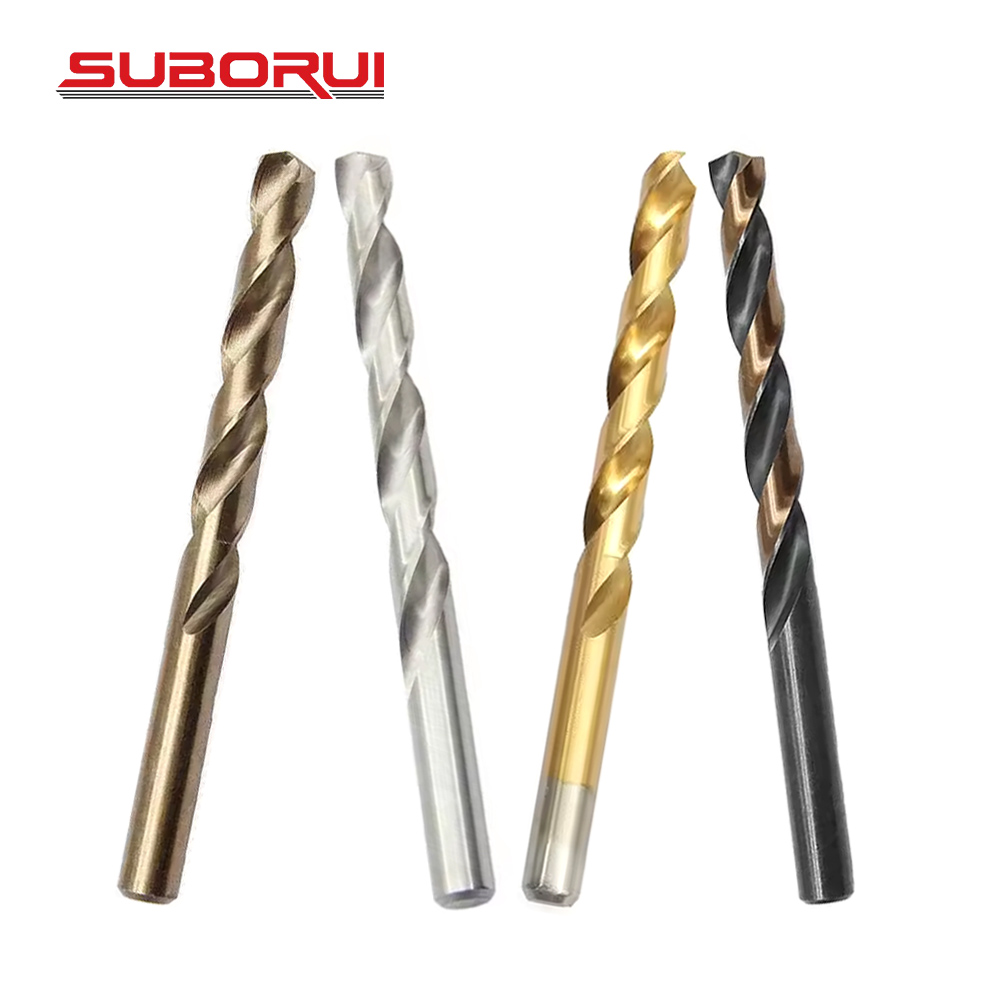
SUBORUI China Manufacturer D338 Imperial Hss Co Twist M35 Steel Metal Cobalt Drill Bit for Metal Stainless Steel
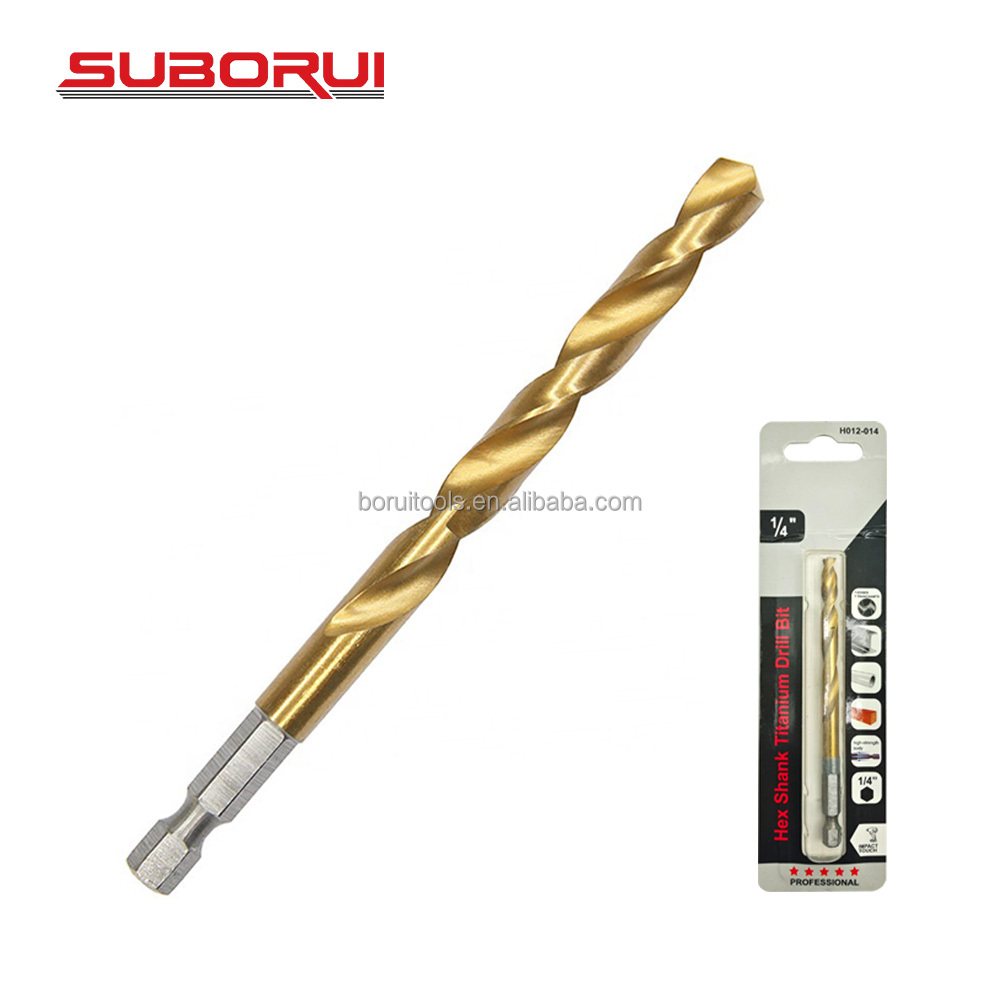
SUBORUI 1/4 Inch HSS Fully Ground Titanium Coated Metal Hex Shank Twist Drill Bit ISO Certified Customizable OEM
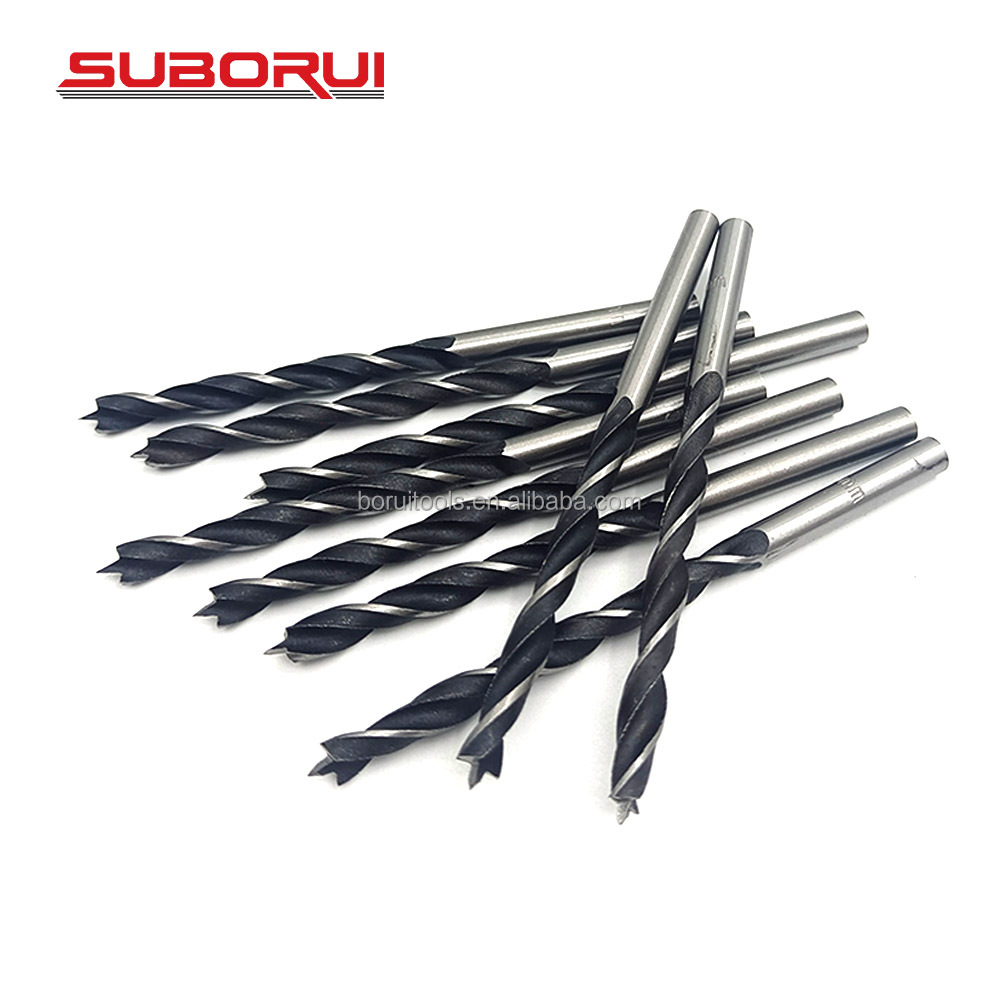
SUBORUI Tool High Carbon Steel Brad Point Wood Drill Bit for Wood Precision Hole Drilling
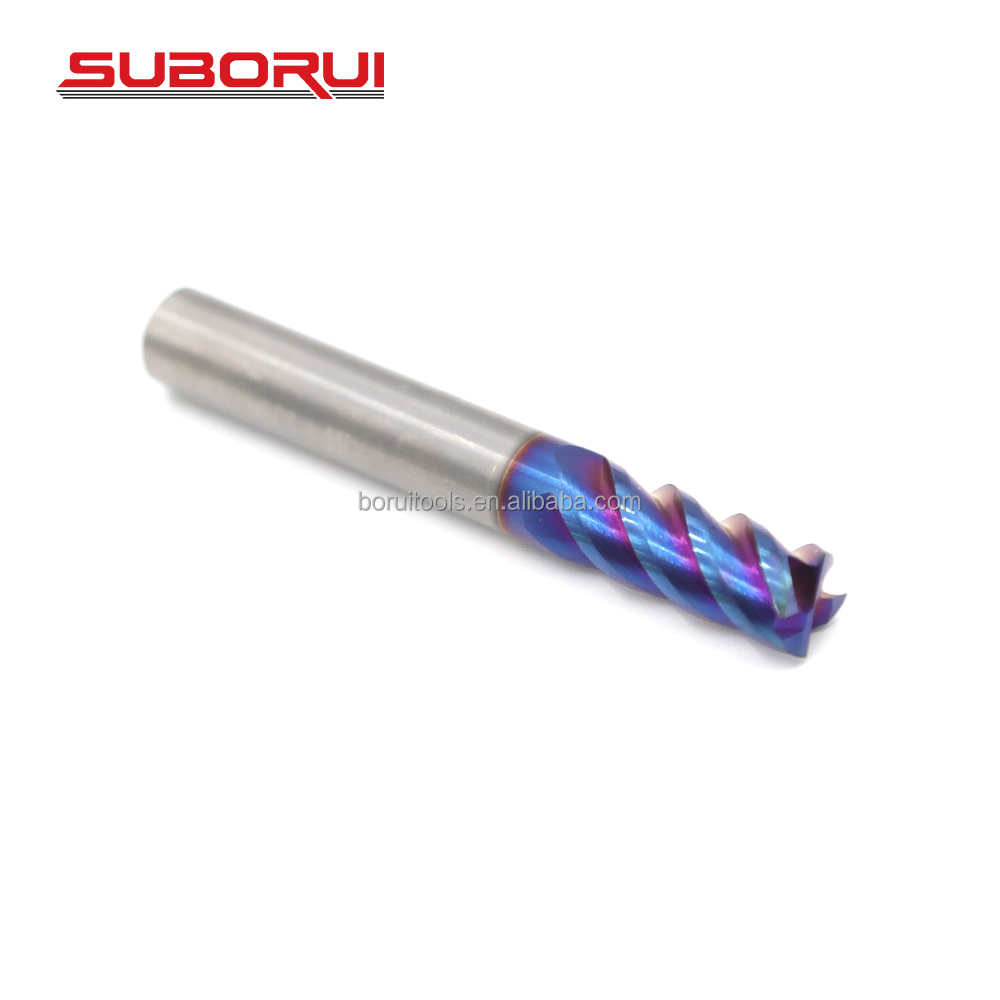
SUBORUI 4 Flute CNC 8X20X60L 4T HRC65 Solid Carbide End Mill Cutter for CNC Milling Cutter Stainless Steel
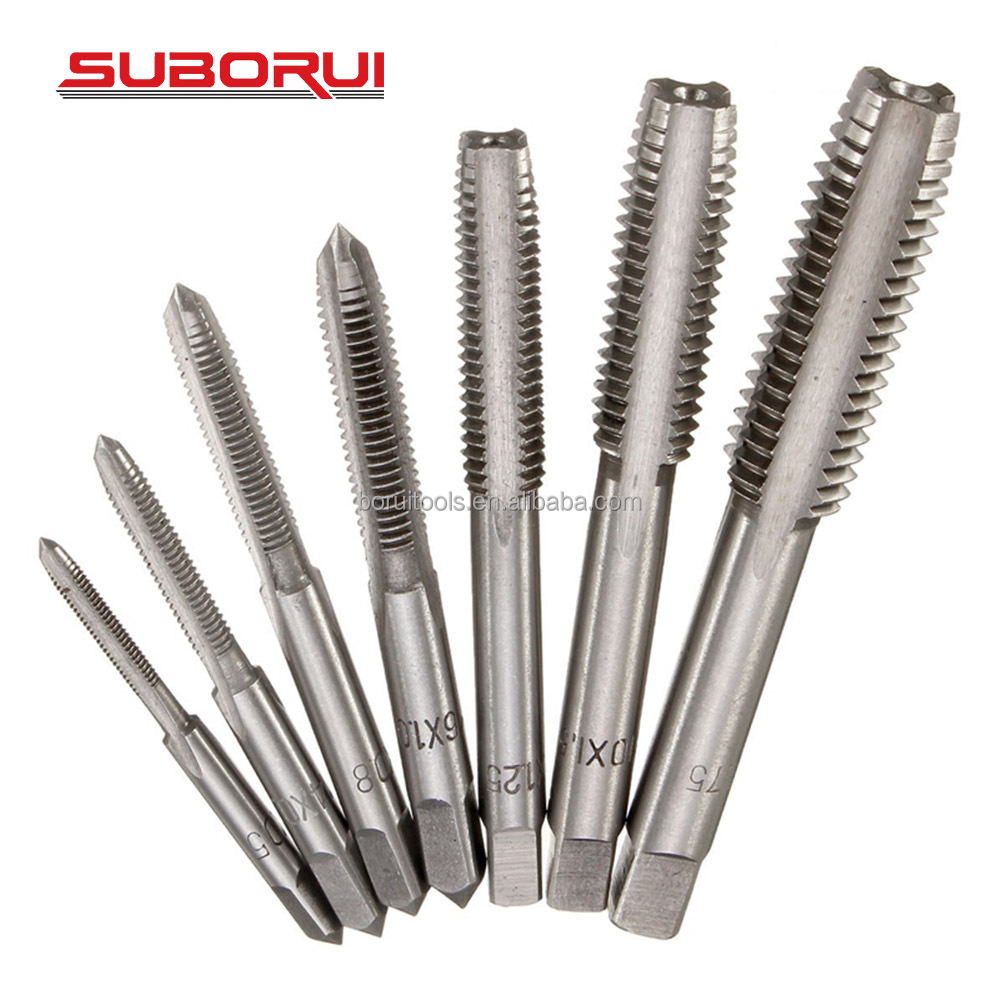
SUBORUI Right Hand M2 M2.5 M3 M4 M5 M6 M8 M10 HSS Metric DIN352 Straight Flute Screw Threading Taps Drill Set for Machine Metal

SUBORUI 4inch 100mm 115mm Green Jade Glass Cutter Thin Diamond Marble Saw Blade Ceramic Tile Glass Cutting Disk Disc for Glass
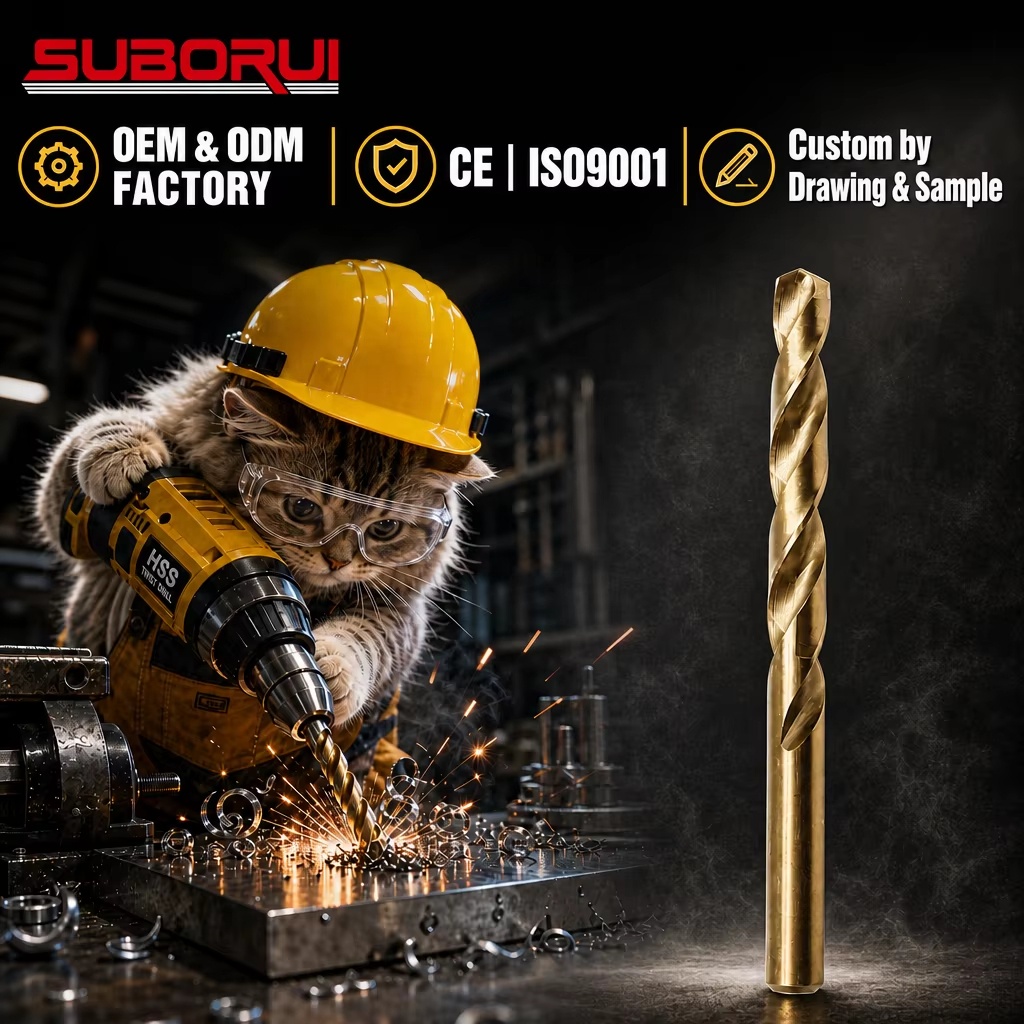
SUBORUI DIN338 135 Degree Split Point M35 Cobalt HSS Drills CNC Spiral Twist Drill Bit for Stainless Steel 304
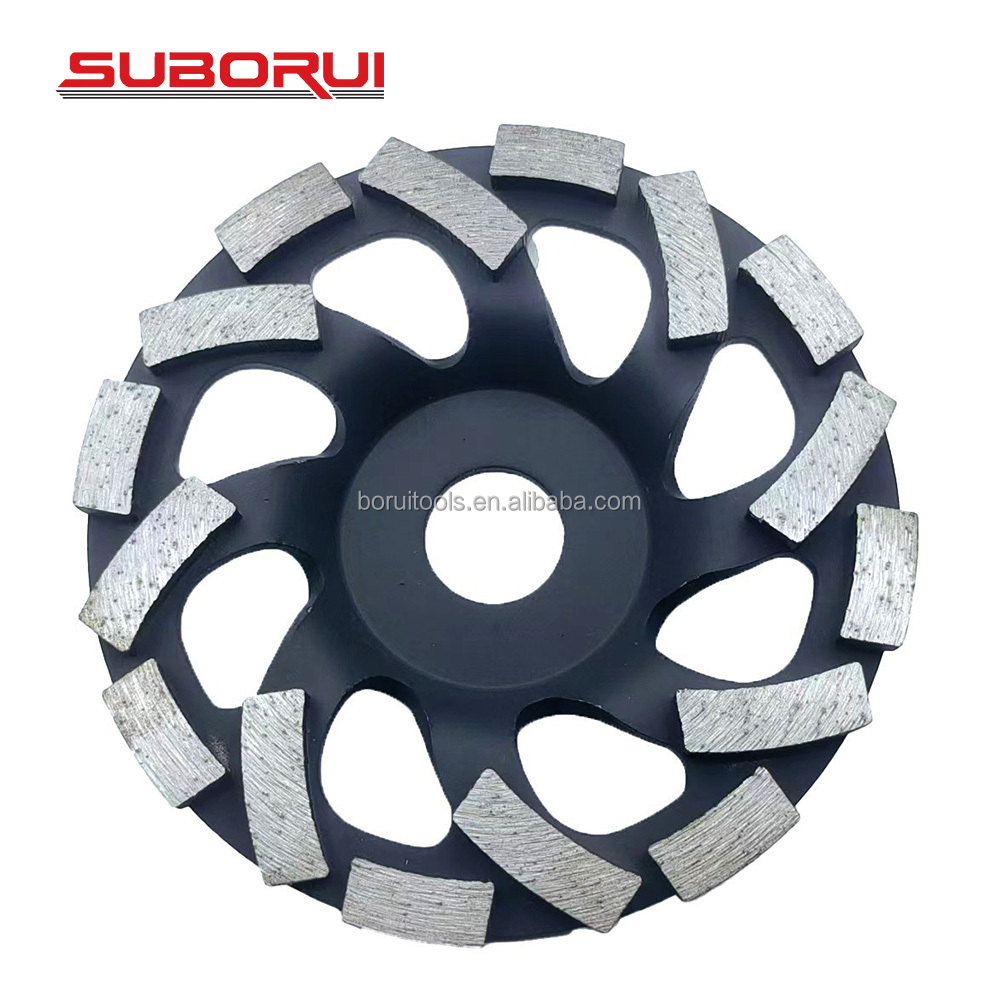
SUBORUI Factory Direct Supply 125mm Fine Abrasive Segmented Cup Diamond Grinding Disc Ceramic Grinding Wheel for Granite Marble
1. Kinematic Mechanics: Why Thin-Wall Core Hole Cutters Outperform Twist Drills in Sheet Metal
In industrial fabrication, penetrating sheet metal, tubular profiles, and electrical enclosures presents unique metallurgical and torsional challenges. Conventional twist drill bits remove the entirety of the hole's volumetric mass into chips. When working on thin-gauge materials (ranging from 0.8 mm up to 4.5 mm), this process generates extreme radial deflection, significant burr formation on the blind exit side, and severe heat concentration that alters the metallurgical properties of heat-sensitive alloys such as AISI 304, AISI 316L, and structural grades like S275JR.
Thin-wall holesaws, also recognized by precision toolmakers as annular sheet-metal cutters, redefine cutting kinematics through peripheral kerf evacuation. By engaging only a narrow annular track (typically between 1.2 mm and 2.0 mm kerf width), cutting resistance and spindle torque demand drop by upwards of 64% compared to solid spiral drill bits. This delivers substantial technological advantages:
64% Lower Spindle Torsional Load
The minimal kerf area requires significantly lower torque, prolonging the battery duty cycle of cordless field tools and eliminating motor stalling on magnetic drilling rigs.
Rapid Thermal Dispersion
Reduced friction minimizes work-hardening in austenitic stainless steels (304/316). Optimized gullet flutes continuously expel micro-swarf, preventing chip packing.
Burr-Free Exit Geometry
Precision stepped pilot pins and alternating tooth bevels score the circumference prior to final breakthrough, virtually eradicating exit burrs and secondary deburring costs.
For industrial procurement teams serving the Bulgarian industrial hub around Varna, selecting the correct metallurgical grade (M35 Cobalt, M42 Bi-Metal, or micro-grain Tungsten Carbide Tipped) directly dictates tool life, tool change frequency, and total processing cost per hole on production lines.
2. Localized Industrial Scenarios: Varna's Maritime, Chemical, and Construction Sectors
Varna serves as Bulgaria's maritime gateway to the Black Sea and a core nexus of Southeastern Europe's industrial logistics. The city and its surrounding industrial basin—encompassing Devnya, Beloslav, and the Port of Varna complex—host demanding operational environments where precision cutting tools are consumed across round-the-clock shift rotations.
Key Consumption Sectors in the Varna Industrial Cluster:
Ship Repair & Marine Outfit (Odessos & MTG Dolphin)
Shipbuilding and overhaul facilities along the Varna Lake require high-durability hole saws for cable routing, ballast monitoring sensors, piping runs through bulkheads, and 316L marine-grade stainless hardware installations.
Devnya Chemical & Heavy Process Valley
Located immediately west of Varna, Devnya's soda ash, fertilizer, and petrochemical infrastructure demands spark-resistant, chatter-free TCT thin-wall cutters for on-site pipe retrofits, instrumentation enclosures, and corrosive atmosphere repairs.
Industrial Electrical Enclosures & Switchgear
OEM cabinet builders and electrical contracting firms in Varna Oblast rely on calibrated metric knockout holesaws (16 mm, 20 mm, 25 mm, 32 mm, 40 mm, 50 mm, 63 mm) to cleanly penetrate powder-coated and stainless steel Rittal-style cabinets.
Because maritime humidity and salinity cause accelerated tool oxidation during dockside storage, our factory implements proprietary rust-inhibiting amber and black oxide chemical conversion treatments, paired with oil-sealed micro-packaging ensuring factory-fresh cutting tooth edges upon opening in Black Sea dockyards.
3. Emerging Procurement Trends Across the Varna & Dobrich Industrial Corridor
Data gathered from industrial supply distributors in Varna highlights several macro procurement transformations impacting consumable metal-cutting tooling:
1. Accelerated Shift toward Duplex & 316Ti Alloys in Port Handling: Bulk cargo terminal expansions at Varna West and private grain/mineral shipping terminals have increased the use of abrasive, high-strength structural steels. Standard bi-metal hole saws made from low-grade HSS teeth fail rapidly in these settings. Engineering managers now stipulate cobalt-enriched M42 (8% Co) matrix teeth or carbide-tipped geometries capable of maintaining red hardness up to 650°C.
2. Consolidation of OEM Private-Label Sourcing: Rather than paying premium brand markups for European tool labels whose underlying products originate from Asia, regional Bulgarian hardware wholesalers and cooperative procurement chains are engaging in direct factory OEM partnerships. By specifying customized laser-etched branding, localized EAN barcodes, and Bulgarian-language packaging, regional distributors achieve gross margin improvements exceeding 35%.
3. Strict Alignment with EU Machinery & Safety Standards: Following tightening EU occupational safety rules in Bulgarian manufacturing facilities, tool buyers mandate strict concentricity tolerances (total run-out < 0.08 mm) and anti-shatter backplates. WRD Tools employs automated laser welding that joins the high-speed alloy cutting crown to a ductile spring steel body, preventing catastrophic tool body fractures under torsional shock loads.
4. Engineering Benchmark: Metallurgical Performance & Material Selection Guide
Choosing the correct hole saw configuration ensures maximum tool utilization and minimizes the cost-per-penetration. Below is an engineering evaluation comparing the three primary cutting matrix technologies manufactured at our Danyang plant:
| Matrix Technology | Tooth Metallurgy | Cutting Hardness | Optimal Materials (Varna Focus) | Recommended Surface Speed | Cutting Depth Limits |
|---|---|---|---|---|---|
| Standard Bi-Metal (M2) | HSS 6542 / W6Mo5Cr4V2 | 63 – 65 HRC | Carbon steel, copper, brass, structural aluminum, plastics | 25 – 35 m/min | Max 38 mm – 45 mm |
| Cobalt Bi-Metal (M42 / M35) | 8% Cobalt Matrix Alloy | 67 – 69 HRC | AISI 304 stainless, galvanized ducting, marine alloy sheets | 15 – 22 m/min | Max 38 mm |
| TCT Thin-Wall Carbide | Fine-Grain Tungsten Carbide YG8C | 90 – 92 HRA | Hardened steel plate, 316L, cast iron, FRP fiberglass | 40 – 60 m/min | Max 5 mm (Sheet Metal Series) |
| Vacuum Brazed Diamond | Industrial Diamond Grit (#40/50) | Micro-Vickers 10,000 | Porcelain, architectural granite, reinforced ship composites | Wet: 800-1500 RPM / Dry: 2000+ | Max 30 mm – 50 mm |
*Note: For stainless steel applications in Varna shipyards, operators must use sulfur-free cutting fluids or soluble cooling paste to maintain tooth sharpness and prevent work-hardening. Operating speeds must be decreased by 50% relative to mild steel drilling.
5. Enterprise Profile & Manufacturing Superiority: Jiangsu WRD Tools Co., Ltd.
Founded in March 2007 in Danyang City, Jiangsu Province—the global hub of twist drill and hole saw production—Jiangsu WRD Tools Co., Ltd. has developed into an audited, high-precision manufacturing powerhouse. Operating from an owned 12,000 m² production complex, our team of more than 150 skilled toolmakers and mechanical engineers operates state-of-the-art multi-axis CNC flute-grinding lines, automated heat treatment furnaces, and vacuum laser-welding work cells.
Intertek Onsite Audited
Our workshops, QA/QC laboratories, ISO 9001 quality systems, and supply chains undergo rigorous onsite physical auditing by Intertek Group, guaranteeing verifiable documentation.
Global Tier-1 OEM Supplier
WRD Tools supplies core tooling lines to internationally acclaimed brands including Bosch, Milwaukee, DeWalt, Makita, Irwin, Heller, Dexter, and Truper across 20+ countries.
90 Million Unit Annual Volume
With an annual capacity exceeding 90 million drill bits and core hole cutters, we provide Varna wholesale partners with rapid containerized turnarounds and zero-defect consistency.
Recognized as an official High-Tech Enterprise of Jiangsu Province since 2019, our testing facility includes spectral raw-material analyzers, Rockwell hardness testers, dynamic laser run-out monitors, and dedicated CNC drilling test stations. Every batch bound for European destinations is logged for metallurgical traceability from incoming wire/bar stock to finished packaged cartons.
6. Varna B2B Procurement FAQ: Customs, Logistics & Technical Specifications
Direct answers for purchasing directors, supply chain coordinators, and distribution partners across Varna and Northeastern Bulgaria:
What are the optimal maritime shipping terms and transit timelines to the Port of Varna? +
How do WRD Tools products comply with EU customs classification and Bulgarian import tariffs? +
What Minimum Order Quantities (MOQ) apply to private-label custom branding for Bulgarian distributors? +
Why should Varna fabricators select TCT thin-wall cutters over Bi-Metal for sheet metal under 3 mm? +
Can WRD Tools engineer custom arbors and shank adaptations for specific European magnetic drills? +
Ready to Optimize Your Industrial Tool Supply Chain in Varna?
Partner directly with Jiangsu WRD Tools Co., Ltd.—Intertek-verified manufacturer since 2007. Request our comprehensive European standard catalog, engineering test samples, or wholesale volume pricing for Black Sea delivery.