19+
Years Tool Manufacturing
90,000,000
Drill Bits Output / Year
12,000 m²
Intertek-Audited Facility
DIN 1897
Stub Metric Calibration
Direct OEM Catalog Portfolio
High-Performance Precision Tooling
Engineered to withstand heavy torsional strain in ultra-confined structural spaces, CNC multi-axis centers, and marine hardware assemblies.
Industry Whitepaper & Technical Analysis
Engineering Stub Drill Bit Performance for La Condamine's Industrial Fabric
A comprehensive examination of why DIN 1897 stub drill bits serve as the mission-critical foundation for high-end coastal marine structures, automation machinery, and compact spatial assemblies.
In high-precision machining environments, mechanical deflection is the primary cause of premature drill breakage, oversized holes, and tool chatter. Stub drill bits, standardized globally under DIN 1897, are structurally engineered with a reduced flute length and a significantly shorter overall reach compared to standard DIN 338 jobber drills. This architectural rigidity delivers exceptional bending resistance. In industrial zones where physical access is obstructed or where automated multi-spindle screw machines demand maximum feed rates without walking, stub length drills represent an essential tooling asset.
Positioned around the prominent Port Hercule, the commercial district of La Condamine in the Principality of Monaco maintains a specialized mechanical, luxury marine repair, and technical maintenance ecosystem. In this compact commercial landscape, operations do not revolve around raw, mass automotive stamping; rather, they demand high-mix, low-volume, zero-defect machining on tough marine alloys such as 316L, 316Ti austenitic stainless steels, bronze bushings, and 6000/7000-series hard anodized aluminums. When performing on-site hull repairs, servicing tight engine compartment superchargers, or installing high-tolerance telemetry brackets on luxury vessels, technicians frequently lack the clearance required for a standard-length twist drill. Using an elongated tool inside cramped quarters inevitably results in lateral deflection, axial breakage, and catastrophic part scrap.
By maintaining direct, strategic supply chains from integrated industrial hubs like Danbei, Danyang—responsible for a dominant share of global cutting-tool fabrication—procurement specialists serving the Monegasque industrial sector bypass multiple layers of speculative European warehousing. Sourcing directly from high-capacity manufacturing facilities certified under Intertek-verified protocols guarantees metallurgical uniformity: tightly managed vacuum heat treatments, core web thinnings, and 135-degree split point geometries that bite instantly without requiring a center punch.
Targeted Operational Sectors
Localized Applications in La Condamine
Superyacht Deck & Engine Fitting
Overcoming severe spatial constraints inside internal engine rooms, hydraulic steering wells, and bulkhead chases around Port Hercule. Stub drills resist bending when handheld drills are operated at off-axis angles against structural 316L stainless hardware.
Multi-Spindle Automatics & CNC Lathes
Eliminating bushing interference and mechanical tool collisions inside compact sub-spindle Swiss-style lathes and transfer centers utilized by Monegasque precision instrumentation suppliers producing boutique electro-mechanical parts.
Architectural Metalwork & Coastal Retrofits
Drilling thin structural curtain walls, stainless balconies, and custom storefront brackets in coastal urban builds. Shorter flutes maximize transfer torque, stopping bit chattering and ensuring clean, burr-free entry without punch dimpling.
| Steel Grade & Treatment | Hardness Rating | Thermal Threshold | Recommended Substrates | La Condamine Suitability |
|---|---|---|---|---|
| HSS 4241 (Standard Nitride) | HRC 61 - 63 | 350°C | Soft woods, polymers, standard structural iron | Light utility use; not advised for marine salt alloys |
| HSS M2 / 6542 (Fully Ground) | HRC 63 - 65 | 500°C | Carbon steel, low-alloy sheet, brass, copper | Standard workshop repairs, general hardware maintenance |
| HSS-Co M35 (5% Cobalt) | HRC 65 - 67 | 600°C | Austenitic 304/316 stainless, titanium, tool steel | Core Selection: Best for Port Hercule marine refits |
| Solid Micro-Grain Carbide | HRC 90 - 92 | 900°C+ | Inconel, Hastelloy, pre-hardened steels >50 HRC | Rigid CNC milling centers and specialized engineering labs |
Macro & Micro Market Dynamics
Procurement Trends in the Monegasque Tooling Sector
How supply chain reorganization, environmental regulations, and advanced coating technologies are reshaping cutting tool consumption along the Riviera.
Decentralized Just-in-Time Replenishment
Due to extremely high commercial rents and minimal warehouse footprints across La Condamine and Fontvieille, engineering firms are turning to planned factory-direct container shipments combined with rapid air-courier restocks of high-wear items, slashing speculative local holding costs.
Transition to Multi-Layer PVD Nanocoatings
Standard bright-finished bits are being systematically phased out. Marine engineering contractors specify TiAlN (Titanium Aluminum Nitride) or AlCrN coated stub bits, which generate an ultra-hard aluminum oxide layer under high frictional heat, shielding cutting edges during non-coolant field drills.
Traceable DIN & RoHS Compliance Standards
Monegasque technical specifications enforce rigorous traceability. Subcontractors require verified chemical compositions for all rotary tools to ensure cobalt content does not leach contaminations into specialized hydraulic, pneumatic, and aerospace-level clean systems.
Manufacturing Foundation
Why Direct Sourcing from Jiangsu WRD Tools Powers Your Advantage
Combining the scale of China's largest tool cluster with audited European quality assurances since March 2007.
Audited Tier-1 Capacity
Spanning 12,000 m² in Danbei Town, Danyang, our facility operates 150+ skilled technicians delivering an annual output of 90 million cutting units, ensuring unyielding volume stability.
Intertek Onsite Verified
Complete physical lines, heat treatment furnaces, metallurgical spectrometer testing, and optical runout inspections are independently audited and certified by Intertek Group.
High-Tech Enterprise Credential
Officially recognized as a High-Tech Enterprise of Jiangsu Province since 2019, holding specialized patents in spiral flute geometries, precision chamfering, and subland tooling.
Proven OEM Brand Partner
A proven manufacturing track record crafting private-label programs for world-renowned brands including Bosch, Milwaukee, DeWalt, Makita, Irwin, Wolfcraft, and Truper.
Procurement Clarity
Frequently Asked Questions: Sourcing Stub Bits for La Condamine
Direct technical answers addressing minimum orders, metallurgical selections, shipping timelines, and custom engineering.
Why should we specify DIN 1897 stub drill bits instead of standard DIN 338 jobber bits?
DIN 1897 stub drill bits feature significantly shorter flutes and overall body lengths. This compact geometry drastically increases structural rigidity, minimizing radial deflection under heavy axial loads. For hand-drilling inside cramped marine compartments around Port Hercule or cycling through high-speed automated CNC screw operations, stub drills prevent tool breakage, eliminate drill wandering without a pilot punch, and yield tighter hole concentricity.
Which steel substrate is recommended for marine stainless steel retrofitting in Monaco?
For drilling austenitic stainless grades (AISI 304, 316, 316L, 316Ti), we recommend our HSS-Co M35 grade containing 5% active cobalt. M35 preserves red hardness up to 600°C, preventing cutting edge softening when dealing with work-hardening marine steels. For structural CNC milling or production batches exceeding HRC 38 hardness, our solid micro-grain tungsten carbide series provides superior longevity.
What are the typical Minimum Order Quantities (MOQs) for direct factory orders?
Our standard production MOQs are designed to accommodate both regional industrial suppliers and large distributors. Single drill bit sizes typically start between 100 and 500 pieces depending on diameter. Specialized sets, custom laser-marked shanks, or proprietary packaging configurations generally require 1,200 sets. Annular core cutters and hole saw kits begin at just 10 sets.
Can Jiangsu WRD Tools provide custom branding, coatings, and packaging?
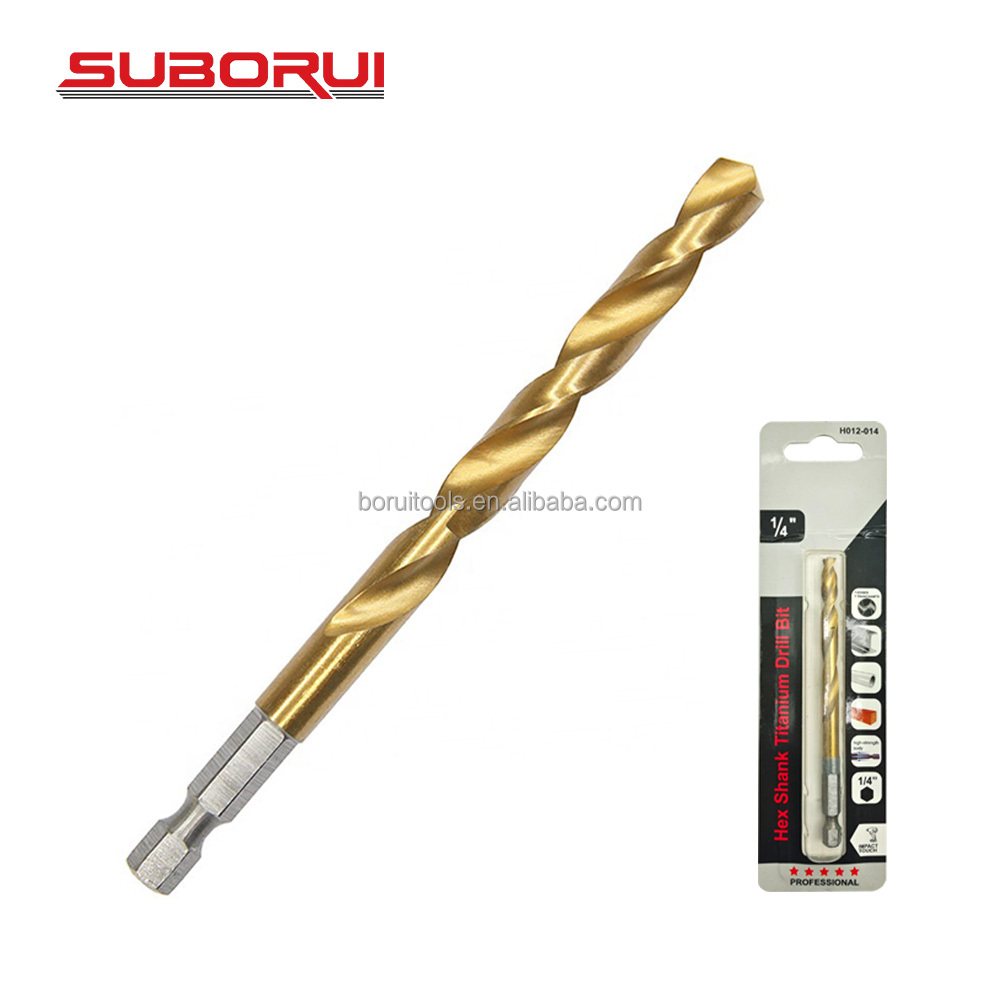
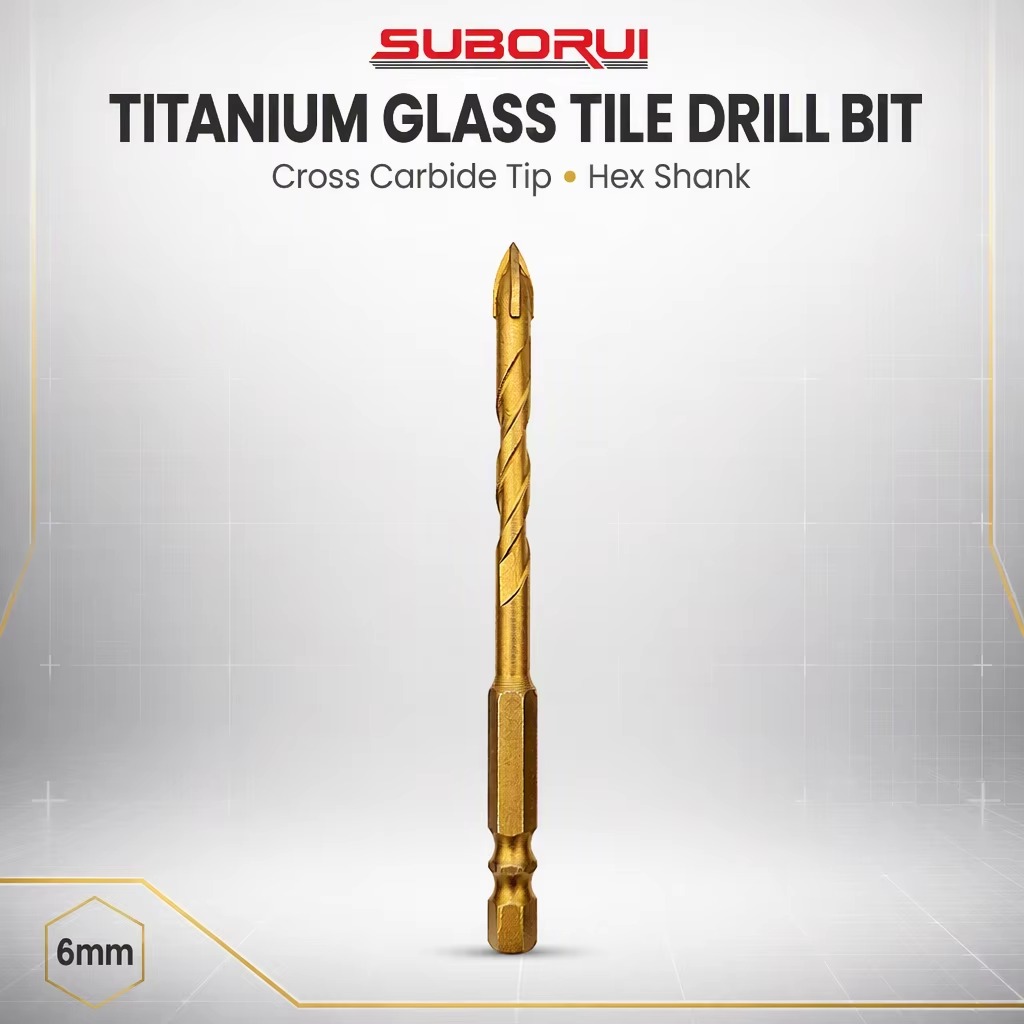
Yes. We provide complete OEM/ODM industrial solutions. This includes high-resolution fiber laser marking on tool shanks (brand logo, metric sizing, DIN specifications), surface treatments (TiN gold, TiAlN violet-black, black oxide, amber bronze), and custom retail packaging such as heavy-duty index boxes, blister display cards, or industrial bulk sleeves.
What are the shipping routes, lead times, and customs documentation provided for Monaco?
Shipments destined for La Condamine and the French Riviera are handled via ocean freight directly from Shanghai/Ningbo to the Port of Fos-sur-Mer / Marseille (approx. 28-35 days transit), or prioritized via air courier (DHL, FedEx, UPS) directly to Nice Côte d’Azur Airport (NCE) within 4 to 7 business days for urgent mechanical overhauls. We supply all customs commercial documentation, CE declarations, EUR.1 preference certificates, and Intertek inspection records.
Connect Directly with Our Engineering Team
Obtain our complete DIN 1897 stub drill bit catalogue, technical tolerances, coating matrices, and comprehensive OEM factory pricing for your supply contracts.
Get Catalog