High-Performance Tooling for German Industry
Direct from our Intertek-verified production facility: precision metal cutting tools, taps, drills, and hole openers manufactured to strict DIN metric standards.
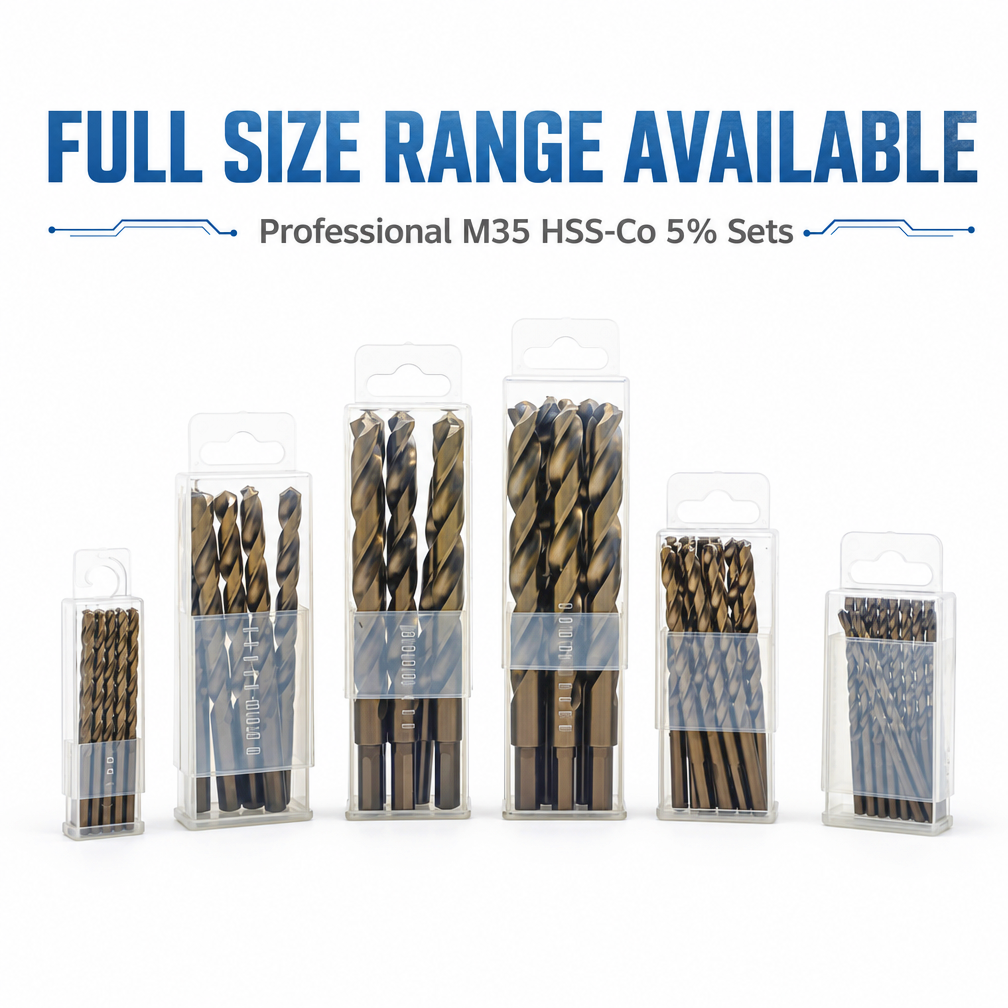
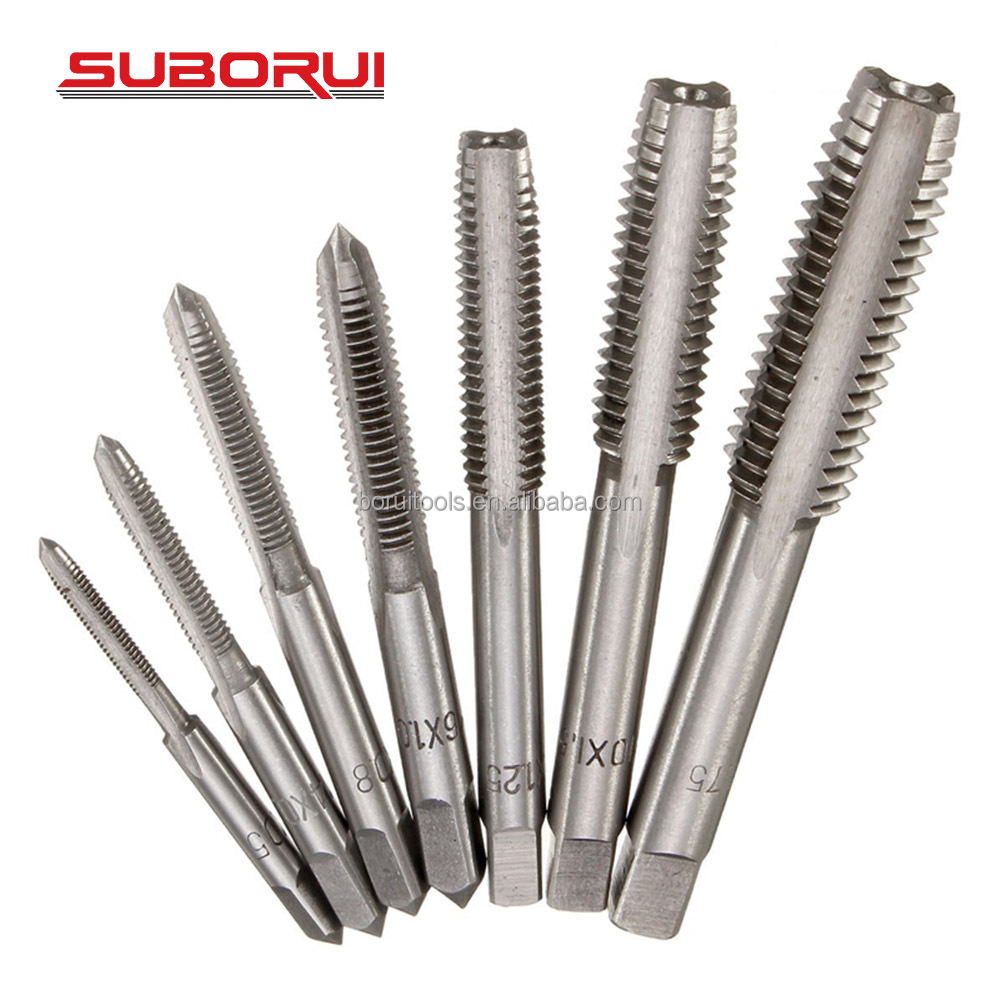

Kinematics of Spiral Point Taps in Through-Hole Threading
An engineering analysis of cutting dynamics, forward chip propulsion, and DIN standard mechanical execution for high-volume automated tapping lines.
In the mechanical engineering heartlands of North Rhine-Westphalia (NRW), where Cologne acts as an essential axis for both automotive transmission manufacturing and special-purpose machine assembly, tapping through-holes (*Durchgangsloch*) reliably at high surface footages requires strict adherence to tool geometry. Spiral point taps—frequently designated in German technical nomenclature as Schälanschnitt-Gewindebohrer (Form B chamfer taps)—represent the engineering benchmark for synchronous through-hole thread production.
Unlike conventional straight-flute hand taps governed by DIN 352 or spiral-flute taps engineered for blind holes (DIN 371 / DIN 376 Form C), a spiral point tap integrates an angular grind across the lead chamfer. This specialized geometry imparts an angular shear plane, typically angled between 10° and 15° relative to the tap axis. As the cutting edges engage the parent material, the curling continuous chip is deflected ahead of the tap's forward progression, propelling cuttings downwards and out through the bottom of the through-hole. This kinematic separation of cutting action from flute volume provides several definitive mechanical advantages:
Deep Flute Core Rigidity
Because chips are discharged forward rather than evacuated upwards through the flutes, the flute channels do not need to be deeply recessed. This preserves a substantial web thickness (approximately 45–55% of nominal outer diameter), drastically increasing torsional fracture resistance under variable cyclic loads on CNC transfer lines.
Continuous Shearing Dynamics
The angular 3.5 to 5-thread Form B lead chamfer functions as a progressive shear blade. It prevents chip accumulation and localized work-hardening along the minor diameter of structural carbon steels (such as S235JR and S355J2) and automotive sheet alloys, eliminating premature chipping on tool reversal cycles.
Strict DIN 13 Tolerance Adherence
Standard manufacturing yields ISO 2 (6H) class fit, designed for general industrial fasteners, with optional ISO 1 (4H) tolerances for aerospace and vibration-resistant automotive structural sub-assemblies. This tight control guarantees thread gauging compliance without requiring secondary manual re-tapping.
| Tool Feature / Parameter | DIN 371/376 Spiral Point (Form B) | DIN 371/376 Spiral Flute (Form C/35°) | DIN 352 Straight Flute (Hand Tap) |
|---|---|---|---|
| Hole Type Applicability | Through-holes exclusively (>1.5×D depth) | Blind holes exclusively (up to 3×D depth) | Universal / Manual Repair & Maintenance |
| Chip Evacuation Vector | Propelled forward ahead of cutting vector | Extracted backward up the spiral flute | Packed inside shallow flutes / manual clearance |
| Flute Core Diameter / Web | Thick Core (Heavy structural torsional strength) | Reduced Core (Compromised torsional load limit) | Standard Core (Manual torque sensitivity) |
| Optimal Cutting Speeds (Vc) | 15 – 35 m/min (M35 Cobalt / TiN coated) | 8 – 20 m/min (Subject to chip packing friction) | 3 – 8 m/min (Manual operation) |
| Typical Chamfer Geometry | 3.5 – 5 Threads (Form B progressive rake) | 2 – 3 Threads (Form C steep entry) | Set of 3 (Taper 5T, Second 3.5T, Bottoming 2T) |
Precision Threading in the Cologne Industrial Basin
Aligning OEM manufacturing parameters with specific industrial workflows across Cologne-Niehl, Deutz, Leverkusen, and the broader Rhine-Ruhr fabrication sector.
The city of Cologne (Köln) and its contiguous industrial zone in North Rhine-Westphalia constitute one of Europe’s most demanding environments for cutting tools and threaded assembly. From the automotive assembly complexes of Ford-Werke GmbH in Köln-Niehl to the historical powertrain and diesel engine engineering centers of Deutz AG, through to the massive chemical processing apparatus fabricators in Leverkusen and Wesseling, tooling requirements are governed by uncompromising standards of process reliability (*Prozesssicherheit*).
In high-speed automotive stamping and bracket fabrication, high-volume through-hole threading in hot-rolled and cold-rolled thin-to-medium steel plates represents a substantial portion of cycle times. When stamping presses create pilot holes, localized work hardening often occurs around the hole periphery. Standard straight flute taps suffer rapid abrasive flank wear under these conditions. Spiral point taps, fabricated from refined M35 High-Speed Steel with a uniform 5% cobalt matrix, provide the hot hardness required to cut through work-hardened entry rings without micro-chipping along the cutting teeth.
Automotive Bracket & Chassis
Applied extensively across Tier-1 sub-contractors in the Rhine-Ruhr triangle for piercing structural reinforcements, engine mount anchors, and suspension link threads where cycle-time repeatability is linked to zero-downtime production quotas.
Chemical Valve & Vessel Tapping
Processing 1.4301 (AISI 304) and 1.4404 (AISI 316L) austenitic stainless steels utilized across Leverkusen's chemical processing plant manufacturers, necessitating razor-sharp spiral point shear rakes to prevent severe frictional galling.
Eisenwarenmesse Procurement
Serving Cologne’s role as the epicentre of the global hardware trade. Wholesale hardware merchants and industrial tool distributors attending the International Hardware Fair (*Internationale Eisenwarenmesse Köln*) demand robust private-label packaging, laser-marking consistency, and verified metallurgical batch traceability.
Technological Evolution in Threading Performance
Examining current engineering shifts in European metal cutting: Minimum Quantity Lubrication (MQL), nanocomposite PVD coatings, and powder metallurgy.
The manufacturing sector in Germany is subject to stringent environmental and efficiency directives. Consequently, threading operations have shifted substantially away from flood coolants toward Mindermengenschmierung (MMS / Minimum Quantity Lubrication). This operational paradigm places extreme thermal and tribological stresses onto the tool-workpiece interface. Without massive fluid volumes to absorb frictional heat, the spiral point tap must rely heavily on its substrate metallurgy and surface treatment.
Modern DIN 371 (reinforced shank up to M10) and DIN 376 (reduced shank M12 and above) spiral point taps manufactured by Jiangsu WRD Tools Co., Ltd. integrate these engineering developments:
M35 Cobalt & Powder Metallurgy (HSS-PM)
By infusing 5% cobalt (Co) into high-purity tungsten-molybdenum High-Speed Steel, the red hardness threshold rises above 600°C. For extreme-tensile steels exceeding 1000 N/mm², powder metallurgy options eliminate microscopic segregation, delivering balanced carbide distribution.
Advanced PVD Nanocoatings (TiAlN & AlCrN)
Beyond traditional Titanium Nitride (TiN), our production lines apply multi-layer Titanium Aluminium Nitride (TiAlN) and Aluminium Chromium Nitride (AlCrN). These coatings yield surface micro-hardness up to 3300–3600 HV and form an aluminium-oxide passivating layer under cutting friction.
Rigid CNC Synchronous Tapping
To eliminate pitch error under synchronous CNC spindles (*Synchron-Gewindeschneiden*), thread reliefs are ground via 5-axis Walter CNC thread grinding machines. Shank concentricity is held within 0.003 mm to prevent radial tooth edge overload.
Jiangsu WRD Tools: 19 Years of Production Rigor
A dedicated manufacturer in Danyang's tool cluster, verified on-site by Intertek and recognized as a High-Tech Enterprise supplying premier international tool brands.
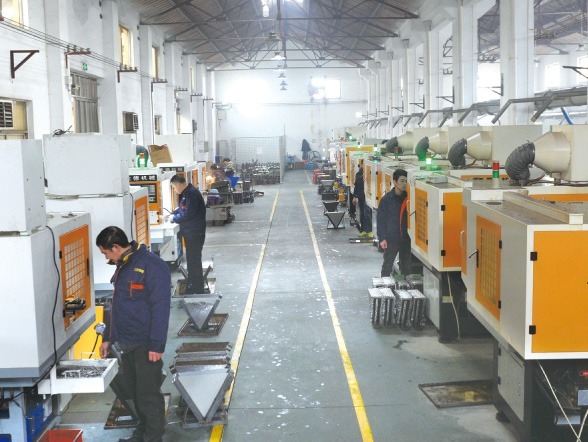
Founded in March 2007 with a registered capital of RMB 10 million, Jiangsu WRD Tools Co., Ltd. is a high-precision cutting tool manufacturer located in Houxiang, Danbei Town, Danyang, Jiangsu Province. Our modernized 12,000 m² manufacturing plant houses dedicated workshops for high-speed steel twist drills, annular cutters, taps and dies, and specialty hole-making systems. With more than 150 skilled operators, metallurgists, and export specialists, our annual sales exceeded RMB 80 million in 2021.
Our company is not an intermediary export trading company; we control the full manufacturing chain in-house. From bar stock analysis and cutting to CNC profile grinding, computerized vacuum salt-bath heat treatment, PVD chamber coating, quality inspection, and automated blister packaging, every process is conducted within our audited facilities. In recognition of our independent engineering and proprietary technology, Jiangsu WRD Tools was officially recognized as a High-Tech Enterprise of Jiangsu Province in 2019, complemented by full on-site verification from Intertek Group.
 Main Danyang Production Complex
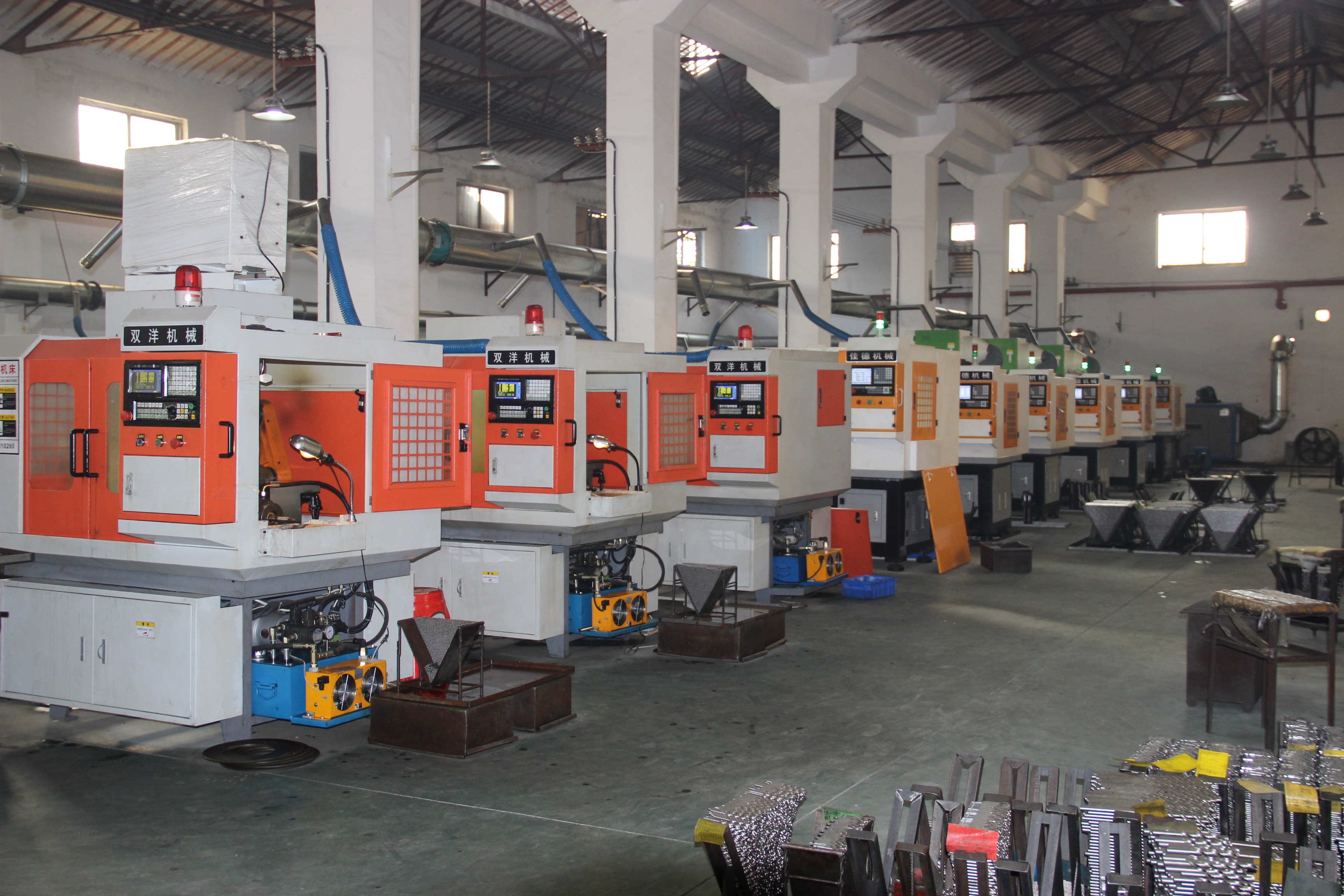 Precision CNC Grinding Line
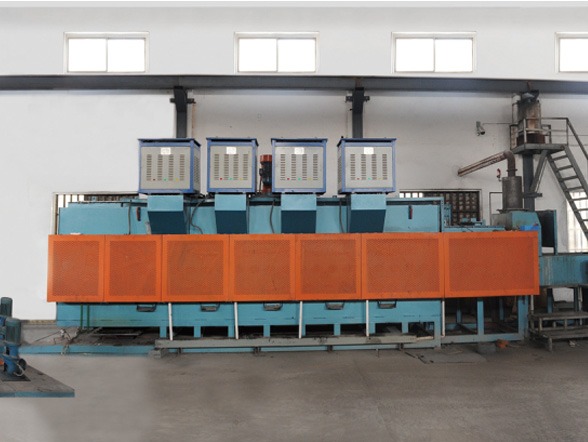 Automated Machining Cells
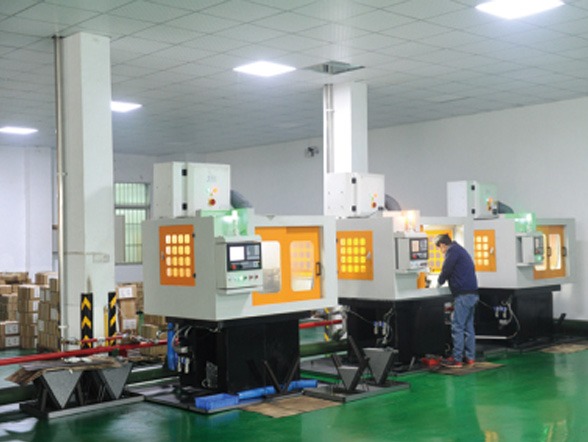 Metrology & Quality Control
Over nearly two decades, our factory has earned the long-term trust of international cutting tool brands and retail procurement offices, serving supply chains connected to BOSCH, Milwaukee, DeWalt, Irwin, Makita, Dexter, KWB, Wolfcraft, Truper, and Heller. We offer comprehensive OEM/ODM customization services for Cologne and European importers: private-label laser etching, German-language EAN-13 barcoding, DIN tolerance certificates, and retail-ready packaging (cassettes, individual sleeves, and bulk industrial packaging).
Frequently Asked Questions by German Buyers
Addressing core inquiries from procurement teams, toolroom engineers, and import distributors regarding standards, logistics, and quality assurance.
What is the standard tolerance class supplied for the German market?
Our spiral point taps for the German market are ground to ISO 2 (6H) tolerance according to DIN EN 22857 / DIN 13. For specialized automotive engine components or clients requiring closer fits before plating or phosphating, we produce ISO 1 (4H) or oversized 6G tolerances upon request.
How do DIN 371 and DIN 376 shank executions differ in practice?
DIN 371 defines taps with a reinforced shank where the shank diameter is equal to or larger than the thread diameter (typically applied from M2 through M10). DIN 376 features a reduced "pass-through" shank matching the thread pitch diameter (common for M12 and larger, or long-reach applications), allowing deep through-hole threading.
What minimum order quantities (MOQ) apply for custom OEM branding?
For standard metric spiral point taps with custom laser marking (customer brand logo, DIN spec, material grade), our MOQ begins at 100 to 200 pieces per individual dimension. For complete sets housed in metal or ABS cassettes with custom color injection and lithographed brand sleeves, MOQs typically range from 500 to 1,200 sets.
How is quality consistency verified across production batches?
Each production run undergoes three inspection phases: 1) Raw material spark spectrometry to verify tungsten, vanadium, molybdenum, and cobalt content; 2) Micro-hardness testing (Rockwell HRC / Vickers) post-vacuum tempering; 3) 100% thread pitch and profile verification using automated optical comparators and calibrated Leitech/Fette thread gauges.
What are the freight and customs clearance transit times to Cologne?
Air-freight consignments to Cologne Bonn Airport (CGN) or Frankfurt am Main (FRA) clear within 5–7 days from dispatch. Full container loads (FCL) or consolidated sea freight (LCL) ship via Shanghai Port to Hamburg or Rotterdam, followed by inland Rhine barge or rail feeder to Köln-Niehl inland container terminals, taking 28–34 days port-to-door.
Can you manufacture specialized pitch, left-hand, or UN thread taps?
Yes. While DIN 371/376 metric coarse (M) is the standard for European machinery, our CNC grinding lines routinely grind Metric Fine (MF), Left-Hand (LH) threads, British Standard Pipe (G/BSP), and Unified National Coarse/Fine (UNC/UNF) taps based on CAD step files or technical drawings.
Connect with Our Engineering & Export Sales Team
Whether you require standard DIN spiral point taps for industrial distribution, high-volume OEM manufacturing for European brand labels, or technical sampling for testing, our engineers respond within 24 hours.
Send an Inquiry