High-Performance Milling Solutions for Remote Pacific Atoll Logistics
The manufacturing and structural maintenance ecosystem in the Republic of the Marshall Islands (RMI)—centered around deepwater operations in Majuro Atoll and technical base installations at Kwajalein—operates under intense environmental variables. Tropical marine salinity, high-humidity atmospheric conditions, and extremely isolated supply chains necessitate cutting tools that deliver zero-defect reliability, resistance to thermal cracking, and maximized tool life across challenging non-ferrous and high-tensile alloys.
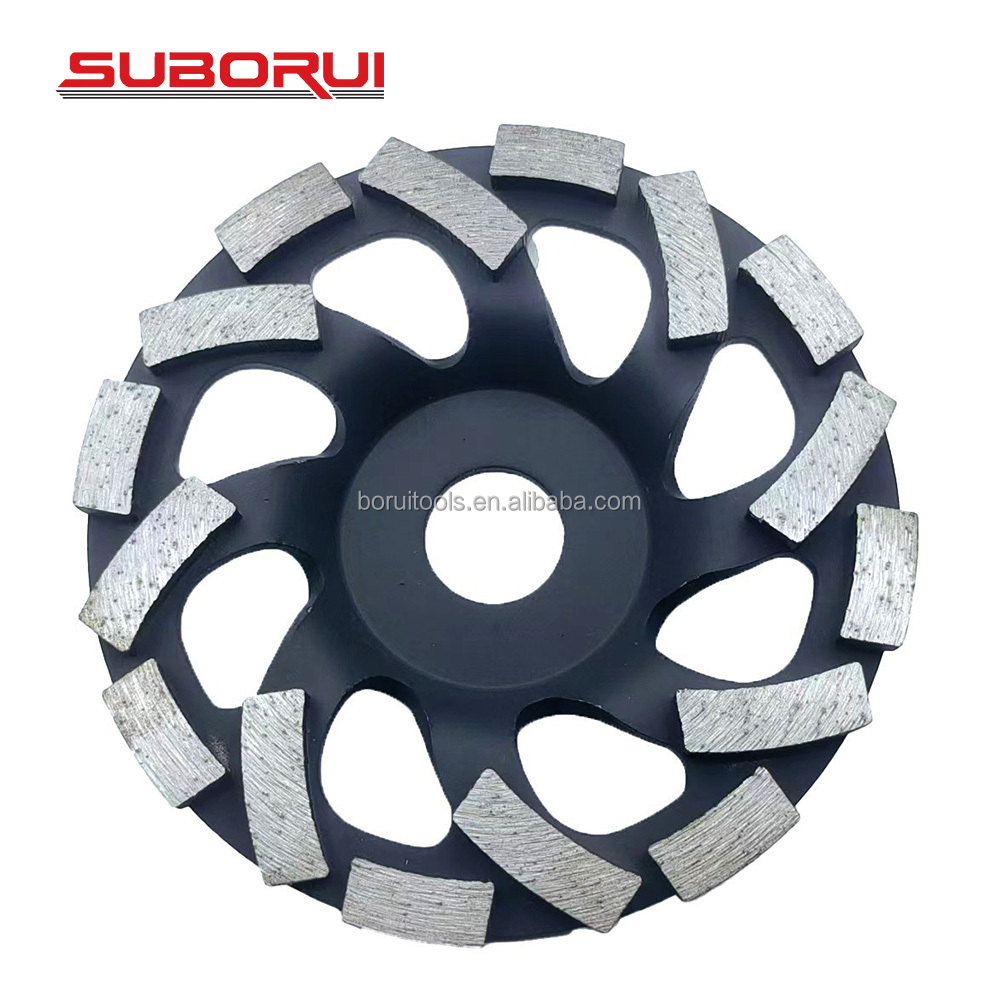
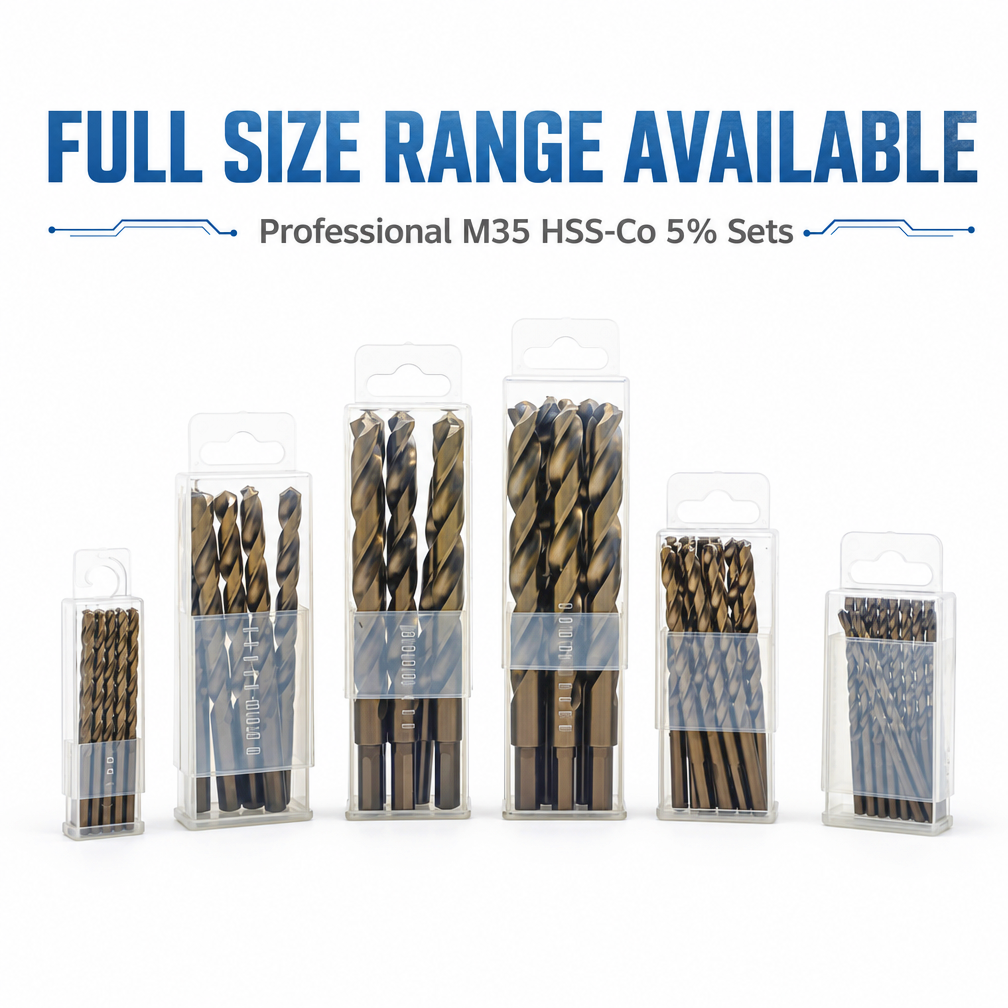
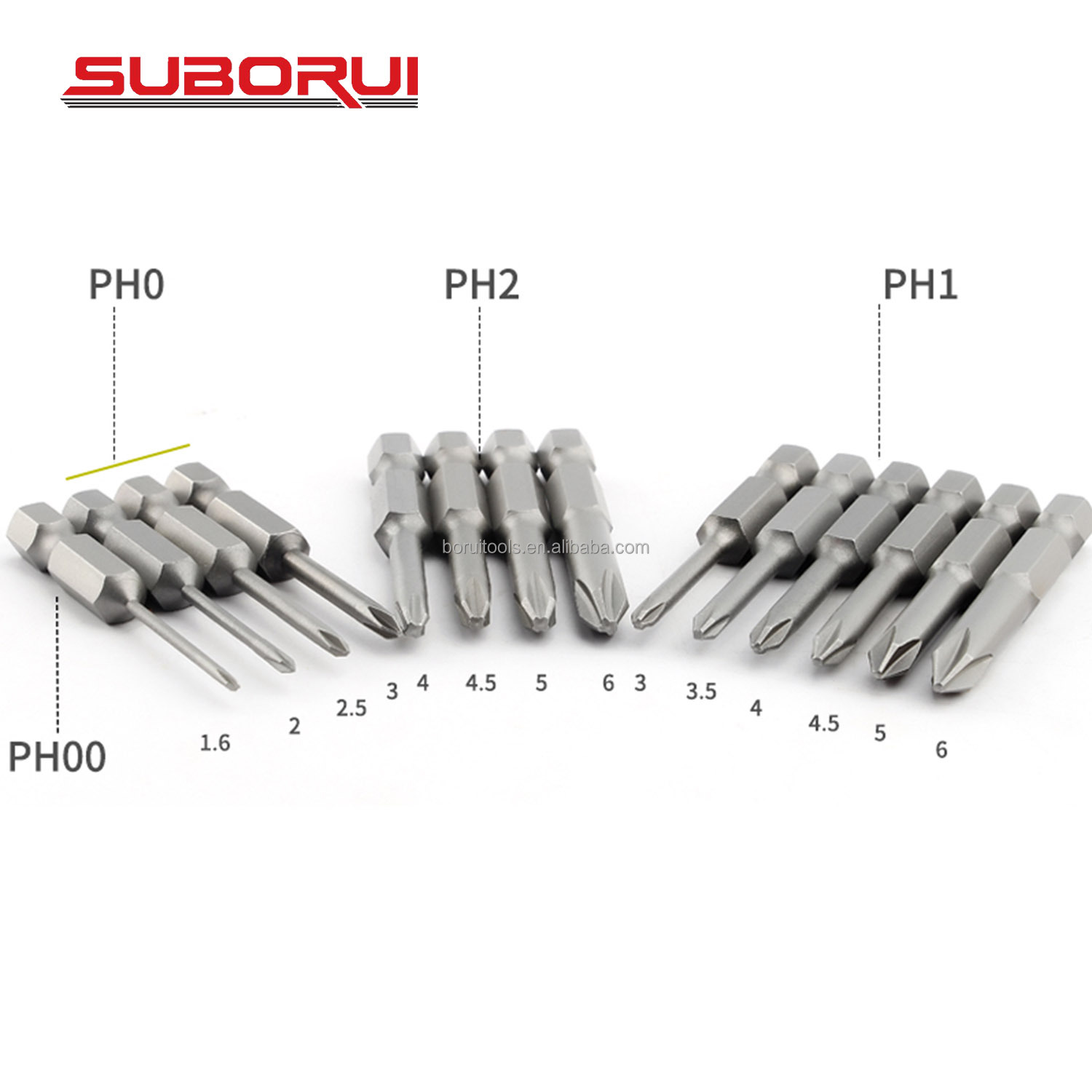
Engineered Cutting & Machining Arsenal for High-Wear Operations
Strictly controlled metallurgical tolerances, micro-grain tungsten carbide matrices, and multi-layer PVD/CVD hard coatings tailored for field-proven machining resilience.

High-Value Applications Across Marshall Islands Strategic Sectors
In island ecosystems where sea freight logistics impose lengthy replenishment cycles, precision machining cannot suffer sudden catastrophic cutter wear. Our solid carbide tooling program addresses three vital industries in the region:
Commercial Ship Repair & Majuro Port Fleet Maintenance
Majuro harbors substantial regional tuna purse-seine fleets, inter-island cargo carriers, and bulk reefers. Repairing high-hardness shafts, propeller components, marine-grade bronze impellers, and 316L stainless steel hulls requires micro-grain solid carbide endmills with variable helix geometries to mitigate chatter during on-site vertical and horizontal CNC milling.
Aerospace & Defense Facilities (USAG-KA Kwajalein)
Contractor machining hubs supporting radar tracking infrastructure, tracking installations, and auxiliary aerospace ground support on Kwajalein Atoll mandate rigorous geometric repeatability. Our AlTiN-coated 4-flute and 5-flute carbide endmills offer high hot-hardness thresholds up to 900°C for dry and minimum quantity lubrication (MQL) milling of titanium and alloy steels.
Desalination, Energy & Public Works Maintenance
Potable water plants and generation stations under the Marshalls Energy Company (MEC) contend with aggressive corrosion-resistant alloys, such as duplex stainless steel and Monel valves. Solid micro-grain endmills prevent work-hardening during peripheral profiling, slotting, and keyway machining in field maintenance centers.
Emerging Technical Trends in the Marshall Islands Market
Procurement behaviors across Micronesia and the Pacific Island territories are shifting toward higher capital-efficiency tooling:
1. Consolidation of Tool Inventory via Multi-Material Geometry
Due to isolated shipping lanes, regional workshops cannot afford distinct cutter lines for structural steel, aluminum 6061, cast bronze, and austenitic stainless steels. Modern carbide endmills with optimized chip flutes and hone-edge preparations allow machinists to process diverse material groups without chipping or premature edge radius expansion.
2. Transition from Classical HSS to Monolithic Solid Carbide
While High-Speed Steel remains standard for low-RPM manual drill presses, the installation of multi-axis CNC milling units in naval outposts demands solid carbide to leverage higher Surface Feet per Minute (SFM) and aggressive feed rates, effectively shortening critical repair turnaround times.
3. Demands for Advanced PVD Corrosion & Heat Dissipation Layers
Ambient salt air accelerates corrosive pitting along unground cutter bodies in storage. Advanced nanocomposite PVD coatings like TiAlSiN not only safeguard edge retention during dry machining but also seal carbide grain boundaries against ambient coastal oxidation while stored in shipboard tooling cribs.
Metallurgical Formulations: Choosing the Correct Carbide Substrate
Ensure optimal tool rigidity, cutting edge toughness, and deflection resistance tailored to machining conditions.
Sub-Micron Grain Tungsten (0.4–0.6 µm)
Formulated with 10%–12% Cobalt content. Delivers an optimal balance of structural toughness (K1C) and extreme micro-hardness (HRA 91.8–92.5). Indispensable for intermittent cutting, milling keyways, and operations subject to machine spindle vibrations.
AlTiN vs. TiSiN Coating Chemistry
Aluminum Titanium Nitride forms a dense aluminum oxide passive layer at elevated operational temperatures (>800°C), minimizing crater wear. Silicon-infused coatings (TiSiN) provide nanolayered hardness upwards of 3600 HV, ideal for heat-treated hardened steels up to HRC 65.
Unequal Indexing & Variable Pitch Flutes
Harmonic chatter represents the primary root cause of edge micro-chipping on non-rigid maritime machining setups. Variable pitch and helix angles (35°/38°) alter regenerative chatter phase angles, facilitating greater depths of cut (Ap) and increased radial engagements (Ae).
Why Direct Sourcing from Our Manufacturing Cluster Matters
Combining nineteen years of dedicated tool making with an Intertek-audited production plant to serve mission-critical operations worldwide.
Verified Factory, Not a Middleman
Our Danyang campus encompasses 12,000 square meters of specialized workshops. Over 150 production specialists manage the full production flow from tungsten/HSS blank preparation to multi-axis 5-axis CNC flute grinding and final laser inspection.
Global Tier-1 Brand Track Record
We serve as an established OEM/ODM manufacturing partner for world-class tooling brands, including Bosch, Milwaukee, DeWalt, Makita, Irwin, and Heller. Our QA matrix mirrors the strictest ANSI, DIN, and ISO standards.
Intertek-Audited Quality Assurance
Full facility inspection, material batch spectroscopy, and dynamic balance test workflows are certified onsite by the Intertek Group. High-Tech Enterprise accreditation ensures consistent metallurgical stability.
Custom Tooling Geometries & Coatings
Whether you require customized shank diameters (metric or inch imperial systems), specific corner radii, neck clearances for deep reach cavity milling, or private-label packaging, our engineering floor provides custom CAD/CAM turning and grinding.
Export-Engineered Moisture-Proof Packaging
To withstand trans-Pacific container transport through equatorial humidity, all cutting tools receive dedicated vacuum-sealing, anti-corrosion VCI coatings, and reinforced packaging for zero oxidation upon port clearance.
Direct Container & Air-Freight Consolidations
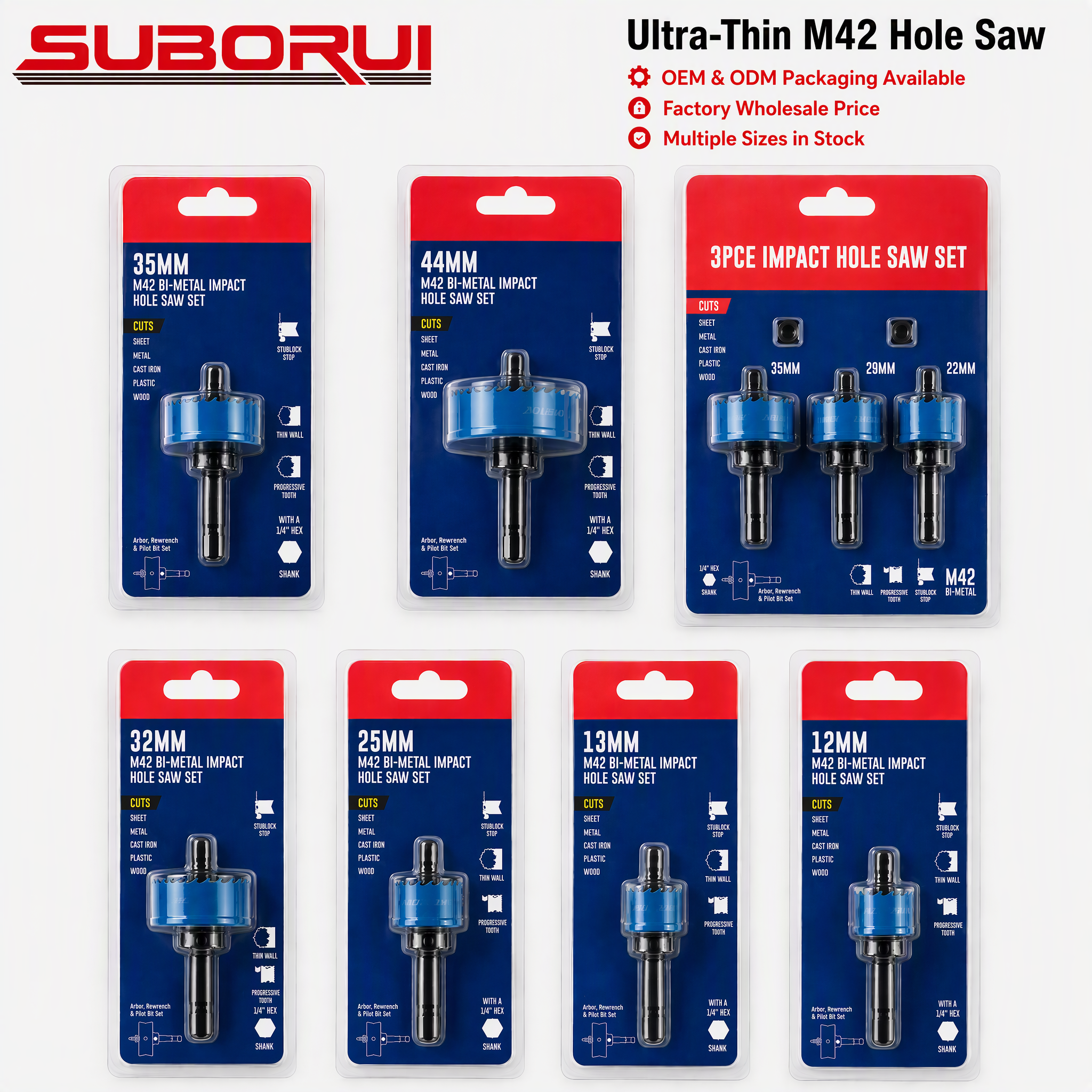
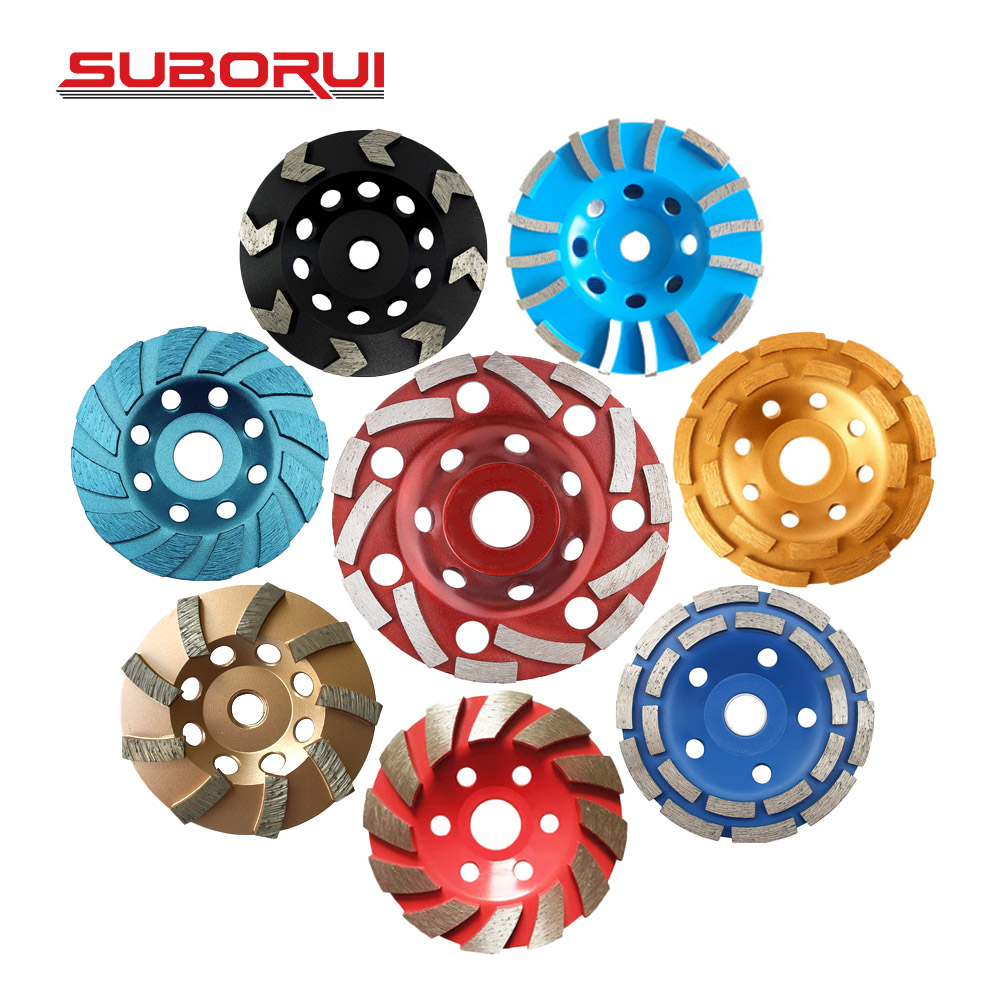
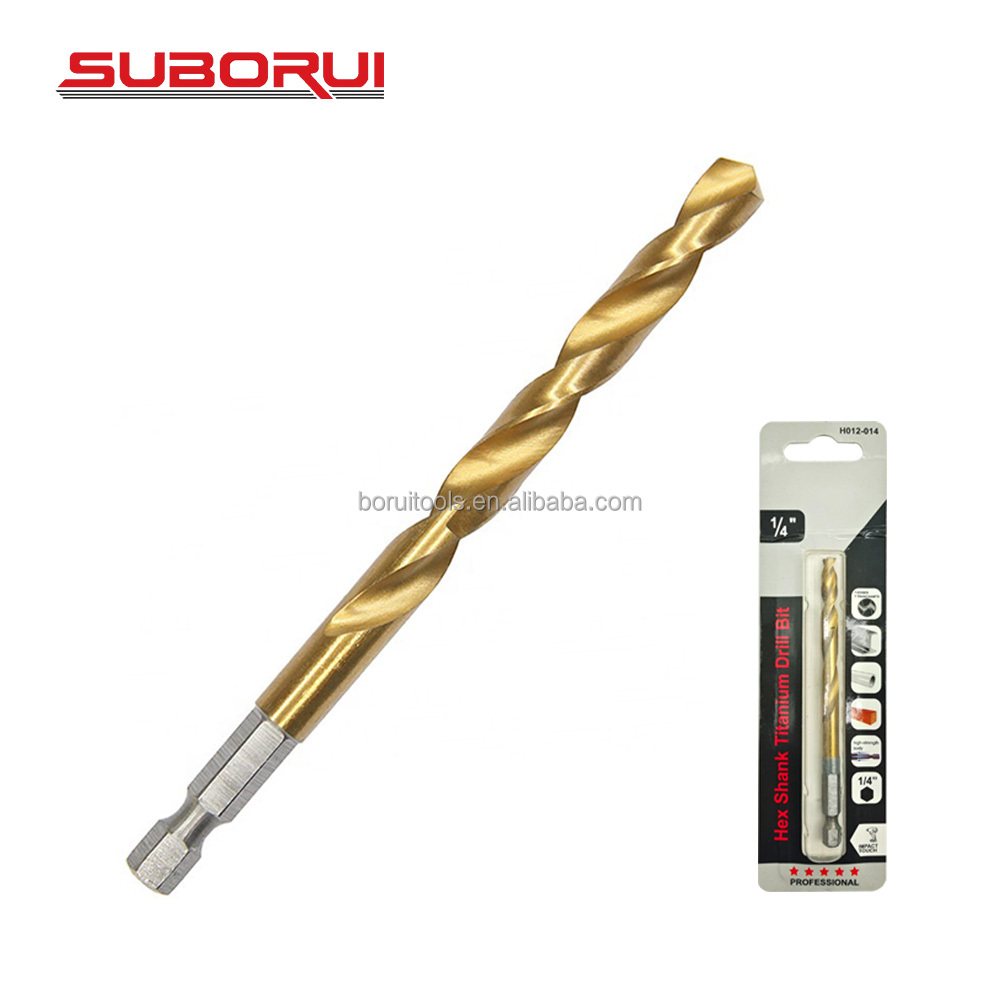
Smooth outbound scheduling through Shanghai and Ningbo ports, handling combined shipments of drill bits, hole saws, diamond wheels, and solid carbide endmills under single consolidated bills of lading.
Frequently Asked Questions: Sourcing for the Marshall Islands
Addressing freight logistics, technical compatibility, alloy selections, and minimum ordering thresholds.
How do you manage lead times and logistics routes to Majuro and Kwajalein?
We routinely arrange containerized ocean shipments routed through primary Pacific transshipment hubs (Guam or Honolulu) direct to Delap Dock (Majuro), alongside direct DHL/FedEx air-express consignments for emergency ship-repair tooling requirements.
Which solid carbide grade is ideal for marine stainless steels (316L / Monel)?
We advise our ultra-fine 0.6 µm micro-grain carbide line formulated with 10% cobalt and a multi-layer AlTiN or TiAlN PVD coating. This architecture mitigates work-hardening on austenitic stainless alloys and withstands elevated shear zone temperatures without plastic deformation.
Can you accommodate Imperial fractional sizes for US machinery on Kwajalein?
Yes. Alongside standardized DIN/ISO metric dimensions (1mm to 25mm), our 5-axis CNC grinding units manufacture imperial sizes (1/8", 3/16", 1/4", 3/8", 1/2", 5/8", 3/4", and 1") with standard straight shanks and Weldon flat cuts to DIN 6535HB.
What are the Minimum Order Quantities (MOQ) for custom Pacific orders?
For catalog-standard solid carbide endmills, MOQ starts from 10–50 pieces per diameter. For non-standard engineered profiles or customized laser marking and OEM packaging, typical batch minimums are 100 units per specification.
How is tool oxidation prevented during extended ocean freight transit?
Each tool undergoes automated ultrasonic cleaning, is coated with high-barrier anti-rust vapor phase corrosion inhibitors (VPI), and is encapsulated in oil-resistant individual telescopic plastic cases to ensure factory-fresh arrival regardless of sea humidity.