Industrial Tooling Recommendations for Regional Fabricators
Engineered to deliver exceptional thermal endurance, bore concentricity, and chip evacuation in structural glass and architectural facades.
Comprehensive Evaluation: Glass Drill Bit Manufacturing & Supply Ecosystem in Bulgaria
The manufacturing and architectural engineering landscape across the Republic of Bulgaria has undergone systematic modernization over the past decade. Located strategically along Pan-European Transport Corridors IV, VIII, and X, Bulgaria has shifted from traditional low-intensity assembly to an advanced center for flat glass processing, photovoltaic module production, and industrial joinery. Consequently, procurement specialists seeking glass drill bit factories and suppliers in Bulgaria must navigate a specialized supply chain balancing local distribution hubs against primary tier-1 manufacturing sources.
Industrial glass drilling is inherently unforgiving. Soda-lime-silicate, borosilicate, and chemically strengthened architectural glasses are brittle substrates characterized by low fracture toughness. Rotary diamond core bits, carbide spade configurations, and sintered core drills utilized in Sofia, Plovdiv, Varna, and Ruse must provide strictly controlled micro-chipping behavior at the entrance and exit surfaces. This whitepaper analyzes the engineering parameters, structural industrial trends, and direct procurement channels required to maximize edge finish quality and minimize machine downtime across Bulgarian industrial operations.
Localized Industrial Application Scenarios in Bulgaria
Tooling consumption across Bulgaria is geographically clustered and driven by specific downstream finishing requirements. Rather than employing generic drilling accessories, local machine operators demand strictly tailored bonds, grit sizes, and shank configurations:
Trakia Economic Zone (Plovdiv)
High-volume automotive glazing, smart partition manufacturing, and commercial refrigeration windows. Demands automated dual-spindle CNC core drilling setups with internal high-pressure water cooling.
Northeast Processing Belt (Targovishte, Shumen, Varna)
Centered around broad float glass production lines. Operations process heavy structural architectural laminates, monolithic balustrades, and export-bound insulating glass units (IGUs).
Sofia Metropolitan Civil Renovation
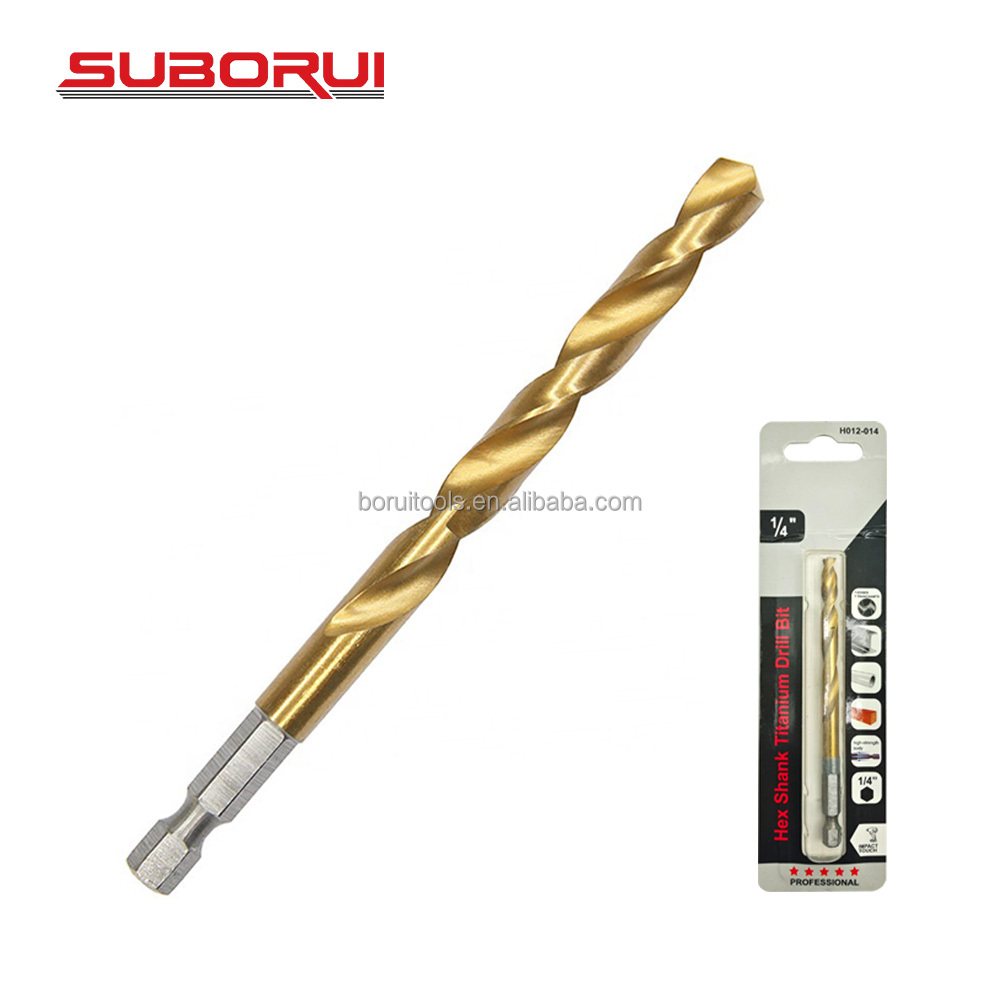
Contractors executing European Green Deal thermal envelope upgrades. Requires portable electroplated drill bits and hex-shank cross-carbide tooling for on-site facade and frameless hardware fitting.
Emerging Regional Market Trends Driving Tooling Specifications
The Bulgarian tooling sector is experiencing a paradigm shift influenced by EU regulatory frameworks and manufacturing automation. Key macro-developments include:
1. Acceleration of PV Glass Infrastructure: With significant solar park expansion across southern Bulgaria, specialized tempered solar glass requiring precision edge-notching and lead-wire aperture drilling has surged. Diameters ranging between 4mm and 12mm require diamond electroplated bits with tight concentricity (<0.02mm) to prevent localized micro-stress points prior to thermal tempering.
2. Adoption of Multi-Axis CNC Machining Centers: Processing shops in Sofia and Plovdiv are transitioning away from manual drill stands toward automated machinery from Italian and German manufacturers (e.g., Bottero, Intermac, Biesse). These machining centers operate at peripheral cutting speeds exceeding 3,000 RPM, requiring sintered metal-bond core bits with standard 1/2" Gas fittings, integrated water jackets, and reinforced wall structures that avoid deflection.
3. Rationalization of Total Cost of Ownership (TCO): Bulgarian procurement directors increasingly assess cutting performance per hole rather than initial unit acquisition price. Sintered continuous-rim diamond bits that yield 800 to 1,500 clean holes through 8mm glass far outweigh cheap electroplated tools that degenerate after 40 cycles, mitigating costly edge breakages downstream during toughening furnace passes.
Strategic Technical Distinction: Electroplated vs. Sintered Diamond Core Bits
A fundamental sourcing decision for engineering teams in Bulgaria involves matching the diamond bonding matrix to production volumes:
Electroplated Diamond Bits: Engineered by bonding diamond crystals (typically D151 to D252 grit) onto a steel core via a nickel electrolytic bath. These tools provide exceptional initial sharpness and require minimal operational down-force, making them ideal for small job shops, variable-diameter drilling, and mobile installation teams. However, once the single layer of nickel-diamond matrix wears away, the tool must be discarded.
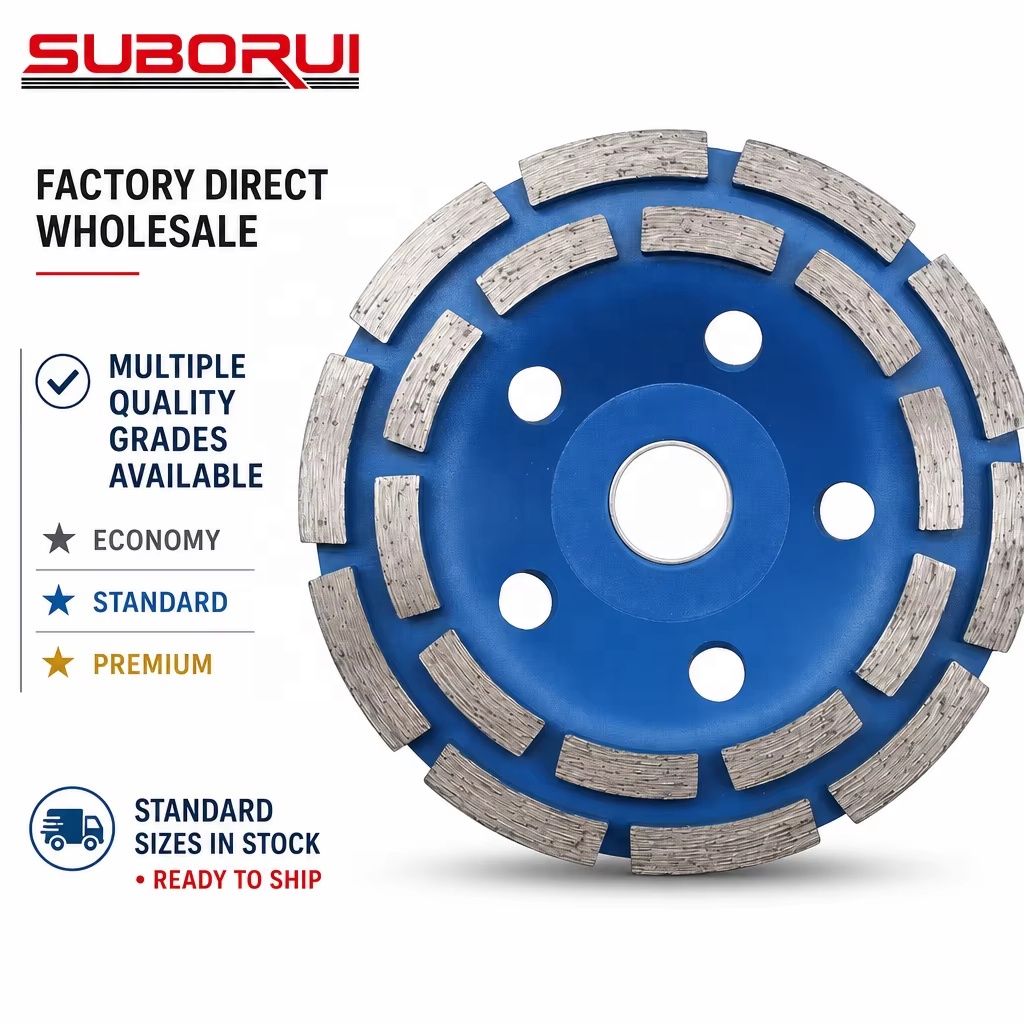
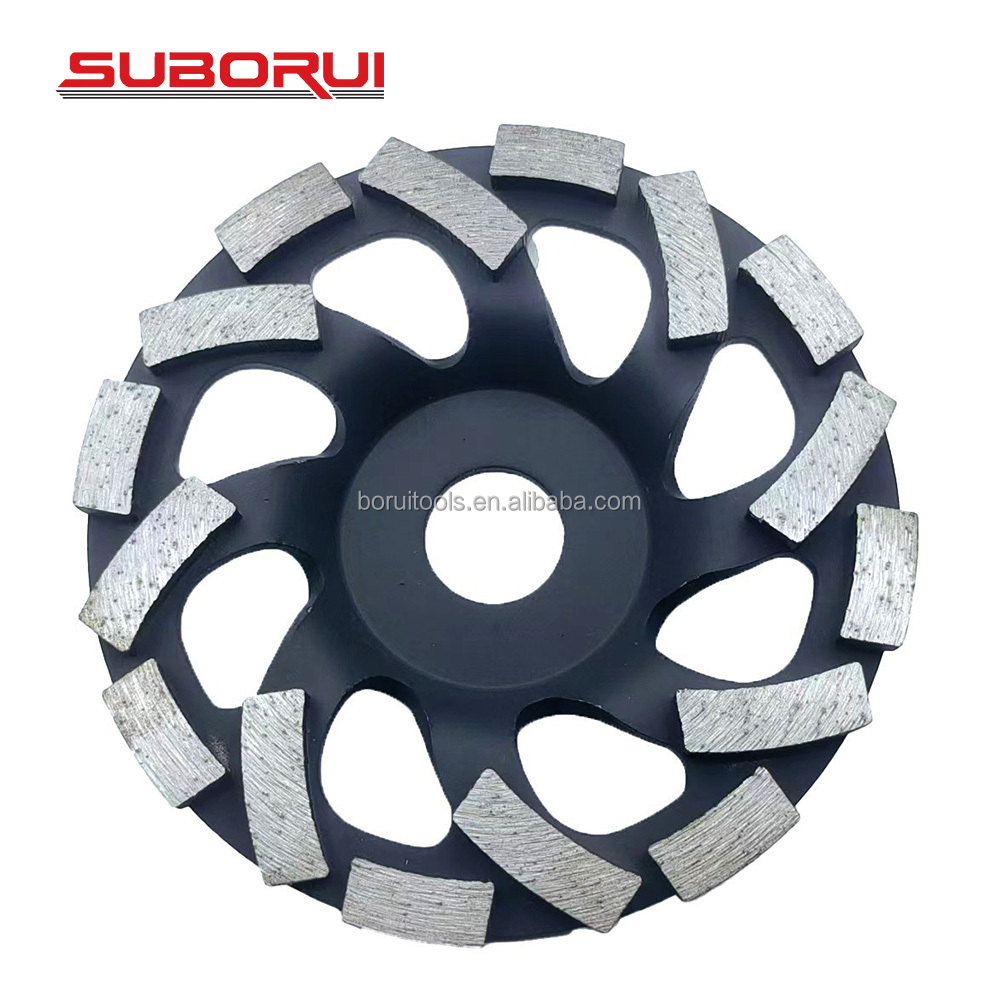
Sintered (Metal-Bond) Core Drills: Manufactured via hot-pressing diamond crystals uniformly within a bronze-cobalt-iron powder alloy. As cutting wear progresses, the metal matrix slowly erodes, continually exposing fresh, sharp diamond cutting facets. Designed for continuous industrial duty cycles, these tools require precise dressing using aluminum oxide sticks and mandatory continuous liquid cooling.
The Factory-Direct Advantage: Partnering with Jiangsu WRD Tools
While regional Bulgarian distributors provide immediate off-the-shelf inventory, direct collaboration with an established primary manufacturing plant yields significant technical, economic, and logistical advantages. Founded in March 2007 in Danyang, Jiangsu—the premier hardware tooling cluster—Jiangsu WRD Tools Co., Ltd. operates a specialized 12,000 square meter facility supporting private-label brands and industrial distributors worldwide.
Our operational capabilities directly address the strict criteria of European tier-1 sourcing:
Intertek Onsite Verification
Our complete manufacturing premises, high-precision CNC tool-grinding bays, and strict QA/QC testing centers are independently verified onsite by Intertek Group.
Massive Output & High-Tech R&D
Annual output exceeding 90 million drill bits and cutting tools. Approved as a High-Tech Enterprise of Jiangsu Province with established R&D patents in wear-resistant metallurgy.
Proven Global OEM Pedigree
Decades of manufacturing cooperation with world-class tool vendors including BOSCH, Milwaukee, DeWalt, Makita, and Heller. Full private-label packaging and customized shank fabrication.
Procurement Optimization: Mitigating Defect Rates in Glass Processing
Operational profitability in Bulgarian manufacturing centers hinges on preventing perimeter chips exceeding structural inspection allowances (e.g., EN 12150-1). Our field engineers recommend the following baseline machining parameters when deploying industrial diamond bits:
Rotational Speed Selection: Diamond tooling performance relies on surface speed ($V_c$) rather than pure RPM. For a 20mm diameter drill bit in soda-lime glass, an operating surface speed of 2.0 to 2.5 m/s translates to roughly 2,000–2,400 RPM. For larger holes (e.g., 65mm for utility sockets), rotational speeds must decrease accordingly to roughly 700–900 RPM to mitigate thermal shock.
Coolant Dynamics & Fluting: Water pressure is paramount. Dry drilling into glass results in immediate micro-crack propagation and diamond stripping. Utilizing internal water feed spindles forces coolant directly to the cutting zone, continuously washing away abrasive glass fines that would otherwise scour the bond prematurely.
Frequently Asked Questions: Sourcing Glass & Hard Material Drill Bits in Bulgaria
What is the typical shipping lead time from your factory to the Port of Varna or Burgas?
For container-load orders (FCL), standard maritime transit from Shanghai or Ningbo to the Port of Varna or Port of Burgas runs approximately 28 to 35 calendar days depending on feeder routing through Mediterranean hubs. Air express shipments (via DHL/FedEx to Sofia Airport) for urgently required production tools or pilot validation batches arrive in 4 to 6 business days.
Do you accommodate custom shank diameters for European CNC centers?
Yes. We manufacture diamond and hard-material drill bits conforming to all European machining standards, including standard 1/2" Gas male thread attachments, cylindrical straight shanks with clamping flats, 1/4" quick-change hex shanks, and specialized tapers tailored to Bottero, Forvet, and Bavelloni CNC spindles.
How can Bulgarian distributors verify diamond concentration and bonding grade before full ordering?
We supply material test reports, bond hardness specs (Rockwell B/C), and diamond grit distribution profiles. Furthermore, sample batches are regularly expedited to Sofia, Plovdiv, and Varna for localized CNC test-bench trials to confirm hole life and chip tolerance prior to formal production contracts.
Can you execute private-label packaging and EAN-13 barcodes for retail chains across Bulgaria?
Absolutely. We deliver full OEM brand solutions including customized laser marking on tool shanks, clamshell blister cards with Bulgarian-language instructional typography, bespoke metal index cases, and pre-applied EAN-13 barcodes optimized for regional retail hardware distribution.
Initiate Factory-Direct Tooling Procurement
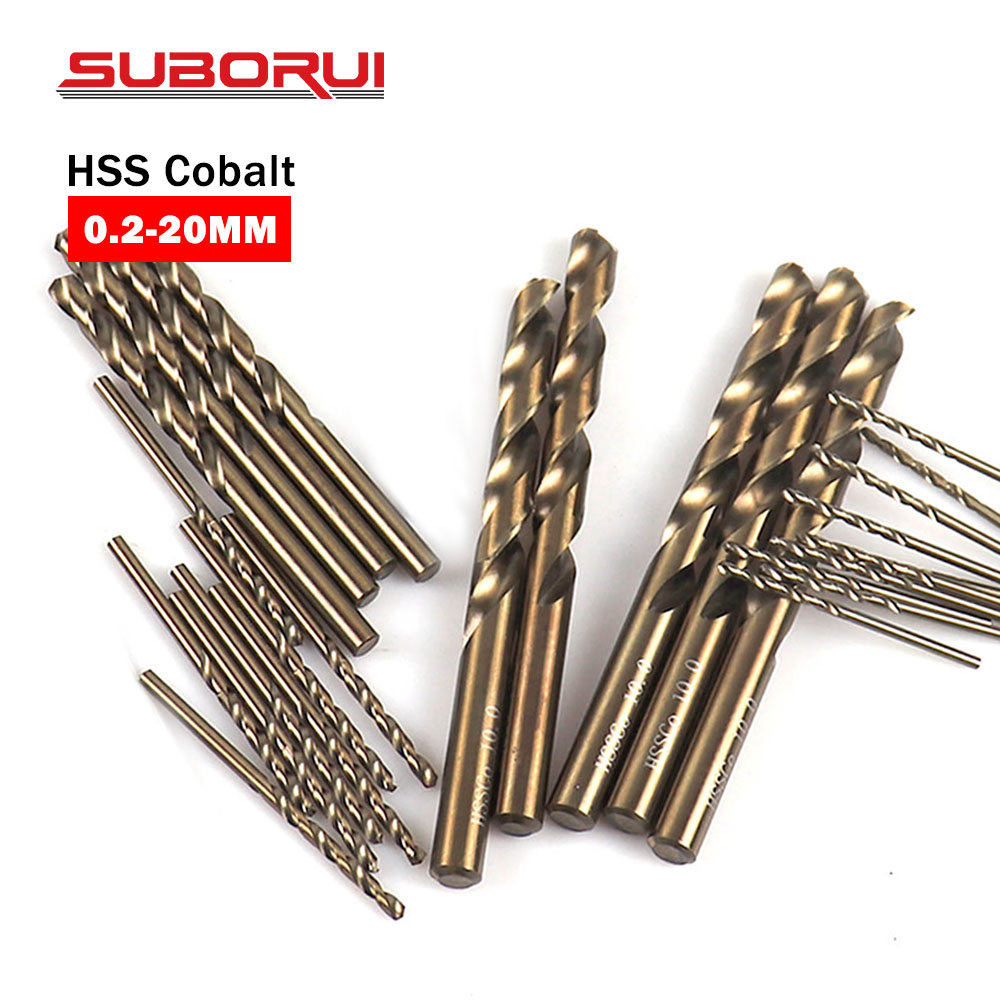
Whether you require standard DIN338 cobalt tools, sintered diamond glass core drills, or tailored OEM hardware distributions in Bulgaria, our technical engineering desk provides quotations and sample specifications within 24 hours.