Engineered Tooling & Tile Cutting Systems
Continuous CNC precision grinding, premium cobalt tungsten alloying, and vacuum brazed diamond bonding designed for high-density porcelain, granite, structural concrete, and metal framing.
Technical Engineering: Ceramic, Vitrified Porcelain & Hard Stone Penetration Metallurgy
The procurement of wholesale tile drill bits requires a strict alignment with physical metallurgy and tribological dynamics. Modern architectural tile production has shifted predominantly from soft-fired earthenware and monocottura towards porcelain stoneware (Gres Porcellanato), compacted under hydraulic press pressures surpassing 400 kg/cm² and vitrified at sintering temperatures exceeding 1,220°C. These industrial cycles yield water absorption rates below 0.1% and surface hardness ratings of 8 to 9 on the Mohs scale, rendering standard carbon-steel and entry-level masonry bits completely obsolete.
As an Intertek-verified Chinese cutting-tool manufacturer based in the industrial core of Danyang, Jiangsu, Jiangsu WRD Tools Co., Ltd. (WRD Tools) designs and produces professional-grade tile and masonry tooling engineered specifically to mitigate thermal micro-fracturing and edge spalling. By utilizing micro-grain tungsten carbide tips (grades YG6X, YG8) vacuum-brazed at 1,100°C with silver-copper eutectic alloys, and advanced vacuum-brazed synthetic diamond matrices (grit size 35/40 to 45/50 US mesh), our tools offer unmatched shear efficiency and thermodynamic endurance.
Drilling Mechanism Comparison: Carbide Spear Head vs. Cross Head vs. Vacuum Brazed Diamond
| Tool Geometry & Chemistry | Hardness Spectrum | Applicable Tile & Substrate | Operational Speed (RPM) | Cooling Protocol | Mean Service Life (Holes) |
|---|---|---|---|---|---|
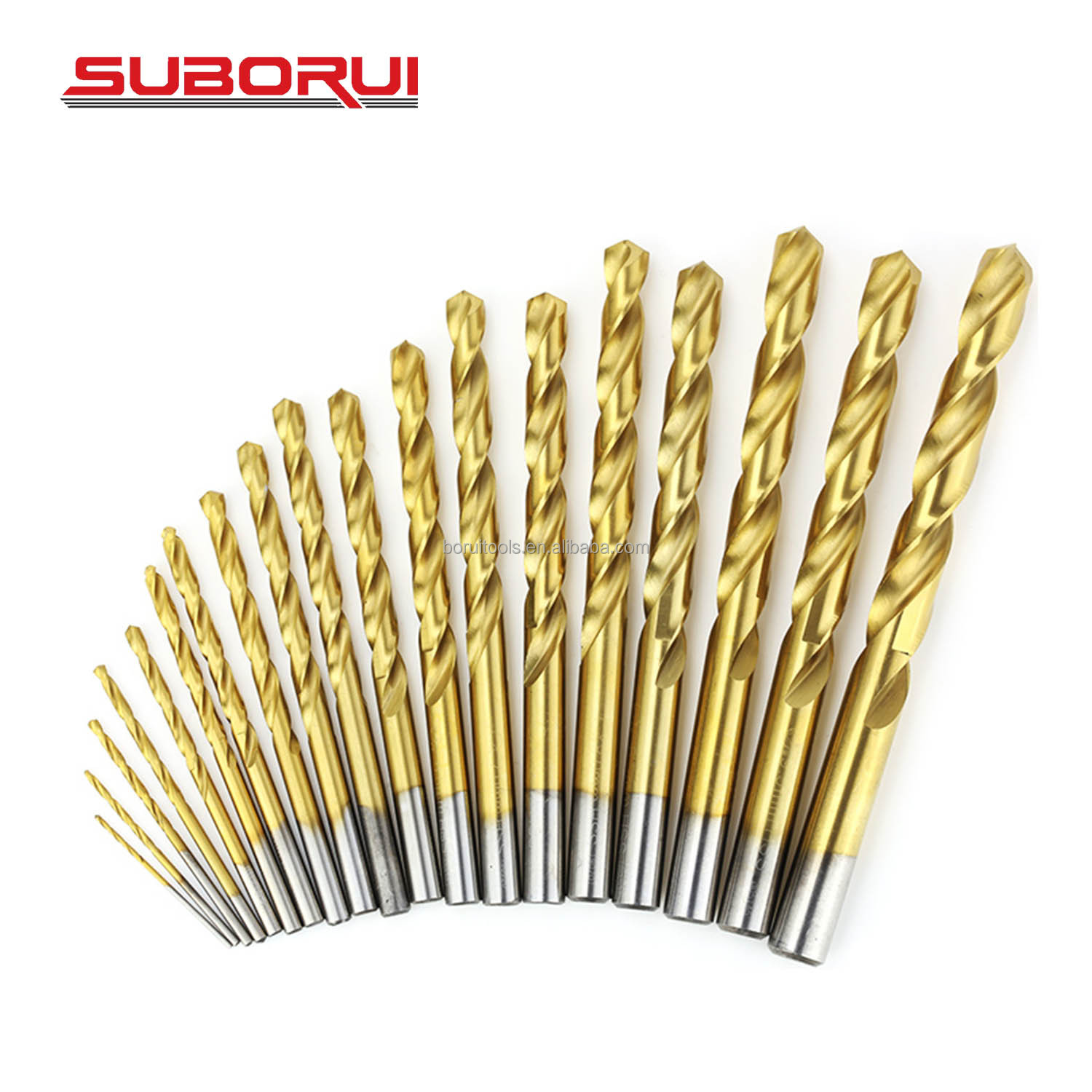
| YG6X Carbide Spear Head (118° Ground) | HRA 91.5 – 92.5 | Ceramic (Mohs 3–5), Glazed Wall Tiles, Glass | 400 – 800 RPM | Recommended (Water spray) | 35 – 60 Holes |
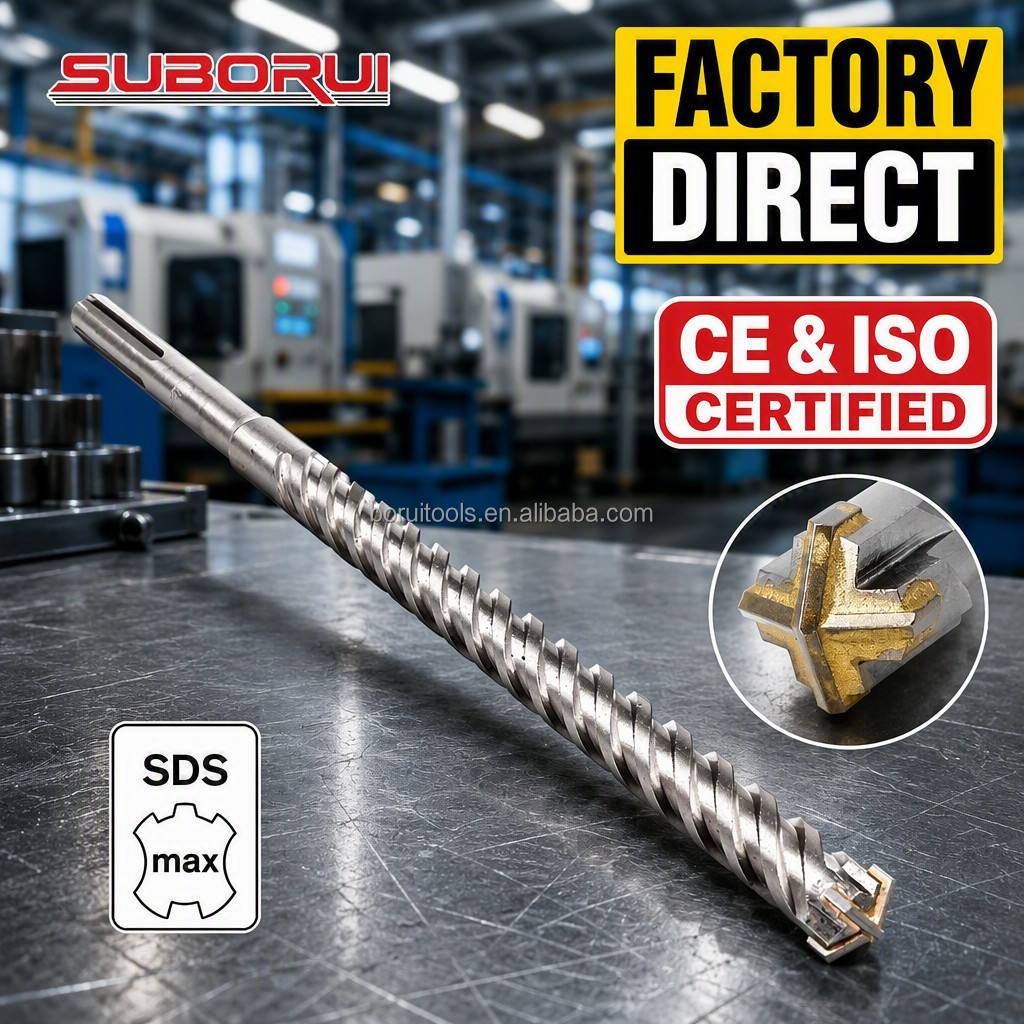
| 4-Cutter Cross Carbide Tip (SDS / Hex) | HRA 89.5 – 91.0 | Vitrified Tile, Terrazzo, Limestone Substrates | 600 – 1,100 RPM | Dry / Occasional Lube | 70 – 120 Holes |
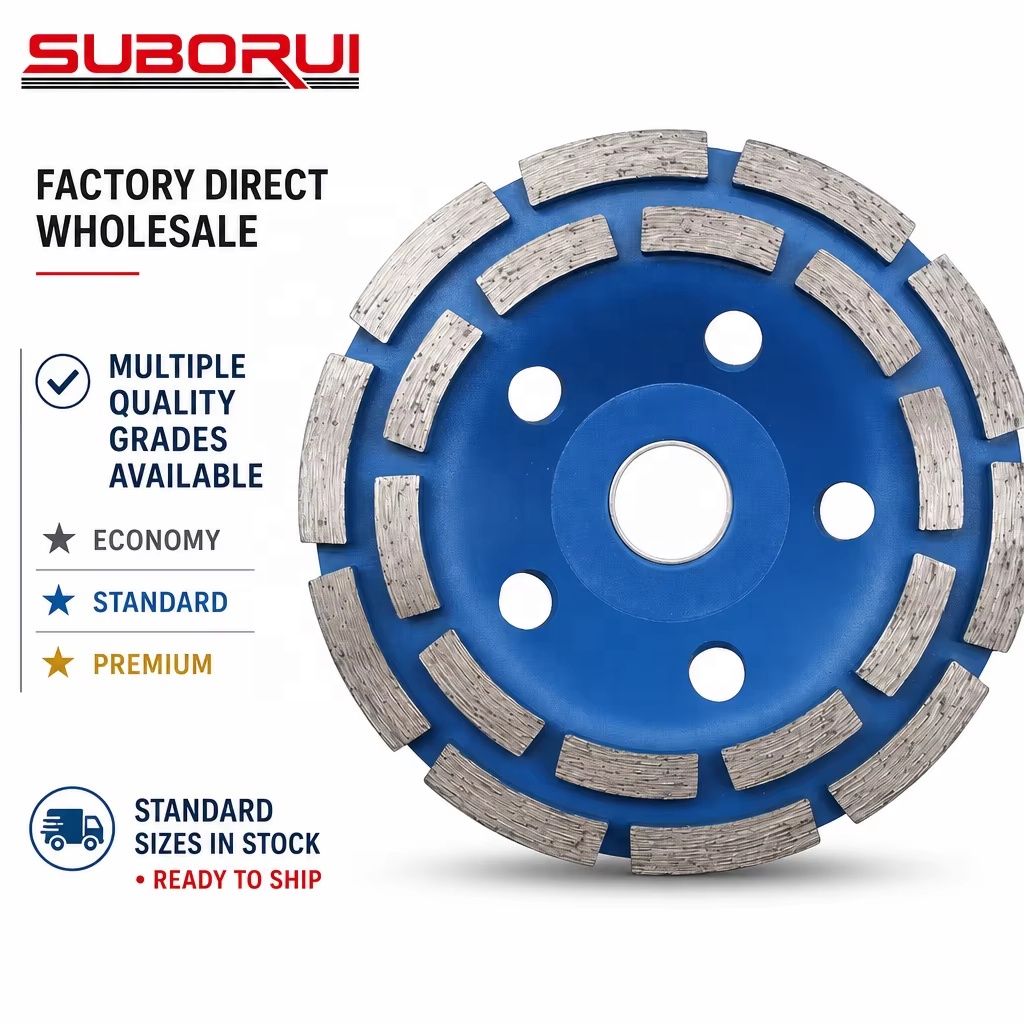
| Vacuum Brazed Diamond Core Bit (M14 / Hex) | Diamond Mohs 10 (Vickers >8000) | Dense Porcelain (Mohs 8–9), Dekton, Granite, Quartz | 1,800 – 11,000 RPM | Dry (Internal wax) or Water Feed | 80 – 180+ Holes |
| Electroplated Diamond Core Bit | Diamond Mohs 10 | Thin Ceramic, Marble Slabs, Decorative Glass | 800 – 1,500 RPM | Mandatory Continuous Water | 20 – 40 Holes |
When executing installations into vitrified porcelain backed by reinforced concrete, selecting the appropriate cutting system prevents catastrophic tile cracking. Professional contractors utilize high-speed vacuum-brazed diamond cores to core cleanly through the brittle porcelain skin, transitioning to our SDS-Plus or SDS-Max 4-cutter cross carbide hammer bits once the concrete structural substrate is reached. This dual-step methodology optimizes both tooling cost and structural anchor integrity.
Cyprus Construction Realities & Localized Applications
Analyzing drilling tooling consumption across Limassol high-rises, Paphos luxury coastal developments, and Nicosia infrastructure renewal.
Limassol Waterfront High-Rises
Limassol’s rapid vertical expansion—defined by projects such as Trilogy Limassol Seafront, City of Dreams Mediterranean, and luxury residential towers—relies heavily on imported Italian and Spanish porcelain cladding (up to 20mm thickness) and sintered stone. Coastal exposure to aerosol chlorides demands non-spalling fastener penetrations through tiles into marine-grade C35/45 concrete, requiring precision diamond coring without micro-stress fractures.
Paphos & Ayia Napa Resort Refurbishments
Hospitality renovations operate under aggressive seasonal deadlines before tourist arrivals. Tile installers routinely core thousands of anchor holes in swimming pool copings, anti-slip vitreous ceramic decks, and local Lefkara limestone (calcarenite). Our hex-shank vacuum-brazed dry bits with internal cooling paraffin wax eliminate messy water management indoors, reducing installation labor by 35% on fast-track refits.
Nicosia Commercial & Civil Sector
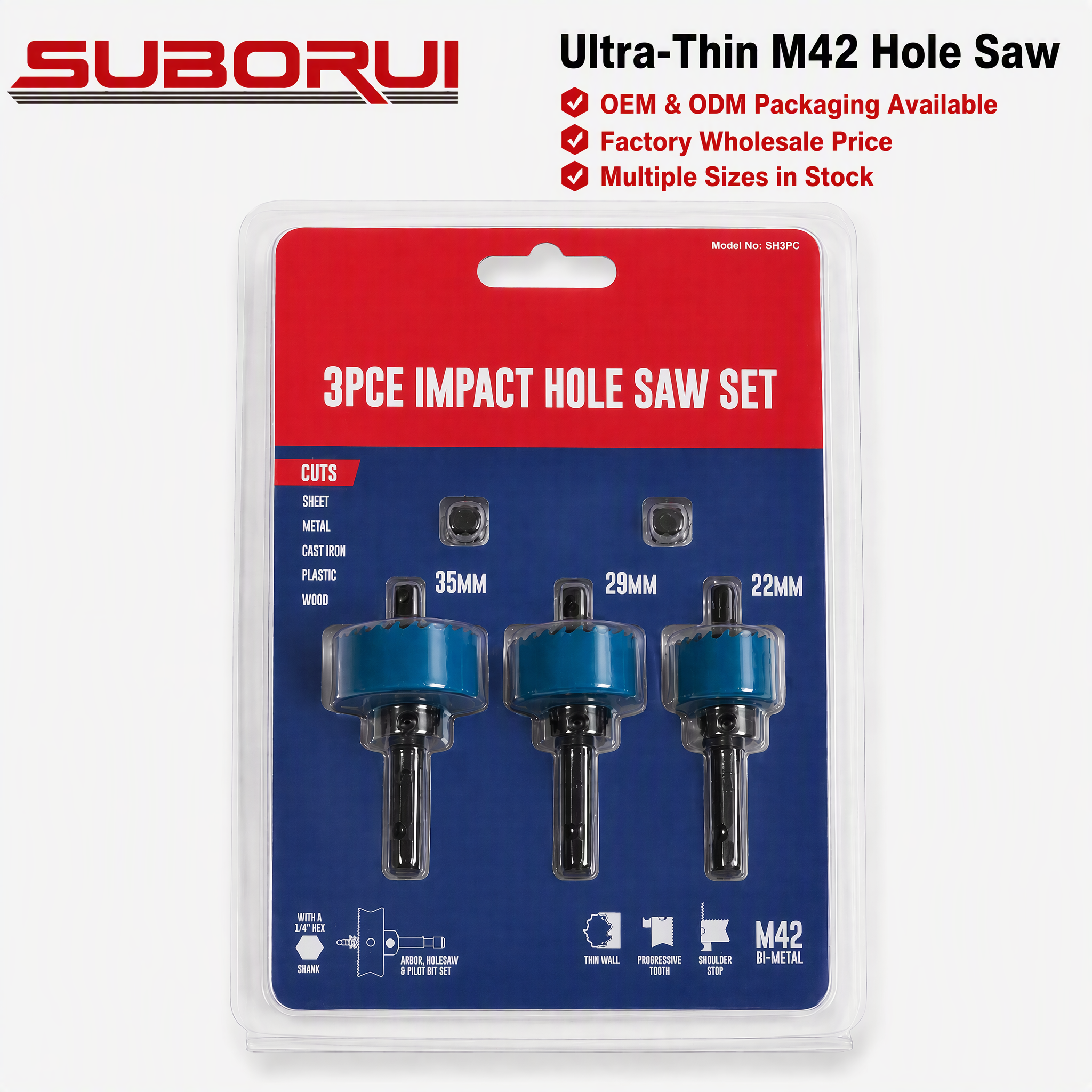
In the capital, corporate office headquarters, data centers, and government builds necessitate extensive mechanical, electrical, and plumbing (MEP) installations. Passing pipework and conduit runs through reinforced masonry, ceramic tiled utility rooms, and structural steel decking mandates integrated kits containing M42 bi-metal hole saws and multi-diameter core bits capable of handling heterogeneous building materials.
Emerging Construction Trends Shaping Cyprus Tool Procurement (2025–2030)
The Cypriot hardware and construction supplies distribution market is experiencing a structural evolution. Several macro factors dictate the inventory requirements of leading importers and distributors located in Nicosia, Limassol, and Larnaca:
1. Proliferation of Ultra-Large Format Porcelain Slabs (XL Slabs): Architectural preferences have swung decisively toward 1200×2400mm and 1600×3200mm sintered stone panels for bathroom envelopes, countertops, and exterior ventilated facades. Traditional percussion drilling instantly shatters these tensioned slabs. Wholesale demand has consequently surged by over 45% year-on-year for M14 angle-grinder vacuum-brazed core bits operating at 10,000–12,000 RPM, which generate frictionless grinding rather than impact pulverization.
2. Strict Eurocode Compliance & Seismic Anchoring: Under Eurocode 2 (EN 1992-4) regulations applicable in Cyprus, structural anchor holes in reinforced concrete must strictly adhere to specified diameter tolerances. Oversized or elliptical holes drilled by substandard bits compromise chemical anchor paste adhesion. Our DIN-certified manufacturing processes ensure our cross-tip SDS hammer drill bits maintain runout tolerances under 0.03mm over extended cycle lives.
3. Elimination of Middlemen via Direct OEM Importation: Historically, Cypriot hardware merchants sourced consumables through regional trading houses in Greece, Italy, or the UK. Rising container shipping efficiency directly into the Port of Limassol has driven major hardware chains and contracting syndicates to establish direct factory connections with Intertek-verified manufacturers in China, unlocking margin improvements of 28% to 42% on consumable drill bits and abrasives.
Jiangsu WRD Tools Co., Ltd. Factory Excellence
Continuous investment in fully automated CNC flute grinding, salt-bath heat treatment, and verified industrial quality management since 2007.
Six-Stage End-to-End Quality Verification Protocol
Maintaining drill bit concentricity and flute integrity across millions of units demands uncompromising metallurgical discipline. At our 12,000 m² facility, our quality control regime oversees every phase of fabrication:
Step 1: Spectrometric Raw Material Verification: Every batch of incoming M2, M35 (5% Cobalt), M42 (8% Cobalt), and virgin tungsten carbide bar stock undergoes chemical analysis to verify elemental composition, eliminating brittleness caused by excessive carbon or trace impurities.
Step 2: Controlled Heat Treatment & Austempering: Utilizing computer-regulated vacuum hardening and salt-bath quenching, tooling cores achieve balanced core toughness while cutting edges hit prescribed Rockwell hardnesses (HSS M35: HRC 64–66; Carbide tips: HRA 90–92).
Step 3: Five-Axis CNC Grinding: Flutes, clearance angles, and 135° split points are ground from solid hardened blanks in a continuous liquid-cooled pass to eliminate thermal stress cracks and micro-burrs.
Step 4: Vacuum Brazing & Surface Passivation: For tile diamond bits, synthetic diamonds are furnace-brazed in high vacuum environments using nickel-chromium active alloys, achieving metallurgical bonding that prevents diamond stripping under extreme shear heat.
Step 5: Dynamic Runout & Torque Testing: Sample bits from every production cycle are subjected to destructive torque tests and optical projector checks, verifying runout tolerances below 0.02mm to prevent wobbling in hand drills.
Step 6: Automated Custom Packaging: In-house thermoforming, laser marking, and blister-sealing lines package finished products according to private-label distributor specifications, complete with EAN/UPC barcoding and multi-lingual consumer guidelines.
Frequently Asked Questions for Cyprus Buyers
Practical answers addressing tariffs, logistics via Limassol Port, custom OEM branding, and site compatibility.
What are the primary shipping routes, transit times, and ports of entry for Cyprus tool shipments? +
What EU customs regulations, TARIC codes, and duties apply when importing drill bits into Cyprus? +
What are the minimum order quantities (MOQ) for custom private-label branding in the Cypriot market? +
How do WRD tile bits manage the extreme hardness of imported Italian Gres Porcellanato tiles? +
Can you supply specialized shanks matching tools preferred by Cypriot contractors? +
• 1/4" Hex Shank (DIN 3126-E 6.3): For quick-release impact drivers and battery drills.
• M14 Threaded Arbors: Directly compatible with standard European variable-speed angle grinders for high-speed dry tile coring.
• SDS-Plus & SDS-Max: Precision-machined retaining grooves designed for professional rotary hammers handling through-hole masonry anchoring.
• Straight & 3-Flat Cylindrical Shanks: Designed to eliminate chuck slippage in standard 10mm and 13mm three-jaw chucks.