Verified Precision Tooling
Featured Industrial Drill Bits & Cutters
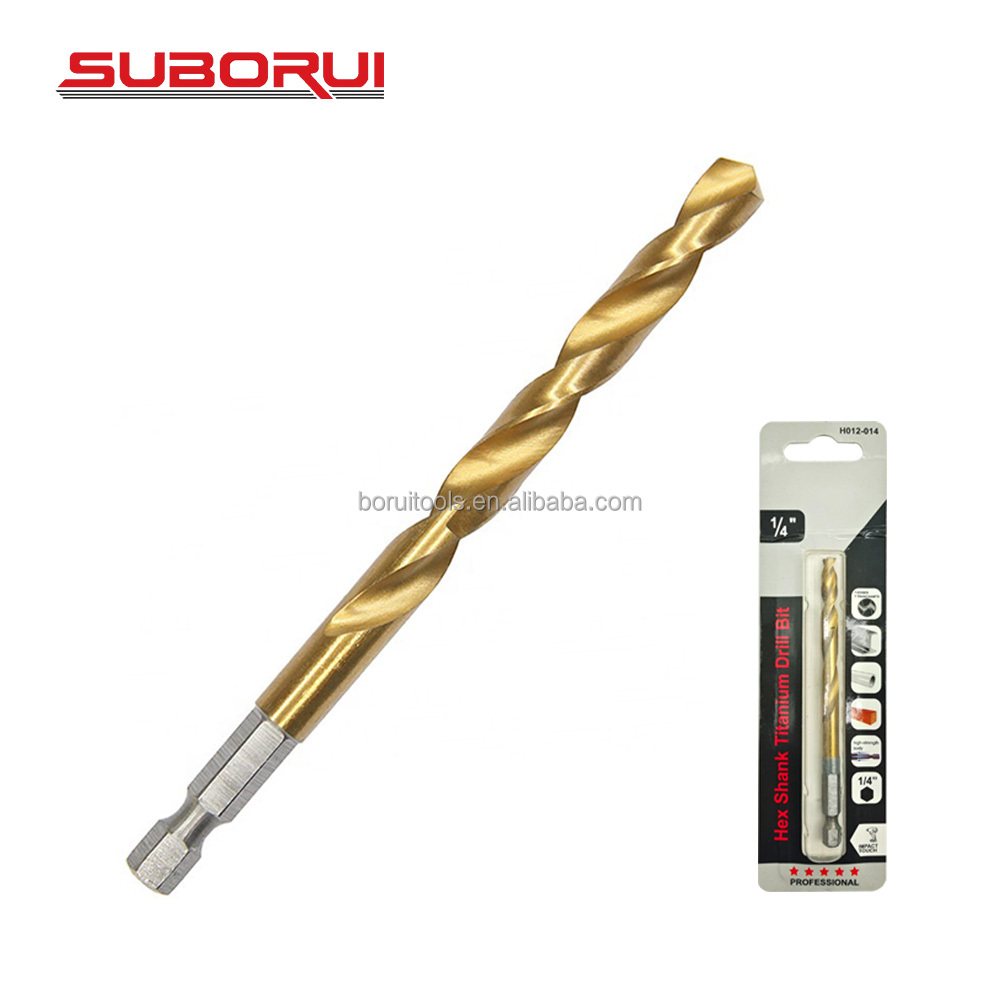
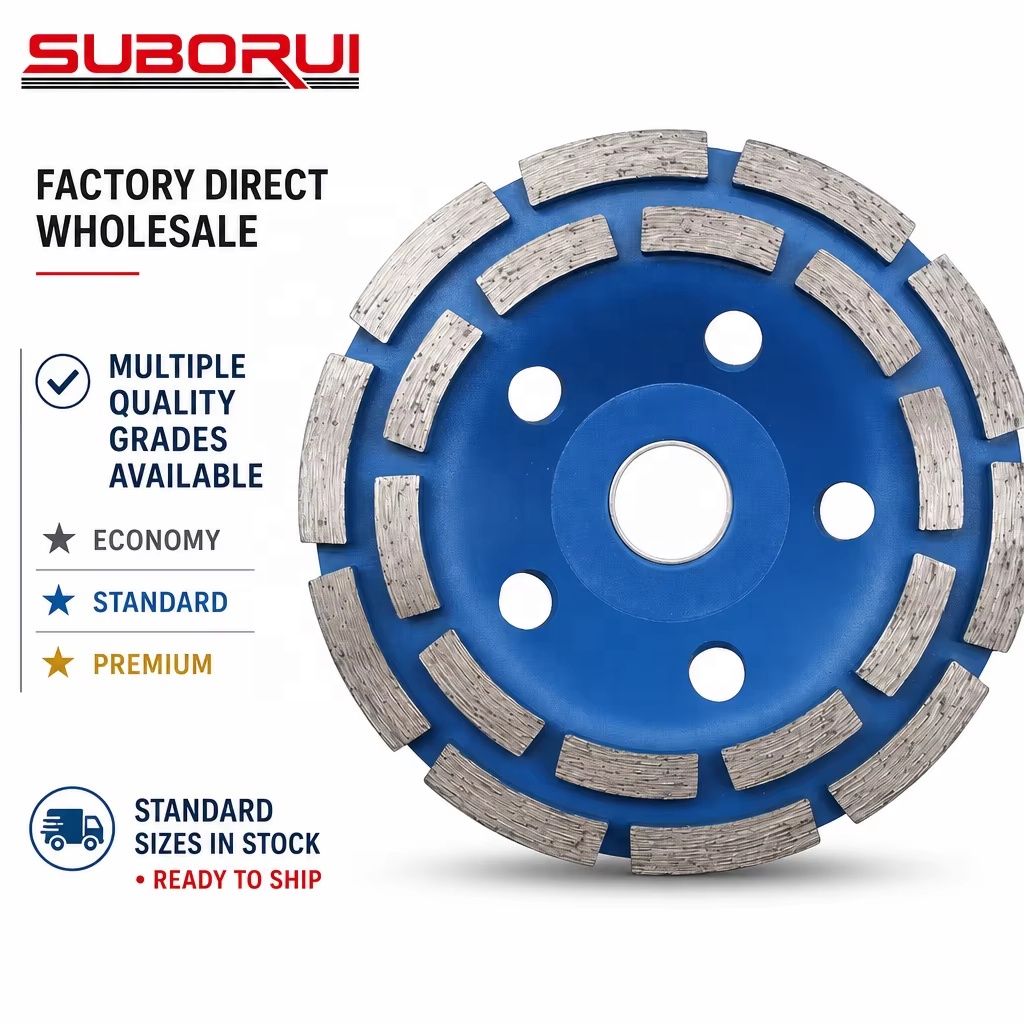
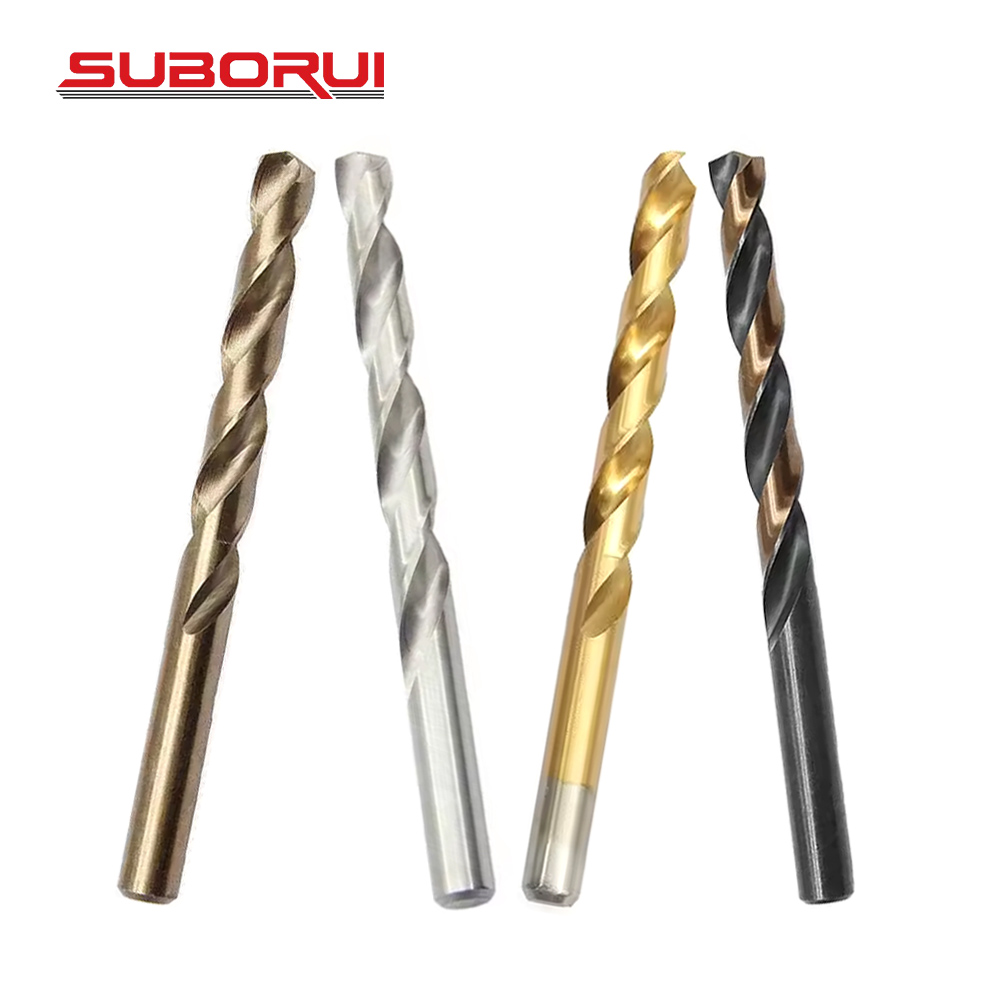
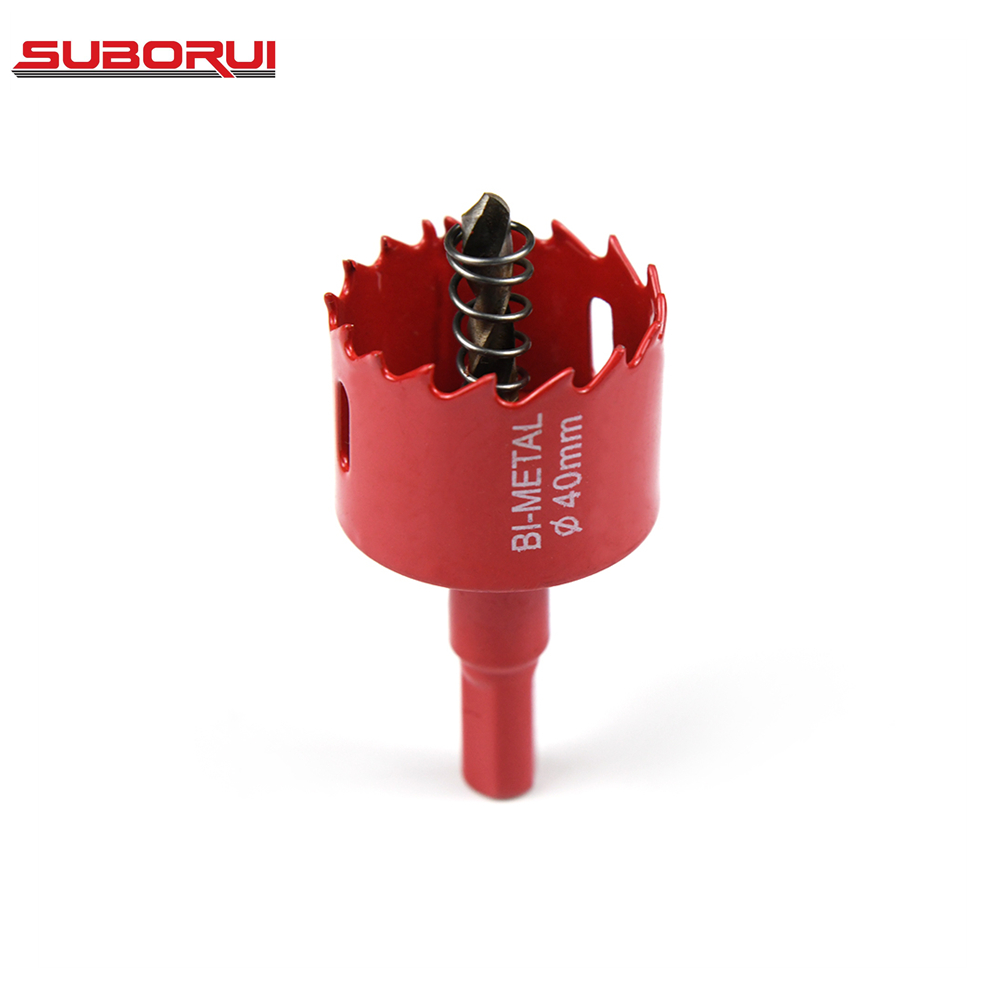
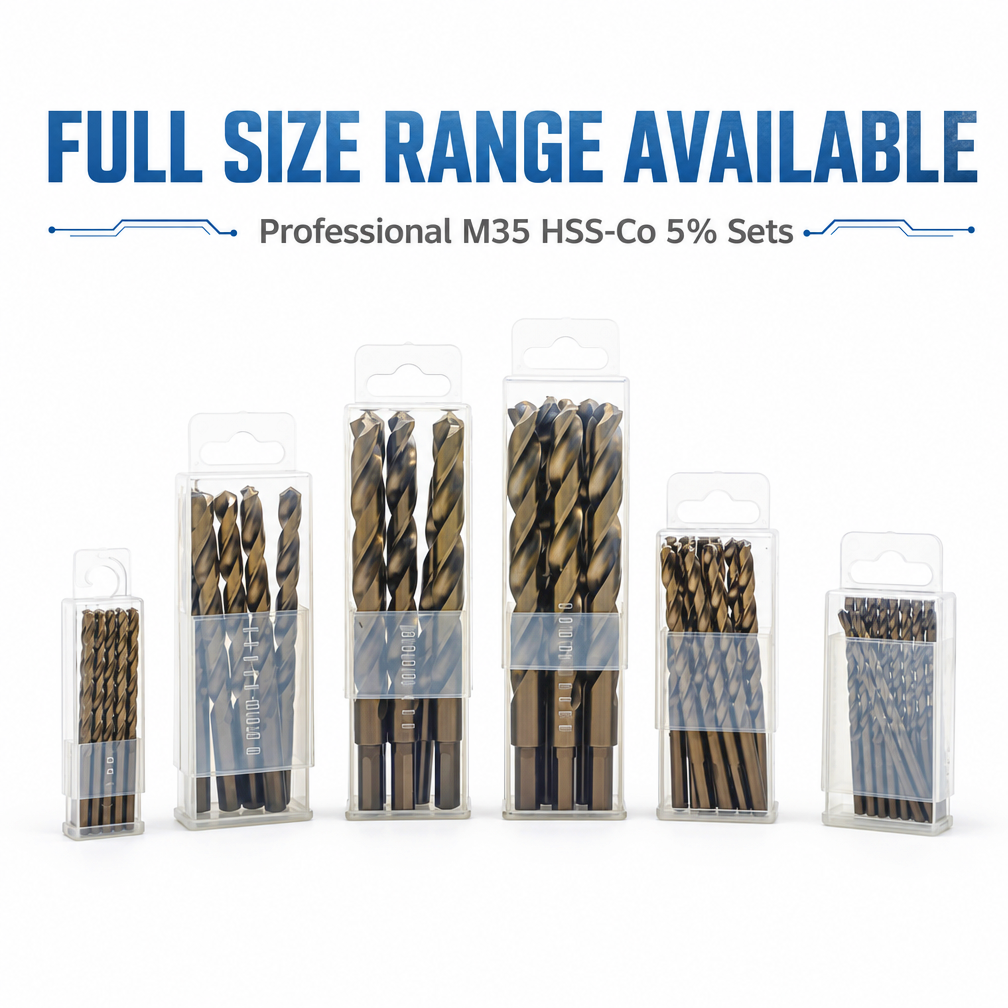
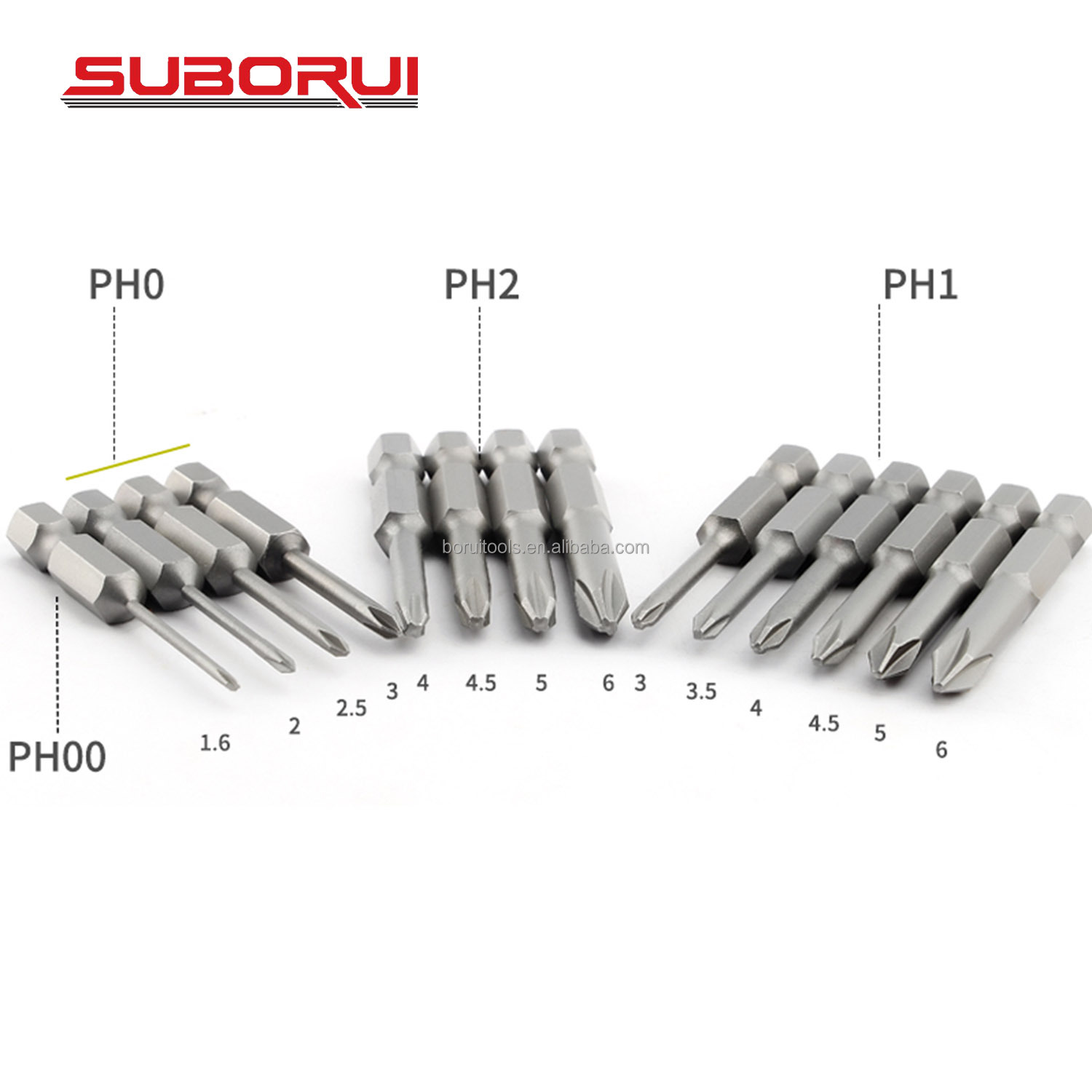
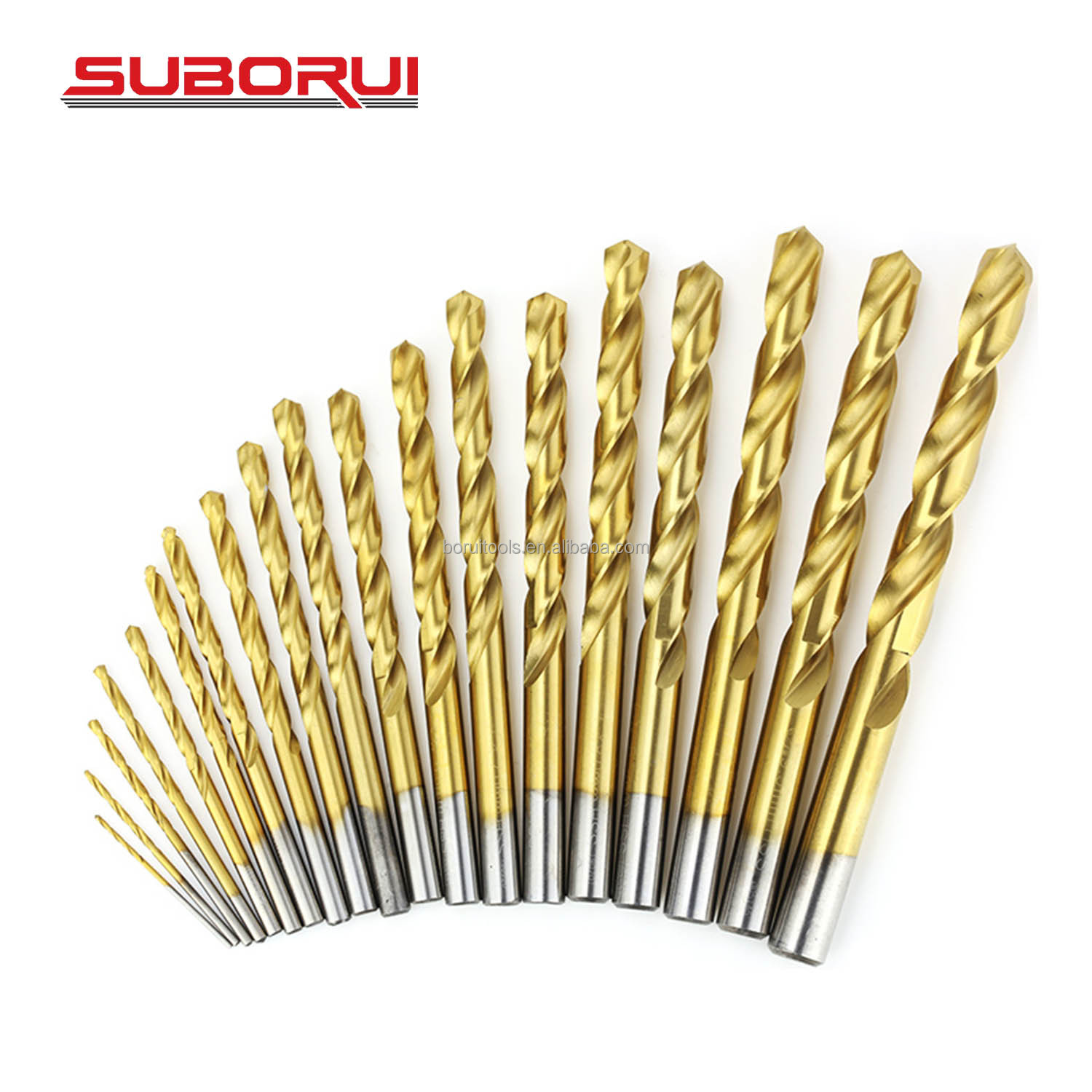
Directly manufactured under DIN, ISO, and ANSI dimensional standards. Available for direct export to engineering, geothermal, and fabrication hubs in Kópavogur and the Greater Reykjavík area.
2007
Founded in Danyang Cluster
12,000 m²
Dedicated Plant Area
90M+
Annual Bit Capacity
Intertek
Onsite Audited Supplier
Global Manufacturing Infrastructure
Engineering Integrity Behind WRD Tools
Jiangsu WRD Tools Co., Ltd. operates in Danbei Town, Danyang, Jiangsu — the world center of HSS rotary tooling. By maintaining end-to-end oversight from steel billet spheroidization to CNC final grinding, we provide commercial and industrial distributors in Kópavogur with absolute quality consistency.
Intertek Onsite Audit
Our chemical composition spectroscopy, vacuum hardening plants, and multi-axis CNC production cells are independently certified on-site by Intertek, ensuring total traceable compliance to DIN 345, DIN 338, and ANSI standards.
Global Tier-1 OEM Pedigree
With an annual throughput of 90 million units, our workshops have engineered customized cutting tool accessories for leading international brands including BOSCH, Milwaukee, DeWalt, Makita, and Heller.
Jiangsu High-Tech Enterprise
Approved as an official High-Tech Enterprise of Jiangsu Province in 2019, WRD tools holds proprietary patents in continuous flute relief profiling, subland core step geometries, and cryogenically assisted heat treatment.
Engineering Authority & Material Science
Technical White Paper: DIN 345 Morse Taper Drills
Understanding frictional fit torque transmission, flute dynamics, and cobalt carbide morphology in high-load industrial holemaking.
In heavy mechanical turning, structural steel erection, and industrial drilling machines, the **Morse Taper Shank Drill Bit (DIN 345 standard)** remains the definitive standard for transmitting heavy rotational torque directly from the machine spindle to the cutting lips without intermediate chuck slip. Unlike parallel shanks that rely entirely on the radial clamping pressure of three-jaw chucks, a Morse taper shank utilizes a precisely ground 1° 26' to 1° 30' taper (dependent on the MT size, ranging from MT1 to MT6). This tight metal-to-metal contact leverages the wedging friction angle to lock the tool coaxially into the machine spindle, supported by a drive tang at the heel that interfaces with the drive drift slot for emergency anti-slip security during peak torsion.
In high-torque drilling environments, radial run-out (TIR) must not exceed 0.02 mm across the entire flute body. Any concentricity discrepancy between the Morse taper axis and the drill flute core causes uneven lip loading, rapid margin galling, and hole bell-mouthing. At our Danyang factory, every Morse taper blank is center-ground between dead centers on CNC cylindrical grinding units before the spiral flutes are CNC CBN ground in a synchronized process. This prevents core runout from accumulating along extended drill lengths.
| Morse Taper Size | Standard Diameter Range (mm) | Taper Ratio per Foot | Dominant Application Matrix | Recommended Feed Rate (M2/M35 in Structural Steel) |
|---|---|---|---|---|
| MT1 | 3.0 mm – 14.0 mm | 0.59858:12 | Bench presses, precision lathe tailstocks, light instrumentation | 0.08 – 0.18 mm/rev |
| MT2 | 14.25 mm – 23.0 mm | 0.59941:12 | Radial arm drills, medium machine spindles, geothermal pipe manifolds | 0.15 – 0.28 mm/rev |
| MT3 | 23.25 mm – 31.75 mm | 0.60235:12 | Heavy pillar drills, structural steel processing, marine shipyard maintenance | 0.22 – 0.38 mm/rev |
| MT4 | 32.0 mm – 50.5 mm | 0.62326:12 | Heavy horizontal boring machines, marine shaft manufacturing, turbine flanges | 0.30 – 0.48 mm/rev |
| MT5 & MT6 | 51.0 mm – 100.0+ mm | 0.63151:12 | Ultra-heavy industrial forgings, mining equipment hubs, deep power generation flanges | 0.40 – 0.65 mm/rev |
Metallurgical Composition and Thermal Red-Hardness: The primary failure mode of industrial drill bits is thermal softening at the cutting lip edge caused by friction when swarf fails to clear rapidly. While HSS 4241 (W4Mo2Cr4VSi) suffices for softer mild structural steels, demanding commercial machining mandates **M2 (HSS 6542: 6% W, 5% Mo, 4% Cr, 2% V)** or **M35 Cobalt (containing 5% Co)**. Cobalt atoms diffuse into the steel matrix, elevating its Curie point and preventing martensite decomposition up to 600°C–650°C. When penetrating work-hardening materials like austenitic stainless steels (AISI 304, AISI 316L) or high-yield naval structural steels, M35 maintains a cutting edge hardness above 64–66 HRC, extending tool wear life five to eight times compared to standard roll-forged alternatives.
Geographic Integration & Industrial Utility
Localized Application Scenarios in Kópavogur & Iceland
Kópavogur, as Iceland’s second-largest municipality and an expanding center for light industrial workshops, commercial marine contracting, and infrastructure fabrication, presents demanding machining requirements governed by maritime exposure and geothermal chemistry.
Marine Fleet Refit & Coastal Engineering
Operating near the Faxaflói Bay marine ecosystem, engineering facilities in the Kópavogur and Grandi corridors frequently overhaul commercial trawler components, deck winches, and marine-grade stainless hardware (AISI 316). Our DIN 345 M35 Cobalt Morse Taper Drills deliver the cutting rigidity required to bore out seized pins, high-tensile propeller shaft sleeves, and saltwater-resistant structural plates without lip chipping.
Geothermal Power Station Manifolds
Iceland's geothermal infrastructure—supplying regional heating to Kópavogur, Garðabær, and Reykjavík—subjects steel pipeline flanges to hydrogen sulfide (H2S), extreme thermal cycles, and scaling. Boring thick alloy valves and high-temperature steam exchangers requires thick-web Morse taper tooling with parabolic flute geometry to clear heavy chips without coolant vapor lock.
Basalt Structural Anchoring & Civil Works
Kópavogur's commercial and residential construction sectors anchor deep into dense, volcanic basalt rock and reinforced precast slabs. Our complementary line of cross-tip SDS hammer bits, diamond segment grinding cups, and core barrels are engineered to resist aggressive wear from abrasive Icelandic volcanic aggregate.
Market Evolution & Regional Trends
Future Trends in Icelandic Industrial Procurement
Direct-from-factory procurement is reshaping how Icelandic workshops and hardware distributors maintain competitiveness against rising Nordic logistics costs.
Elimination of Middleman Markups
Historically, engineering workshops in Kópavogur procured German or British branded cutting tools through intermediate Scandinavian trade distributors. Local machine shops are increasingly bypassing regional markups by working directly with Tier-1 OEM Chinese manufacturers who produce for global brands, cutting procurement costs by 35% to 55% while maintaining identical DIN specifications.
Sustainability & Tool Regrindability
In support of Iceland's net-zero and low-waste industrial initiatives, machine shops avoid disposable, low-grade bits. A fully ground DIN 345 Morse taper drill manufactured from homogenous M2 or M35 high-speed steel can be reground up to 15 to 20 times across its service life without losing structural integrity or hardness.
Consolidated Consumable Shipments
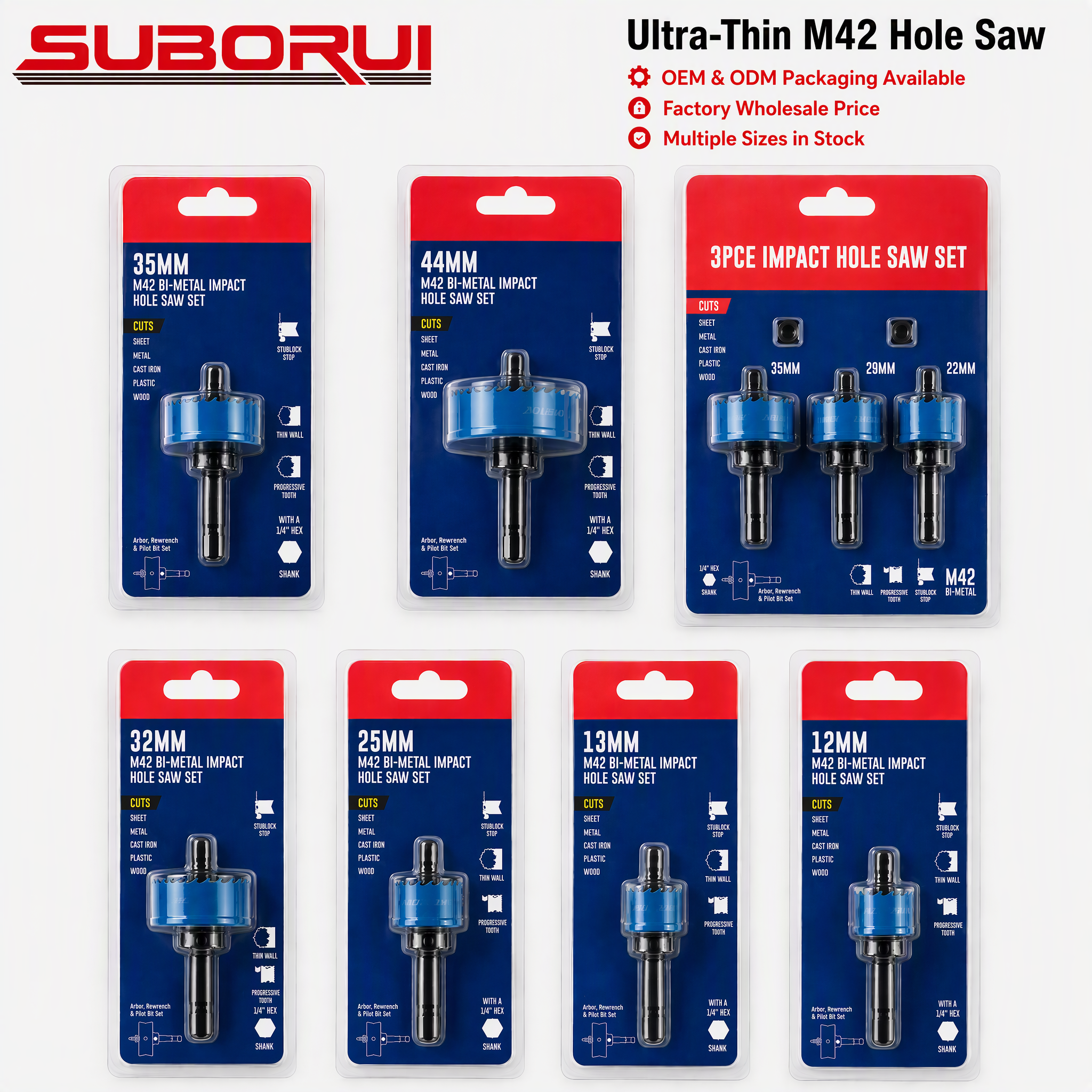
Due to air freight expenses and maritime shipping routes into ports like Sundahöfn, Icelandic procurement teams consolidate their wear tooling orders. Pairing Morse taper drills with annular cutters, bi-metal hole saws, and S2 screwdriver bits into single factory-direct container shipments reduces logistics overhead while standardizing quality controls.
Procurement Knowledge Base
Frequently Asked Procurement Questions
Practical technical and logistical answers for purchasing managers, machine shop foremen, and hardware distributors in Kópavogur.
How do DIN 345 Morse Taper Drills compare to standard straight shank drills used with sleeves?
Straight shank drill bits held inside a secondary three-jaw chuck or conversion sleeve introduce stack-up runout, which typically exceeds 0.08 mm TIR. Under high feed loads (such as drilling 25 mm+ holes in structural steel), the radial gripping force of a drill chuck can slip, damaging both the shank and the chuck jaws. A DIN 345 Morse Taper Shank seats directly into the machine spindle or a hardened reducing sleeve, transmitting torque through self-locking tapers and an anti-rotation tang. This design eliminates slippage and maintains strict radial accuracy below 0.025 mm.
Which HSS grade is optimal for coastal maintenance and trawler refits in Kópavogur?
For general structural carbon steel (such as S235 or S355 profiles common in civil works), standard HSS M2 (HSS 6542) provides an excellent balance of wear life and edge toughness. However, for fishing vessel maintenance involving austenitic stainless steel (AISI 304/316) or high-tensile alloy winches, we recommend M35 Cobalt (5% Co). The cobalt alloy provides red-hardness that resists heat glazing and work-hardening at the cutting zone.
What are the freight options, customs documentation, and lead times from Danyang to Iceland?
Standard ocean freight routes from Shanghai Port to Reykjavík (via major European consolidation hubs such as Rotterdam or Hamburg) typically take 35 to 45 days. For urgent drilling projects or seasonal maintenance turnarounds, express air courier delivery direct to Keflavík International Airport (KEF) takes 5 to 7 business days. WRD Tools supplies all required commercial export invoices, packing lists with detailed HS code classifications (HS Code 8207.50 for interchangeable drill tooling), and official Certificates of Origin to expedite customs clearance through Icelandic authorities (Skatturinn).
Can WRD Tools customize point angles, tang designs, or apply private labels for Icelandic tool brands?
Yes. As an authentic OEM/ODM manufacturer with 150+ staff across a 12,000 m² facility, full customization is standard. We offer custom point splits (such as 118° for general mild steel or 135° split point for work-hardening alloys), specialized parabolic flutes for deep geothermal drilling, TiN / TiAlN physical vapor deposition coatings, high-resolution laser shank branding, and retail blister or metal box packaging tailored to local brand specifications.
What is the Minimum Order Quantity (MOQ) for Morse Taper Shank drill bits?
Because larger Morse taper drills (MT3 through MT5) represent larger physical pieces, our standard production runs start at just 50 to 100 units for larger sizes, and 300 to 500 units for smaller diameters (MT1/MT2). We also support customized sample evaluations for commercial qualification before bulk manufacturing contracts are finalized.
Direct Factory Engineering
Source Precision Morse Taper Tooling Direct
Connect directly with our engineering and export sales teams. Receive comprehensive DIN specifications, chemical grade analysis sheets, and competitive FOB/CIF quotation schedules for delivery to Kópavogur.