19+
Years Tooling Manufacturing
90M
Annual Tool Output Capacity
12,000m²
ISO-Audited Facility Area
20+
Export Destination Markets
Standardized & OEM Rotary Tooling
High-Performance Tooling Portfolio for Metro Vancouver
From micro-grain tungsten carbide tipped annular broaches to DIN-compliant cobalt alloy twist drills and laser-welded diamond grinding heads, our catalog delivers direct factory consistency for industrial procurement.
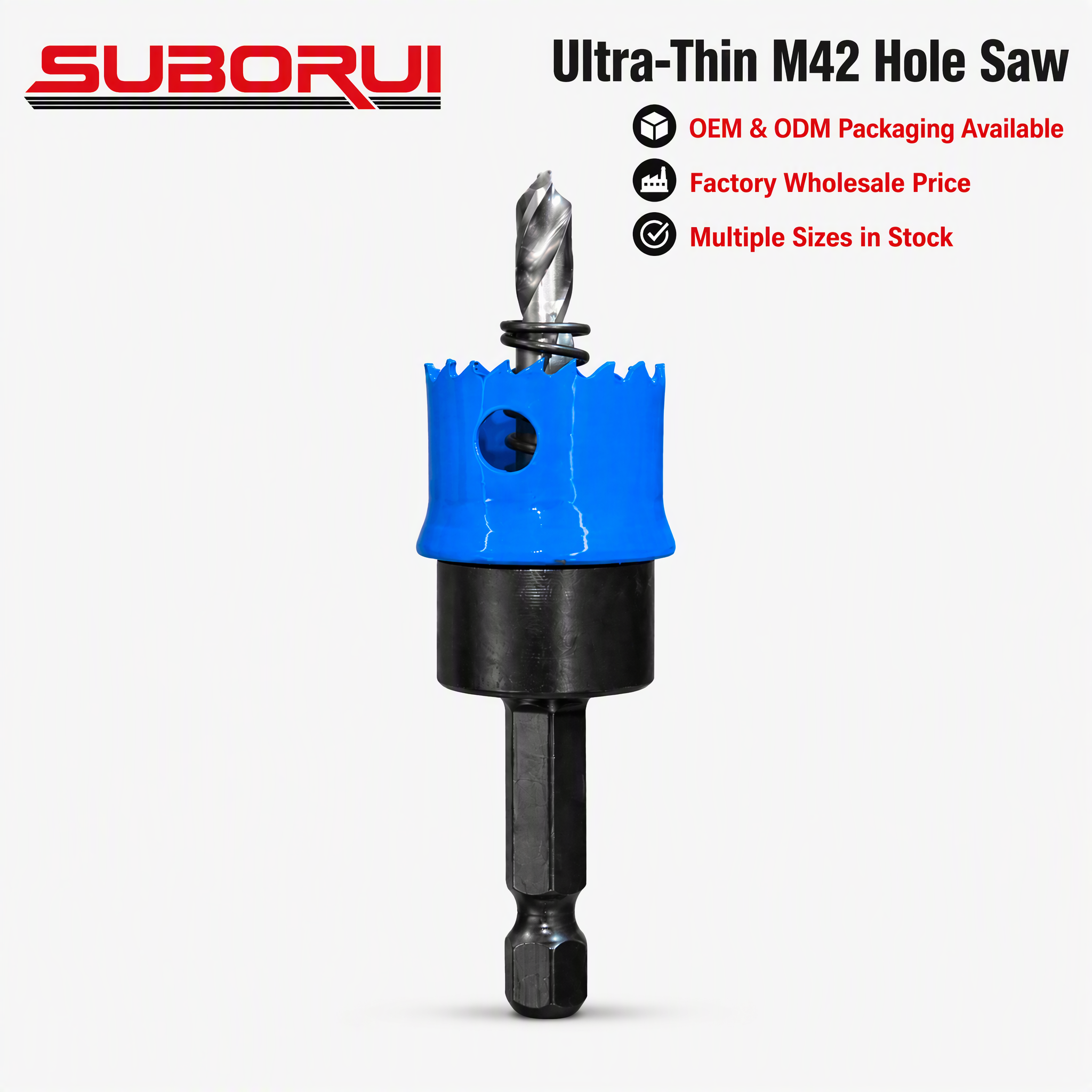
SUBORUI 14mm-50mm Hex Shank M42 Bi-Metal Hole Saw
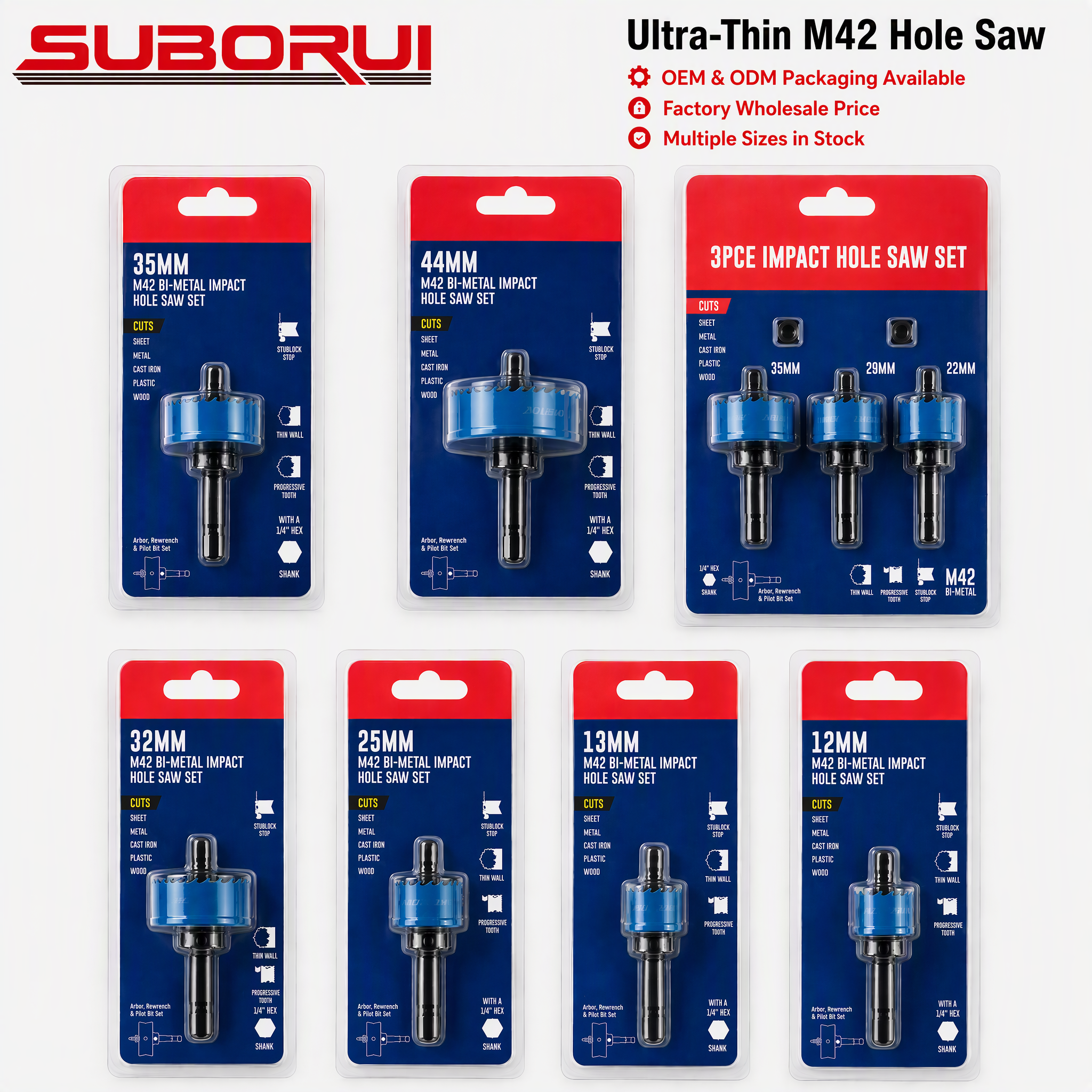
SUBORUI Premium 14mm-60mm 1/4" Hex Shank Hole Saw
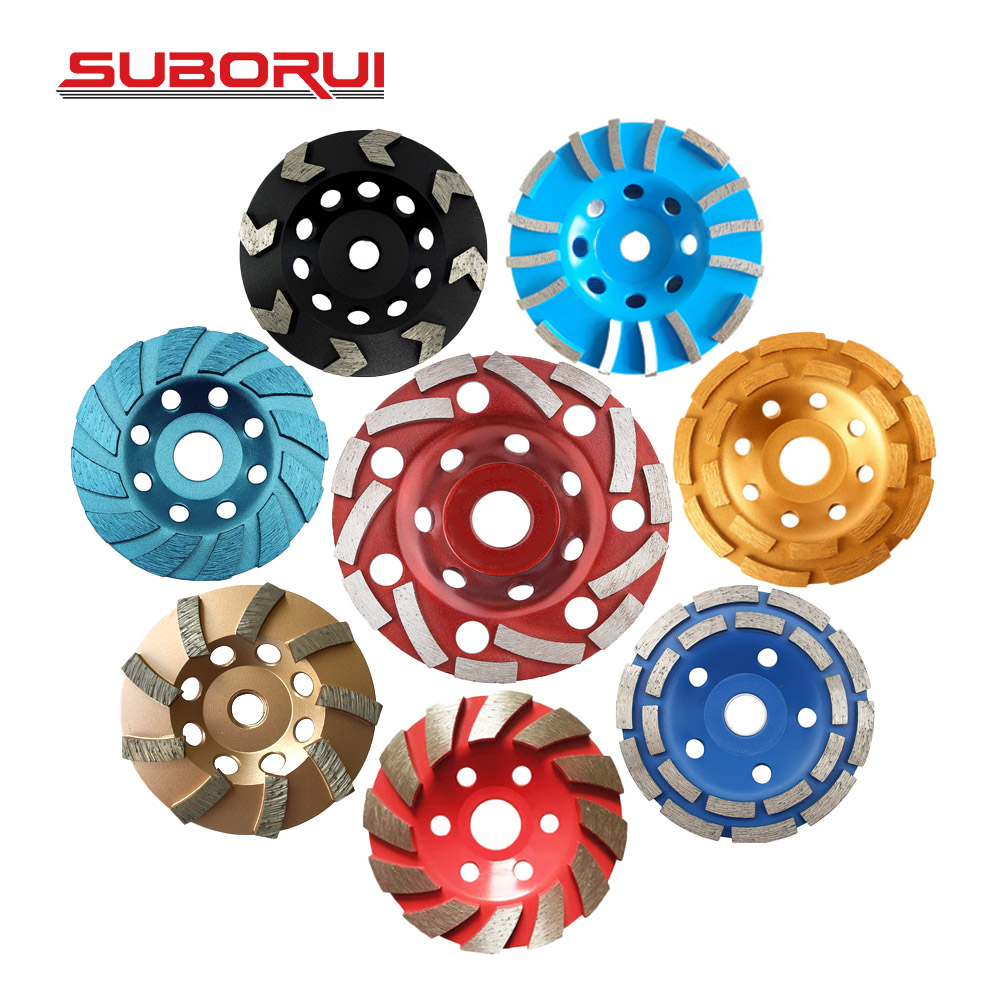
SUBORUI 4.5" Turbo Diamond Cup Concrete Grinding Wheel
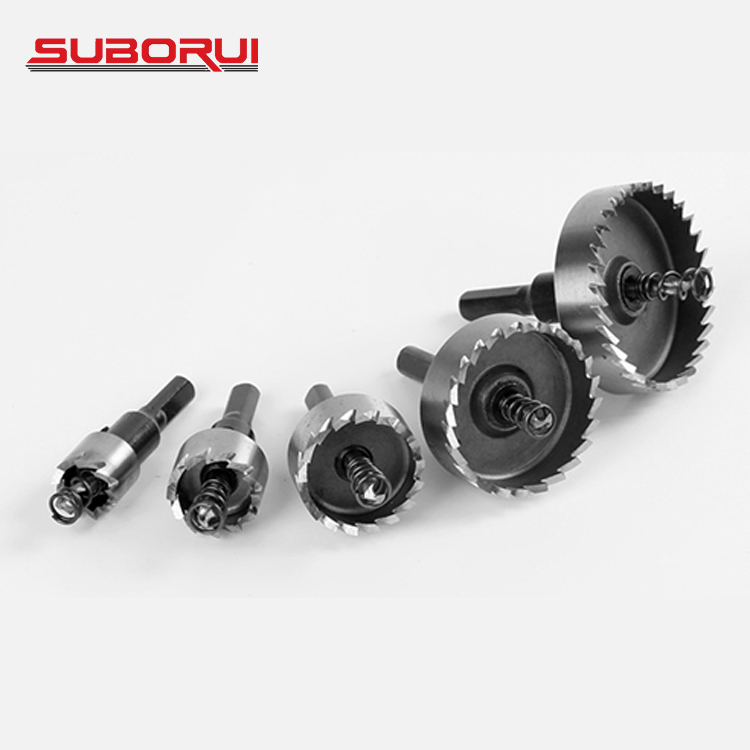
BORUI 12-80mm Industrial HSS Hole Cutter Set
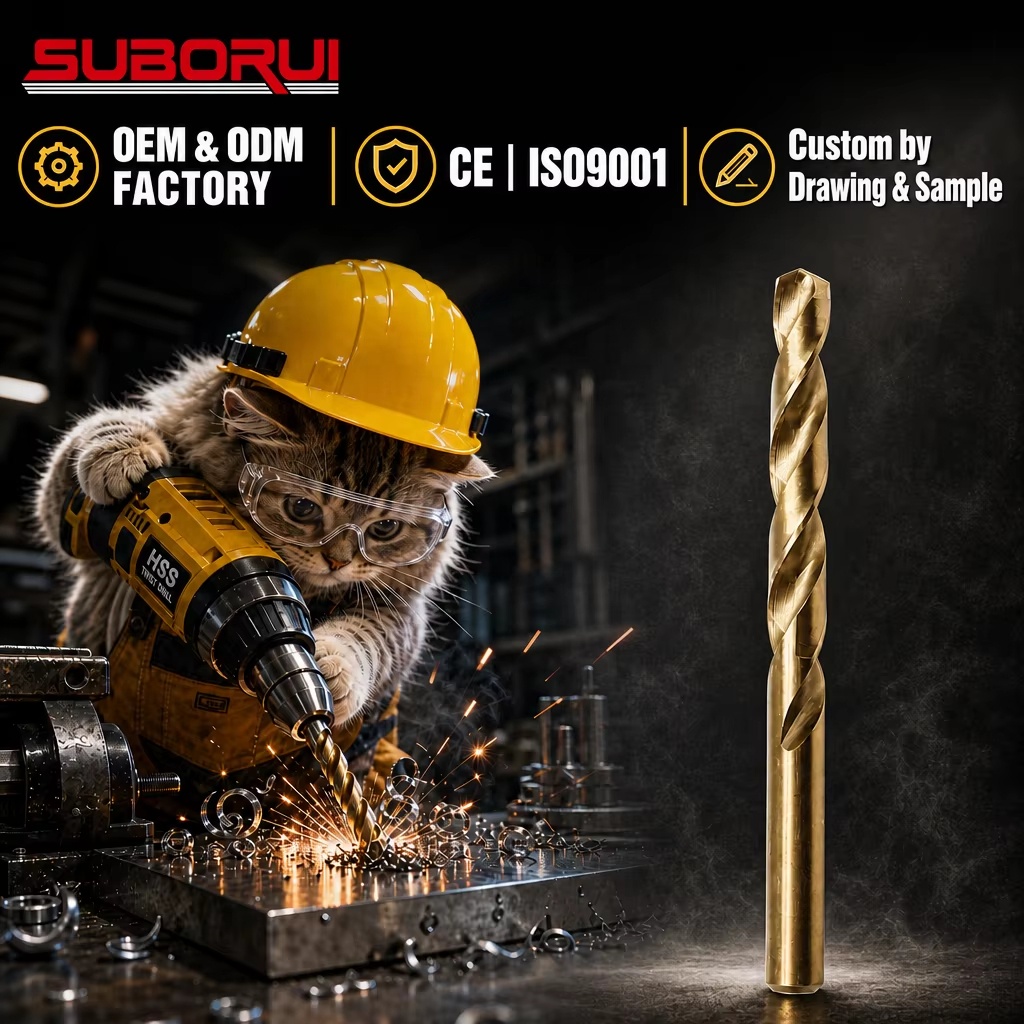
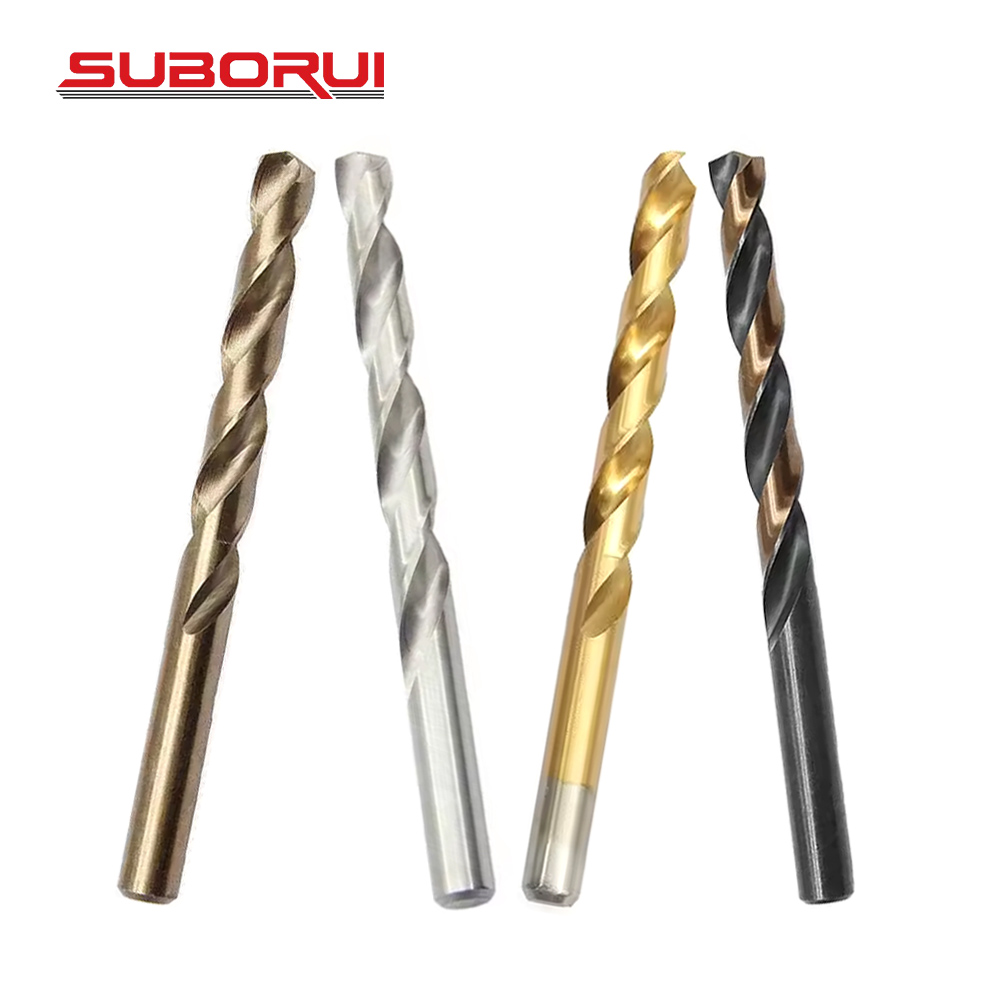
SUBORUI DIN338 135° CNC Spiral M35 Cobalt Twist Bit
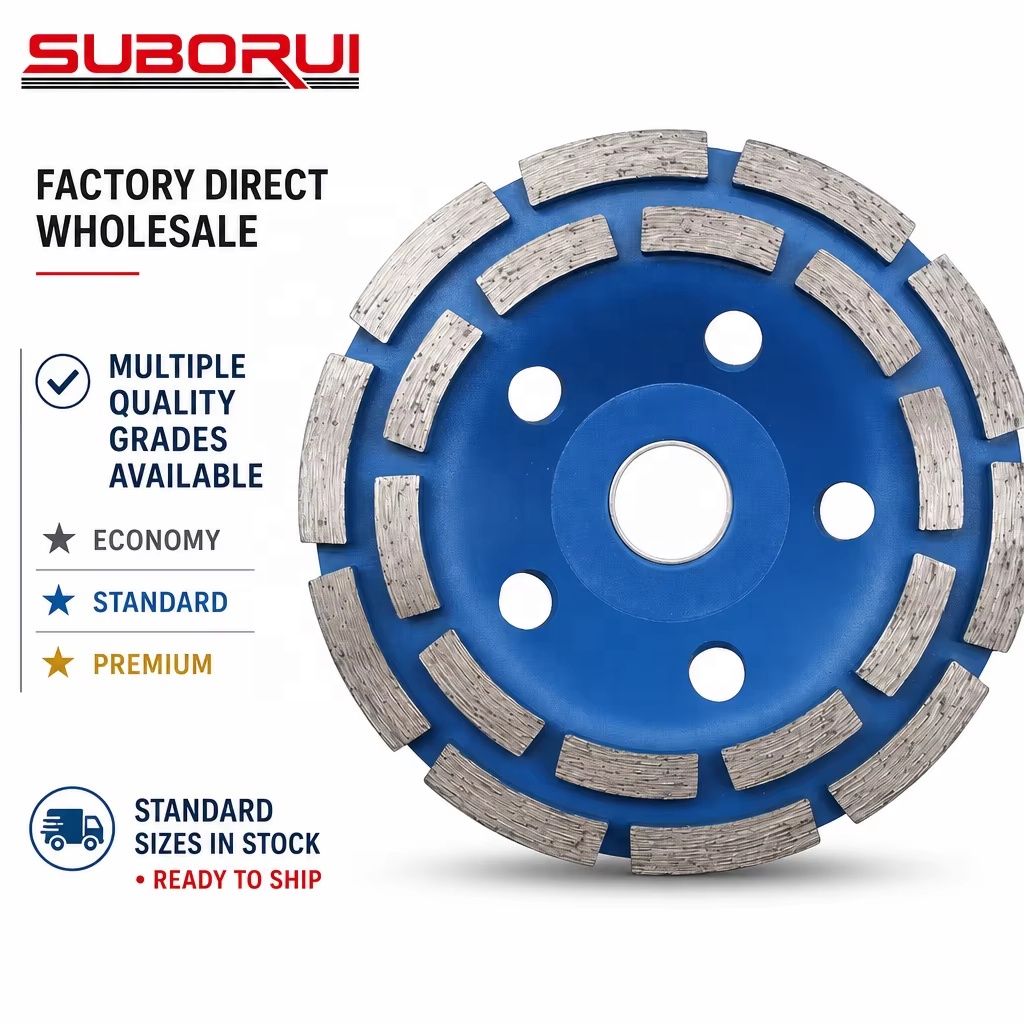
SUBORUI Double Row Segment Diamond Grinding Disc
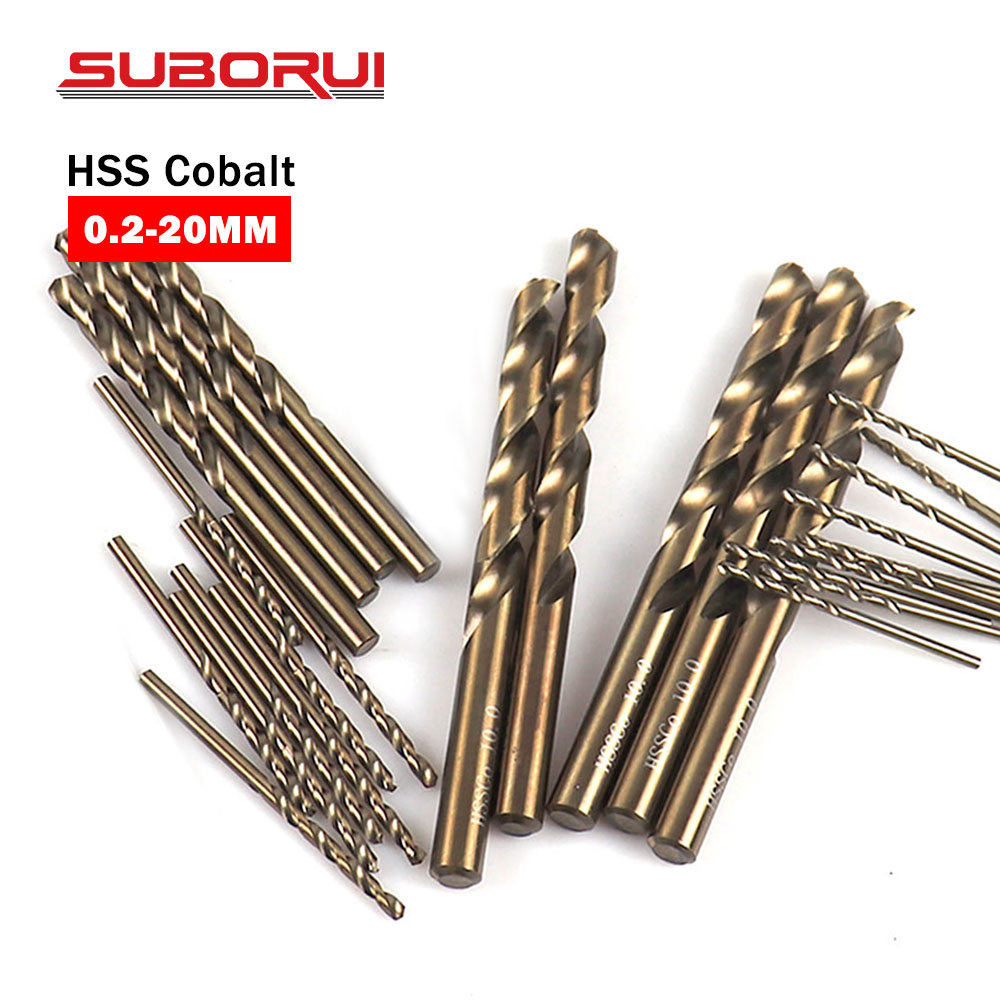
BORUI DIN338 M35 5% Co Imperial Amber Drill Bit
Engineering Whitepaper & Market Intelligence
Carbide Drilling Dynamics in British Columbia's Industrial Corridors
A technical guide evaluating micro-grain tungsten carbide, cobalt-alloy metallurgy, and specialized geometries against Southwestern BC's aggressive maritime, heavy civil, and structural manufacturing environments.
Procuring industrial drill bits for commercial and civil projects across the Greater Vancouver area, Fraser Valley, and Vancouver Island requires strict alignment with unique geological and material conditions. Unlike standard inland machining environments, tooling used along the Pacific Rim coastal boundary faces rapid galvanic corrosion vectors, abrasive composite substrates, and structural grade cold-formed metals compliant with strict Canadian seismic building standards (CSA S16 and CSA A23.3).
Whether drilling structural steel flange splices on marine terminals along Burrard Inlet, boring deep pilot apertures in dense Douglas Fir mass-timber assemblies in Surrey, or executing anchor placements in precast high-strength aggregate throughout Richmond and Burnaby, selecting a reliable carbide drill bit supplier directly affects operational cycle times, tool deflection tolerances, and net production cost per hole.
Marine Fabrication & Port Infrastructure
Naval shipyards in North Vancouver and terminal facilities along the Fraser River process high-alloy marine grade steels (316L, duplex stainless, and corten alloys). Drilling these work-hardening metals requires solid micro-grain carbide or cobalt M35/M42 tools with optimized 135° split points to prevent work burnishing and tool premature edge fracture.
Seismic Commercial & Civil Concrete
High-rise residential and commercial builds in downtown Vancouver and Burnaby utilize high-early-strength, silica-dense concrete mixes reinforced with heavy Grade 400W/500W rebar grids. TCT cross-head SDS-Plus and SDS-Max rotary hammer bits resist rebar deflection and impact blowouts during mechanical anchoring installations.
Mass Timber & Hybrid Prefabrication
BC is the world center for Cross-Laminated Timber (CLT) and Glulam fabrication. Hybrid timber-steel connections require high-precision, low-friction drill bits capable of penetrating dense multi-layer wood matrices cleanly without burning sap polymers, immediately followed by secondary structural steel fastener drilling.
Engineering Material Selection Guide
Tungsten Carbide vs. High-Speed Tool Steels: Technical Trade-Offs
Understanding hardness (HV/HRC), thermal resistance (red hardness), and transverse rupture strength (TRS) prevents costly tool failures on Vancouver job sites.
| Substrate Material | Hardness Range | Max Cutting Temp | Primary Industrial Applications (Vancouver Market) | Lubrication Best Practice |
|---|---|---|---|---|
| Solid Tungsten Carbide (WC-Co) | 1400–1800 HV (75–82 HRC equivalent) | Up to 900°C | High-speed CNC production, hardened mold steels (>45 HRC), abrasive fiber cement boards, aerospace composites. | Flood synthetic coolant or high-pressure through-spindle air mist. |
| TCT (Tungsten Carbide Tipped) | 1200–1500 HV tip matrix | Up to 800°C | Annular broaching in structural I-beams, heavy rebar-dense concrete drilling, heavy plate hole cutting on site. | Soluble cutting wax or gravity-fed magnetic base drill fluid. |
| HSS-Co M35 (5% Cobalt) | 65–67 HRC | Up to 620°C | Marine 304/316 stainless brackets, structural hollow section (HSS tubing) field drilling, general maintenance. | Chlorine-free sulfurized cutting oil to prevent galling. |
| HSS-Co M42 (8% Cobalt) | 67–69 HRC | Up to 650°C | Bi-metal hole saws for electrical panels, pipe fitting, sheet stainless cabinetry, titanium-alloy fasteners. | Light industrial cutting paste or mist lubricant. |
Information Gain Insight: While solid tungsten carbide offers unsurpassed abrasive wear resistance, its lower transverse rupture strength makes it vulnerable to sudden lateral shear forces when utilized in handheld power tools or unanchored magnetic drills. For field work across Lower Mainland mechanical sites, TCT annular cutters or fully-ground M35 Cobalt split-point bits often yield a superior cost-per-hole index and higher failure resilience under non-rigid setup conditions.
Market Dynamics & Future Outlook
Emerging Tooling Trends Across Vancouver & Southwestern BC
Strategic procurement considerations driving commercial tooling adoption over the current decade.
1. Strict Silica Dust Compliance (WorkSafeBC Mandates): WorkSafeBC regulations governing respirable crystalline silica (RCS) have overhauled concrete core and hammer drilling protocols across construction sites in Metro Vancouver. Tier-1 contractors increasingly mandate carbide hollow-core extraction drill bits connected directly to HEPA vacuums, demanding tighter concentricity tolerances and precise suction fluting to capture dust at the cutting interface.
2. Transition to Modular Off-Site Pre-Manufacturing: With commercial real estate premiums and labor bottlenecks in Vancouver, building components are progressively built inside factory facilities in Delta, Langley, and Abbotsford. These computerized timber and steel framing setups run carbide-tipped annular cutters and heavy-duty step drills continuously, prioritizing predictable bit replacement cycles and standardized bulk packaging over disparate retail purchases.
3. Deep Clean-Tech & Marine Decarbonization Projects: The ongoing expansion of clean maritime infrastructure, shore-power conversions at Port of Vancouver berths, and mining equipment refurbishment across Western Canada has accelerated demand for hard-metal cutting tooling engineered specifically for nickel alloys, Hardox abrasion plates, and thick naval hull steels.
Verified Factory Credentials
Why Major Tool Brands Partner With Jiangsu WRD Tools
Operating out of Danyang, China's premier precision cutting tool hub, WRD Tools operates an integrated 12,000m² manufacturing facility producing over 90 million units annually with comprehensive quality traceability.
Full In-House Metallurgy Control
From initial raw steel bar shearing, vacuum salt-bath hardening, to CNC 5-axis flute grinding and automated split-point dressing, every tool geometry is machined under rigorous ISO-standardized process monitoring.
Intertek Onsite Audited Facility
Our plant facilities, metallurgical testing labs, and quality management systems are independently inspected and verified onsite by the Intertek Group, ensuring complete regulatory transparency for North American supply chains.
Recognized High-Tech Enterprise
Certified as an official High-Tech Enterprise of Jiangsu Province since 2019, our specialized engineering workshops hold key design patents for proprietary chip evacuation flutes and prolonged thermal life.
OEM / ODM Global Proven Record
With an extensive production heritage dating back to March 2007, our production workshops have delivered private-label tooling programs to leading industry brands including BOSCH, Milwaukee, DeWalt, Makita, and Irwin.
High Capacity & Volume Economics
Producing over 50 million wood drill bits, 25 million twist drill bits, and 15 million hex-shank drivers annually, we offer direct tier-1 manufacturer container economics that eliminate distributor markups.
Custom Engineering & Laser Branding
Complete flexibility for private label distribution in Canada: custom flute lengths, non-standard Morse taper tapers, AlTiN/TiN PVD coatings, branded laser etching, and tailored plastic/metal boxed retail sets.
Procurement & Technical Support
Frequently Asked Questions: Vancouver Tooling Buyers
Direct engineering answers addressing logistics, metallurgical selection, minimum order sizes, and custom packaging for Canadian distributors and industrial buyers.
What shipping logistics are standard for bulk orders bound for Vancouver and BC?
Orders destined for Western Canada ship direct from our factory via container freight through Shanghai or Ningbo ports with direct ocean transit into the Port of Vancouver (Centerm, Vanterm, or Roberts Bank). Transit times typically range between 14 to 18 days on the water. For urgent engineering modifications or sample verification, air freight routes directly into Vancouver International Airport (YVR). We support standard Incoterms including FOB, CIF, and DDP to your designated distribution warehouse.
When should our Vancouver crew specify TCT over M35 cobalt twist drill bits?
Specify M35 Cobalt twist drills for portable hand drills, standard jobber lengths, and thin to medium gauge stainless steel (under 6mm thickness) where slight bit flex may occur. Choose Tungsten Carbide Tipped (TCT) tooling—such as TCT annular cutters or solid carbide end-drills—when drilling thick structural steel sections, abrasive plate steels (like Hardox), or in magnetic base drills and rigid CNC machines where tool deflection is minimized and high thermal endurance is critical.
What are your Minimum Order Quantities (MOQ) for OEM/Private Label orders?
Our standard MOQ varies by item categorization. Single HSS or carbide drill bit sizes generally start at 100 to 500 units per specification. Heavy TCT annular cutters and specialized hole saw kits start from just 10 sets. Custom packaged private-label sets featuring your corporate logo, custom laser marking on bit shanks, and branded plastic or metal cases generally start at 1,200 packaged sets.
How do your bits perform in Pacific Northwest heavy timber and abrasive cedar?
Western red cedar, Douglas fir, and engineered multi-layer Glulam present unique challenges: natural resins and tannins create high frictional drag that can burn out conventional high-carbon tool steels. Our specialized wood auger, Forstner, and brad-point series are ground with steep relief angles and ultra-polished flutes that rapidly eject wet wood chips without resin adhesion, extending tool life across timber frame manufacturing.
Can you supply dual imperial and metric sizing systems in the same shipment?
Yes. Given Canada's dual engineering reality—where structural steel, plumbing, and mechanical fasteners frequently alternate between Imperial fractional/wire gauges and Metric dimensions—we regularly supply combined tooling inventories. Fractional sizes (1/16" through 1/2"), wire sizes, and metric standards (1.0mm through 32.0mm) can be grouped within the same custom production schedule.
What coatings do you recommend for prolonged tool life in coastal marine environments?
For drilling abrasive marine steels in damp coastal environments, we recommend either our bronze oxide amber tempering (which enhances lubricity and prevents cold welding) or advanced physical vapor deposition (PVD) coatings such as Titanium Nitride (TiN) or Titanium Aluminum Nitride (TiAlN). TiAlN develops an aluminum oxide protective surface film under high drilling heat, substantially decreasing abrasive wear when drilling unlubricated structural field joints.
Direct Factory Tooling Sourcing for the Pacific Rim
Whether you require full container wholesale replenishment, bespoke private-label packaging programs, or custom engineered carbide bits for upcoming civil contracts, our technical export team delivers rapid quotations within 24 hours.
Contact Us