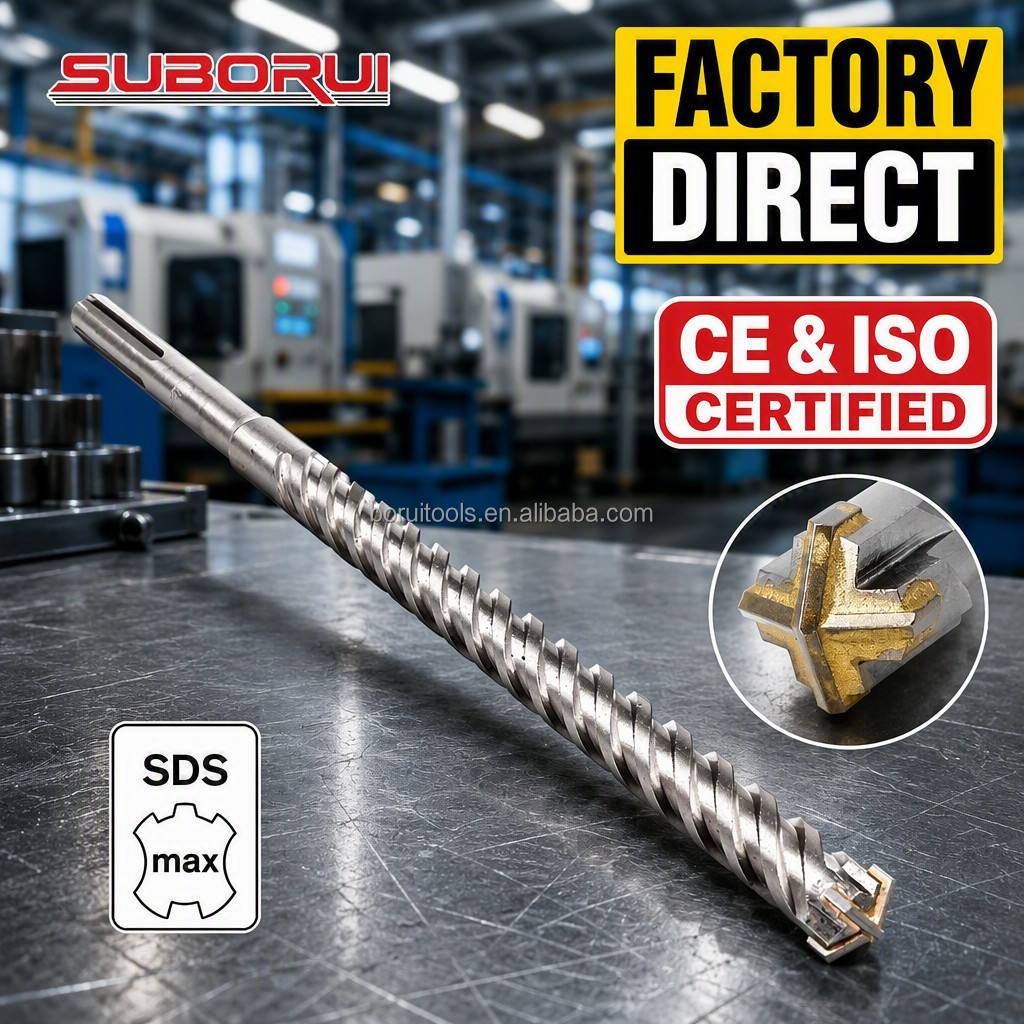
Precision Engineering Catalog
Featured Solid Carbide, Milling & High-Performance Industrial Tooling
Direct factory-manufactured tooling optimized for tight tolerance profile milling, 3D contouring, deep-hole drilling, and structural machining operations across Helsinki and the greater Uusimaa industrial ecosystem.
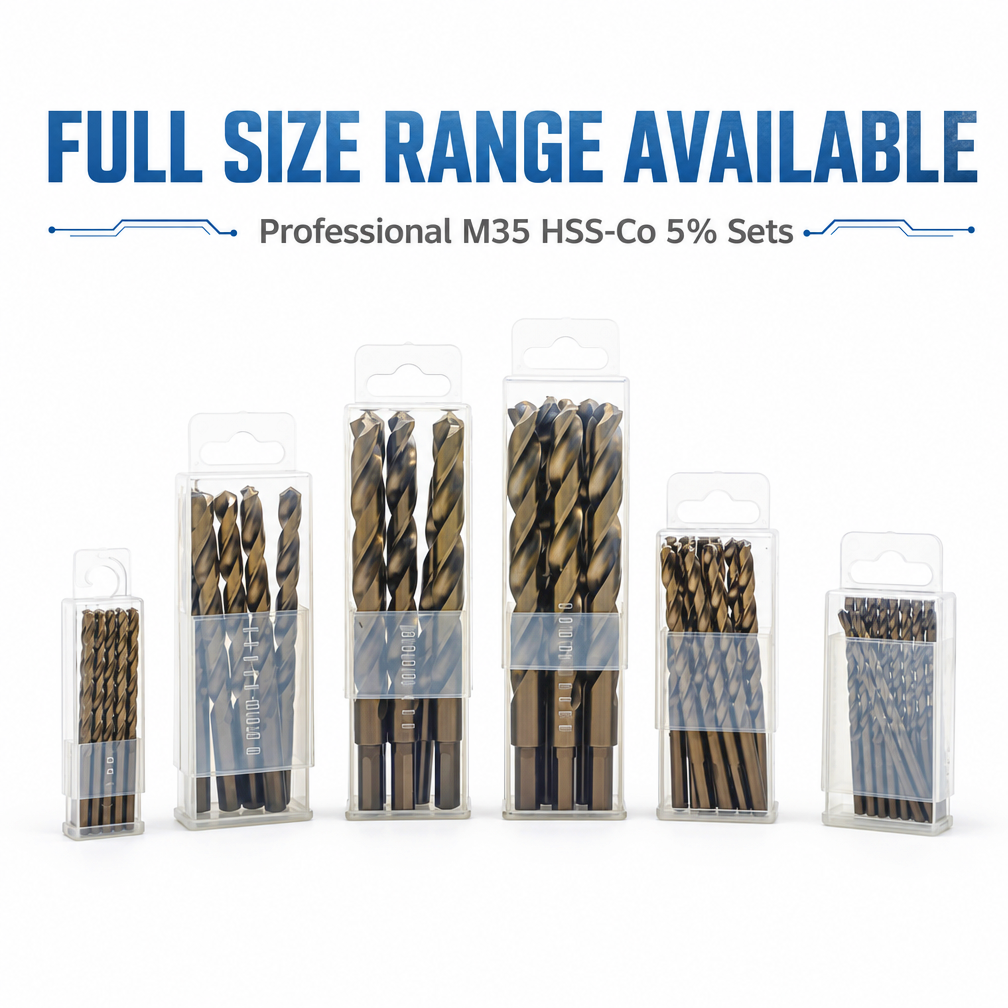
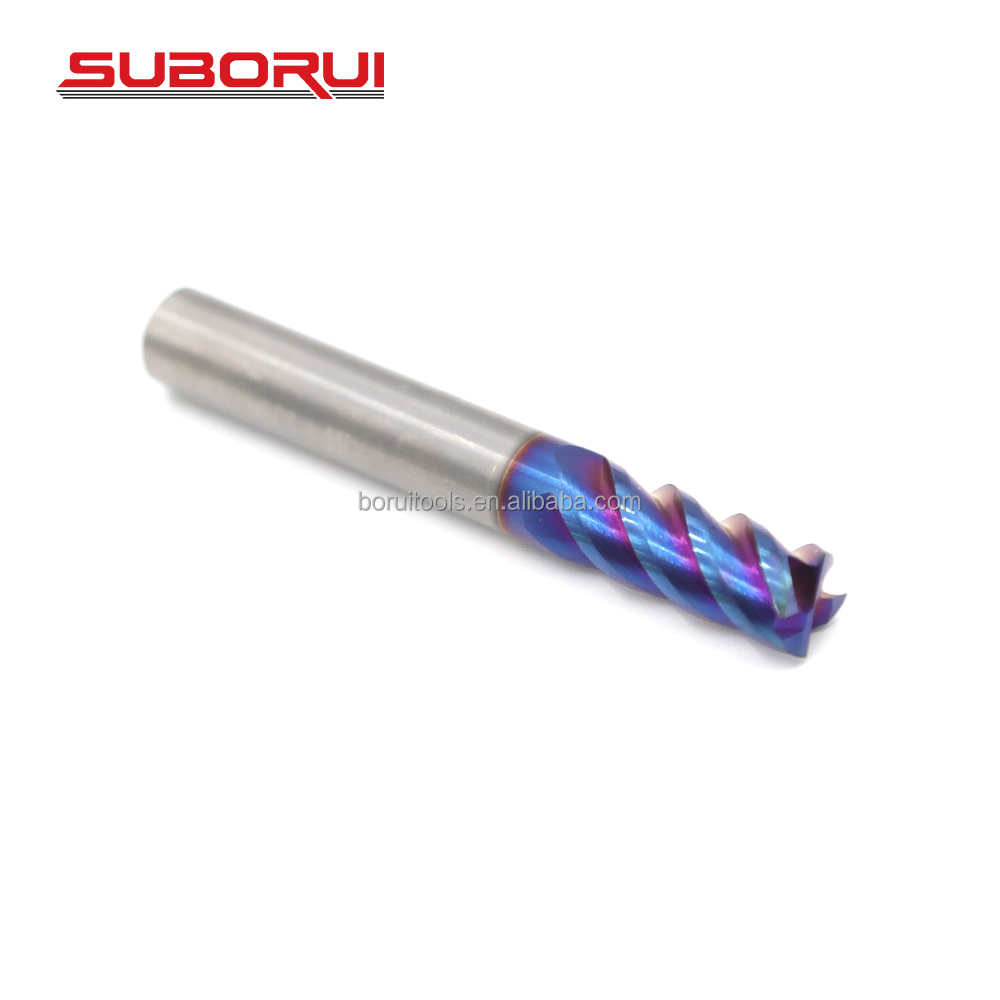
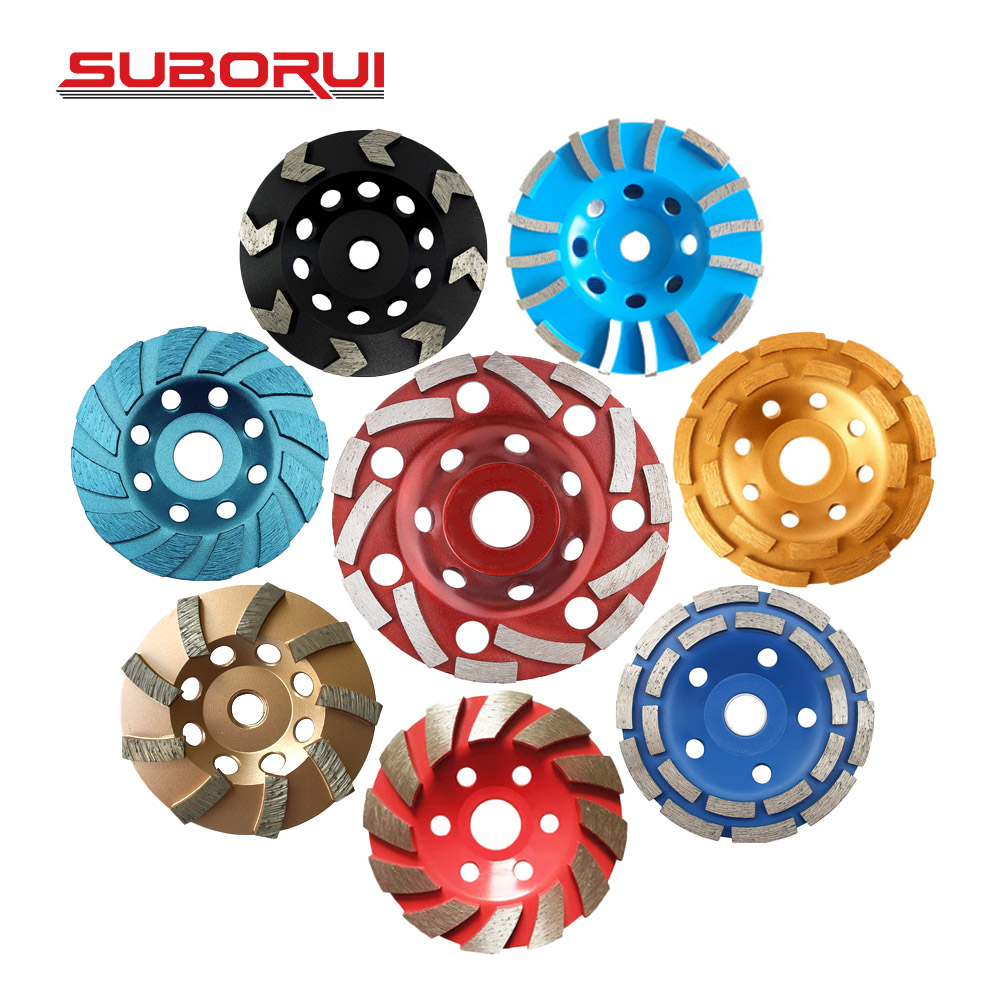
Technical Whitepaper
Ball Nose Endmill Engineering: Mechanics, Substrates & Nordic Industry Realities
A metallurgical and mechanical investigation into ball nose end mill micro-geometries, chatter dissipation, and thermodynamic resistance across Finnish manufacturing sectors.
1. The Zero-Velocity Pitfall & Micro-Geometrical Mitigation in 3D Contouring
In spherical rotary machining, the effective cutting velocity ($V_c$) approaches zero asymptotically at the apex along the tool's rotational center axis. When executing 3-axis surface finishing on complex dies or hydrodynamic impellers, relying on the tool center line produces a catastrophic transition from shear cutting to burnishing and plowing. This frictional rubbing manifests as extreme micro-abrasion, rapid built-up edge (BUE) formation, and severely degraded surface roughness ($Ra > 1.6 \mu m$).
For precision machine shops in Helsinki, Espoo, and Vantaa, mitigating this kinematic bottleneck requires a dual approach: programming 5-axis continuous toolpaths that maintain an inclination angle of $10^\circ$ to $15^\circ$ (lead/lag tilting), and deploying ball nose end mills fabricated with an S-shaped gash design and unequal helical indexing. By utilizing our sub-micron tungsten carbide substrates ($0.4–0.6 \mu m$ WC grain size with 8–10% Cobalt binder), our cutters maintain continuous edge toughness, reducing tip chipping during aggressive multi-axis trocho-profiling.
2. Advanced PVD Coatings for Abrasive & Chemically Reactive Alloys
Sub-zero operating environments and rigorous Nordic mechanical criteria require cutting tools capable of handling severe thermal cycling. Tool life is governed by coating oxidation thresholds, adhesion strength, and coefficient of friction against abrasive swarf. In our factory, high-vacuum cathodic arc physical vapor deposition (Arc-PVD) technology applies proprietary nano-composite coatings:
- AlTiSiN (Nano-Composite): Formulated specifically for hardened tool steels ($>55\text{ HRC}$) and Martensitic alloys. Exhibiting micro-hardness reaching 3600 HV and an oxidation resistance threshold up to $1100^\circ\text{C}$, AlTiSiN creates a protective amorphous $SiO_2$ layer that retards crater wear during dry high-speed finishing.
- AlCrN (Chromium Aluminum Nitride): The preferred standard for Austenitic stainless steel (AISI 304/316L) and titanium components common in Baltic maritime systems. Exceptional hot-hardness combined with superior chemical resistance prevents adhesive galling and coating peeling under high-pressure coolant machining.
- Diamond-Like Carbon (DLC) & CVD Diamond: Engineered for non-ferrous and composite components across regional Finnish aerospace suppliers, eliminating tool edge build-up when contouring high-silicon aluminum castings.
3. Dynamic Balancing and Run-Out Control (≤ 0.003 mm)
Centrifugal force increases exponentially with spindle speed ($F = m \cdot r \cdot \omega^2$). When running 24,000 to 42,000 RPM on modern 5-axis milling machines, concentricity run-out exceeding 5 microns accelerates erratic spindle harmonic vibrations, causing instantaneous tool breakage and micro-pitting of the spherical profile. Every solid carbide ball nose end mill manufactured for the Helsinki industrial market undergoes dynamic pre-balancing (G2.5 standard at 30,000 RPM) and 100% optical laser tool inspection to ensure total run-out (TIR) does not exceed $0.003\text{ mm}$ ($3\mu m$).
| Product Code | Flutes & Type | Substrate Grain | Coating Spec | Target Workpiece | Recommended Parameters |
|---|---|---|---|---|---|
| BN-HRC55-2F | 2-Flute Center Cutting | Sub-micron (0.6 μm) | TiAlN Multilayer | P20, NAK80, 42CrMo4 (≤ 55 HRC) | Vc: 120-180 m/min | fz: 0.04-0.12 mm/z |
| BN-HRC65-4F | 4-Flute Unequal Pitch | Ultra-fine (0.4 μm) | AlTiSiN Nano | D2, SKD11, Hardox 500, Hastelloy | Vc: 80-140 m/min | fz: 0.02-0.08 mm/z |
| BN-INOX-3F | 3-Flute High-Helix | Tough Grain (0.5 μm) | AlCrN Heavy-Duty | AISI 304, 316L, Duplex 2205 | Vc: 90-150 m/min | fz: 0.03-0.10 mm/z |
| BN-ALU-2F-DLC | 2-Flute Mirror Polished | Micro Grain (0.8 μm) | ta-C / DLC Smooth | Al6061, Al7075, Copper, Brass | Vc: 250-450 m/min | fz: 0.06-0.18 mm/z |
Localized Applications
Helsinki & Greater Uusimaa Industrial Integration
Precision cutting tools configured to withstand extreme metallurgical and thermodynamic stress in Southern Finland’s premier industrial sectors.
Marine Propulsion & Ice-Class Hydraulics
Helsinki’s renowned naval shipbuilding, icebreaker architecture, and coastal defense operations demand precision ball nose end mills capable of milling massive nickel-aluminum bronze propellers, marine thruster housings, and corrosion-resistant duplex stainless steel rudder stocks without edge chipping.
Die, Mold & Heavy Stamping Tooling
Southern Finland’s manufacturing cluster serves consumer electronics, packaging machinery, and polymer molding. Machining hardened tool steel blocks (AISI H13, 1.2344, Stavax) requires rigid, chatter-free ball nose cutters to generate mirror surfaces, minimizing secondary hand-polishing stages.
Mining Machinery & Forest Equipment
Supplying global forestry harvesters and sub-surface mining systems headquartered in the Nordic region requires machining Hardox 450/500 wear plates. Our micro-grain carbide ball nose end mills handle interrupted cuts, scale-hardened crusts, and structural beveling under harsh conditions.
Clean Energy & High-Tolerance Turbomachinery
Helsinki's push toward green marine energy converters, district heat pump impellers, and nuclear service valves requires tight contour tolerances. Our ball nose end mills achieve precise cusp height and aerodynamic geometry on Inconel, Monel, and Titanium alloys.
Industry Intelligence
Nordic CNC Machining Trends: High-Speed Milling, Automation & ESG
Key production shifts transforming metalworking practices across Finland and European tool manufacturing centers.
1. The Shift to High-Efficiency Milling (HEM) and Dynamic Trochoidal Toolpaths
CAM software advancements in Finnish workshops have largely replaced traditional raster zig-zag profiling with dynamic trochoidal toolpaths and constant radial engagement angle milling. Instead of relying solely on shallow axial depths, modern programmers in the Helsinki-Uusimaa corridor utilize greater axial engagement coupled with low radial step-overs ($ae < 5–8\%$). This methodology distributes wear across the full spherical contour, suppresses localized heat spikes, and dramatically shortens cycle times.
2. Unattended "Lights-Out" Manufacturing and Tool Life Predictability
With Finland's strict labor standards and high hourly operating costs, automated multi-pallet 5-axis machining centers (such as DMG Mori, Okuma, and Hermle cells with robotic tool loaders) run overnight shifts unattended. In lights-out operations, tool life variance must not exceed ±3%. Our precision factory grinding processes adhere to statistical process control (Cpk ≥ 1.67), ensuring that tool replacement points can be pre-calculated reliably by tool-load monitoring software without operator intervention.
3. Carbon Footprint Reduction & Sustainable Carbide Recycling
Finnish original equipment manufacturers require corporate ESG reporting throughout their tier-1 and tier-2 supply chains. This pressure has made energy-efficient cutting tool production and circular carbide reclamation essential. We maintain strict environmental audits across our production facilities, recovering spent tungsten carbide blanks and implementing closed-loop filtration in our automated coolant grinding circuits to reduce our manufacturing environmental footprint.
19+
Years of Tooling OEM/ODM
12,000 m²
Modern Production Facility
90,000,000
Annual Rotary Tools Output
≤ 0.003 mm
Runout Concentricity Control
Direct Manufacturing Advantage
Engineering Capability, Factory Ownership & Global OEM Trust
Jiangsu WRD Tools Co., Ltd. (operating since March 2007) combines rigorous metallurgical discipline, advanced CNC machinery, and complete in-house quality control.
Intertek Onsite Verified Facility
Our complete plant infrastructure, automated grinding bays, and material metrology labs are verified onsite by Intertek. We operate as an authentic production factory, not a non-manufacturing broker or trader.
Dedicated Sub-Workshops
Our 12,000 m² production complex houses specialized workshops for solid carbide rotary cutters, HSS twist drills, annular cutters, and hole saws, staffed by over 150 skilled tooling technicians.
Verified OEM Global Supplier
Our tools are engineered to strict industrial standards, meeting OEM supply criteria for leading global brands including Milwaukee, DeWalt, Makita, Bosch, and Truper across 20+ countries.
Full Process Traceability
From tungsten carbide rod sintering and salt-bath vacuum heat treatment to multi-axis CNC fluting, PVD chamber coating, and laser etching, every step is recorded for lot-by-lot metallurgical accountability.
Procurement & Technical Support
Helsinki Sourcing & Engineering FAQ
Answers to key logistical, metallurgical, and commercial questions raised by Nordic procurement professionals and CNC managers.
What are the lead times and shipping routes for volume tooling orders to Helsinki/Finland?
Standard OEM production for solid carbide ball nose end mills and custom drills runs between 15 to 25 working days, depending on batch volumes and coating configurations. Consignments destined for the Helsinki metropolitan region, Vuosaari Harbor, or Vantaa distribution centers are dispatched via sea freight (30–35 days via Shanghai), direct rail-freight corridors, or express air cargo (DHL/FedEx/UPS, 4–6 business days for priority tooling replacement). All shipments comply with EU customs classifications, with complete CE, RoHS, and EUR.1 documentation.
How do your solid carbide ball nose end mills avoid tip chipping when profiling Hardox and high-strength steels?
Premature center tip chipping in Hardox 450/500 or tempered mold blocks is typically caused by inadequate transverse rupture strength (TRS) and an aggressive center rake angle. Our HRC65-series cutters utilize ultra-fine 0.4 μm carbide matrices with high TRS (> 4,000 MPa) combined with a micro-honed negative rake land at the spherical apex. This reinforces the cutting edge against micro-impacts, supported by an AlTiSiN PVD coating that prevents thermal shear cracking.
Can you support custom geometries, private labeling, and OEM brand packaging for Finnish tool suppliers?
Yes. We regularly produce private-label cutting tools for industrial distributors and tool providers across Europe. Customization capabilities include high-precision laser marking (custom logos, article numbers, batch tracking), tailored shank styles (DIN 6535 HA/HB, Weldon flats, extended neck reaches), custom flute lengths, and retail packaging (individual telescopic tubes, modular multi-sets, or barcode-labeled boxes).
Which end mill flute count is best for stainless steel profiling: 2, 3, or 4 flutes?
For Austenitic stainless steels (AISI 304, 316L, 316Ti) common in Nordic marine and chemical machinery, 3-flute unequal pitch ball nose end mills offer an ideal balance between flute core cross-sectional rigidity and chip clearance capacity. While 2-flute cutters work well for deep pocket slotting, they limit table feed rates. Conversely, 4-flute cutters may struggle with chip evacuation in gummy stainless materials, increasing friction and work hardening. Our 3-flute unequal helix designs prevent regenerative chatter while maintaining stable chip flow.
What are the minimum order quantities (MOQs) for standard and custom tooling lines?
For standard catalog solid carbide end mills, our MOQ starts at 50 pieces per size. Specialty non-standard ball nose designs or custom dimensions start at 100 pieces per drawing. For HSS drill bits, taps, and annular cutters, MOQs typically range from 100 to 500 pieces depending on the diameter, while custom boxed kit packaging starts at 1,200 sets. Pilot sample batches are available for testing on Finnish CNC production floors prior to mass production.