Featured Industrial & Aviation Drill Series
Calibrated for structural aluminum alloys, aerospace stainless grades, composites, and precision maintenance regimes.
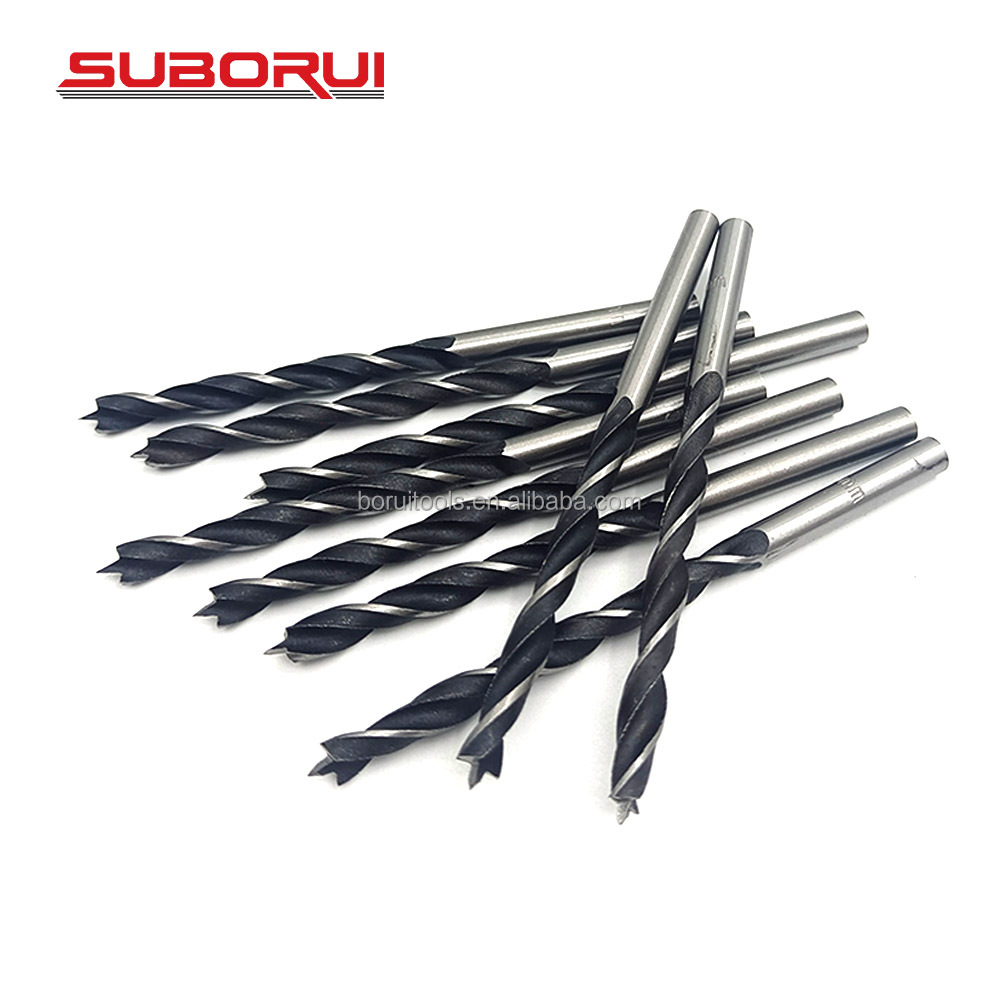
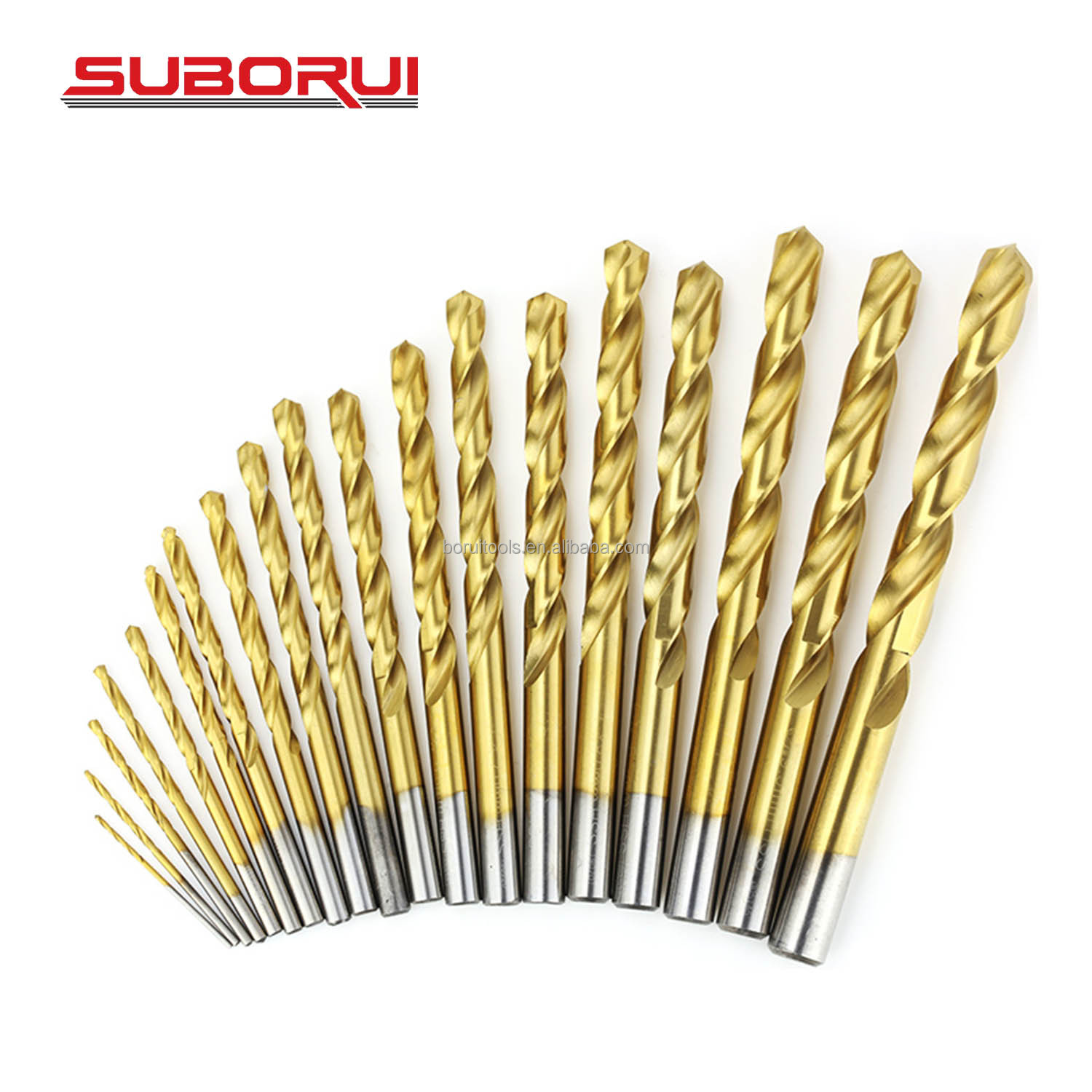
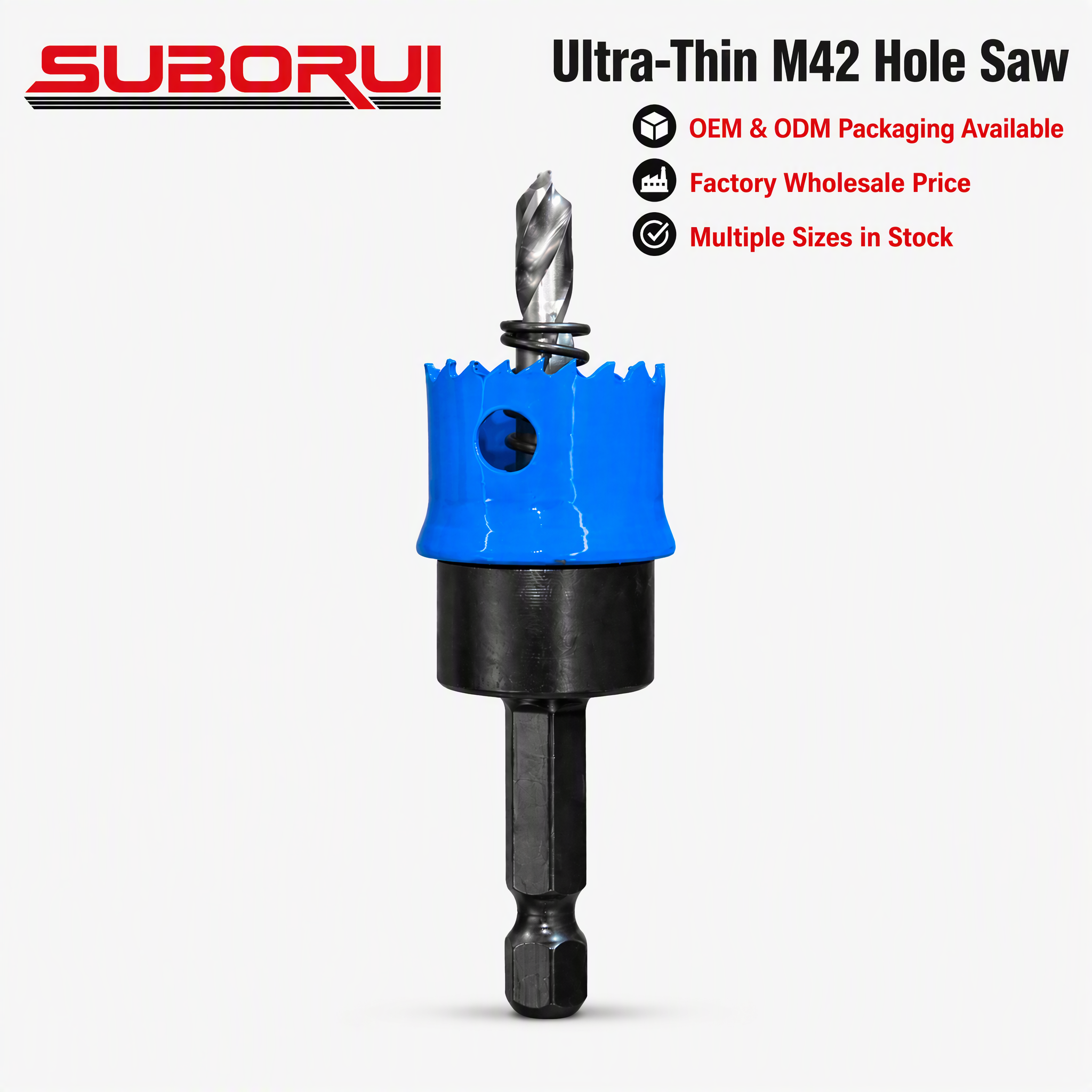
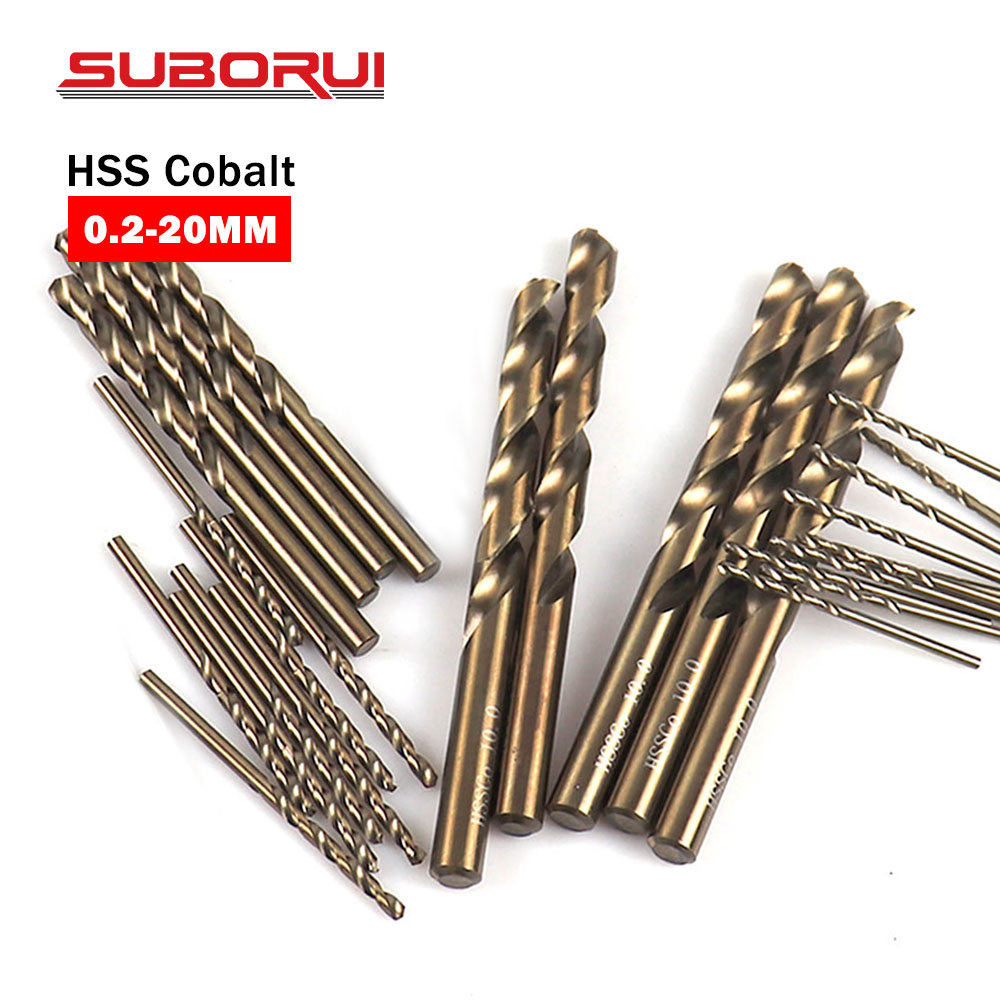
Engineering Integrity in Aviation Hole Generation
The aerospace manufacturing, retrofitting, and line-maintenance sectors operate under zero-tolerance quality parameters where hole geometry directly dictates structural airworthiness. In aviation sheet metal work, fastener installations—ranging from solid rivet squeezes to precision blind bolts and Hi-Lok systems—demand exact tolerances governed by NAS 907 aerospace drilling standards. Standard commercial drill bits frequently exhibit excessive radial runout, incorrect web tapering, and blunt 118-degree chisel edges that cause hole distortion, metallurgical work hardening, and exit-burr formation.
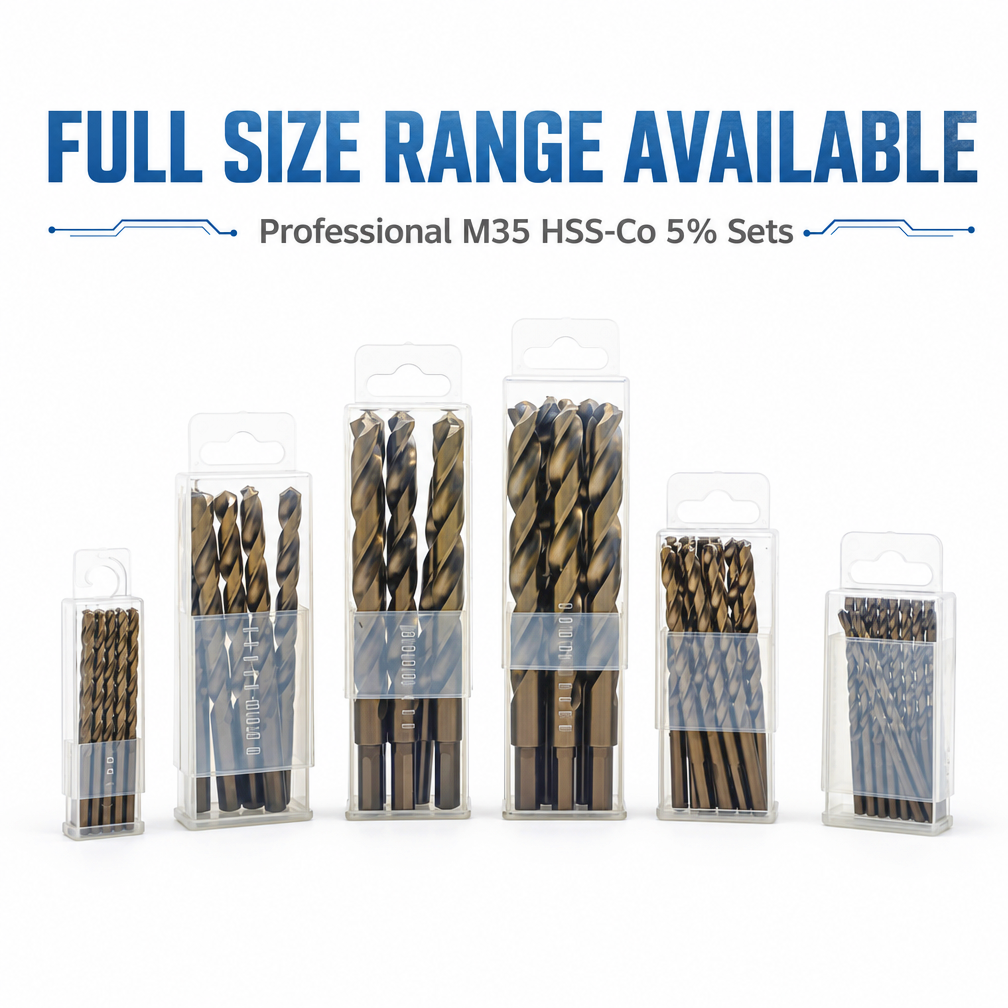
For operations serving the Nicaragua civil and cargo aviation landscape, sourcing rotary cutting tools requires strict adherence to specialized metallurgy. The structural alloys prevalent in modern airframes—principally clad 2024-T3, 7075-T6 aluminum, and Inconel or 300-series stainless hardware—possess disparate machining behaviors. Aluminum alloys generate high adhesive friction that causes chip welding along the margin, whereas austenitic alloys exhibit instantaneous strain hardening if cutting tools dwell or lack red hardness. WRD Tools addresses these metallurgical hurdles through high-cobalt M35 (Co 5%) and M42 (Co 8%) chemistries coupled with vacuum heat treatments.
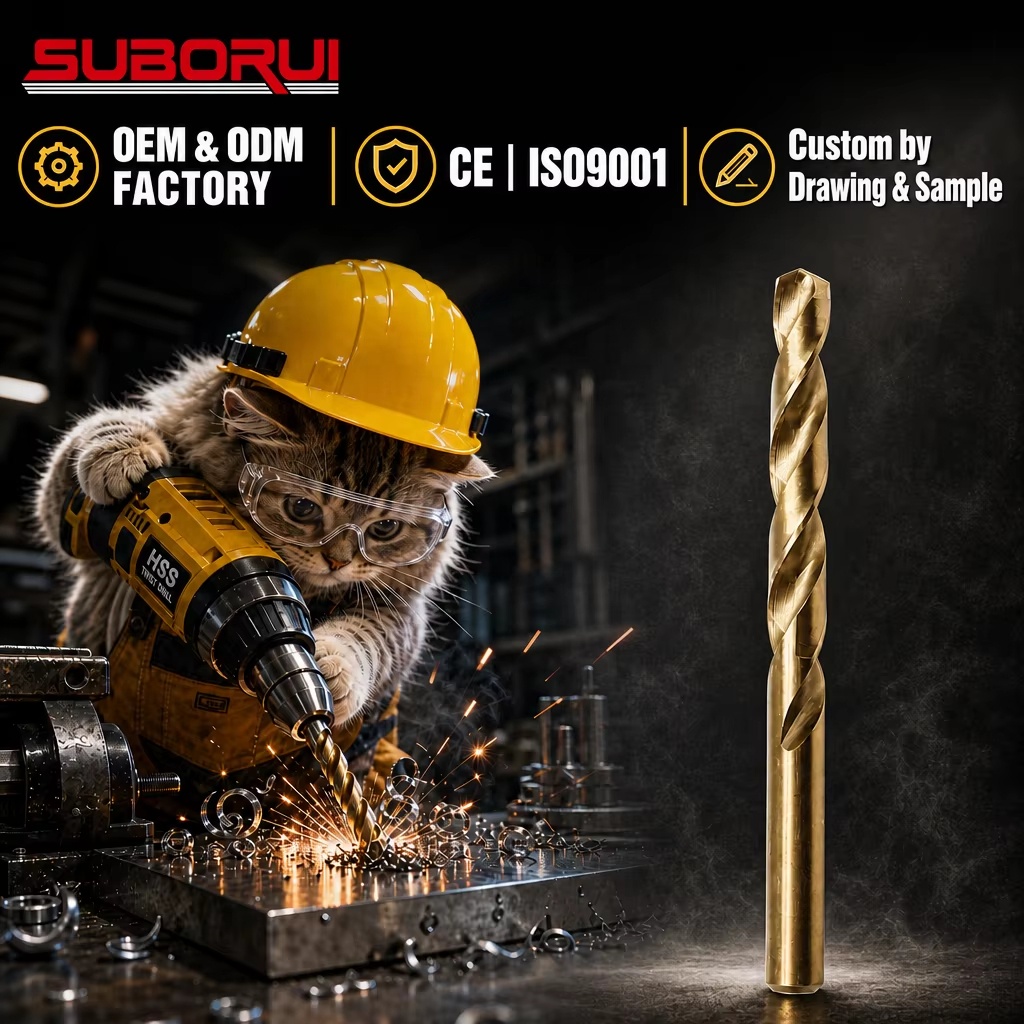
A central tenet of information gain in precision hole-making lies in web thinning and flute geometry. Conventional jobber bits deflect under axial thrust, causing "walking" that scuffs protective anodized and alclad coatings, creating initiation sites for intergranular stress corrosion. WRD Tools’ aerospace-calibrated drill bits incorporate 135-degree self-centering split points engineered to bite instantly upon contact without center-punch indentation. This geometry redistributes the cutting load, reduces axial thrust by upwards of 40%, and breaks chips into tightly curled spirals that eject unimpeded through micro-polished CNC flutes.
Furthermore, maintaining concentricity along extended lengths is paramount when accessing recessed airframe stringers, engine cowlings, and spar assemblies. WRD Tools leverages 5-axis CNC grinding centers to maintain runout within tight DIN and aerospace thresholds (under 0.003mm). By integrating automated surface finishing—including Amber oxide tempering and physical vapor deposition (PVD) TiN barriers—our bits provide lower friction coefficients, prevent galling, and prolong drill cycle lives across demanding production and repair environments.
Targeted Applications across Nicaragua
Strategic tooling allocations designed to meet the rigorous physical and environmental demands of Central American industrial and aviation hubs.
Commercial MRO at MGA Airport
Line maintenance and structural inspections at Augusto C. Sandino International Airport (Managua) rely on split-point M35 bits for rivet extraction and structural skin repairs without heat transfer.
Regional Agricultural Fleets
Servicing ag-aviation crop dusters in Chinandega and León demands robust high-cobalt tooling capable of handling rugged airframes, tubular steel fuselages, and corrosive chemical delivery fixtures.
Free Trade Zone Assembly
In export processing parks surrounding Tipitapa and Ciudad Sandino, high-cycle M2 and TiN-coated drills support sheet-metal enclosure construction, wiring chassis drilling, and light structural framing.
Marine & Coastal Retrofits
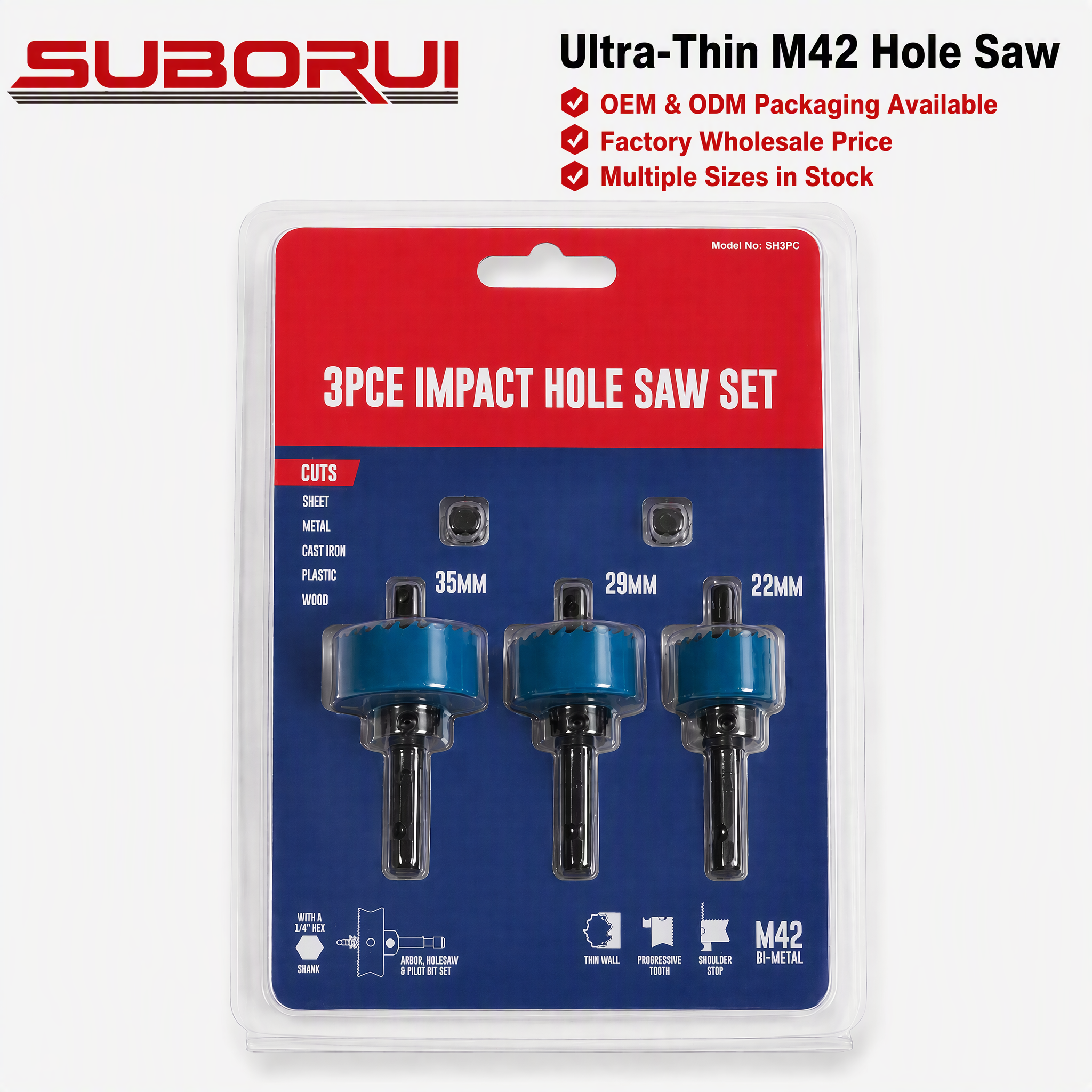
Coastal and maritime support operations in Corinto and Bluefields employ M42 bi-metal hole cutters and cobalt twist drills to pierce salt-exposed stainless assemblies and marine alloy brackets.
Market Evolution & Procurement Vectors
Strategic shifts in Central American precision manufacturing that dictate cutting tool supply chain planning.
Nearshoring Logistics Expansion
As logistics hubs throughout Central America scale air-cargo throughput to support expedited trade, line maintenance demands for fast-turnaround, premium M35 cobalt twist drill sets continue an upward trajectory, prioritizing rapid local container stock over fragmented spot purchases.
Transition to Cobalt & Coated Tooling
Procurement teams in industrial zones are transitioning from general HSS 4241 tools to fully ground M2 and M35 cobalt drills. While raw acquisition cost is higher, the substantial decrease in broken bits, tool downtime, and rework scrap rates lowers overall project cycle cost by 35%.
Factory-Direct OEM Consolidation
Hardware distributors in Managua are bypassing third-party regional traders in favor of direct Intertek-verified factory partnerships in China. Direct sourcing delivers verifiable lot traceability, customized imperial-metric packaging, and private-label laser-etched branding.
Material & Geometric Selection Guide
| Alloy / Tool Grade | Hardness Range | Point Angle & Geometry | Primary Application Field | Nicaragua Operational Fit |
|---|---|---|---|---|
| HSS M2 (6542) | 63 - 65 HRC | 118° Standard / 135° Split | Carbon Steels, 6061-T6 Aluminum, Brass | Standard manufacturing & light general repair |
| HSS M35 (Co 5%) | 65 - 67 HRC | 135° NAS 907 Split Point | Stainless 304/316, 7075-T6, Titanium Alloys | Aviation MRO, structural airframe riveting |
| HSS M42 (Co 8%) | 67 - 69 HRC | 135° Heavy-Duty Split | Hardened Steels, High-Nickel Aerospace Superalloys | Specialized turbine shrouds, heavy structural mods |
| TiN Coated HSS | Tool Core + Surface 2300 HV | 135° Self-Centering | High-Volume Thin Sheet Punching, Composites | Export processing plants & continuous assembly lines |
Why Direct-Source with Jiangsu WRD Tools
Intertek-audited manufacturing pedigree from Danyang, China's world-leading precision cutting tool production hub.
Verified Auditing & Credibility
Operational since March 2007, Jiangsu WRD Tools maintains an Intertek-audited 12,000 m² plant, verified annual revenues exceeding RMB 80 million, and holds Jiangsu High-Tech Enterprise accreditation (2019).
True OEM / ODM Customization
Full support for non-standard flute lengths, aerospace aircraft extensions (6", 8", 12"), custom step diameters, shank hex-machining, laser-etched private branding, and retail metal case design.
Tier-1 Global Supplier Legacy
Our production facilities regularly supply cutting tools to top-tier global tool vendors including BOSCH, Milwaukee, DeWalt, Truper, and Makita, ensuring consistent metallurgy and dimensional consistency across batches.