Factory Direct Catalog
Precision Cutting Tools for Metalworking & Assembly
Engineered for high red-hardness, close concentricity tolerances, and consistent chip evacuation across demanding aerospace and fabrication workflows.
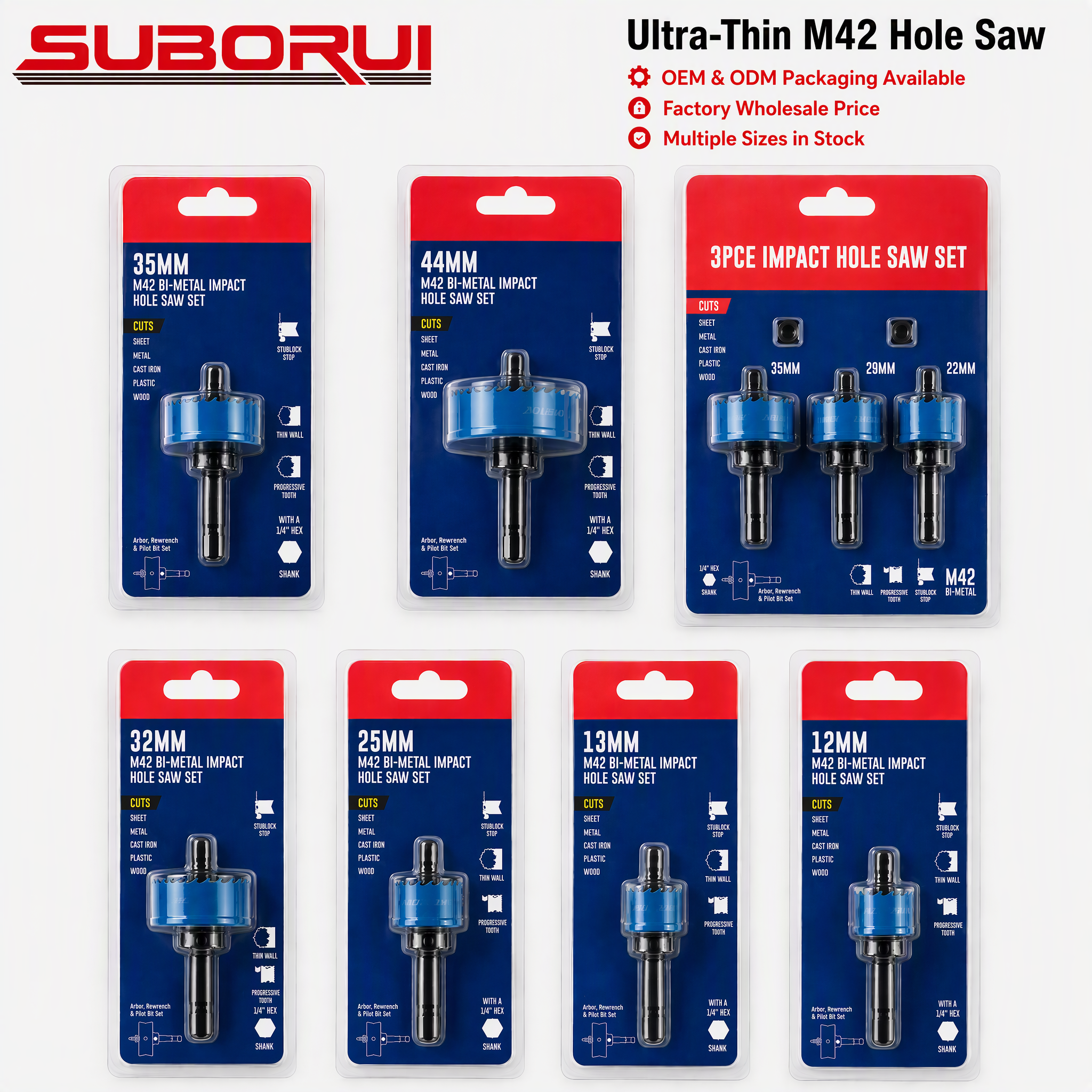
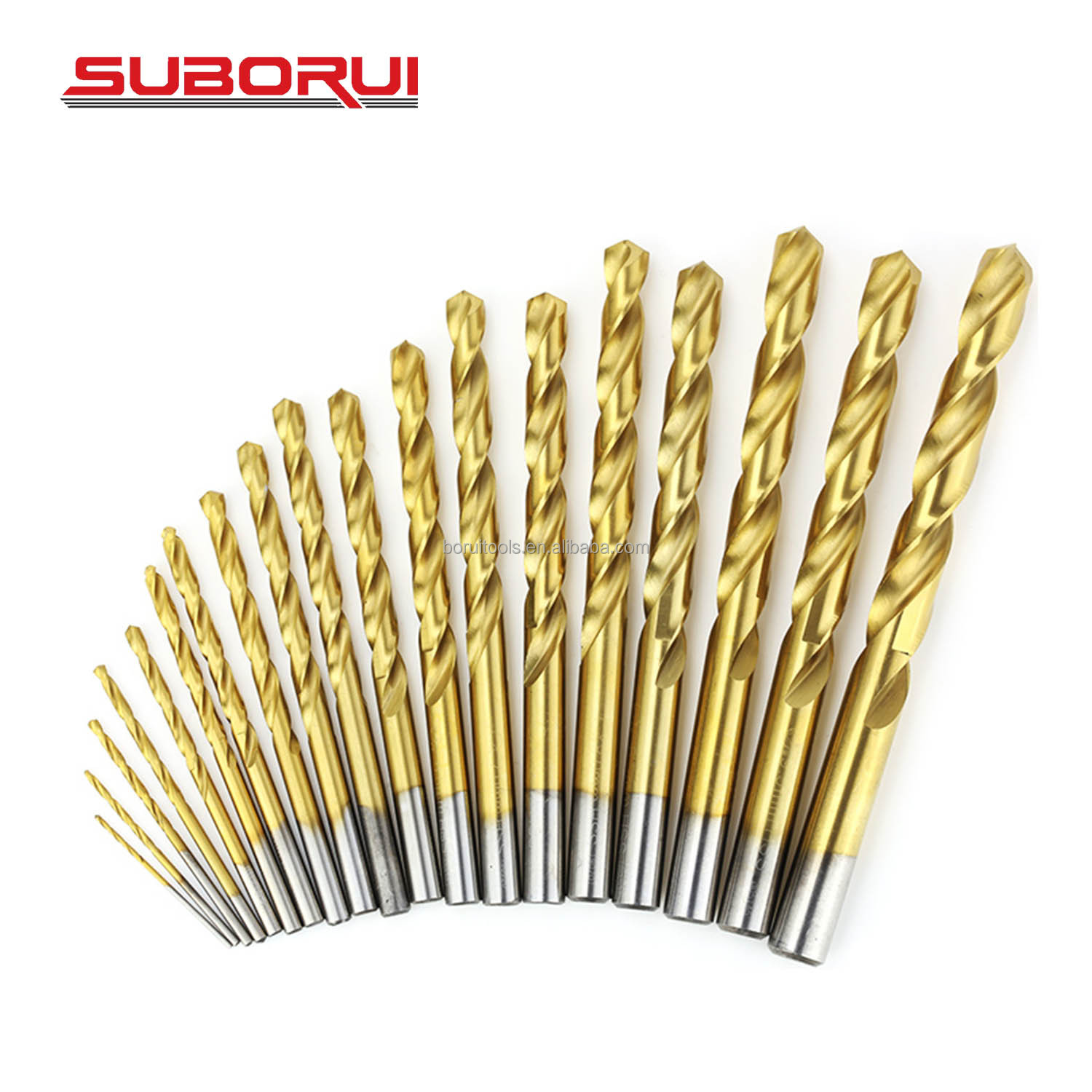

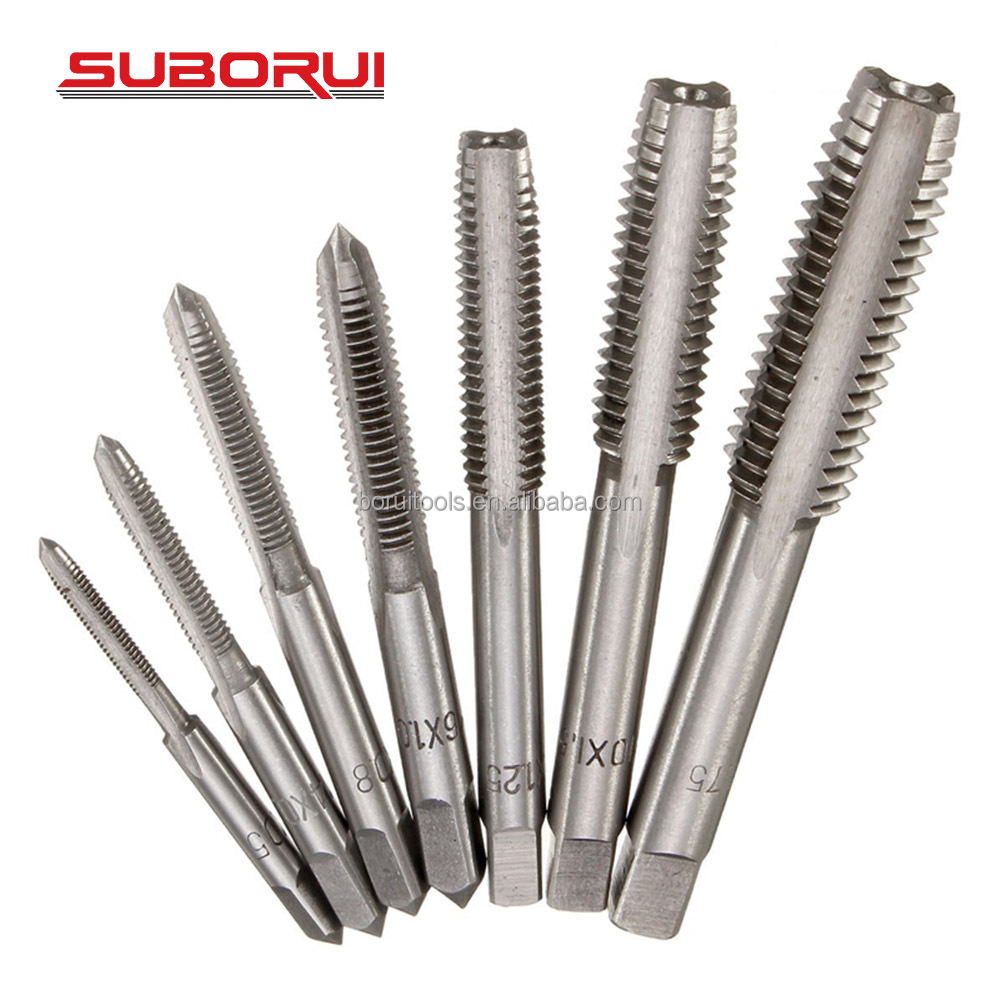
Suborui 35-100mm Borderless Spotlight Drill Bit HSS Bi-Metal Cutter
Multi-Material Opener
Inquire
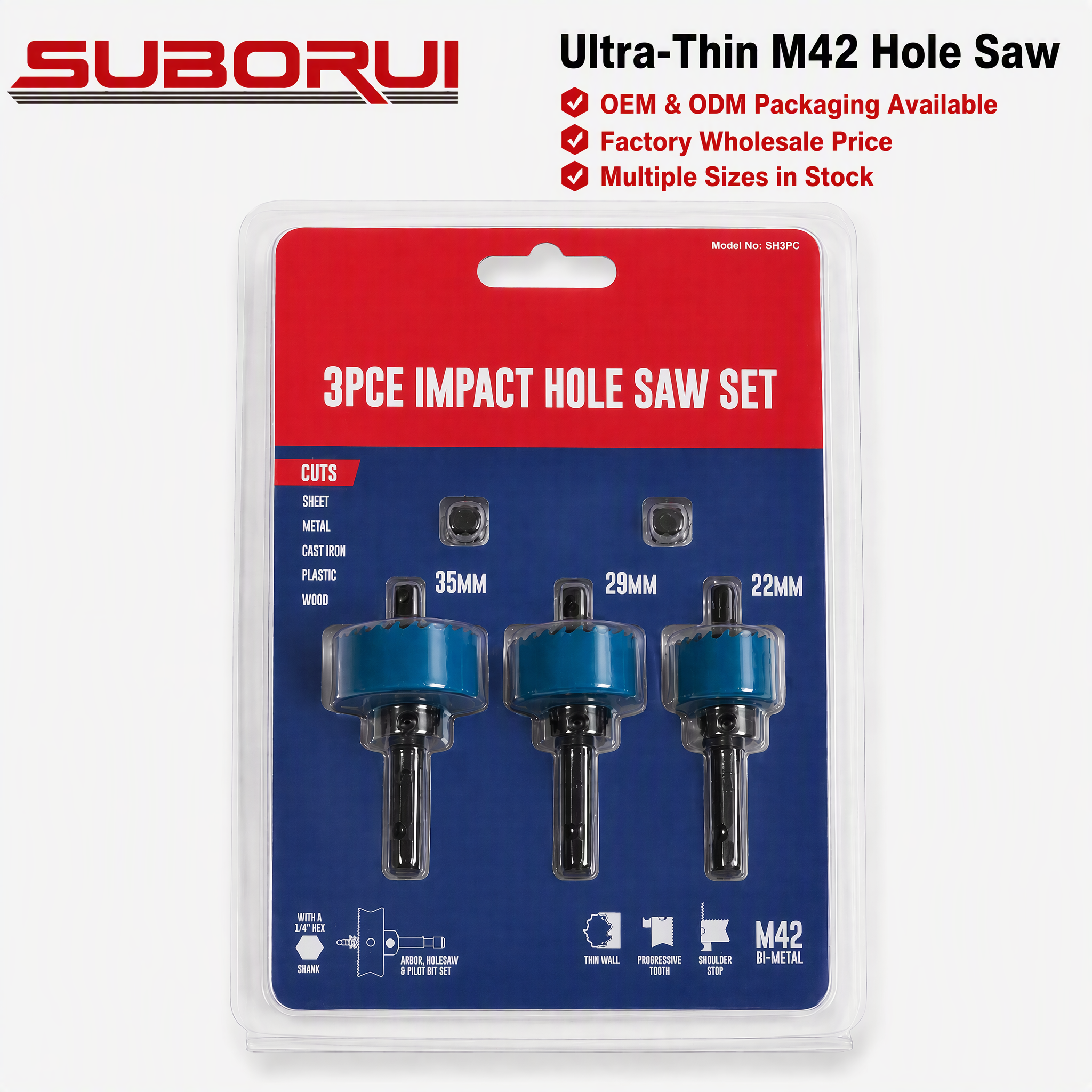
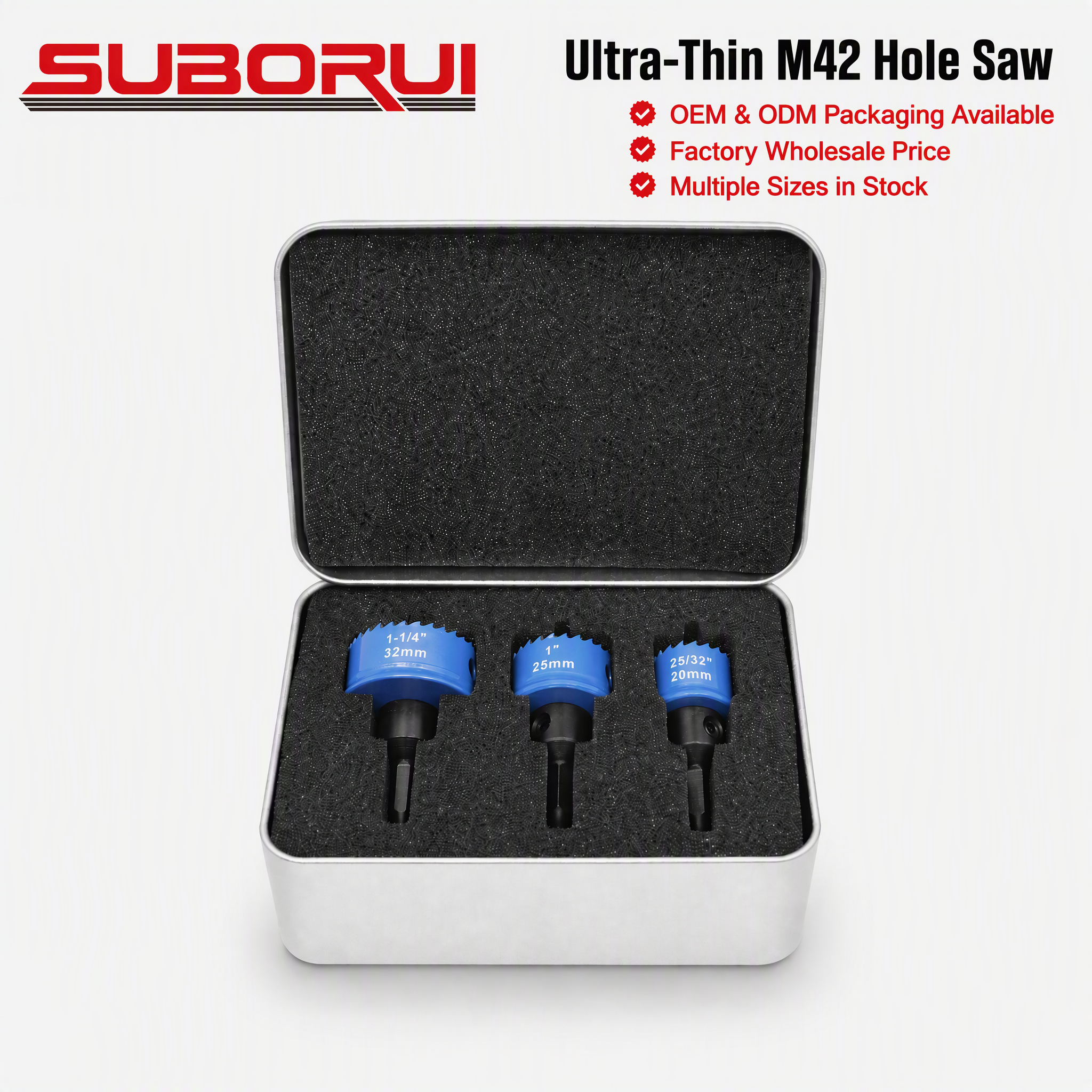
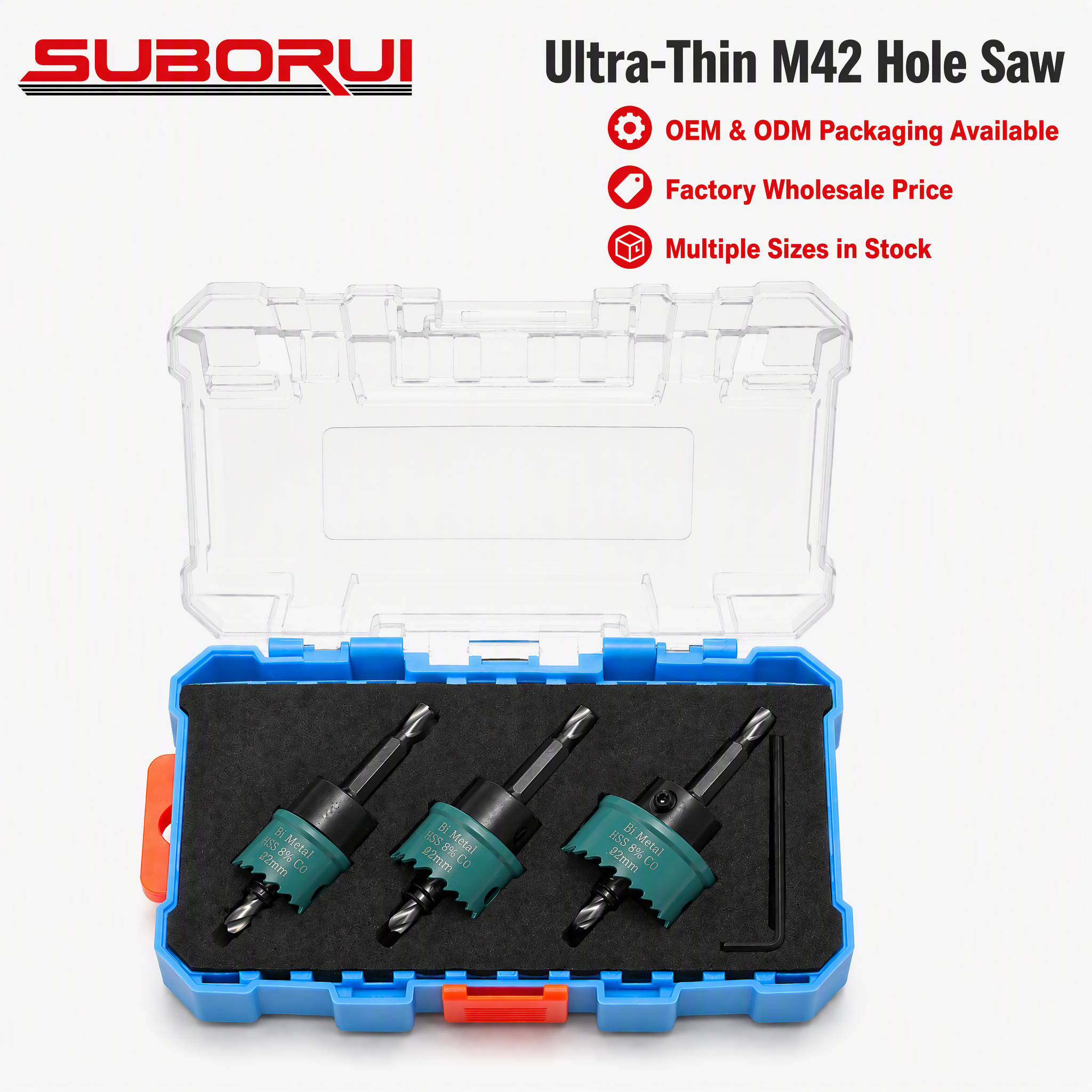
SUBORUI Wholesale 3PCS 20/23/32mm Hex Shank M42 Bi-Metal Saw Kit
Sheet Metal Cutters
Inquire
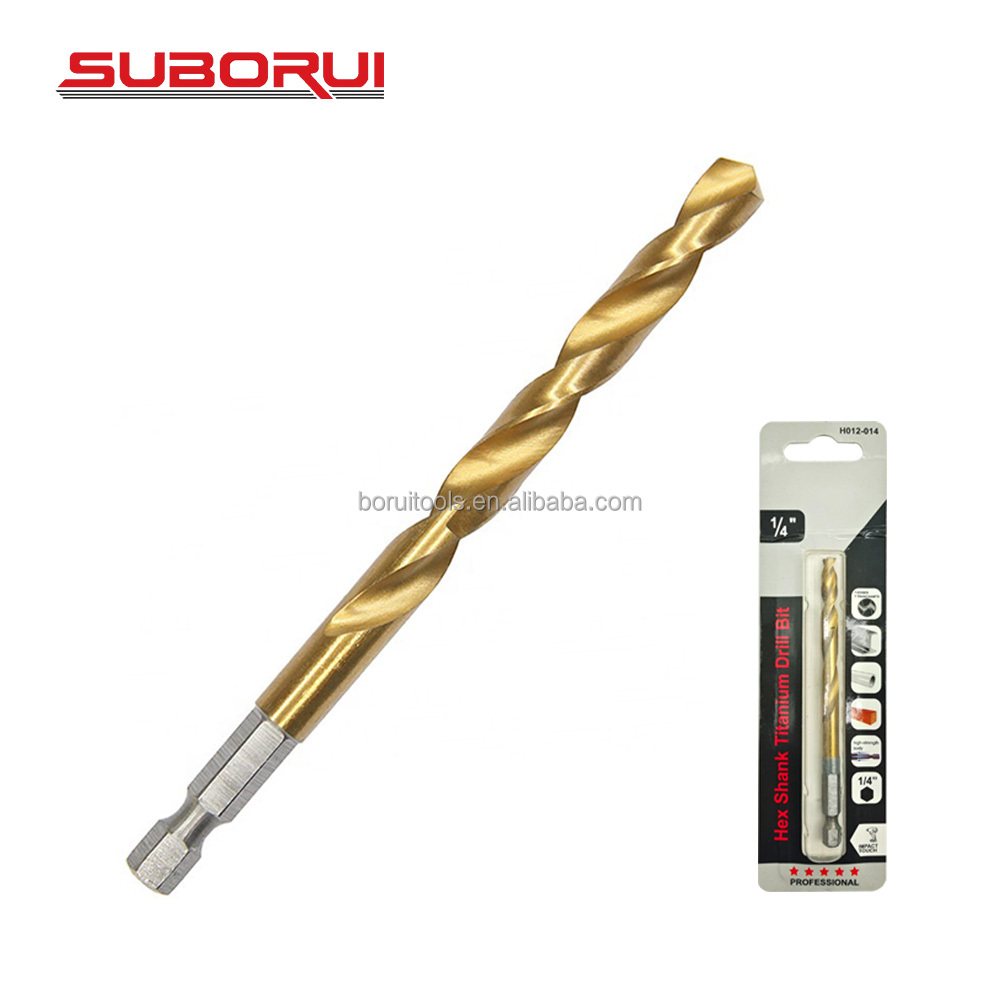
Aerospace Manufacturing Engineering
1. The Demands of Aircraft Structural Holemaking: Chicago Market Overview
The Greater Chicago industrial corridor, encompassing Cook, DuPage, Kane, and Lake counties, alongside the extended aerospace manufacturing hubs across Northern Illinois and Rockford, represents one of North America's most demanding metalworking environments. While Chicago is widely recognized for defense contracting, logistics, and heavy industrial machinery, its precision machine shops supply critical flight components, landing gear assemblies, hydraulic flight controls, and fuselage sub-assemblies to Tier-1 airframe OEMs worldwide.
Holemaking in aerospace manufacturing operates under significantly tighter dimensional and metallurgical tolerances than commercial structural metalworking. An aircraft airframe contains between 300,000 to over 3 million precision fastener holes, every single one of which represents a potential fatigue failure initiation point if subjected to micro-cracking, burr formation, or work-hardening during the drilling cycle. Tooling engineers serving the Chicago precision cluster require aircraft drill bits that comply strictly with National Aerospace Standard (NAS) 907 specifications, demanding rigorous control over web concentricity, flute margin relief, and split point geometry.
Key Aerospace Alloys Prevalent in Northern Illinois Machining Facilities
Chicago precision machinists and Tier-2 aerospace suppliers frequently machine multi-material stacks and difficult-to-cut superalloys. Selecting the correct high-speed steel substrate or carbide composite drill requires an understanding of mechanical behavior under high friction and thermal shock:
Titanium Alloys (Ti-6Al-4V)
Characterized by low thermal conductivity and extreme chemical reactivity at temperatures exceeding 500°C. Requires drill bits with high red-hardness (Cobalt M35/M42) and polished flutes to prevent chip welding and rapid flank wear.
Nickel Superalloys (Inconel 718)
Exhibits severe work-hardening tendencies during shear deformation. Demands positive rake angles, rigid heavy-duty webs (NAS 907 Type J), and continuous, positive feed rates to penetrate below the work-hardened layer.
Precipitation Hardened Steels
Common in landing gear assemblies machined across Elgin and Schaumburg (such as 15-5 PH and 17-4 PH). Demands 135° split points to reduce thrust force, combined with multi-layer PVD coatings (TiAlN / AlTiN) for thermal isolation.
Metallurgical Selection Matrix
2. Metallurgical Engineering: Comparative Substrate & Geometry Guide
At Jiangsu WRD Tools Co., Ltd., our 19-year manufacturing legacy focuses on tight control over grain morphology, salt-bath/vacuum heat treatment cycles, and automated 5-axis CNC flute grinding. Choosing the optimal high-speed steel or carbide substrate is the definitive factor in cycle efficiency and hole quality.
| Steel Grade / Standard | Alloy Composition (Key Elements) | Hardness (HRC) | Red Hardness (°C) | Ideal Aircraft & Precision Application |
|---|---|---|---|---|
| HSS 4241 | W1.5, Mo2.0, Cr4.0, V1.0 | 60 – 62 | ~480°C | Secondary non-structural brackets, wood/plastic composites, entry-level commercial maintenance. |
| HSS M2 (W6Mo5Cr4V2) | W6.0, Mo5.0, Cr4.0, V2.0 | 63 – 65 | ~560°C | Standard airframe structural steels, 6061-T6/7075 aluminum skins, general precision machining (DIN 338). |
| HSS-E M35 Cobalt (5% Co) | W6.0, Mo5.0, Cr4.0, V2.0, Co 5.0% | 65 – 67 | ~620°C | Austenitic stainless steels (304/316), high-tensile structural bolts, titanium airframe sub-structures. |
| HSS-Co M42 Cobalt (8% Co) | W1.5, Mo9.5, Cr3.8, V1.2, Co 8.0% | 67 – 69 | ~660°C | Aerospace bi-metal hole saws, Inconel, hardened tool steels, high-speed automated CNC feed drilling. |
| Micrograin Carbide (WC-Co) | Tungsten Carbide Sub-micron Grain | 89 – 92 HRA | >900°C | Carbon Fiber Reinforced Polymer (CFRP) stacks, Titanium/CFRP multi-layer drilling without delamination. |
Split Point Kinematics: 118° Standard vs. 135° NAS 907 Split Point
For standard metal fabrication, the traditional 118° drill point provides acceptable centering on soft carbon steels. However, in aircraft assemblies—where pneumatic drills are often operated manually or on automated feed drill units (ADUs)—a 118° point exhibits significant "walking" across the surface, requiring center punching that risks marring aluminum alclad layers.
Under NAS 907 Type B and Type J aerospace guidelines, WRD Tools grinds a specialized 135° self-centering split point. The split point grind reduces the chisel edge width to near zero, substantially minimizing the high axial thrust force required to initiate penetration. This geometry cuts chips immediately upon contact rather than extruding the metal, suppressing entrance burrs and preventing the friction-induced heat buildup that causes localized annealing in cold-worked alloy skins.
Localized Application Profiles
3. Application Scenarios Across the Chicagoland Industrial Ecosystem
The manufacturing fabric of the Chicago metropolitan area possesses distinct operational requirements across three primary operational sectors:
Commercial Aviation MRO Hubs
Centered around O'Hare International (ORD) and Midway (MDW) air logistics networks. Maintenance technicians perform skin repairs, stringer splices, and rivet replacement in tight physical quarters. Demand centers on 6-inch and 12-inch aircraft extension drills, threaded shank adapter bits, and 1/4" quick-release hex shank M42 cutters that integrate into pneumatic angle drills.
Rockford Aerospace Fastener Corridor
Situated immediately northwest of Chicago, this specialized region machines engine sensors, fuel delivery manifolds, and precision mechanical actuation components. Production lines require tight concentricity runout (TIR < 0.003 mm), multi-subland step drill bits, and DIN 371/376 taps capable of tapping blind holes in tough alloy matrices.
Defense & Heavy Hydraulics
From Peoria supply networks feeding into Chicago rail and barge transport, equipment fabricators handle heavy armored plate, structural weldments, and heavy castings. Operations prioritize Weldon shank annular cutters and heavy-duty morse taper drill bits (DIN 345) running on high-torque magnetic and radial drilling machines.
Eliminating Composite Delamination and Interlaminar Burr Formation
Modern airframes utilize sandwich composite structures, combining aerospace-grade carbon fiber (CFRP) with internal titanium cores. Machining these interfaces presents an engineering challenge: carbon fiber requires razor-sharp cutting edges to shear high-modulus fibers without fiber pull-out or delamination, whereas titanium demands aggressive positive rake and low speeds to prevent thermal loading. WRD Tools works directly with contract machine shops to provide optimized double-angle drill points and specialty PVD diamond and AlTiN coated bits that preserve hole diameter within +/-0.0005 inch throughout multi-shift production runs.
Procurement Insights & Market Trends
4. Chicagoland Tooling Procurement Trends (2025–2030)
Procurement directors, MRO buyers, and supply chain managers in the Illinois manufacturing corridor are navigating structural shifts in high-performance consumable procurement. Key trends reshaping purchasing decisions include:
1. Direct Factory Engineering Partnerships vs. Distributor Markups
Historically, Chicago machine shops sourced high-speed steel and cobalt aircraft drills through regional industrial distributors, paying high catalog markups. As margin pressures tighten on Tier-1 defense contracts, supply chain executives increasingly establish direct OEM/ODM factory channels. Direct access to high-volume manufacturing facilities—such as Jiangsu WRD Tools' 12,000 m² plant producing over 90 million bits annually—enables custom packaging, shank laser-etching with MIL-STD serial tracking, and consistent batch metallurgy at true manufacturer economics.
2. Shift Toward Minimum Quantity Lubrication (MQL) and Dry Holemaking
Environmental regulations and coolant disposal costs within Cook County have driven the adoption of MQL systems or dry machining across airframe assembly stations. Traditional high-speed drills without thermal coatings break down rapidly under dry cycle conditions. As a result, Chicago procurement specifications now increasingly require Titanium Aluminum Nitride (TiAlN) and Aluminum Titanium Nitride (AlTiN) PVD treatments, which develop a beneficial aluminum oxide passive layer at elevated contact temperatures (up to 800°C), shielding the underlying cobalt substrate.
3. Standardization on Quick-Change Hex Shank Protocols
Pneumatic assembly stations and robotic assembly end-effectors are rapidly standardizing on 1/4-inch hex power grooves. Our fully ground 1/4" hex shank M35/M42 drill bits and ultra-thin bi-metal hole saws eliminate shank slippage in high-torque chucks, accelerating tool changeover speeds across high-tempo sub-assembly lines.
Engineering Standards
5. Aircraft Drill Geometric Tolerances: NAS 907 Specifications
To assist procurement engineers and quality assurance managers in specifying the exact tool geometries required for production workflows, the following parameter matrix outlines our manufacturing controls:
| Dimensional / Geometric Feature | NAS 907 Type A / B (Jobber Length) | NAS 907 Type J (Heavy Duty Cobalt) | WRD Factory Standard Tolerance |
|---|---|---|---|
| Point Angle | 118° or 135° Split Point | 135° Heavy-Duty Split Point | ± 1° precision optical verification |
| Point Concentricity (TIR) | Max 0.0020 in (0.05 mm) | Max 0.0012 in (0.03 mm) | < 0.0008 in (< 0.02 mm) precision ground |
| Web Taper | Normal taper per foot | Heavy duty web with gradual back taper | Engineered for optimized core rigidity |
| Helix Angle | Standard 28° – 32° | Fast spiral (33° – 38°) available | 30° standard; customized upon request |
| Surface Finish (Ra) | Bright / Black Oxide | Bronze oxide or Multi-layer TiAlN PVD | Ra ≤ 0.2 μm on precision ground flutes |
Access Full Technical Specifications & Bulk Pricing
Partner directly with an Intertek-verified cutting tool manufacturer. We provide custom geometry grinding, private labeling, OEM contract packaging, and comprehensive material certification reports.
Get Catalog
Manufacturing Pedigree & Credibility
6. Corporate Manufacturing Strength: Jiangsu WRD Tools Co., Ltd.
Founded in March 2007 with RMB 10 million in registered capital, Jiangsu WRD Tools Co., Ltd. is located in Danbei Town, Danyang, Jiangsu—China's world-renowned hardware tooling manufacturing cluster. Spanning over 12,000 square meters of modern manufacturing facilities and staffed by more than 150 skilled machinists, technicians, and metallurgical engineers, WRD Tools operates an integrated production cycle entirely in-house.
Integrated Process Control: From Raw Steel to Inspected Cutting Edge
Unlike trading intermediaries, WRD Tools executes every critical production phase under rigid ISO 9001 quality management systems:
1. Metallurgical Bar Stock Testing
Every inbound lot of HSS M2, M35, and M42 is spectroscopically verified for molybdenum, tungsten, and cobalt content to eliminate core porosity and carbide segregation.
2. Atmosphere-Controlled Heat Treatment
Salt-bath and vacuum hardening facilities produce optimal martensitizing and triple-tempering cycles, achieving tight hardness tolerances (± 0.5 HRC) without surface decarburization.
3. 5-Axis CNC Flute Grinding
Automated CNC grinding cells flute each drill bit from pre-hardened blanks, ensuring mirror-smooth chip evacuation channels and high runout concentricity.
Global Brand Recognition & Third-Party Verification
Jiangsu WRD Tools Co., Ltd. was officially recognized as a High-Tech Enterprise of Jiangsu Province in 2019. In 2021, total annual sales surpassed RMB 80 million, supported by an annual production capacity exceeding 50 million wood drill bits, 25 million twist drill bits, and 15 million hex shank drill bits.
Our operational capability, social responsibility, and QA/QC infrastructure have been thoroughly inspected and verified onsite by Intertek. Over nearly two decades of contract manufacturing, WRD Tools has engineered and supplied private-label precision drill bits, annular cutters, and hole saws for some of the world's most demanding tool brands, including BOSCH, Milwaukee, DeWalt, Irwin, Makita, Dexter, KWB, Wolfcraft, Truper, and Heller. Chicago distributors and OEMs receive identical Tier-1 tool consistency backed by comprehensive export documentation and competitive factory-direct pricing.
Procurement Directives
7. Frequently Asked Questions: Sourcing Aircraft Drills in Chicago
Practical guidance addressing logistics, technical standards, and order fulfillment for Midwest industrial buyers:
How do NAS 907 Type J aircraft drills differ from commercial jobber drills?
Commercial jobber drills (such as standard DIN 338 bits) feature an engineered web that tapers to a standard thickness with a 118° point. NAS 907 Type J drills require M35/M42 cobalt-bearing high-speed steel with a heavy-duty, reinforced core, parallel margins to resist wandering, and a 135° split point designed specifically to pierce high-strength alloys without center punching.
What minimum order quantities (MOQ) apply to custom-branded aircraft drills?
For standard high-speed steel jobber bits and threaded aircraft extensions, standard production batch MOQs start at 500 pieces per size. For specialized hole saw kits and custom-packaged drill bit cases with full OEM private label artwork and laser-marked shanks, our typical run begins at 1,200 sets.
How do you prevent work hardening in heat-resistant aerospace alloys during drilling?
Work hardening occurs when inadequate feed rates or dull cutting edges create compressive and friction shear without cleanly shearing the chip. Our M35 and M42 bits utilize sharp, CNC-ground positive cutting faces, narrower margins to reduce contact friction, and 135° split points that sustain penetration through work-hardening zones.
Can WRD Tools provide mill test reports and hardness certifications?
Yes. Every industrial export order is accompanied by detailed Quality Inspection Certificates, including spectroscopic chemical composition analysis of the steel substrate, Rockwell hardness testing records (HRC), and optical runout (TIR) measurement verifications.
What are typical ocean and air cargo transit times to the Chicago inland port?
Standard containerized ocean shipments dispatched from Shanghai or Ningbo typically clear Chicago inland container yards (CY/Rail ramp) within 24 to 32 days. For urgent aircraft maintenance operations (AOG) or sample validation, air courier transit to Chicago O'Hare International Airport (ORD) requires only 4 to 6 business days.
What coating technology is optimal for Chicago airframe manufacturing lines?
For aluminum 2024/7075 components, polished bright finishes or TiB2 (Titanium Diboride) minimize chip sticking. For stainless steel, titanium, and high-tensile fasteners, multi-layer TiAlN or AlTiN coatings provide superior micro-hardness and withstand high frictional heat under high-speed drilling cycles.
Streamline Your Cutting Tool Supply Chain Today
Contact our technical engineering sales group directly. Request tailored tooling catalogs, discuss non-standard NAS geometry grinding, or schedule custom sample testing for your Chicago manufacturing plant.
Get Catalog