Featured Cutting & Threading Solutions
Factory-direct OEM/ODM production lines engineered for industrial-grade metalworking, structural fabrication, masonry drilling, and precision automated manufacturing.
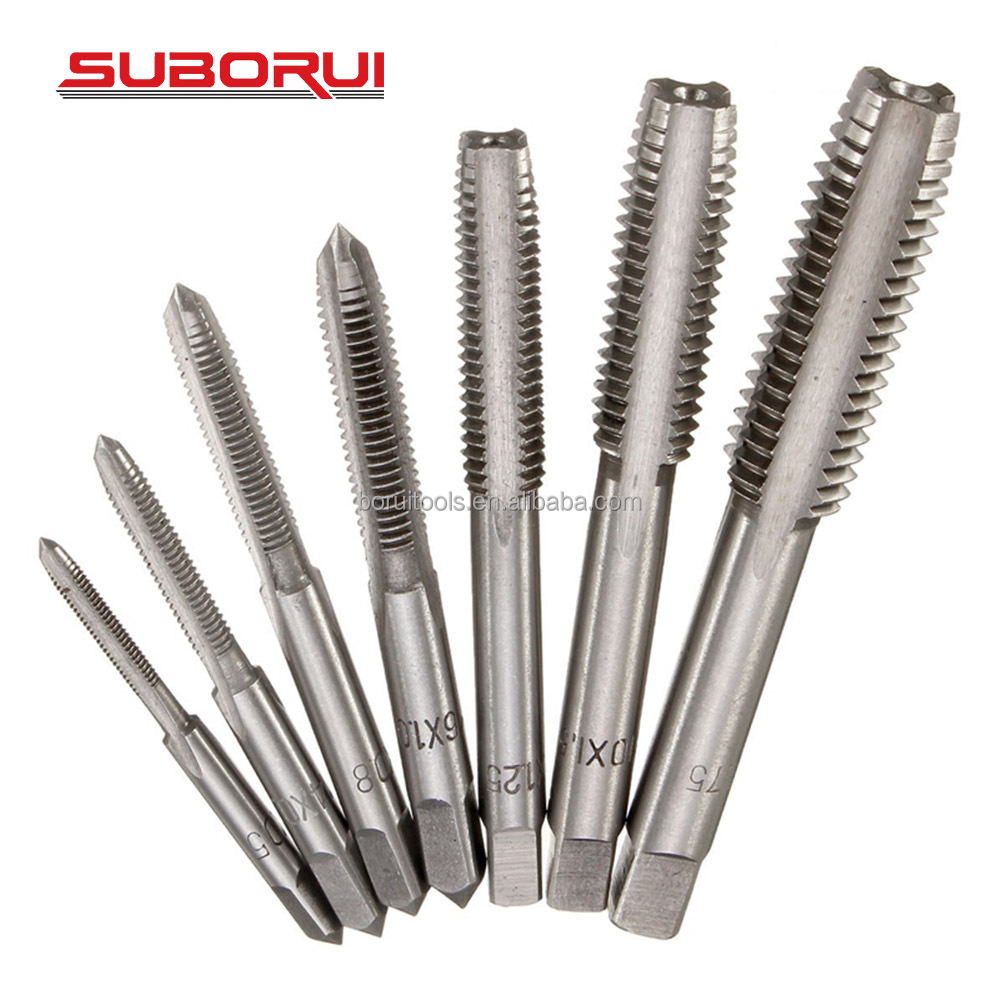
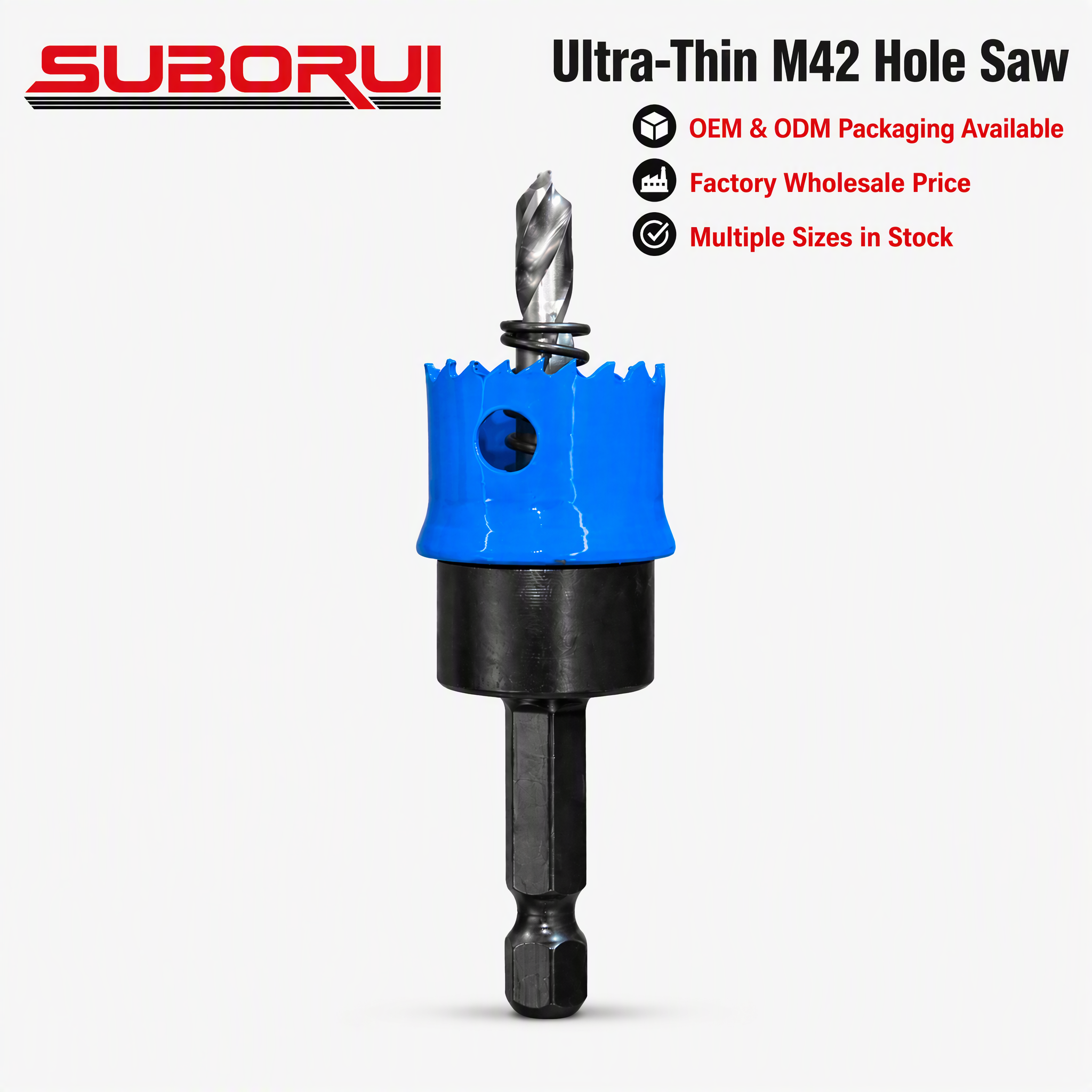
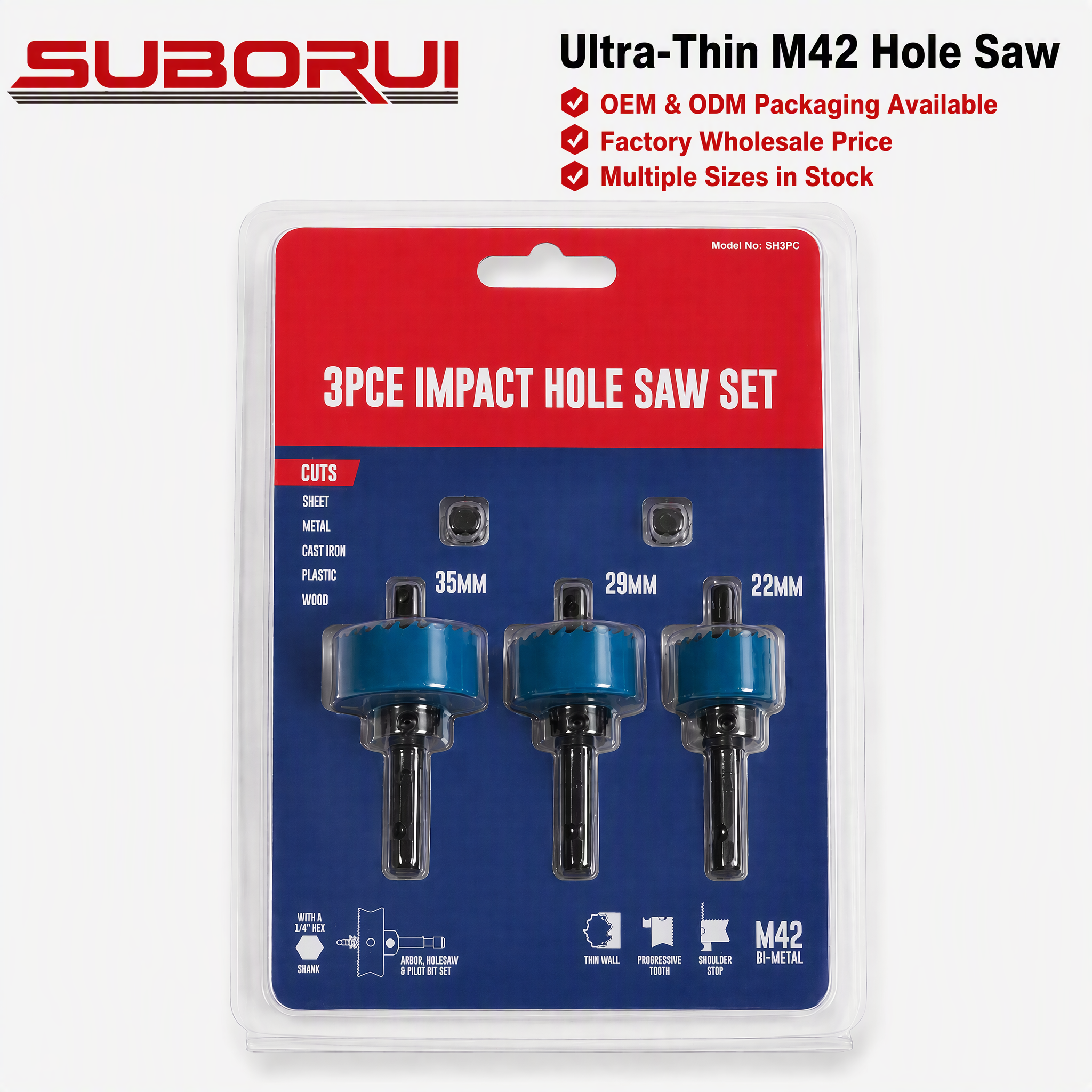
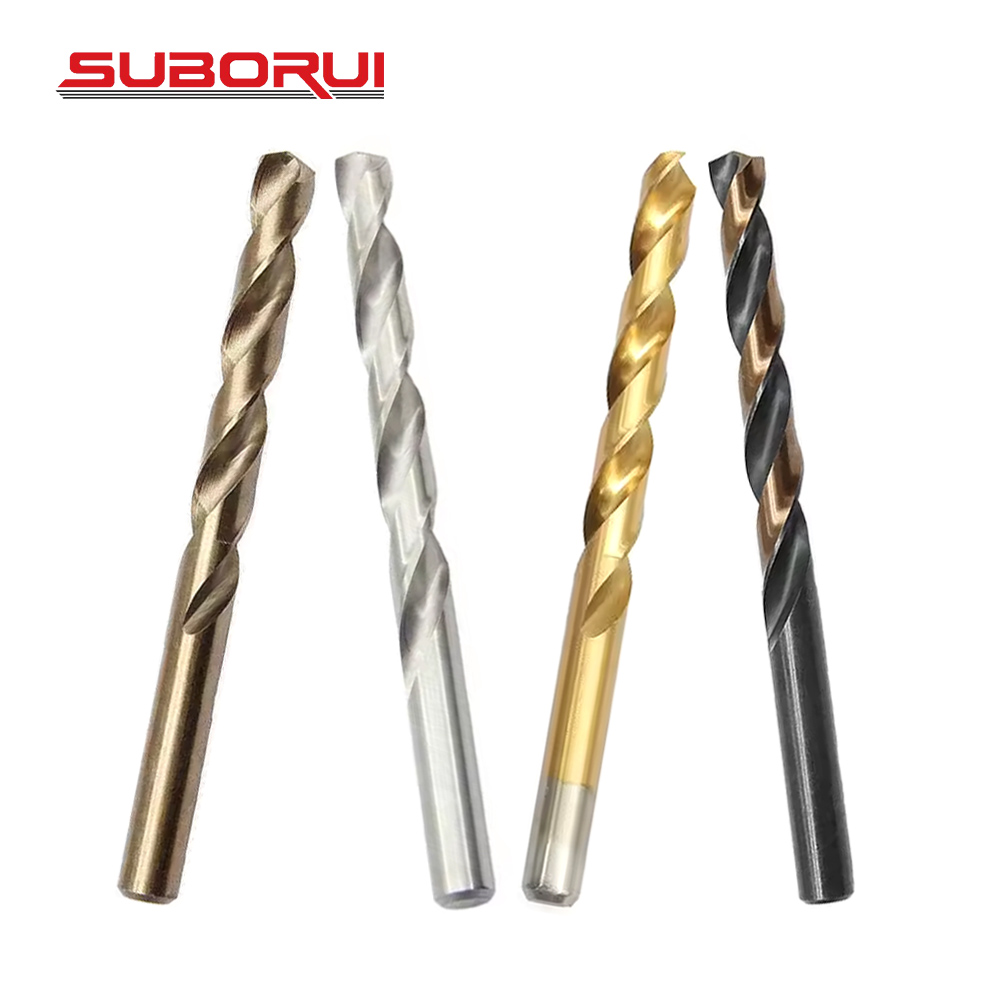
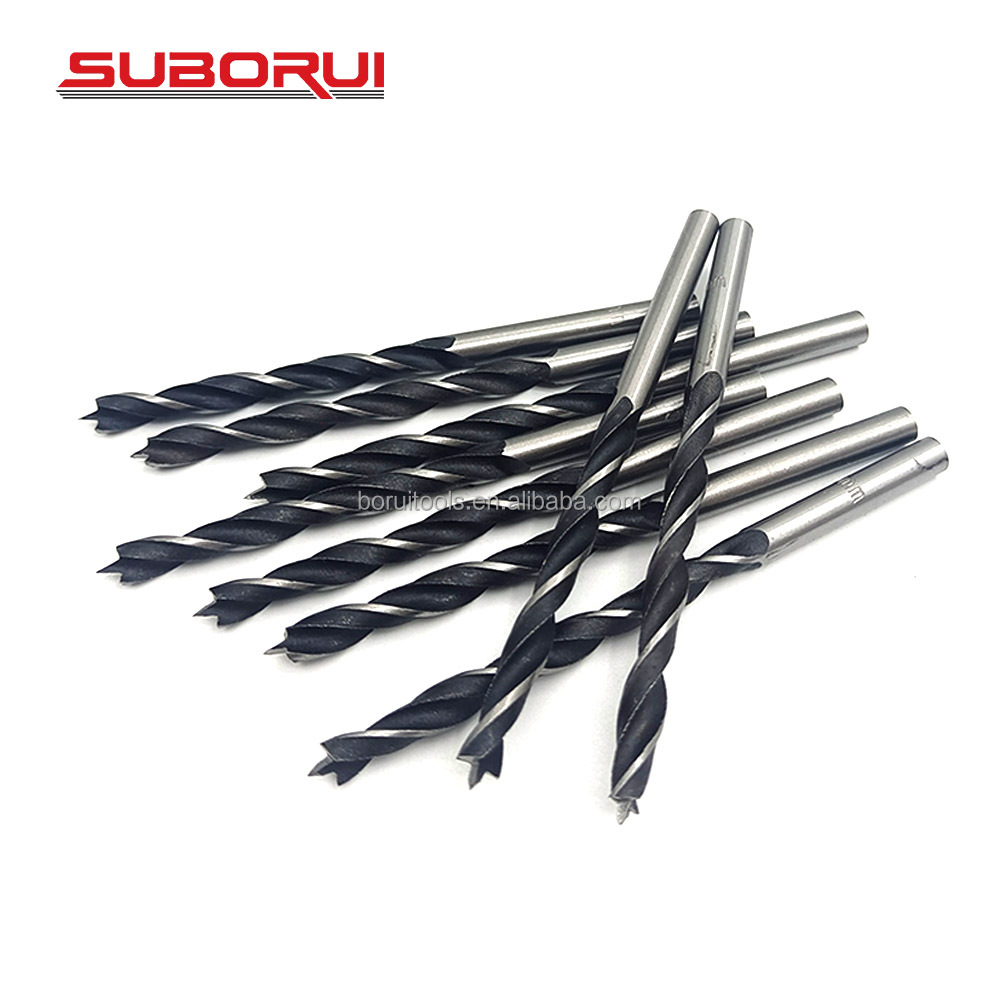
Kinematics of Spiral Flute Tapping in Blind Hole Processing
In high-speed precision manufacturing, the machining of internal screw threads in blind holes represents one of the most mechanically demanding subtractive cutting operations. Unlike through-hole tapping where straight-flute or spiral-point (gun) taps comfortably evacuate swarf ahead of the tool downward through the open bore, blind-hole threading requires the instantaneous evacuation of continuous metallic chips back upward toward the spindle. Failure in swarf evacuation inevitably results in chip re-cutting, severe torque spiking, galling of internal thread flanks, micro-chipping of cutting teeth, and catastrophic tool failure.
As an industry-leading spiral flute tap manufacturer and exporter, Jiangsu WRD Tools Co., Ltd. (operating the international SUBORUI brand) engineers high-performance helical geometry designed specifically to neutralize these hydrodynamic and shear stresses. By executing precision 5-axis CNC flute grinding on proprietary multi-spindle workstations, our spiral flute machine taps create a continuous positive rake angle combined with a calculated right-hand spiral helix (typically ranging from 35° to 48°), imparting a vertical helical vector to metal swarf. This mechanism acts precisely like an Archimedean screw pump, smoothly lifting stringy chips out of the hole without relying exclusively on high-pressure flood coolants.
When engineering taps for ductile materials like austenitic stainless steels (AISI 304, 316), heat-resistant superalloys (Inconel, Hastelloy), structural low-carbon alloys, and structural aerospace aluminums, matching the tool helix angle to the chip morphology is essential. A 15° to 25° slow spiral helix provides elevated core web cross-sectional thickness, which delivers optimal torsional rigidity when tapping short-chipping materials or harder alloy steels up to 35 HRC. Conversely, a 40° to 48° high-helix spiral design excels in deep-hole (depth > 2.5×D) applications in highly ductile, long-chipping stainless alloys, ensuring rapid swarf clearance before chips can nest inside the flute channels.
Optimized Chamfer Geometries
Precision-ground Form C (2-3 threads) and Form E (1.5-2 threads) lead chamfers distribute thread load smoothly across successive cutting edges, minimizing single-tooth load and protecting thread crests.
Sub-Micron Run-Out Tolerances
Engineered to exceed DIN 371, DIN 376, and ISO 529 standards. Thread pitch diameter tolerances strictly conform to ISO 2 (6H) and ISO 1 (4H) limits, preventing over-sized pitch errors in CNC tapping cycles.
Relieved Pitch Flanks
CNC back-taper and eccentric thread relief grindings significantly lower surface contact area along inactive teeth, dramatically slashing cutting friction, heat dissipation stress, and machine spindle draw.
HSS-Co vs. Powder Metallurgy (PM-HSS) & Advanced PVD Coatings
Tool life predictability during continuous high-throughput CNC tapping relies heavily on the substrate metallurgy and functional thin-film tribology. At Jiangsu WRD Tools, our raw bar stock undergoes rigorous optical emission spectrometry (OES) analysis to verify chemical alloy homogeny prior to production. Conventional standard High-Speed Steel (such as HSS 4241 or standard M2/6542) provides an economical foundation for intermittent tapping or mild steel structural components. However, demanding industrial manufacturing setups require M35 (HSS-E with 5% Cobalt) or M42 (HSS-E with 8% Cobalt).
The addition of cobalt radically raises the substrate's "red hardness" (resistance to plastic deformation at temperatures surpassing 600°C), while dramatically reducing tooth blunting. For heavy-duty OEM Tier-1 clients, our facility produces taps utilizing Powder Metallurgy High-Speed Steels (PM-HSS / HSS-E-PM). PM-HSS eliminates carbide segregation and coarse eutectic carbides inherent to conventional cast ingots, producing an ultra-fine, perfectly uniform carbide grain structure. This unlocks exceptional transverse rupture strength (toughness) alongside extreme hardness (up to 67–69 HRC), practically eliminating micro-chipping even under aggressive feeds and fluctuating chip loads.
| Substrate / Coating Class | Hardness (HV / HRC) | Max Working Temp (°C) | Friction Coeff. (vs Steel) | Optimal Machining Application |
|---|---|---|---|---|
| HSS M2 (6542) Uncoated (Bright) | 63 - 65 HRC | 500°C | 0.65 | General carbon steel (≤700 N/mm²), copper, brass, structural aluminum. |
| HSS-Co M35 (5% Cobalt) + TiN | 65 - 67 HRC / 2300 HV | 600°C | 0.40 | Alloy steels, medium carbon steels (≤950 N/mm²), production runs. |
| HSS-Co M35 + TiCN (Titanium Carbo-Nitride) | 66 - 68 HRC / 3000 HV | 400°C | 0.30 | Abrasive tool steels, ductile cast irons, high-strength structural fasteners. |
| PM-HSS + AlCrN (Aluminum Chromium Nitride) | 67 - 69 HRC / 3200 HV | 900°C | 0.35 | Austenitic stainless (304/316L), titanium alloys, dry/MQL high-speed CNC tapping. |
| Micro-Grain Solid Carbide + TiAlN | 1600 HV / 3400 HV | 800°C | 0.35 | Hardened dies/molds (>45 HRC), high-volume automotive cylinder blocks. |
Future Procurement & Technological Trends (2025–2030)
How procurement directors, supply chain executives, and technical buyers must adapt to automated smart manufacturing, sustainability mandates, and next-generation alloys.
Shift toward Synchronous Rigid Tapping
Modern CNC machining centers have largely phased out floating tap holders in favor of synchronized rigid tapping cycles. This trend demands tighter axial thread pitch tolerance, absolute tool concentricity (<0.005mm), and strictly calibrated shank diameter run-out to eliminate side-loading stresses during high-speed spindle reversals.
Eco-Friendly Lubrication: MQL & Dry Tapping
Environmental regulations and plant maintenance costs are driving workshops toward Minimum Quantity Lubrication (MQL) and near-dry tapping. Consequently, procurement preferences are transitioning from conventional bright-finish taps to thermal-barrier multi-layer nanocomposite coatings like AlCrN and diamond-like carbon (DLC).
Supplier Consolidation & Private-Label Packaging
Global tool distributors are actively consolidating vendor bases, migrating away from intermediaries directly to verified source manufacturers. Demand for turnkey OEM/ODM services—including direct shank laser-etching, automated QR traceability, and retail-ready packaging—has surged by over 40% year-over-year.
Proliferation of Light-Weighting Alloys
The rapid rise of electric vehicles (EVs) and clean-energy infrastructure has expanded the use of difficult-to-machine cast aluminum-silicon alloys, structural magnesium, and dual-phase sheet metals. Tooling buyers increasingly source custom spiral flute tap geometries featuring tailored rake angles to avoid material welding.
Why Global Tool Brands Partner with Jiangsu WRD Tools
Established in March 2007 in Danyang, Jiangsu—the epicenter of China's high-speed cutting tool industrial cluster—Jiangsu WRD Tools Co., Ltd. represents the highest echelon of cutting tool manufacturing.
Operating a modernized 12,000 square meter production complex staffed by over 150 skilled machinists, metallurgists, and technical engineers, we control the entire manufacturing lifecycle end-to-end. Unlike commercial trading intermediaries, we execute all critical steps in-house: automated raw material sawing, precision billet turning, computer-controlled vacuum and molten salt-bath heat treatment, multi-axis CNC flute grinding, thin-film PVD surface coating, rigorous 100% optical inspection, and custom blister/box automated packaging.
Our company was awarded official status as a High-Tech Enterprise of Jiangsu Province in 2019, underscoring our relentless investment in R&D, proprietary tooling patents, and high-efficiency manufacturing technologies. With an annual capacity exceeding 90 million drill bits, annular cutters, and threading taps, our operations generate sales revenue in excess of RMB 80 million annually. Our manufacturing facilities, quality management protocols, and worker safety ecosystems are independently audited and verified onsite by Intertek, guaranteeing absolute compliance with Western procurement standards.
Over nearly two decades of international trade, our OEM and ODM programs have successfully manufactured high-precision rotary cutting and threading tools for world-renowned industry leaders and retail private-label giants, including BOSCH, Milwaukee, DeWalt, Irwin, Makita, Dexter, KWB, Wolfcraft, Truper, and Heller. Whether your procurement program demands DIN 371 / DIN 376 machine taps, DIN 352 hand tap sets, ANSI standard taps, or fully customized non-standard threading solutions, our technical engineering team provides rapid prototyping, CAD/CAM drawing review, and guaranteed batch-to-batch repeatability.
Intertek Onsite Verified
Every square meter of our plant, from incoming steel warehousing to metallurgical QA testing labs, is third-party certified for export integrity and social compliance.
Full-Process Quality Control
In-house computerized salt-bath quenching and vacuum tempering ovens guarantee homogeneous core hardness (HRC ±0.5), preventing brittle shank fracture.
Flexible OEM/ODM Capability
Low production MOQs for specialized custom profiles, high-speed automated laser-marking, customized substrate grades, and localized retail packaging.
Frequently Asked Sourcing Questions
Actionable technical answers addressing high-volume tap sourcing, tolerance standards, and application troubleshooting.
Q1: How does a spiral flute tap differ fundamentally from a spiral point tap?
Spiral flute taps feature helical flutes that lift chips backward out of the hole, making them mandatory for blind-hole applications. Spiral point (gun-nose) taps have straight flutes with an angular grind at the tip that pushes chips forward ahead of the tool, making them ideal for through-holes where unobstructed chip ejection downward is possible.
Q2: Which helix angle should be specified for austenitic stainless steel vs. carbon steel?
For austenitic stainless steels (e.g., 304, 316) that generate tough, stringy chips, a high helix of 40° to 45° is optimal to maximize upward evacuation velocity. For standard medium-carbon steels (e.g., AISI 1045) or alloy steels where cutting torque is higher, a 35° helix balances chip extraction with enhanced torsional core strength.
Q3: What are the standard Minimum Order Quantities (MOQ) for custom OEM orders?
For standard metric or imperial spiral flute taps with custom laser marking, our minimum order quantity starts at just 100 to 500 pieces per size. For fully customized non-standard profile tap sets or unique proprietary packaging (such as custom-molded cases or retail blisters), MOQs generally begin around 1,000 to 1,200 sets.
Q4: How do you solve tap breakage issues in deep blind holes (> 2.5×D)?
Deep-hole tap breakage is typically caused by chip accumulation in the flute root. We solve this by implementing an eccentric relief grind, applying a high-lubricity PVD coating (such as TiCN or AlCrN) to eliminate chip welding, and optimizing the web core diameter to provide superior torque resistance without constricting flute volume.
Q5: What thread tolerance standards can Jiangsu WRD Tools manufacture to?
We routinely produce taps compliant with European DIN (DIN 371, DIN 374, DIN 376, DIN 352) to ISO 1 (4H), ISO 2 (6H), and ISO 3 (6G) tolerances. For the North American market, we manufacture ANSI B94.9 taps to Class 2B and 3B limits, as well as Japanese JIS standards, accompanied by full optical inspection documentation.
Q6: What export terms and logistics capabilities do you provide?
Located near major international ports (Shanghai and Ningbo), we offer EXW, FOB, CFR, CIF, and DDP shipping terms. Our dedicated export documentation team provides Certificates of Origin (CO, Form E, Form F), Intertek inspection certificates, and complete material analysis test reports for seamless customs clearance worldwide.
Ready to Elevate Your Tooling Supply Chain?
Consult with our senior cutting tool engineers to review your custom blueprints, request free factory samples, or obtain a competitive quotation within 24 business hours.