High-Volume Industrial Production Series
Manufactured strictly in accordance with DIN, ISO, and international ANSI demolition standards. Direct plant shipments engineered for longevity, high fracture toughness, and superior chipping kinetics.
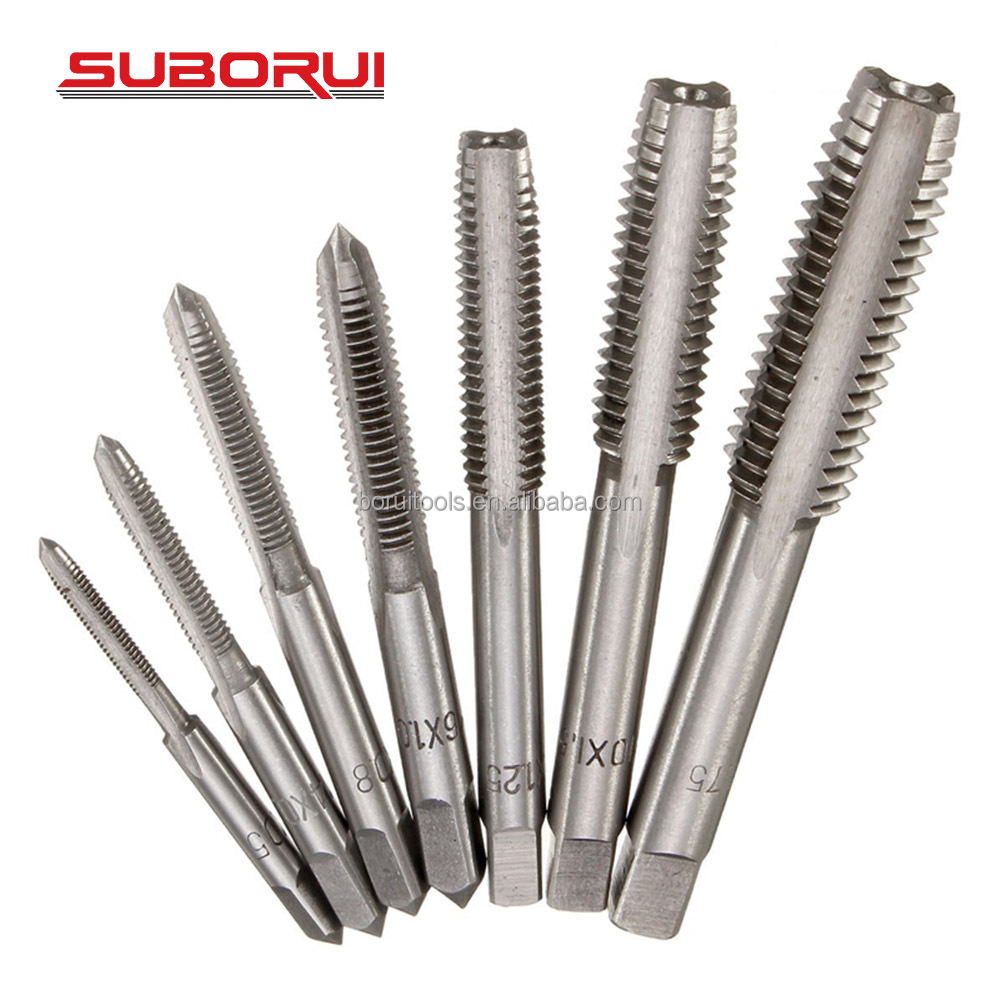
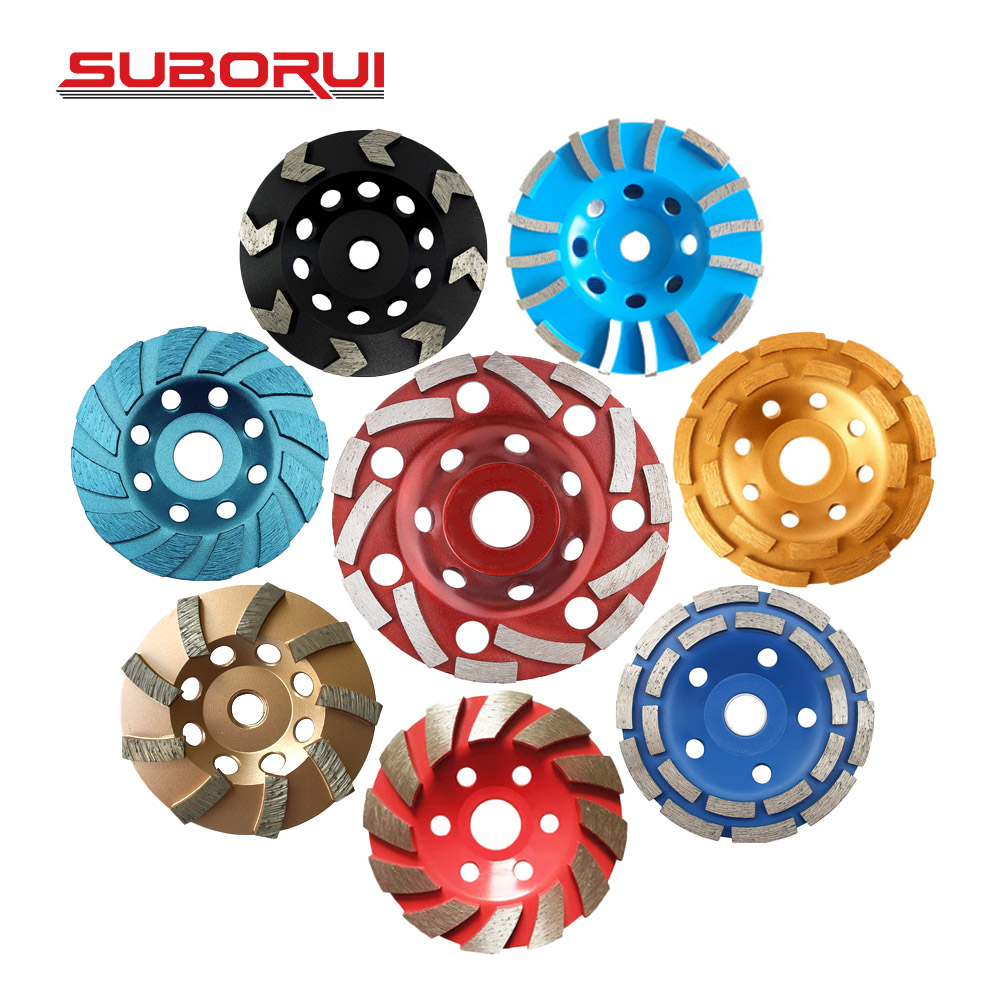
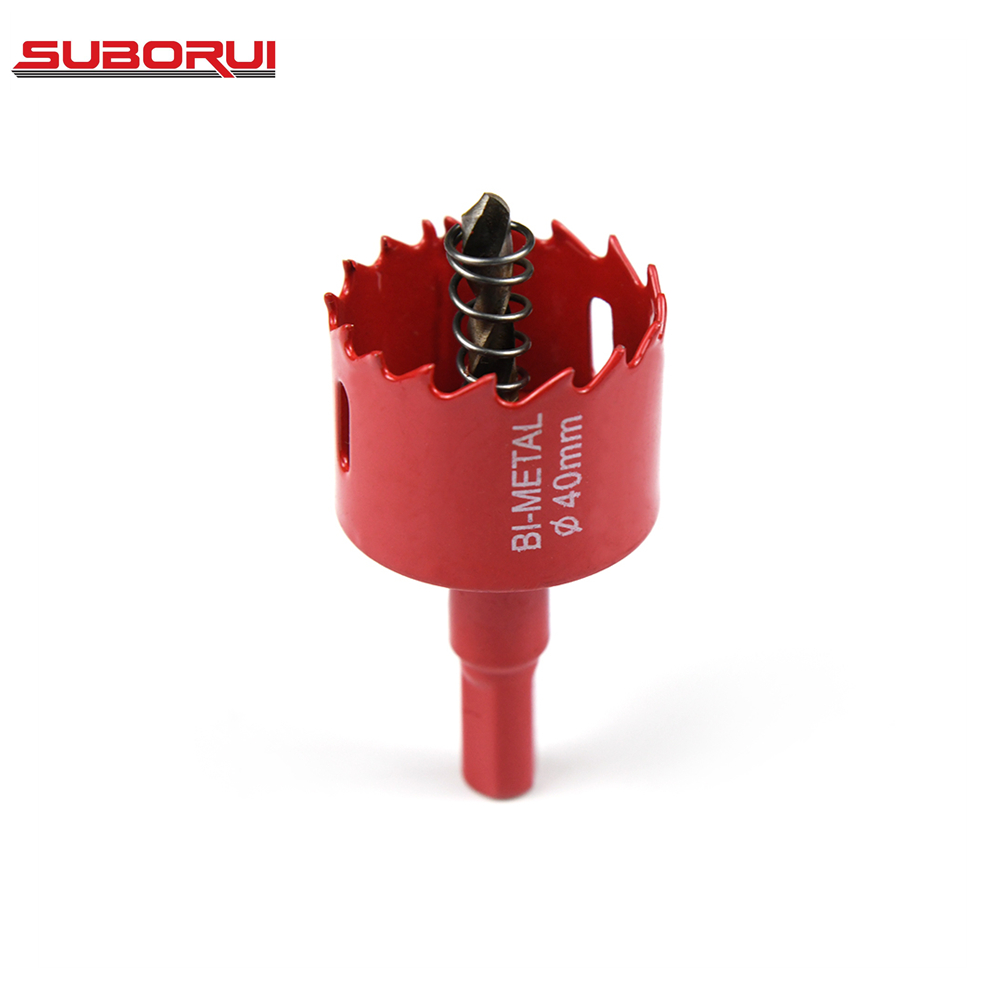
Engineering Structural Integrity: SDS Scaling Chisel Metallurgy & Dynamic Fracture Dynamics
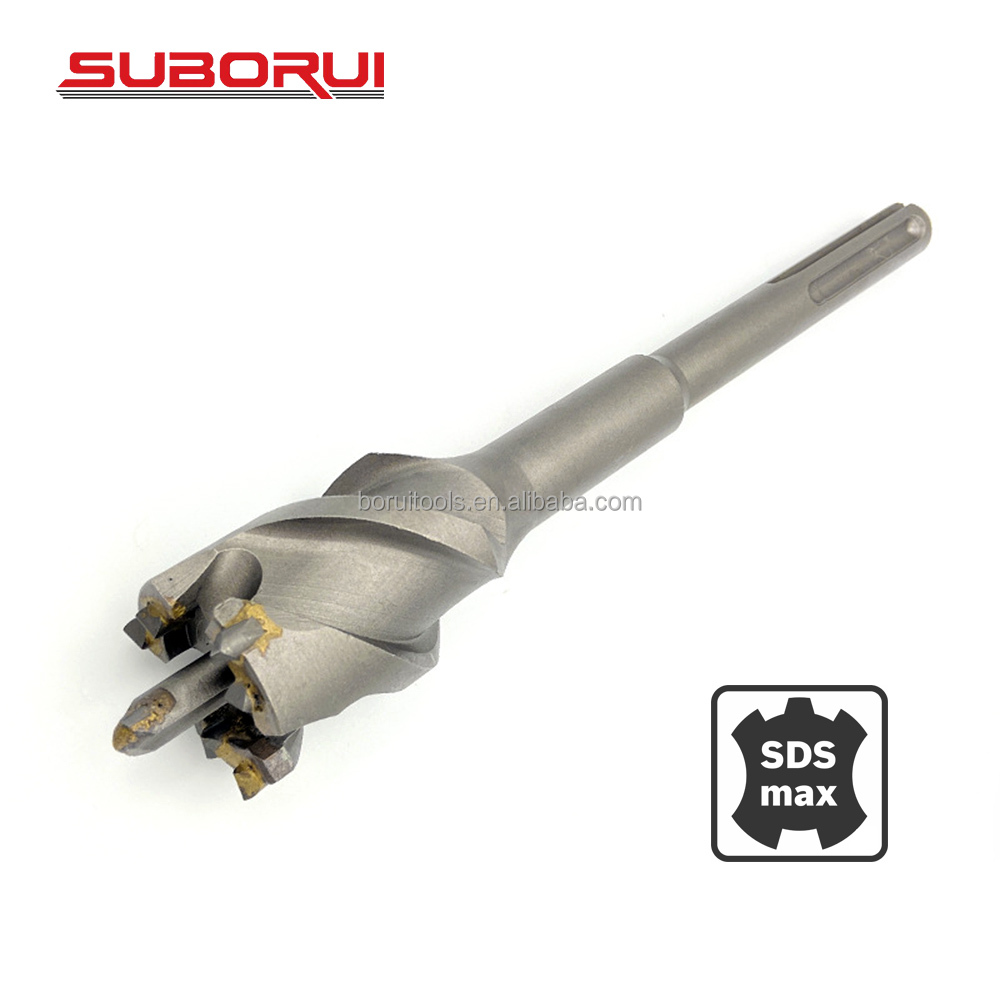
In modern high-efficiency masonry rehabilitation, structural stripping, and floor renovation, the SDS scaling chisel operates under catastrophic mechanical conditions. Unlike rotary percussion drill bits where axial thrust is primarily borne by carbide teeth, scaling chisels depend exclusively on the solid forged steel body to absorb repeated high-energy shock waves generated by electro-pneumatic hammer pistons. To satisfy the relentless wear requirements demanded by multinational rental fleets, demolition operators, and premier brand labels, our factory deploys a strictly controlled metallurgical approach balancing ultra-high surface hardness with ductile shock-absorbing core properties.
1. Grain Refinement & Hot Die Drop Forging Kinetics
Substandard scaling chisels frequently fail through brittle transverse cleavage at the shank junction or premature blunting along the scaling blade. WRD Tools counters cyclic fatigue through high-pressure drop-forging utilizing custom-specified vacuum-degassed 40Cr and 42CrMo alloy steel bars. By forging within a strictly monitored thermal window of 1,050°C to 850°C, the macro-molecular austenitic grains are compressed into ultra-dense fibrous flow lines contoured exactly to the chisel geometry. This continuous fibrous alignment stops micro-crack initiation along the blade shoulder, directly countering shear fracture under extreme lateral prying forces.
2. Differential Dual-Zone Induction Heat Treatment
A premier SDS scaling chisel demands mutually exclusive mechanical properties: the drive shank must remain resilient to prevent destruction of the hammer’s SDS chuck retaining rollers, while the scaling blade requires rock-like abrasion resistance to strip bonded mortar, ceramic tile, heavy spatter, and crystalline cementitious deposits. We achieve this equilibrium using customized multi-frequency continuous induction quenching lines:
| Zonal Segment | Target Metallurgical Phase | Target Hardness | Operational Engineering Function |
|---|---|---|---|
| Drive Striking End | Tempered Sorbite / Fine Troostite | HRC 46 – 49 | Eliminates mushrooming, spalling, and chuck-jaw galling under sustained piston impact. |
| Intermediate Flex Core | Ductile Bainite Core Matrix | HRC 38 – 42 | Dissipates high-frequency reflected transverse stress waves; prevents middle-shank snapping. |
| Scaling Cutting Edge | Cryo-stabilized Martensite | HRC 52 – 56 | Resists extreme friction abrasive wear against hard aggregate, high-build epoxy, and thinset. |
3. Blade Geometry & Angular Force Distribution
Our engineering team has optimized blade flare curvatures ranging from 40 mm to 115 mm wide configurations. Conventional planar scraper designs dissipate up to 28% of hammer kinetic energy laterally through friction back-pressure. Our computer-modeled parabolic back-rake bevel focuses the axial hammer blow directly behind the shear boundary layer of tile bedding, popping slabs up rather than pulverizing them into fine silica dust. This simultaneously lowers vibration transfers back to operator wrists and significantly reduces power draw on battery-operated brushless cordless demolition tools.
Future Procurement Trends in Industrial SDS Scaling Chisels (2025–2030)
Cordless Optimized Lightweight Geometry
With high-output 18V and 36V/40V brushless rotary hammers overtaking corded units across job sites, purchasing directors are prioritizing weight-optimized chisel stems. Utilizing hollow-rib forging and engineered fluting, weight is lowered by 14% without compromising shear threshold, directly yielding up to 22% more work area per battery charge.
Diffusion Coated & Anti-Corrosion Finishes
Standard black oxide finishes are increasingly replaced in European and North American bids by zinc-iron micro-phosphating, manganese phosphating, and advanced ceramic vapor deposition. These coatings preserve rust resistance in coastal storage environments and prevent adhesive bonding of wet grout and asphalt mastic to the chisel body.
Self-Sharpening Indented Edge Matrices
The global demolition market is transitioning away from standard flat wedge geometry toward lateral ribbing and self-sharpening profiles. As wear progresses, the differentiated flute design erodes in controlled pathways, maintaining a sharpened chisel edge without requiring manual redressing or workshop grinding down-time.
Jiangsu WRD Tools Co., Ltd. — Verified Manufacturing Excellence
Headquartered in Danyang, Jiangsu — China’s premier hardware manufacturing cluster — Jiangsu WRD Tools Co., Ltd. was established in March 2007 with a registered capital of RMB 10 million. Spanning an owned, specialized manufacturing base of 12,000 square meters with over 150 certified technicians and skilled machinists, our annual turnover consistently exceeds RMB 80 million.
Unlike trading intermediaries, WRD Tools operates an unbroken production loop under ISO9001:2015 management. Our facilities feature fully independent production workshops dedicated to HSS twist drills, wood bits, SDS hammer tooling, and core bits. Our technical operations, manufacturing safety protocols, and quality assurance workflows have been thoroughly inspected and verified onsite by Intertek Group, earning the prestigious credential of High-Tech Enterprise of Jiangsu Province since 2019.
Tier-1 Brand Supplier Record
Our OEM/ODM engineering capabilities are trusted by global industrial market leaders, having supplied high-volume private label cutting and demolition accessories to world-renowned brands including BOSCH, Milwaukee, DeWalt, Irwin, Makita, Dexter, KWB, Wolfcraft, Truper, and Heller.
Formidable Volume Capacity
Annual output across our workshops stands at over 90 million units: producing 50 million wood drill bits, 25 million twist drill bits, and 15 million hex-shank and percussion hammer accessories each year, ensuring completely scalable volume without supply disruptions.
Turnkey OEM/ODM Engineering
We provide full-spectrum engineering customization: from CAD design of special chisel angles, SDS-Plus, SDS-Max, and hex shanks, up to laser etching, tamper-evident skin packing, hanging plastic cassettes, and bespoke metal cases formatted for distributor shelf displays.
Frequently Asked Questions: Technical Sourcing & Export Verification
What is the standard minimum order quantity (MOQ) for custom SDS scaling chisels?
For standard dimension catalog orders, our baseline MOQ is 100 to 500 units per line. For fully customized forging molds, non-standard stem lengths, or branded retail skin cards, our typical production run starts at 1,000 to 2,000 units, depending on the metallurgical grade selected.
How do you verify shank hardness to protect rotary hammer retainers from deformation?
Every forging heat-treatment lot is sampled under digital Rockwell (HRC) testers across three points: striking face, chuck lock-ball indentations, and transition flute. We strictly ensure shank chuck zones do not exceed HRC 49, preserving hammer internal chucks from premature galling or destructive fracture.
Can your factory produce wide floor scraper chisels with replaceable flexible blades?
Yes. In addition to solid single-piece forged scaling chisels, we engineer heavy-duty 4-inch (100mm) to 6-inch (150mm) floor scrapers featuring high-tensile spring steel replacement blades fastened via grade 10.9 countersunk bolts with nylon-insert locking nuts for mortar and linoleum stripping.
What testing procedures are conducted prior to container dispatch?
Beyond dimensional verification by micrometers and laser gauges, sample bits are subjected to destructive dynamic impact testing under heavy pneumatically powered rigs against standardized C40/50 test concrete blocks. Metallurgical grain microstructure and cross-sectional decarburization layers are checked per production heat.
What documentation and compliance support are provided for customs clearance?
We provide full technical dossier support including Intertek Onsite Factory Audits, Mill Test Certificates (EN 10204 Type 3.1), Certificates of Origin (CO, Form E, Form A), REACH/RoHS compliance declarations, and customized export packing lists suited for swift customs clearing across major ports worldwide.
Direct Plant Procurement & Customized Tooling
Connect with our export sales engineering department for metallurgical specifications, custom shank fabrication inquiries, or current wholesale container price schedules.