Engineered Tool Portfolio & Export Selections
Direct factory supply across core concrete, masonry, glass, metalworking, and woodworking cutting accessories.
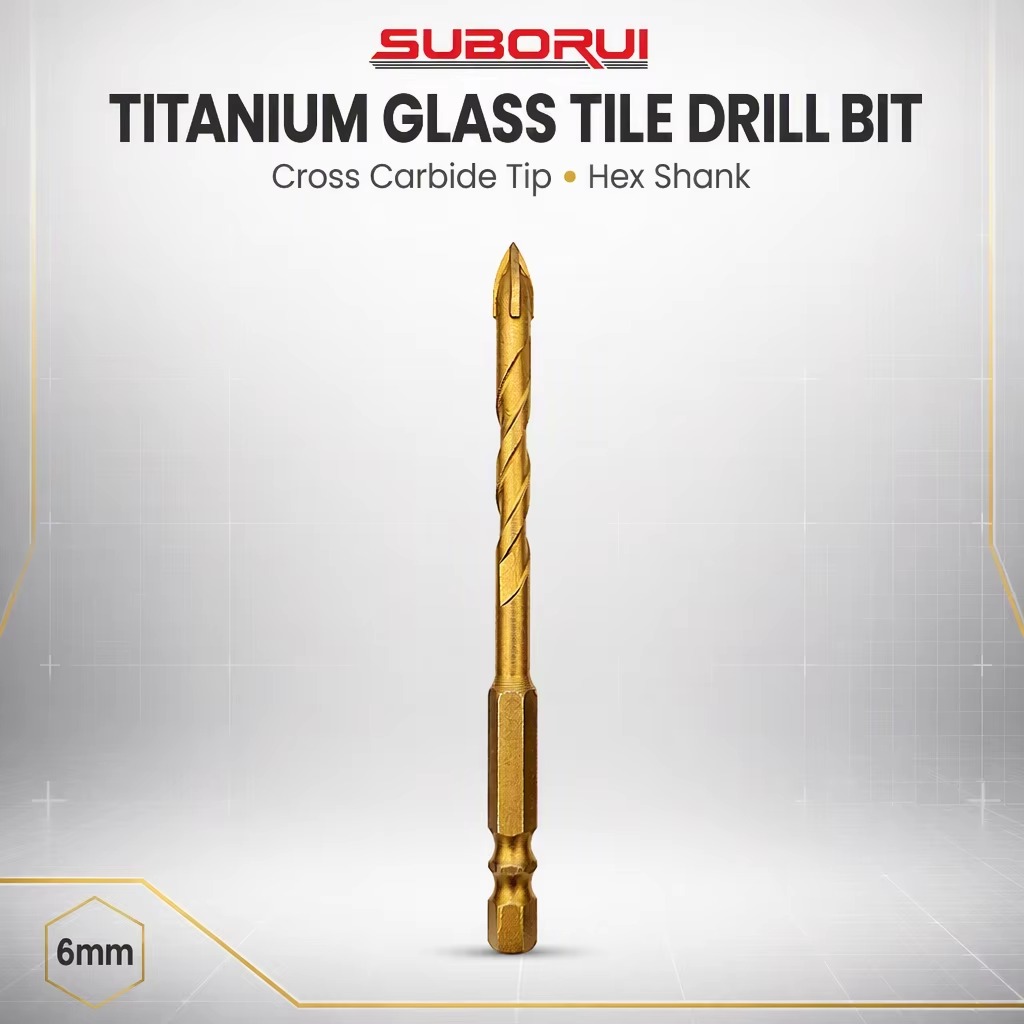
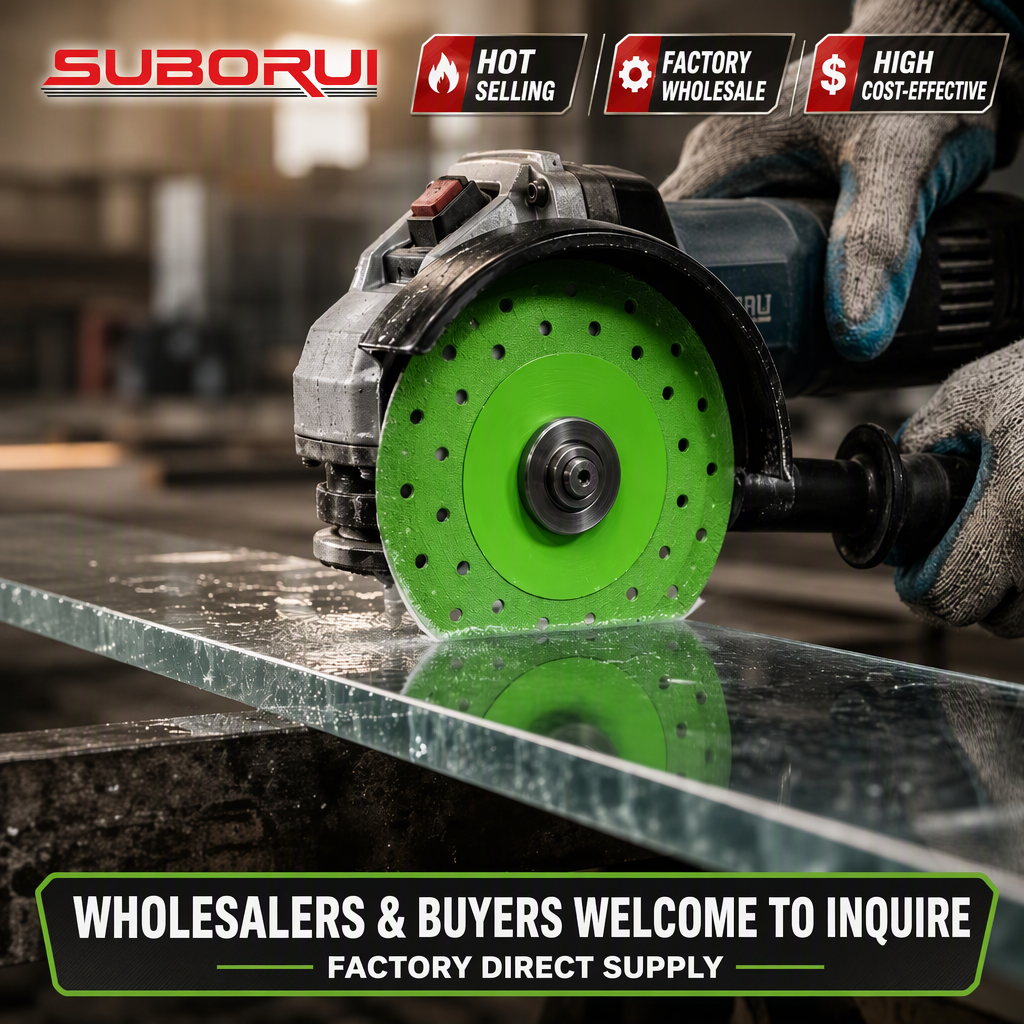
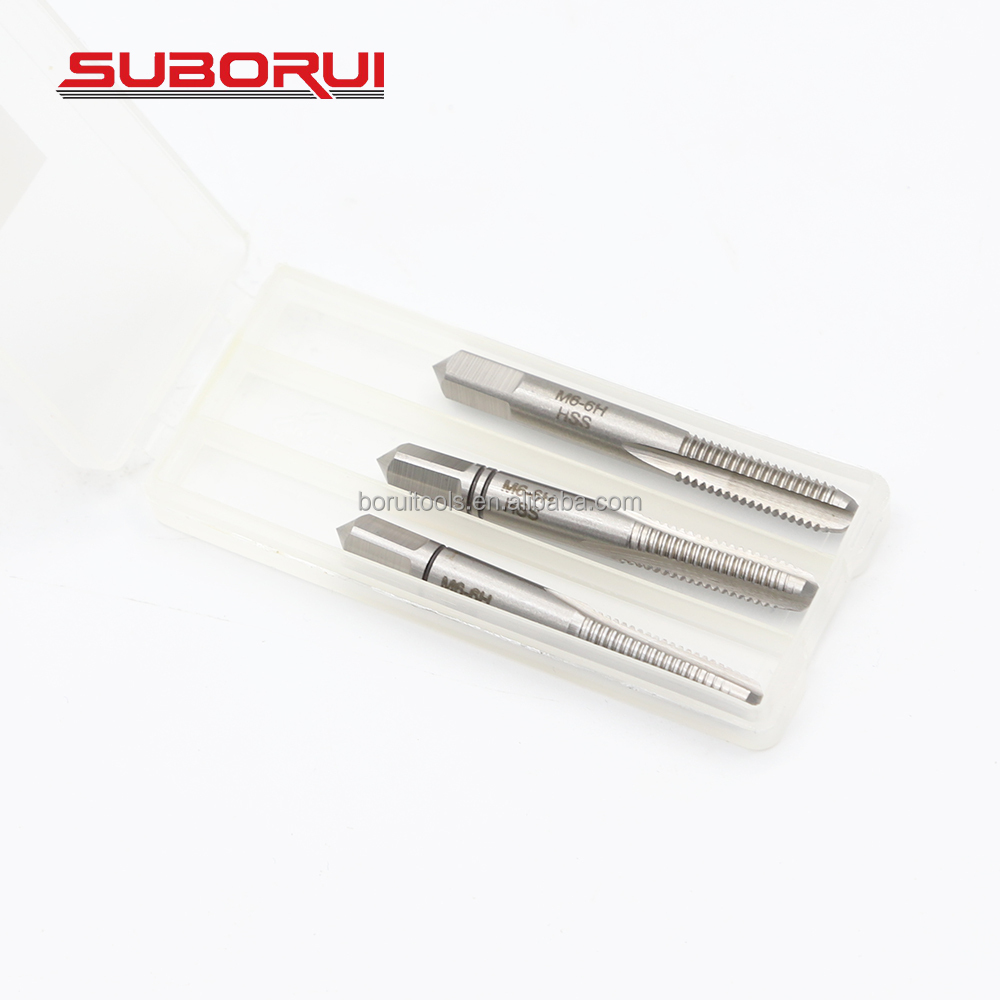
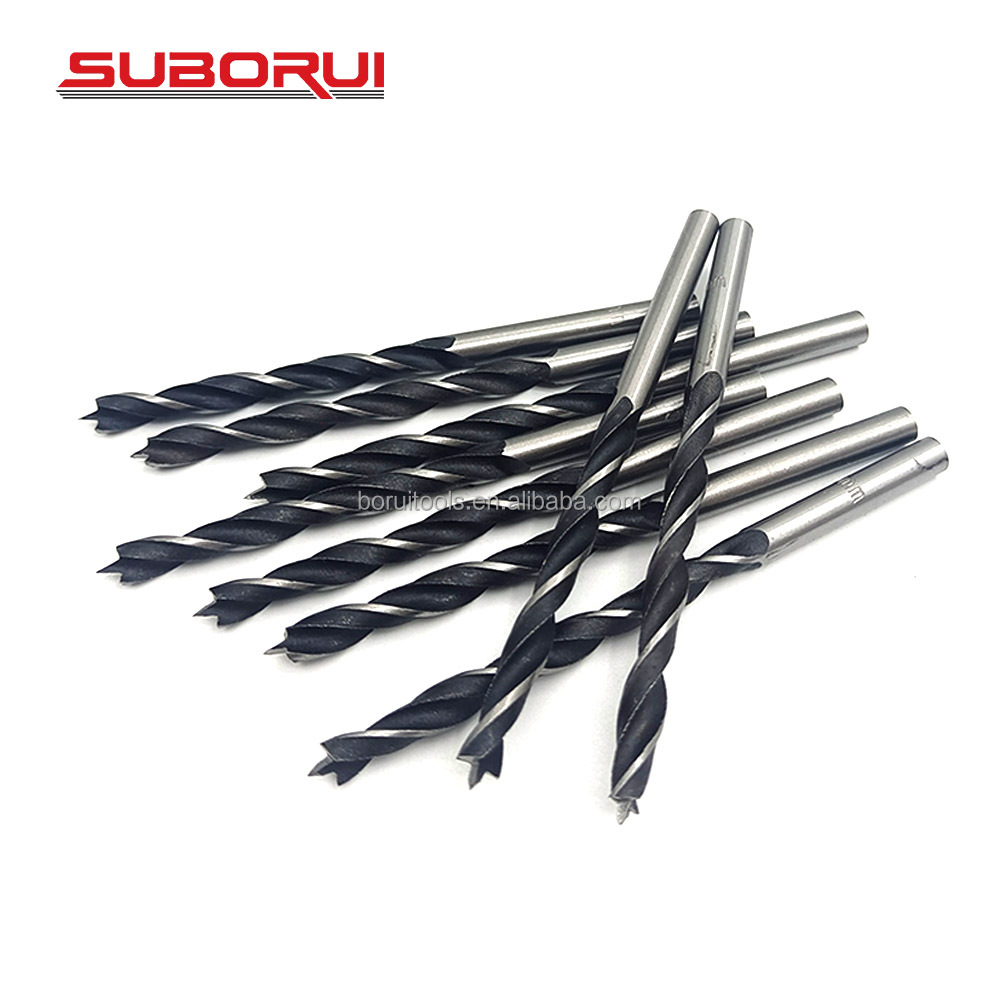
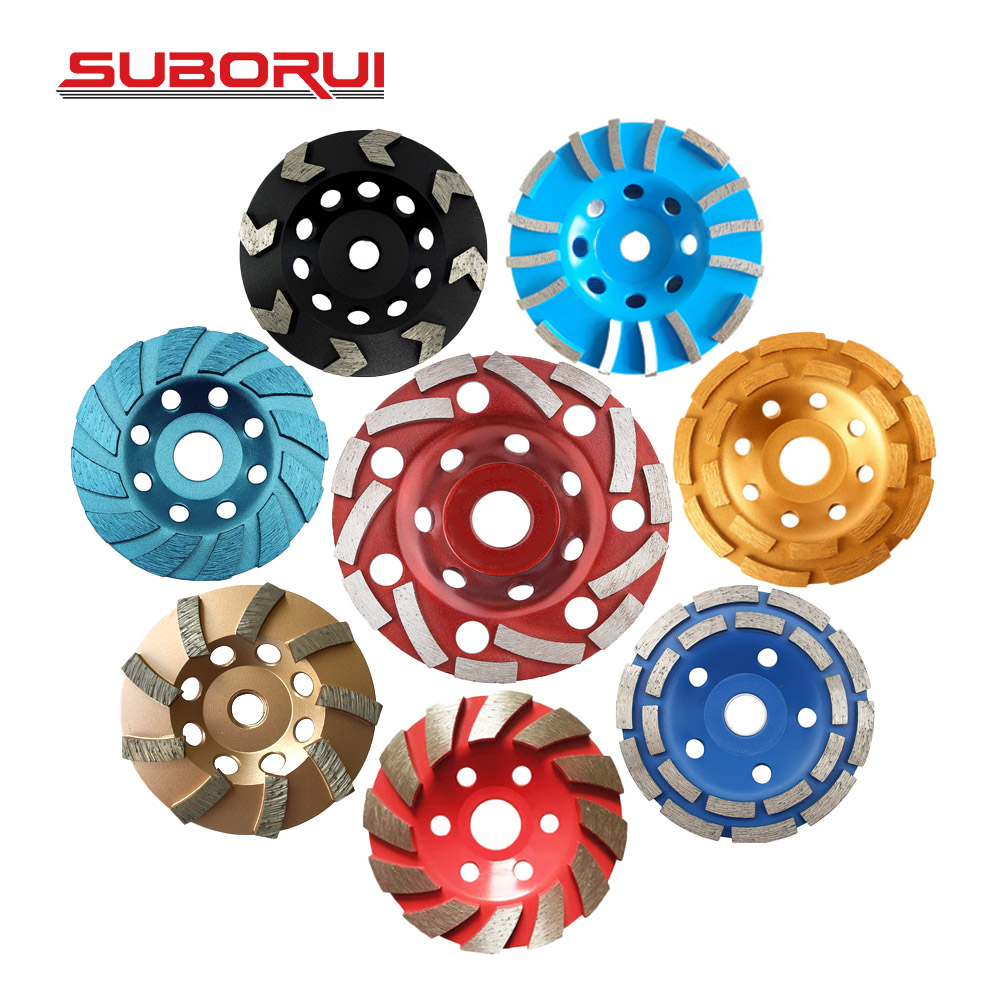
In heavy civil construction, floor surface prep, and commercial masonry resurfacing, the diamond cup grinding wheel serves as the frontline abrasive interface. Unlike conventional bonded silicon carbide abrasive discs, diamond cup wheels rely on a complex sintered metallurgical matrix embedded with synthetic single-crystal diamonds (typically synthesized under high-pressure, high-temperature HPHT conditions). Sourcing directors and tool brand category managers must look beyond superficial segment geometries to understand that abrasive tool productivity is strictly governed by the interplay between three factors: diamond grit morphology, segment binder alloy composition, and substrate dynamic balancing.
When grinding dense, non-abrasive aggregates such as cured granite or hard-troweled green concrete, a softer metallic bond matrix (consisting of high concentrations of copper, bronze, or tin) is required. The soft bond wears away predictably to continually expose razor-sharp synthetic diamond edges. Conversely, when grinding highly abrasive media such as soft asphalt, screed, sandstone, or fresh cement mortar, the bond matrix must incorporate refractory metals like tungsten carbide, cobalt, and nickel alloys to prevent premature diamond loss and segment stripping.
| Substrate Material | Aggregate Hardness (Mohs) | Recommended Bond Matrix | Optimal Diamond Mesh / Grit | Segment Geometry Focus |
|---|---|---|---|---|
| Cured High-PSI Concrete (>4500 PSI) | 6.5 – 7.5 | Ultra-Soft (Copper/Cobalt Base) | 30/40 Coarse Diamond | Turbo Spiral / Swirl Wave |
| Standard Structural Concrete | 5.0 – 6.0 | Medium Cobalt/Iron Alloy | 40/50 Standard Grit | Double-Row Segmented |
| Abrasive Mortar, Sandstone & Screed | 3.0 – 4.5 | Hard Tungsten-Carbide Enriched | 50/60 Medium Diamond | Segmented with Venturi Slots |
| Epoxy, Mastik & Polyurethane Coatings | Variable / Viscous | Polycrystalline Diamond (PCD) Hybrid | Quarter / Half Round PCD Inserts | Scraper Segment with Aggressive Rake |
A frequent failure mode observed by warranty departments in the field is segment glazing—the phenomenon where diamond crystals fracture flush with an excessively hard metal bond, causing grinding friction to spike while removal rates drop to near zero. WRD Tools addresses this with calibrated multi-stage furnace vacuum sintering, ensuring uniform diamond distribution throughout every cubic millimeter of the segment.
Dynamic Core Balance: Mitigating Operator Strain
Why strict conformance to ISO 1940 and EN 13236 standards separates genuine manufacturers from unregulated assembly shops.
ISO 1940 Grade G6.3 Balancing
A diamond cup wheel operating on a high-speed angle grinder rotates between 8,500 and 12,200 RPM. Peripheral runout or mass distribution imbalances as small as 0.3 grams produce severe vibrational resonance. WRD Tools balances 100% of its heavy concrete grinding discs on automated balancing platforms, reducing spindle wear and operator fatigue syndrome.
High-Frequency Induction Brazing
Segment shearing during operation represents an extreme hazard for job site personnel. We utilize automated induction brazing with silver-copper sandwich shims (Ag-Cu-Zn-Cd-free). Every production lot undergoes destructive hydraulic torque shear testing to ensure tensile weld strength exceeds international EN 13236 safety thresholds.
Core Aerodynamics & Heat Dissipation
Frictional heat during dry grinding can warp heat-treated steel cores, inducing catastrophic runout. Our body stampings feature finite-element-optimized air passages and cyclonic holes that accelerate airflow, drawing concrete dust into extraction shrouds while maintaining thermal stability below 450°C.
Global procurement specialists are shifting their supply chain strategies. Simple unit pricing no longer guarantees margin stability; total lifecycle performance and regulatory compliance are the new key performance indicators. The following technological trajectories are reshaping diamond cup grinding wheel procurement:
1. Polycrystalline Diamond (PCD) Hybrids
Traditional diamond segments overheat and gum up when chewing through elastomeric waterproofing, carpet adhesives, or polyaspartic coatings. Sourcing demands are swinging toward hybrid cup wheels that combine aggressive PCD cutting chips with sacrificial diamond wear-pads to scrape and profile in a single pass.
2. Titanium-Coated Synthetic Crystals
MTCVD (Medium Temperature Chemical Vapor Deposition) micro-coatings of titanium or nickel applied to synthetic diamond grains protect the crystals from thermal graphitization during vacuum sintering, elevating diamond retention within the matrix by over 38% compared to unclad diamonds.
3. Zero-Carbon & Ethical Supply Chains
With the European Union’s Carbon Border Adjustment Mechanism (CBAM) taking hold, tier-1 importers require detailed energy provenance audits for steel substrates and synthetic diamond synthesis. Direct OEM manufacturers with consolidated green power systems will maintain competitive advantages.
Enterprise Advantages: Jiangsu WRD Tools Co., Ltd.
Headquartered in Danyang, Jiangsu—China’s premier industrial cutting tool capital—we combine engineering control with tier-1 export scale.
Unlike export trading agencies, Jiangsu WRD Tools maintains integrated control across the value chain: from high-carbon steel blank punching, computerized vacuum sintering, and CNC laser engraving to static/dynamic balancing and customized blister or injection-molded packaging. Our manufacturing capacity delivers up to 90 million cutting accessories annually, serving brand distributors across Germany, the USA, Switzerland, and Sweden.
Our OEM capabilities have delivered production runs compatible with international brands including Bosch, DeWalt, Milwaukee, Makita, Truper, Wolfcraft, and Heller, while maintaining strict customer non-disclosure agreements and brand protection policies.
Frequently Asked Questions: Procurement & Engineering
Direct technical answers to common queries faced by abrasive tool importers, brand developers, and supply chain analysts.
What is the definitive method to pair cup wheel bond hardness with job site concrete?
How does WRD Tools prevent segment detachment on heavy-duty grinding discs?
What are the standard arbor and thread configurations for international export?
What are the typical OEM private-label MOQs and lead times?
Can WRD Tools formulate custom bonds based on specific regional aggregate samples?
Initiate Your Factory-Direct Diamond Tool Audit
Connect with our technical engineering sales desk in Danyang. Request engineering drawings, sample batches for concrete surface testing, or full OEM catalog pricing.
Get a Quote