Engineered Cutting Solutions: Recommended Core Tools
Explore our eight flagship tooling solutions manufactured directly at our verified Danyang production hub. Each system is engineered to satisfy rigorous international tolerances and heavy-duty industrial wear resistance standards.
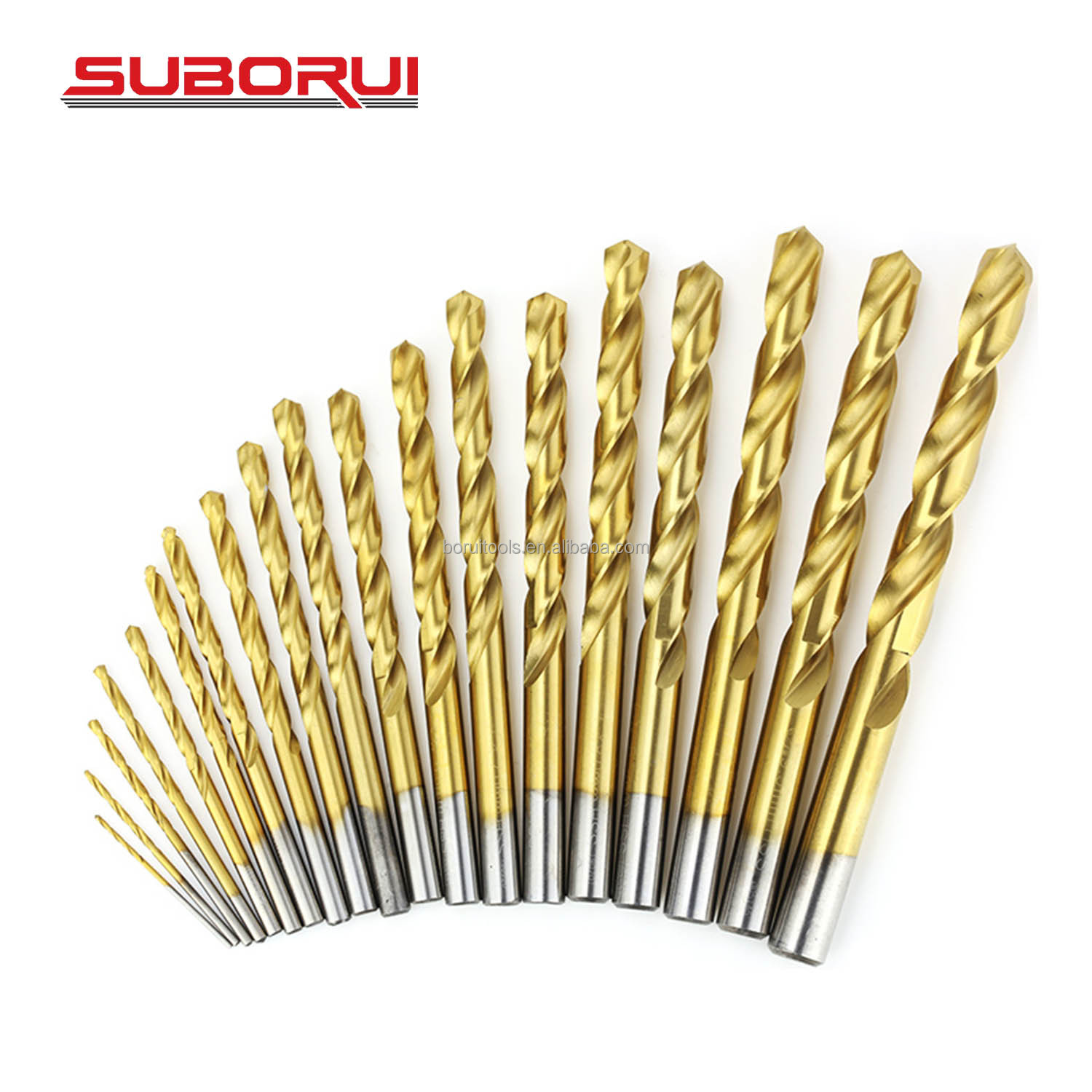
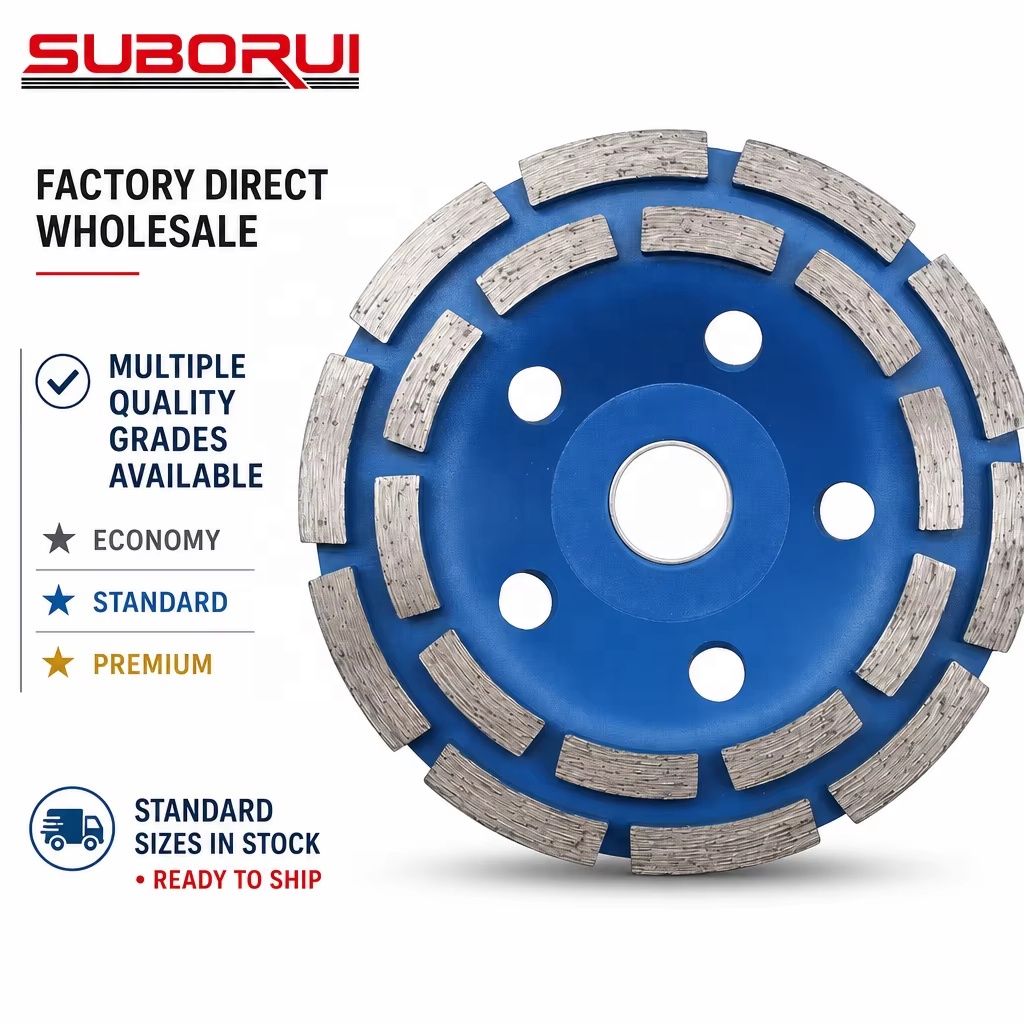
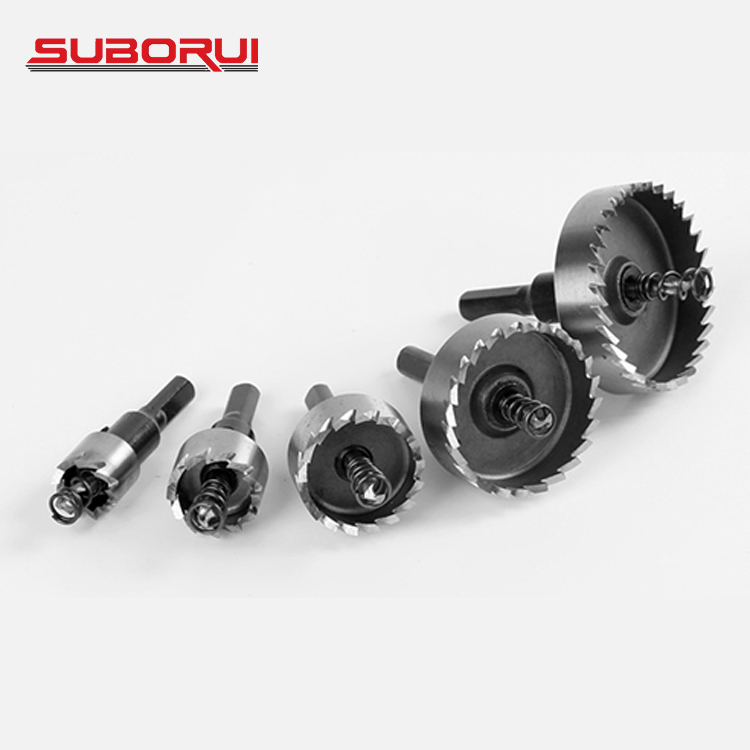
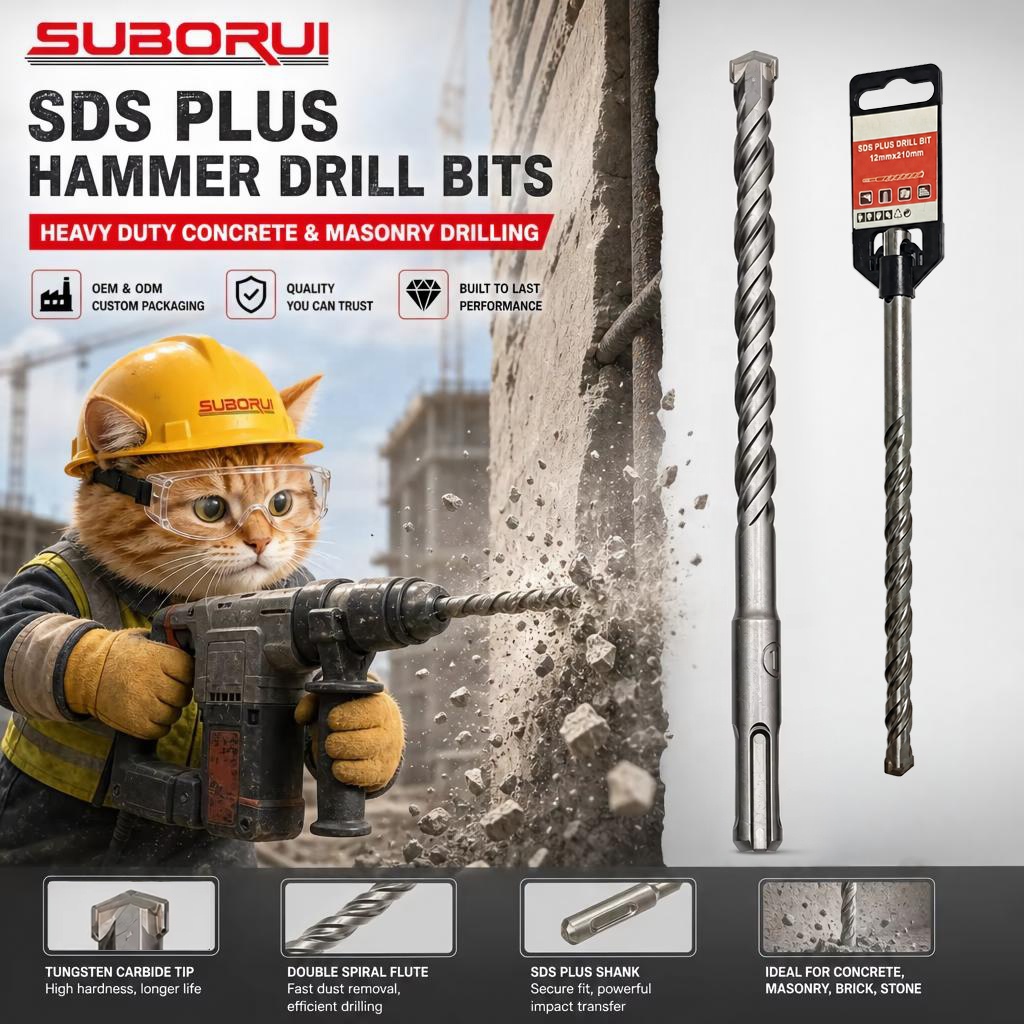
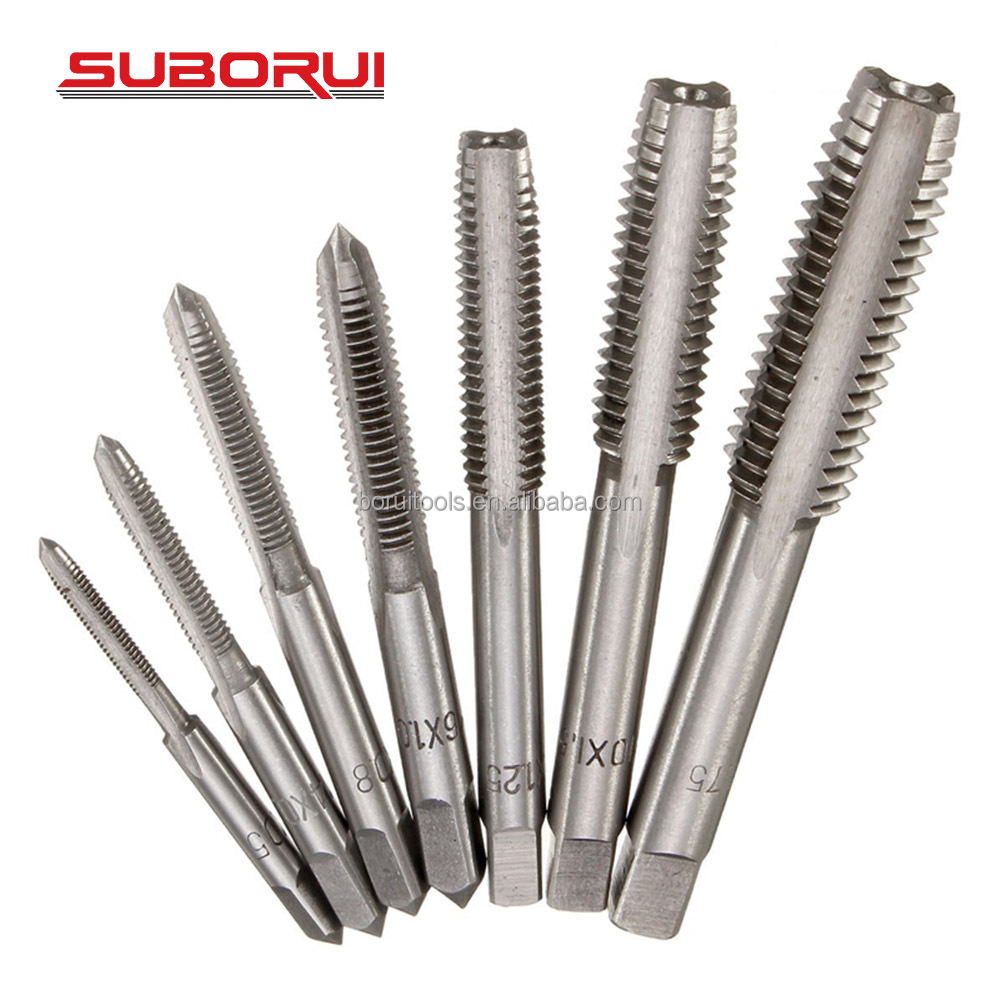
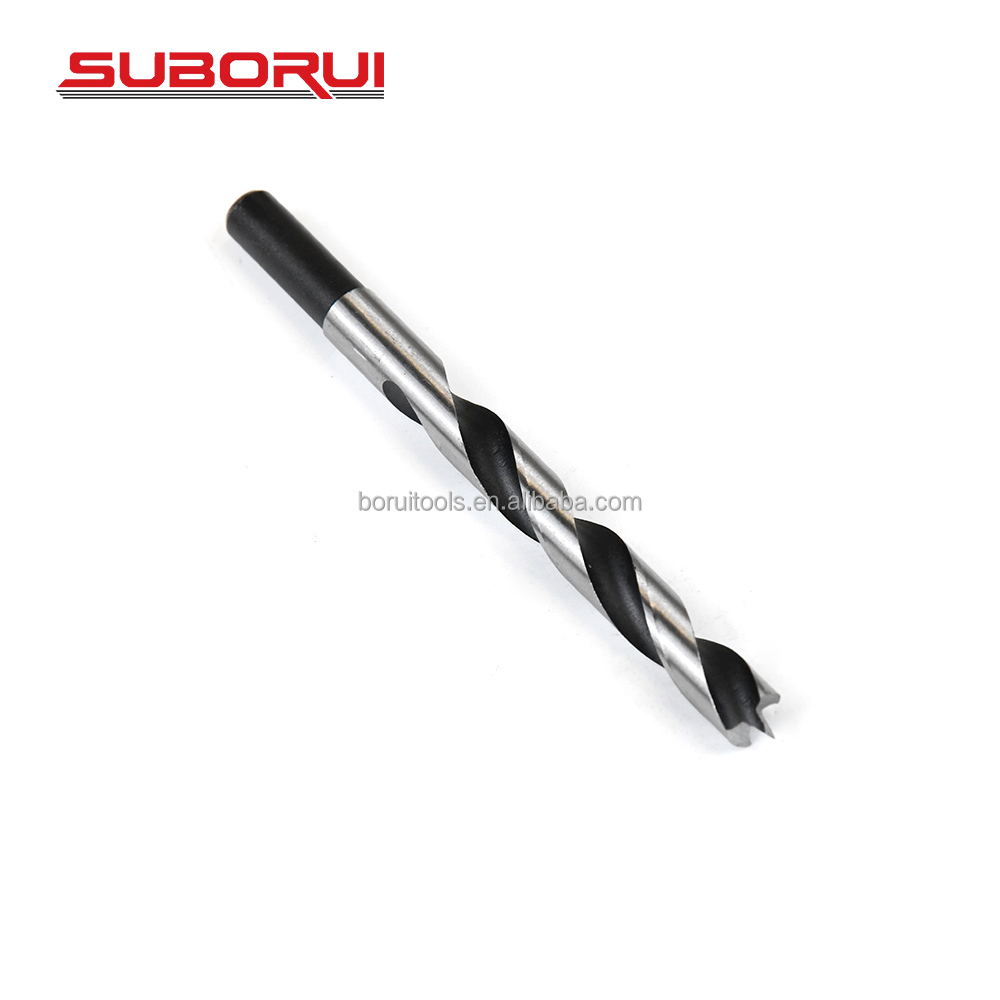
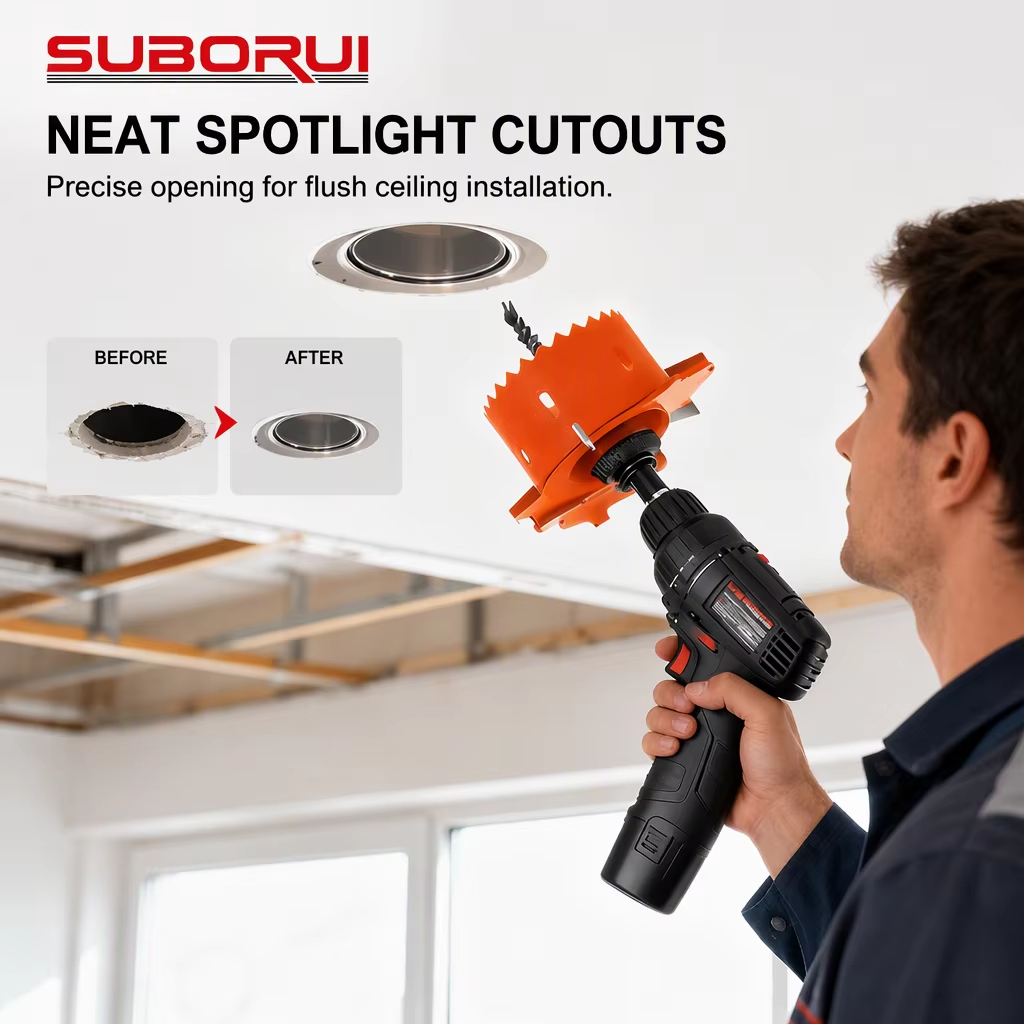
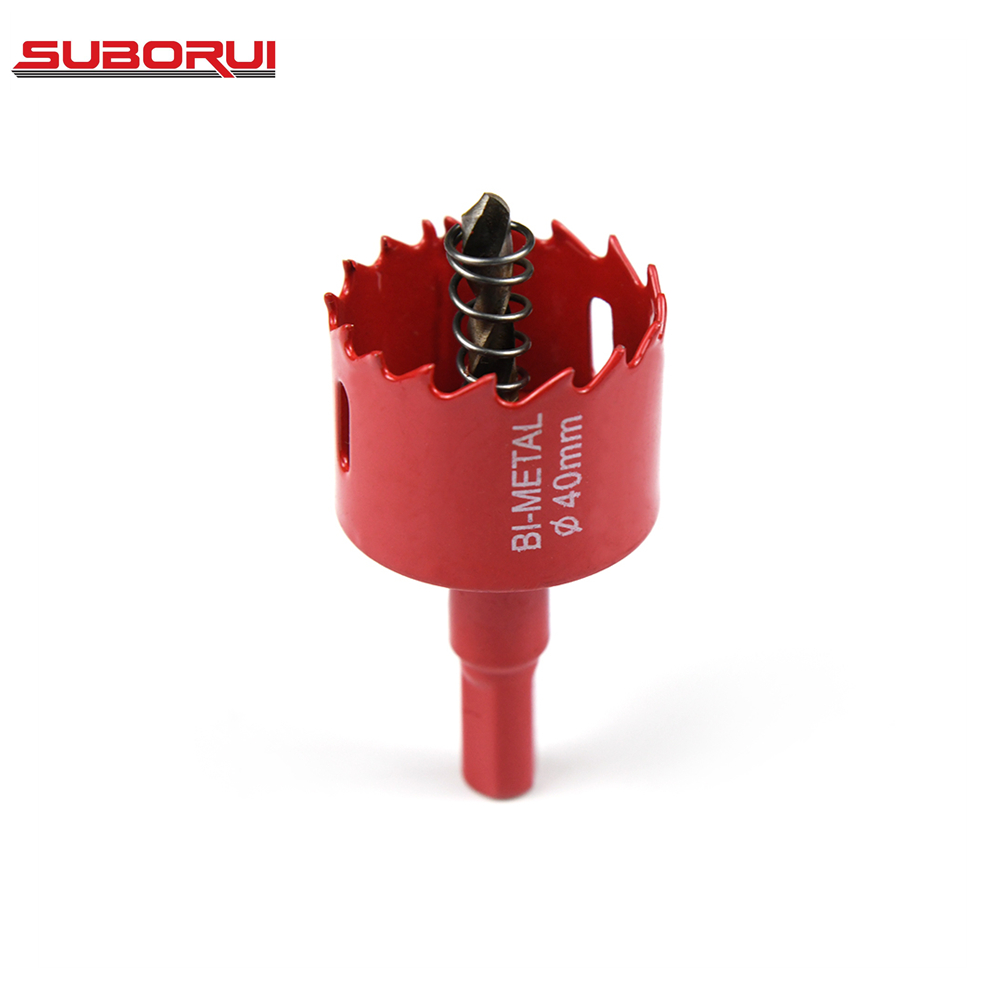
Jiangsu WRD Tools Co., Ltd.: Engineered Reliability
Strategically positioned in Danyang—the heart of China's world-class cutting tool industrial cluster—Jiangsu WRD Tools Co., Ltd. (WRD Tools) operates not as an export middleman or trading house, but as a dedicated high-precision cutting tool manufacturer. With a registered capital of RMB 10 million and a workforce surpassing 150 skilled technicians, our infrastructure is built to guarantee uninterrupted delivery and uncompromising quality.
Intertek Onsite-Verified Facility
Our infrastructure, QA/QC testing workflows, thermal treatment controls, and production lines have undergone rigorous on-site verification by Intertek Group. As an officially accredited High-Tech Enterprise of Jiangsu Province since 2019, our testing metrics ensure strict compliance with international mechanical tooling directives.
Proven Tier-1 OEM/ODM Supplier Track Record
Over nearly two decades, WRD Tools has acted as a trusted manufacturing subcontractor and private-label provider for leading global power tool brands and distributors, consistently delivering custom tolerances, specific tooth configurations, and hardened durability to markets across Germany, the USA, Switzerland, and Sweden.
Integrated Metallurgy & Heat Treatment
Unlike assemblers dependent on third parties, we execute end-to-end processing under one roof. From raw bi-metal strip electron beam welding to computerized salt bath or vacuum atmospheric hardening, we dictate the exact crystalline microstructure needed to yield maximum tooth ductility and hardness retention up to 68 HRC.
Metallurgical Deep-Dive: What Defines a Professional Bimetal Hole Saw?
A hole saw is subjected to immense torsional shear, vibrational resonance, and localized frictional temperatures exceeding 550°C during metal perforation. Understanding tooth boundary engineering and structural back-plate dynamics is essential for industrial engineering teams.
Industrial bimetal hole saws represent a complex metallurgical compromise between brittle edge hardness and ductile base resilience. At WRD Tools, our manufacturing process utilizes an Electron Beam Welding (EBW) pipeline in high-vacuum chambers to fuse high-speed alloy steel wire onto a high-alloy spring steel backer (such as AISI 6150 or equivalent alloy strip).
1. Matrix M3 Steel Teeth (Cobalt Free)
Optimized for broad utility in woodworking, composite plastics, mild carbon steel, and copper. Matrix II/M3 offers a tooth tip hardness of ~64-65 HRC with high resistance to shock chipping when drilling irregular sheet assemblies.
2. Premium M42 High Speed Steel (8% Cobalt)
Engineered specifically for abrasive, high-temperature drilling such as AISI 304/316 stainless steel, cast iron, and structural titanium sheets. Retains critical red hardness up to 67-69 HRC even when cooling fluids are inconsistently deployed.
3. Alloy Spring Steel Backer Strip
Forming the cylindrical barrel, this substrate maintains a low Rockwell hardness (~42-46 HRC) providing extreme flexural elasticity, preventing shatter fractures along the gullet base under intense drill press torque.
| Performance Attribute | Standard Carbon Steel Hole Saws | HSS M3 / Matrix Bimetal | Industrial M42 (8% Co) Bimetal |
|---|---|---|---|
| Tooth Hardness (HRC) | 50 - 55 HRC | 63 - 65 HRC | 67 - 69 HRC |
| Thermal Degradation Point | Begins dulling at 200°C | Stable up to 450°C - 500°C | Resistant up to 600°C+ (Red Hardness) |
| Primary Target Substrates | Plywood, Gypsum, PVC Plaster | Hardwood, Aluminum, Mild Structural Steel | Stainless Sheet (304/316), Cast Iron, Heavy Alloy |
| Fatigue Resistance | Low (High risk of tooth stripping) | Medium-High (Shock absorbing backer) | Superior (Full electron-beam weld integrity) |
| Tool Life Multiplier | 1.0x (Baseline reference) | 5.5x - 7.0x Lifespan expansion | 10.0x - 14.0x Extended service life |
Product Technological Development Trends
As high-torque cordless power tools, hard alloy sheet fabrications, and rapid construction modularity expand worldwide, cylindrical cutter architecture has undergone major design evolutions.
Variable Pitch Geometry (4/6 TPI vs 3/4 TPI)
Uniform tooth pitch causes aggressive harmonic resonance that chatters against sheet edges. Modern bimetal hole saws incorporate variable pitch geometries (4/6 TPI or coarse 3/4 TPI) with alternating positive rake angles (+8° to +10°), drastically lowering operator vibration, minimizing motor drag, and yielding smooth bore entry.
Advanced Surface Coatings (TiAlN / TiN)
PVD (Physical Vapor Deposition) technology, once reserved for high-end annular cutters, is migrating to professional hole saws. Applying Titanium Aluminum Nitride (TiAlN) creates an aluminum oxide ceramic protective barrier during high-heat operation, multiplying cutter speed in dry drilling environments.
Patented Fast Plug Ejection Slots
Historically, the biggest time bottleneck on construction job sites was manual plug extraction from inside the cup. Modern industrial hole saws integrate wide stepped gullet cutaways, enabling users to insert a standard screwdriver lever directly behind the plug to pop it out in seconds without disassembling the arbor.
Future Global Sourcing & Procurement Trends
Procurement directors and tool brand category heads face complex shifts in global supply chains. Discover the fundamental trends governing international bimetal hole saw purchasing over the coming 3-5 year cycle.
Direct OEM Cluster Integration
Global brands are pruning multi-tier trading brokers, opting to deal directly with source factories located within verified manufacturing industrial bases (such as the Danyang cutting tool region) to achieve transparent metallurgical traceability and eliminate trading margins.
Private-Label Customization
Modern distribution channels require tailor-made tool configurations. B2B buyers now prioritize manufacturers with in-house private-label competencies—including CNC laser engraving, proprietary pantone powder coatings, customized blow-mold kits, and localized retail blister packaging.
Third-Party Factory Audits
With stringent customs regulations and ESG compliance initiatives across the EU and North America, B2B buyers demand audited manufacturing validation from accredited organizations such as Intertek or SGS before authorizing initial purchase deposits.
Consolidated Sourcing Portfolios
Procurement directors prefer single-source manufacturing partners capable of delivering matched drilling systems across multiple tooling categories—including HSS twist drills, annular cutters, SDS hammer bits, and diamond cups—reducing logistics costs and import tariffs.
Frequently Asked Sourcing Questions (FAQ)
Comprehensive technical and commercial clarity derived from over 19 years of global manufacturing and wholesale contract execution.
Q1: How does M42 bi-metal differ from Matrix II or M3 in production performance?
M42 high-speed steel contains 8% active cobalt, which drastically elevates its resistance to thermal softening (red hardness). While Matrix II or M3 steels perform exceptionally well in soft woods, structural plastics, and carbon steels up to ~65 HRC, M42 retains edge sharpness when cutting abrasive materials like 304/316 stainless steel, heavy structural cast metals, and non-ferrous alloys under continuous friction.
Q2: What are the Minimum Order Quantities (MOQs) for OEM custom branding and packaging?
For standard white-box or factory bulk orders, single hole saw sizes begin at 50 to 100 units. For fully customized private-label production—including branded laser etching on the steel barrel, customized cup paint matching, and bespoke blow-molded or retail blister kit packaging—our typical batch starting threshold is 500 to 1,200 sets depending on sizing combinations.
Q3: Can you manufacture heavy-duty deep-cut hole saws with non-standard depths?
Yes. While international standard cutting depth measures approximately 38mm to 44mm (1-1/2" to 1-3/4"), our CNC automated metal forming lines can manufacture custom deep-cut cylinders up to 50mm, 75mm, or 100mm according to technical drawings, complete with specialized internal chip ejection spirals for timber framing or industrial piping installations.
Q4: How does your factory verify weld integrity and prevent tooth stripping?
Our quality assurance workflow implements continuous destructive and non-destructive testing per production heat. Every electron beam welded strip batch undergoes metallographic microscopic grain analysis across the fusion line, followed by mechanical torque-shear test drilling into high-tensile alloy plates to guarantee zero delamination between the HSS tooth tips and spring steel backer.
Q5: What are the standard production lead times and FOB shipping ports?
Standard OEM batch orders generally take 30 to 45 business days from final technical drawing approval and packaging sample confirmation. Our manufacturing plant in Danbei Town, Danyang, operates in close proximity to major shipping terminals, with seamless container transit via Shanghai or Ningbo export ports.