Featured Industrial Precision Tooling Showcase
Explore our flagship heavy-duty cutting tools, precision drill bits, and hole saw systems engineered for high-temperature red hardness, abrasive resistance, and structural fabrication endurance.
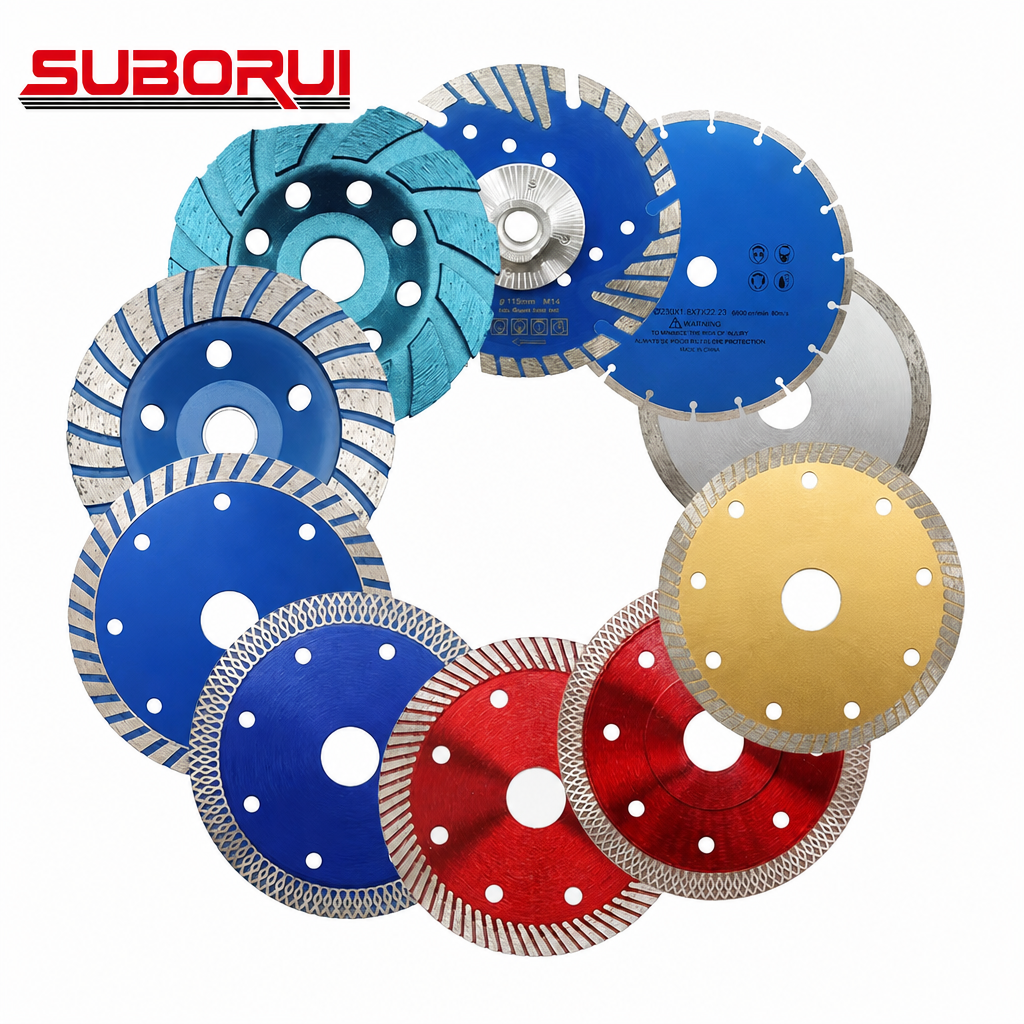
- High-density synthetic diamond mesh
- Ultra-thin core for chipless ceramic cutting
- Application: Marble, porcelain, granite
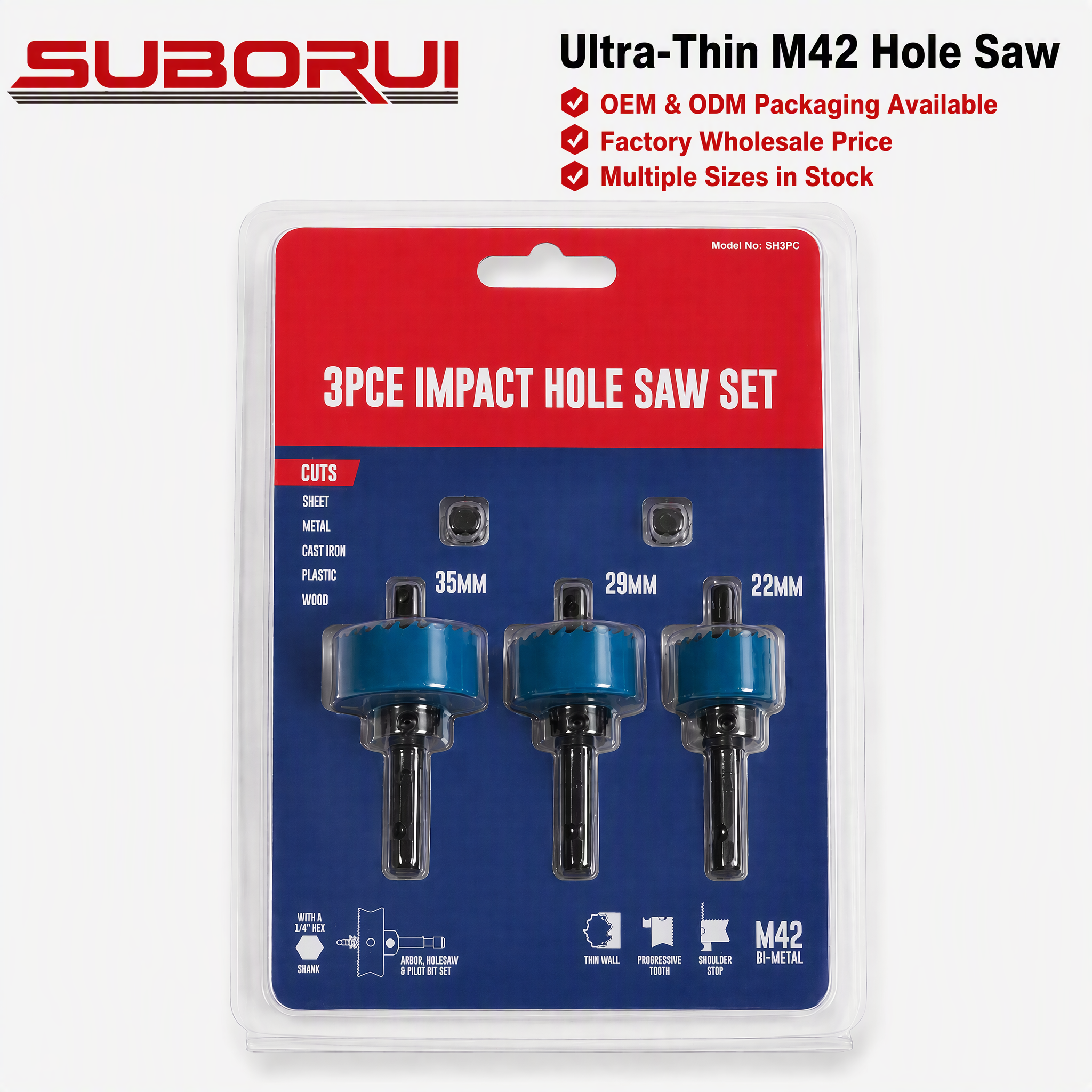
- M42 Cobalt 8% tooth tip construction
- Variable 4/6 TPI anti-vibration pitch
- Quick-change 1/4" industrial hex shank
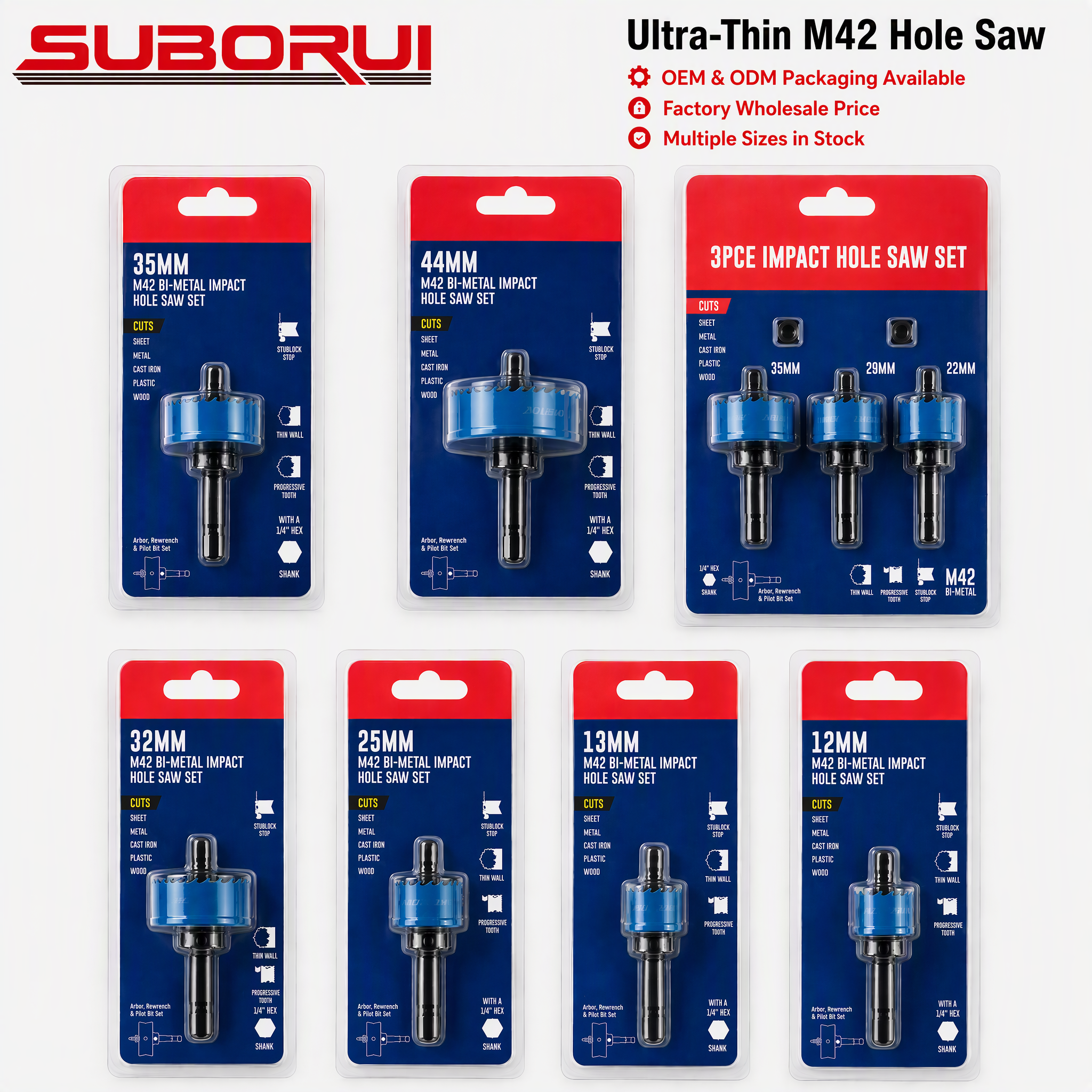
- Ultra-thin kerf reduces motor strain
- Electron-beam welded alloy backer
- High chip evacuation side slots
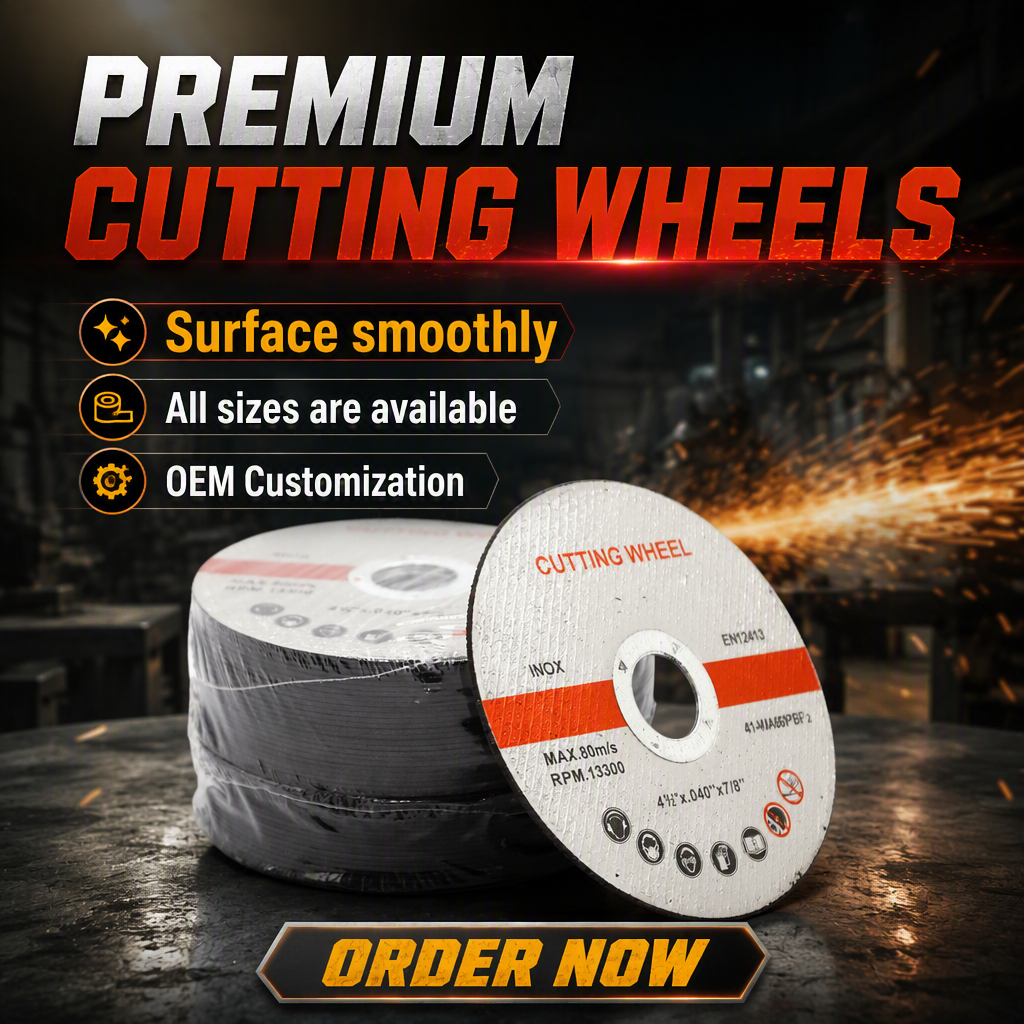
- Double reinforced fiberglass mesh
- Premium corundum abrasive grains
- EN12413 safety compliance standard
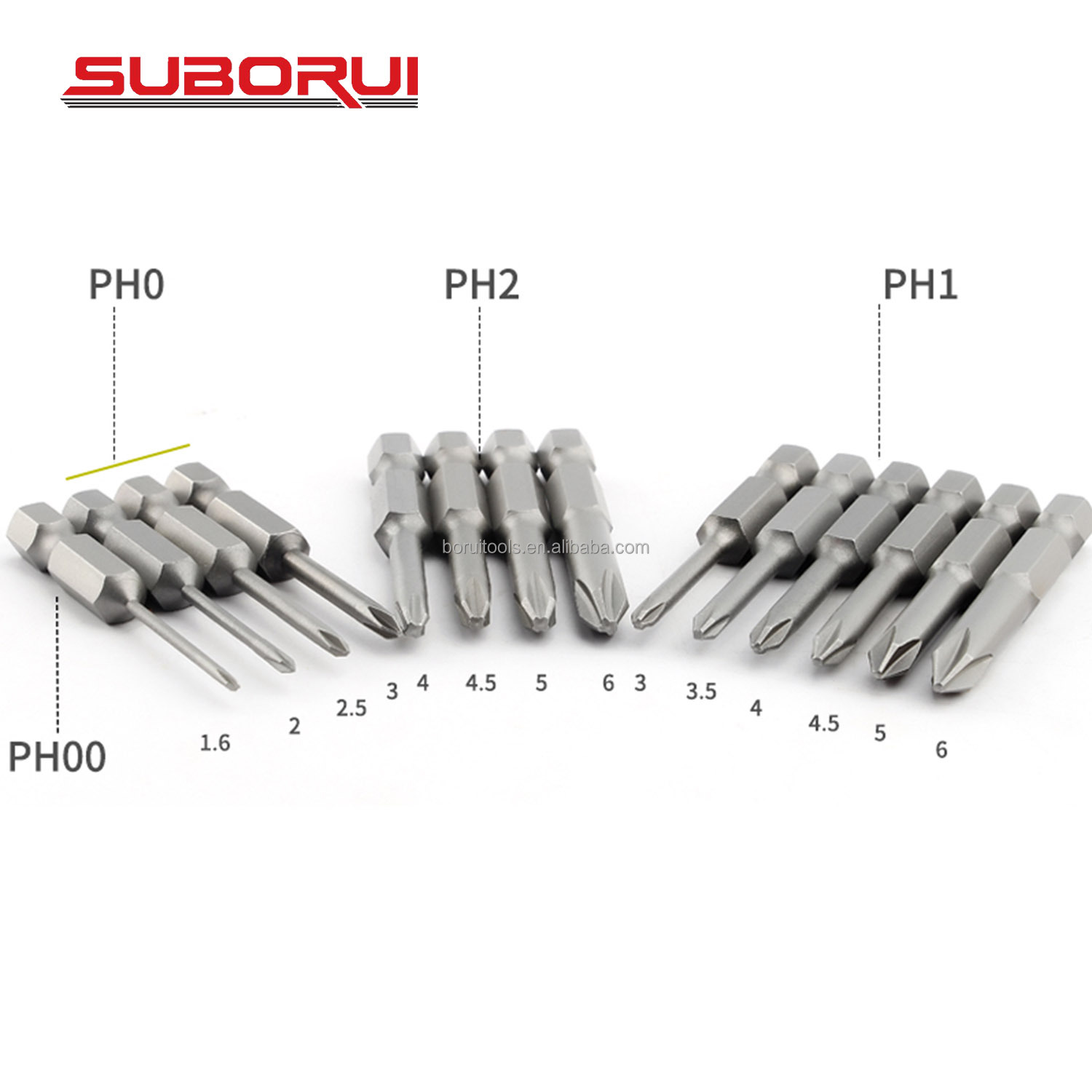
- High-torque industrial S2 tool steel
- CNC machined slip-resistant Phillips tip
- Permanent neodymium magnetic head
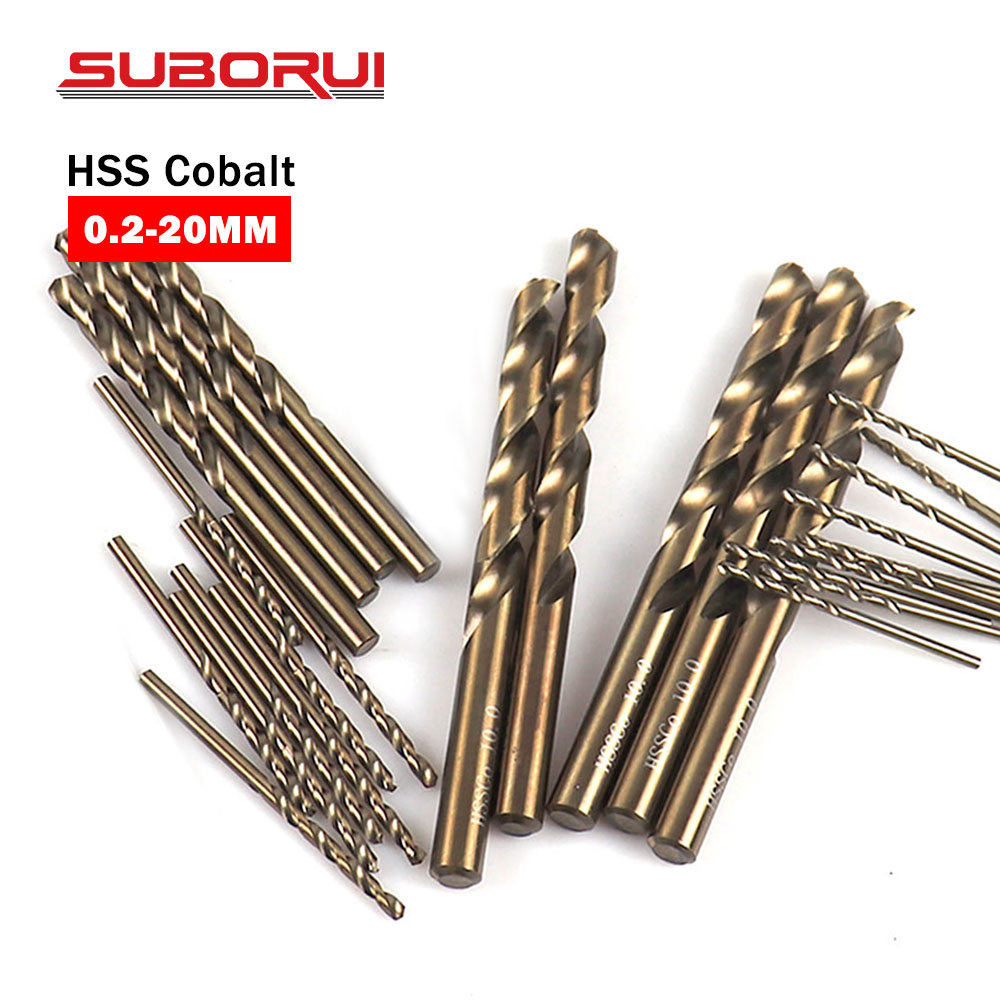
- M35 alloy steel with 5% cobalt matrix
- Amber oxide heat-treated finish
- Tempered for high thermal conductivity
- Self-centering 135° split point geometry
- Fully CNC ground parabolic chip flutes
- Engineered for Stainless Steel 304/316
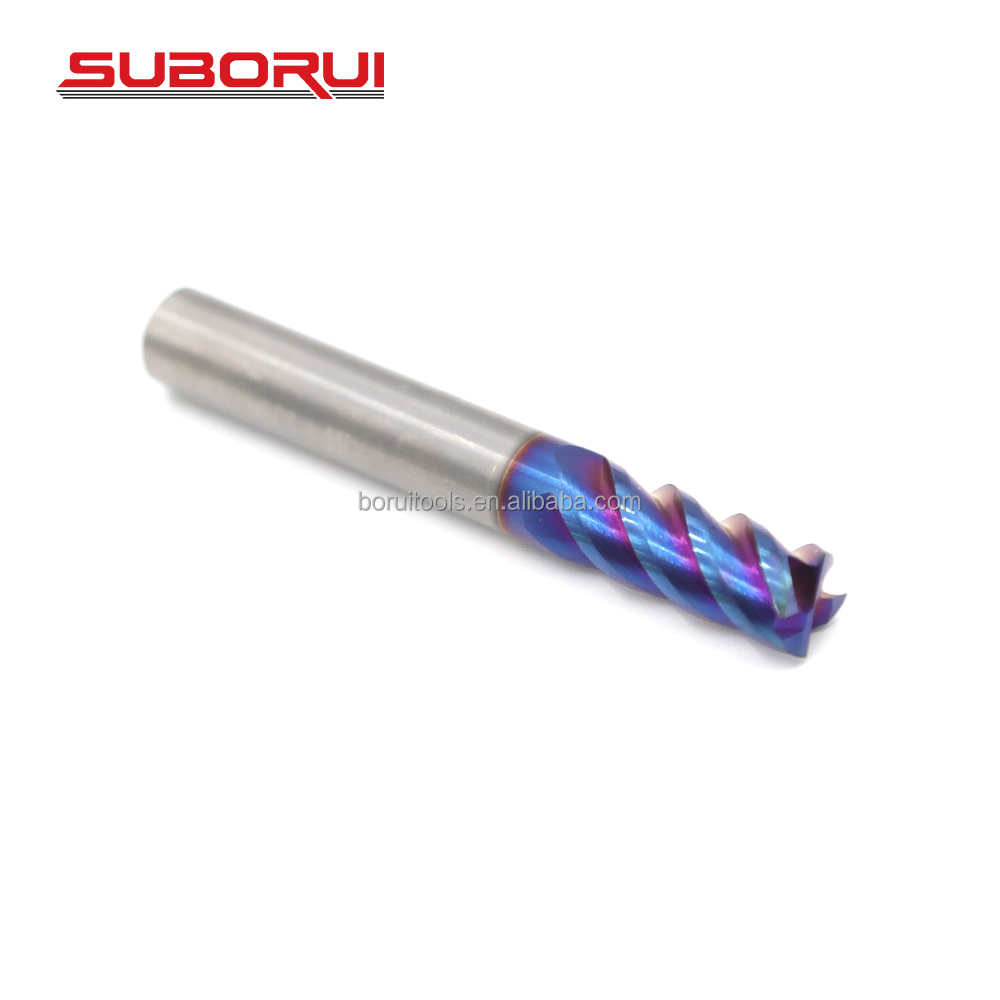
- Ultra-fine tungsten carbide micro-grain
- AlTiN multi-layer thermal barrier coating
- High rigidity for hardened alloy steels
Engineering White Paper: Metallurgy, Tool Geometry & Red Hardness Mechanics
In high-speed drilling of abrasive and high-tensile alloys—such as austenitic stainless steels (AISI 304, 316, 316L), duplex alloys, Inconel, and titanium grades—standard high-speed steels (HSS 4241 or standard M2/6542) suffer premature catastrophic failure. Tool degradation is primarily driven by excessive friction heat generating localized interface temperatures surpassing 550°C. At this thermal threshold, standard steels lose their martensitic tempering structure, experiencing immediate cutting-edge softening, plastic deformation, and flank galling.
As a leading Chinese manufacturer and direct global exporter situated in the Danbei hardware machinery cluster of Danyang, Jiangsu WRD Tools Co., Ltd. formulates and precision-grinds heavy-duty cobalt cutting tools engineered to address these thermal and mechanical stresses. The addition of elemental cobalt (Co) within our M35 (5% Co, HS 6-5-2-5) and M42 (8% Co, HS 2-9-1-8) metallurgical matrices alters the crystalline transformation behavior of the carbide-rich high-speed tool steel.
Thermal Kinetics & The Mechanism of Cobalt Red Hardness
Cobalt does not form distinct primary carbides itself; instead, it enters into solid solution within the iron-martensite matrix. This microstructural phenomenon increases the activation energy required for atomic diffusion at elevated temperatures. Consequently, cobalt slows down the agglomeration and coarsening of secondary hardening tungsten and molybdenum carbides during high-temperature cutting operations. This imparts what tool engineers classify as superior "Red Hardness" (Krupp hardness retention above 600°C), enabling cutting edges to maintain a Rockwell hardness of HRC 66–68 even under friction-induced red-heat stress where common HSS would anneal below HRC 58.
M35 Grade (5% Co / W6Mo5Cr4V2Co5)
The universal standard for high-duty machining. Strikes an optimal balance between structural fracture toughness and thermal resistance. Recommended for stainless steel structural plate, drilling abrasive die-cast irons, and heavy-duty fabrication where intermittent shock loading occurs.
M42 Grade (8% Co / W2Mo9Cr4VCo8)
Super-cobalt alloy steel achieving maximum secondary hardening peaks of HRC 68–70. With higher molybdenum and cobalt concentrations, M42 is selected for bi-metal hole saws, aircraft airframe skin drill bits, and milling difficult superalloys like Monel, Inconel 718, and Hastelloy.
135° Split Point Self-Centering Geometry
DIN 1412 Form C split point reduces chisel edge thrust force by 45% compared to standard 118° points. By eliminating zero-velocity cutting center dwell, it prevents tool walking, eliminates center punching, and minimizes work hardening on austenitic stainless steel surfaces.
Technical Data Matrix: Metallurgical & Operational Comparison
| Steel Grade / Category | Nominal Chemical Composition | Working Hardness | Red Hardness Retained (@600°C) | Tensile Strength Rebar / SS Rating | Recommended Machining Target |
|---|---|---|---|---|---|
| HSS 4241 | W1.5 Mo2 Cr4 V1 | HRC 60–62 | < HRC 52 (Rapid Annealing) | Poor (Work Hardening Jam) | Soft structural wood, PVC, mild carbon sheet |
| HSS M2 (6542) | W6 Mo5 Cr4 V2 | HRC 63–65 | HRC 56–58 | Moderate (Requires Coolant) | Structural carbon steels, aluminum, brass, iron |
| Cobalt M35 (HSS-Co 5%) | W6 Mo5 Cr4 V2 Co5 | HRC 65–67 | HRC 63–64 (Exceptional) | Superior (Resists Galling) | AISI 304/316, weld seams, heat-treated alloy steel |
| Super-Cobalt M42 (Co 8%) | W2 Mo9 Cr4 V1 Co8 | HRC 67–69 | HRC 65–66 (Maximum) | Ultra (Severe Abrasion) | Titanium, aerospace nickel alloys, bi-metal hole saws |
| Solid Micro-Carbide (YG6X) | WC + 6% Co Binder | HRC 72–75 | HRC 70+ (Extreme Heat) | Brittle on Hand Drills (CNC Only) | Hardened tool steel up to HRC 65, CNC mass milling |
Precision Flute Dynamics & Anti-Friction Coating Interventions
Raw metallurgy must be paired with CNC 5-axis flute grinding to yield reliable tool life. At our Danyang factory, drill bits undergo automated flute grinding under synthetic oil coolant rather than conventional dry rolling. This CNC fully-ground process avoids microscopic surface decarburization, yielding strict diametrical tolerances conforming to DIN 338, DIN 340, DIN 1897, and DIN 345 standard jobber lengths.
Furthermore, our surface treatment technologies address differing manufacturing environments:
- Amber Gold Oxide / Temper Finish: Relieves internal grinding stresses and creates microscopic surface micro-pores that retain drilling lubricants, dramatically decreasing frictional coefficient in deep-hole drilling.
- PVD Titanium Nitride (TiN): Gold physical vapor deposition layer providing an ultra-hard (2300 HV) ceramic skin, reducing chip adhesion on aluminum and low-carbon steels.
- PVD Titanium Aluminum Nitride (TiAlN / AlTiN): Forms a self-healing aluminum oxide passivating layer under intense cutting friction (operating temperatures up to 800°C), ideal for dry drilling or CNC applications with minimum quantity lubrication (MQL).
Strategic Sourcing Intelligence: Future Sourcing Trends
Global supply chain disruptions, fluctuating raw material commodity markets, and stricter factory sustainability metrics have changed how international purchasing directors source rotary tooling.
Consolidation into Direct Source Clusters
Tier-1 hardware distributors in North America and Western Europe are systematically eliminating intermediary export trading houses. Instead, they establish direct supplier relationships with verified manufacturers situated in China's industrial clusters (such as Danyang for cutting bits), capturing 18–25% margin gains while securing direct control over metallographic heat-treatment traceability.
Rise of Powder Metallurgy (PM-HSS)
In aerospace and automotive EV stator housing production, conventional ingot-cast M35 steel faces carbide segregation issues. Buyers increasingly seek PM-HSS (Powder Metallurgy Cobalt) drill bits, where atomized molten steel creates ultrafine, uniform carbide distributions that elevate edge break resistance by over 40%.
Turnkey Private-Label Automation
B2B importers are shifting from bulk packaging to customized, shelf-ready retail formats. This includes fiber-laser shank marking, anti-theft polycarbonate indexed cassettes, high-impact rubber-bumper index boxes, and QR-coded packaging directly linked to digital user feed-and-speed tables.
Product Evolution Trends: Next-Gen Rotary Tooling
Continuous improvements in CNC tool grind geometry, multi-layer nano-coatings, and hybrid modular cutting tools define the future trajectory of cobalt metal-cutting instruments.
Parabolic & Variable Helix Flutes
Next-generation cobalt drill designs incorporate parabolic wide-web flutes that increase drill cross-sectional core thickness by 30% while expanding volumetric chip room. This geometry prevents swarf clogging in deep blind holes (5x–8x diameter depth) without requiring frequent pecking cycles.
Nano-Composite Silicon Nitride Coatings
Moving beyond single-phase TiN, advanced tool labs are deploying AlTiSiN and diamond-like carbon (DLC) nanocomposite coatings. The inclusion of silicon creates an amorphous matrix that arrests microscopic crack propagation under severe thermal shock drilling.
1/4" Hex & Quick-Lock Drive Shanks
The rapid proliferation of cordless brushless impact drivers on job sites has accelerated the demand for 1/4" hex shank cobalt bits. Modern shank designs feature one-piece forged bodies or specialized brazed sleeves rated for 150 Nm impact pulses without rotational slippage.
Why Partner with Jiangsu WRD Tools Co., Ltd. (Our Advantages)
Established in March 2007 with a registered capital of RMB 10 million, our integrated facility in Danbei Town, Danyang, operates as a specialized cutting-tool foundry for leading global brands.
Intertek Onsite-Verified Factory
Our production workshops, employee safety programs, metallurgical testing laboratories, and environmental controls are rigorously audited and certified on-site by Intertek Group, ensuring reliable supplier vetting.
High-Tech Enterprise (Since 2019)
Officially recognized as a High-Tech Enterprise of Jiangsu Province. Our engineering staff holds proprietary patents in multi-angle flute grinding and controlled atmosphere salt-bath heat treatment furnace processes.
End-to-End Vertical Control
From raw metallurgical wire drawing and billet shearing to automatic flute CNC grinding, vacuum heat treatment, laser marking, and automated packaging, every stage is managed under one unified quality system.
Proven OEM Vendor Track Record
Our factory floor has supplied precision drill bits and cutting assemblies to world-renowned power tool accessory brands and retail distributor programs across Germany, the USA, Switzerland, and Sweden.
Strict Metrology & Quality Testing
Every production batch is tested for Rockwell hardness, optical projection tip centering, radial run-out (TIR < 0.02 mm), and destructive drilling cycles through 10 mm 304 stainless plates prior to dispatch.
Massive Scale & Fast Turnaround
With an annual output of 90 million units across 12,000 m² of plant space and 150+ skilled workers, we handle high-volume procurement programs while keeping lead times short and pricing direct from the source.
Comprehensive Sourcing FAQ: Cobalt Rotary Tooling
Direct answers to metallurgical, commercial, testing, and custom manufacturing questions from our chief engineering department.