Precision Drilling & Metal Cutting Solutions
Engineered to rigid dimensional tolerances and industrial hardness benchmarks. Browse our top-export tooling programs below or request custom non-standard shank specifications.
Whitepaper: Engineering Aircraft Drill Bits for Critical Aviation Standards
Aerospace manufacturing and maintenance, repair, and overhaul (MRO) impose the most stringent tolerances in the cutting tool industry. Unlike standard commercial-grade drill bits conforming to DIN 338 or ANSI jobber dimensions, aircraft drill bits (including NAS 907 Type B, Type J, and specialized aircraft extension bits) are engineered to prevent work-hardening, eliminate burrs on breakthrough, maintain hole roundness within micrometers, and avoid delamination in hybrid aerospace stacks.
In modern aerospace airframes, assemblies combine thin-gauge aluminum alloys (such as 2024-T3 and 7075-T6), high-strength titanium alloys (Ti-6Al-4V), and carbon fiber reinforced polymers (CFRP). Drilling these heterogeneous materials simultaneously requires specialized point angles, split web geometry, optimized flute helixes, and high hot-hardness metallurgical structures.
| Tool Material Grade | Hardness (HRC) | Thermal Breakdown Limit | Target Aviation Substrates | Critical Geometry Standards |
|---|---|---|---|---|
| HSS-E M35 (5% Cobalt) | 64 – 66 HRC | Up to 600°C | Stainless steel 321/347, Inconel fasteners, Titanium airframe components | 135° Split Point, NAS 907 Type J, Heavy Web |
| HSS-Co M42 (8% Cobalt) | 66 – 68 HRC | Up to 650°C | High-temp superalloys, nickel-chromium fasteners, hardened aerospace steels | 135° Self-Centering Split Point, Parabolic Flute |
| Tungsten Carbide (Micrograin) | 89 – 92 HRA | Up to 1000°C | CFRP, Honeycomb panels, Aluminum-CFRP multi-material stacks | Double-angle point (118°/130°), dagger point, CVD diamond coat |
| HSS 6542 (M2 Standard) | 62 – 64 HRC | Up to 500°C | Aircraft structural aluminum, stringers, airframe skin, rivets | 118° or 135° Split Point, DIN 1897 stub or DIN 1869 long |
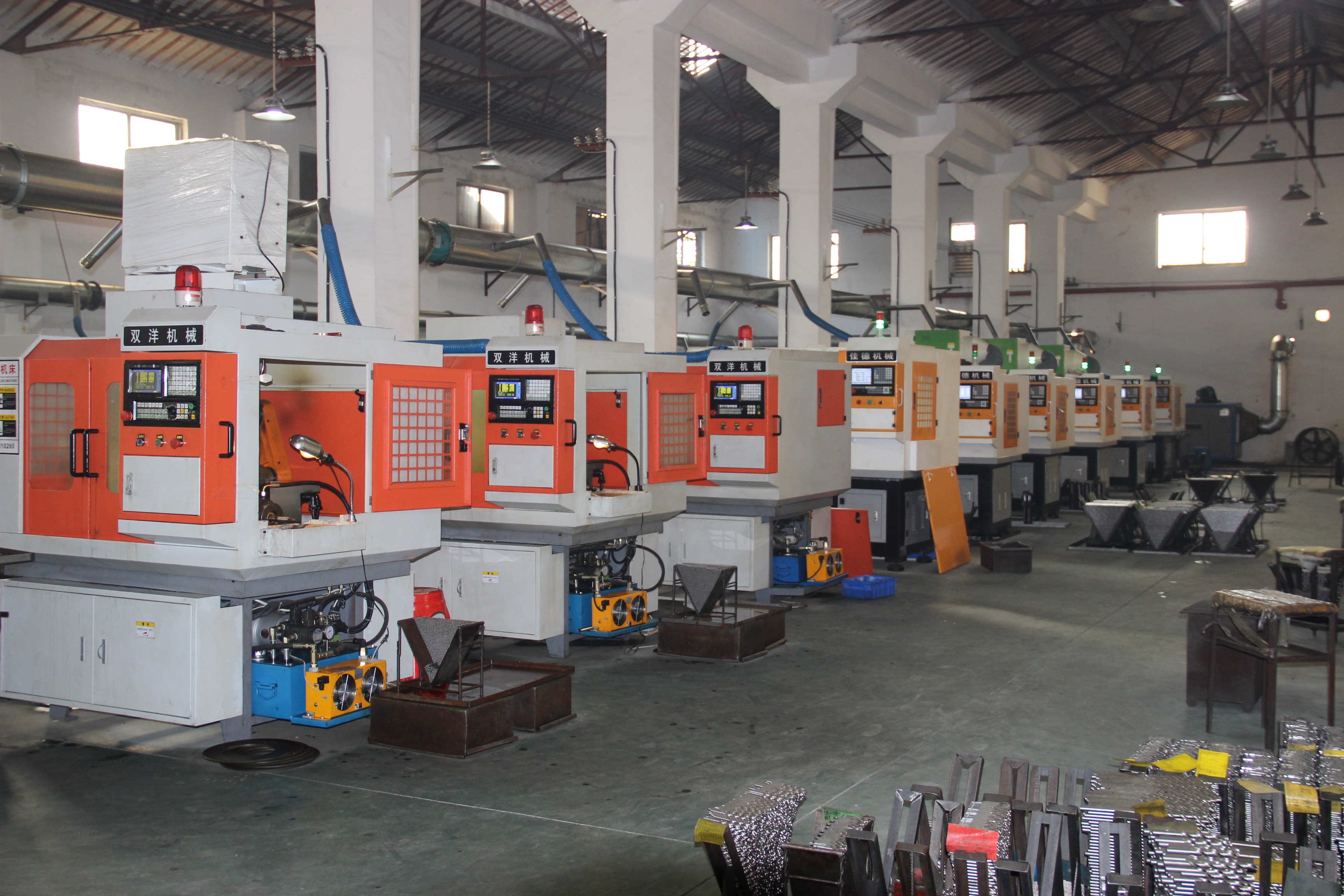
As verified by onsite Intertek audits at our Danyang manufacturing plant, our specialized manufacturing lines utilize advanced CNC 5-axis Walter and Rollomatic grinding centers to execute aerospace-grade parabolic flute fluting and concentric run-out within ≤ 0.003 mm. This mechanical accuracy prevents hole ovality and ensures seamless compliance with federal aviation assembly requirements.
Future Procurement Trends in the Global Aircraft Tooling Sector
Navigating the next decade of commercial fleet expansions, defense procurement standards, and lightweight material innovations.
Shift Toward Stack-Drilling Architecture
Aviation procurement teams are phasing out single-material bits. The modern airframe requires "one-shot" stack drilling through CFRP-Titanium and CFRP-Aluminum without burring or thermal resin melting. Buyers require hybrid step geometries and specialized physical vapor deposition (PVD) coatings that resist adhesive wear from titanium while counteracting abrasive carbon fiber fibers.
Supply Chain De-Risking & Tier-1 Auditing
Global aerospace OEMs increasingly bypass multi-tiered trading companies to procure directly from verified Chinese industrial clusters like Danyang. Direct engagement with manufacturers offering third-party Intertek verification, traceable mill certificates for M35/M42 raw bars, and ISO 9001 quality documentation reduces supply lead times by 35% while slashing direct tooling costs.
Lifecycle Cost-Per-Hole (CPH) Metrics
Procurement directors are shifting focus from tool unit purchase price to total "Cost-Per-Hole." Standard bits that dull after 40 holes cause costly airframe assembly downtime and rework. In contrast, premium aircraft drill bits treated with cryogenic hardening and multi-layer AlTiN coatings yield 300+ holes per tool cycle, driving substantial net lifecycle savings across high-volume production lines.
Cutting-Edge Technological Trends in Aerospace Drill Bit Manufacturing
How metallurgical innovations, nanostructured coatings, and dynamic geometric profiles are reshaping holemaking performance.
Nanocomposite PVD Coatings
Transitioning from basic TiN coatings to specialized Aluminum Titanium Nitride (AlTiN) and Titanium Silicon Nitride (TiSiN). These nano-coatings form a protective aluminum oxide layer at 800°C+, shielding the cutting edge during dry drilling operations.
Parabolic Flute Profiles
Engineered with widened chip valleys that accelerate the evacuation of stringy aluminum and titanium swarf. This prevents chip packing inside airframe rib holes, reducing frictional heat and extending bit longevity significantly.
Cryogenic Deep Tempering
Post-heat treatment deep cryogenic immersion at -196°C transforms retained austenite into stable martensite. This molecular restructuring boosts structural toughness, preventing sudden shank snapping in high-vibration aircraft riveting environments.
Self-Centering 135° Split Points
Precision web thinning creates a razor-sharp secondary cutting lip at the chisel center. This design bites into contoured airframe skins on contact, completely eliminating tool walk and the need for center punching or pilot drill operations.
Verified Manufacturing Excellence: Jiangsu WRD Tools Co., Ltd.
Founded in March 2007 with a registered capital of RMB 10 million, our 12,000 m² factory in Danyang, Jiangsu, operates dedicated manufacturing divisions for high-speed steel twist drill bits, annular cutters, taps, hole saws, and diamond tools. Verified onsite by Intertek, our plant employs over 150 skilled technicians.
 Intertek Verified Onsite
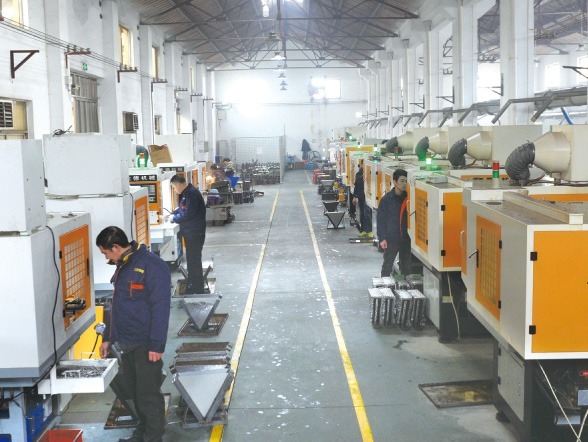
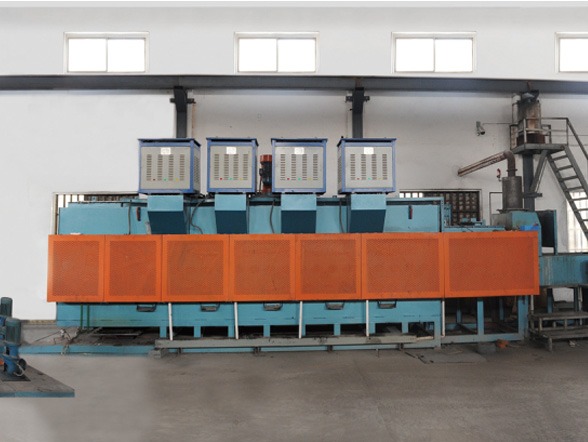
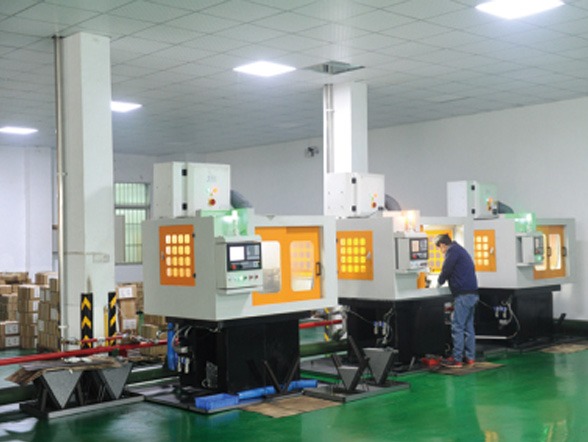
State-of-the-Art Factory Workshops
Every drill bit is controlled end-to-end: raw steel bar cutting, heat treatment, 5-axis CNC flute grinding, surface treatment, dynamic runout testing, and custom OEM packaging.
Proven OEM Supply Partner to the World's Leading Tool Brands
Recognized as a High-Tech Enterprise of Jiangsu Province since 2019 and ranking consistently among the top tier of cutting tool exporters in the Danyang industrial belt, WRD Tools has delivered comprehensive OEM/ODM programs for leading international hardware and tool brands, including BOSCH, Milwaukee, DeWalt, Irwin, Makita, Dexter, KWB, Wolfcraft, Truper, and Heller.
Our comprehensive production footprint outputs 50 million wood drill bits, 25 million high-speed steel twist drill bits, and 15 million hex shank precision drills annually. All production steps adhere strictly to DIN 338, DIN 340, DIN 1897, DIN 1869, and NAS aerospace specifications, ensuring uniform quality whether you order 5,000 standard bits or 200,000 custom aviation extension drills.
Frequently Asked Questions: Aircraft Drill Bit Procurement
Critical answers regarding material selection, international export compliance, quality testing, and custom manufacturing parameters.
What is the difference between an aircraft extension drill bit and a standard jobber bit?
Which raw material grade is optimal for drilling titanium alloys and stainless steel in aviation?
How does WRD Tools verify dimensional concentricity and metallurgical hardness?
What are the minimum order quantities (MOQs) and lead times for custom aerospace drill bits?
Can you supply private-label packaging and customized shank laser etching for retail/distributor brands?
Is the manufacturing facility certified and accessible for third-party quality audits?
Partner with China's Premier Aircraft Tooling Manufacturer
Whether you require standard NAS 907 aircraft drill bits, M35 cobalt jobber sets, or customized carbide multi-material cutters, our engineering and export team is ready to review your CAD drawings and tool specifications.
Contact Us