Engineered Core Drills & High-Performance Cutting Tools
Direct factory manufacturing compliant with DIN standards. Each tool undergoes strict dimensional runout verification and induction thermal inspection before batch release.


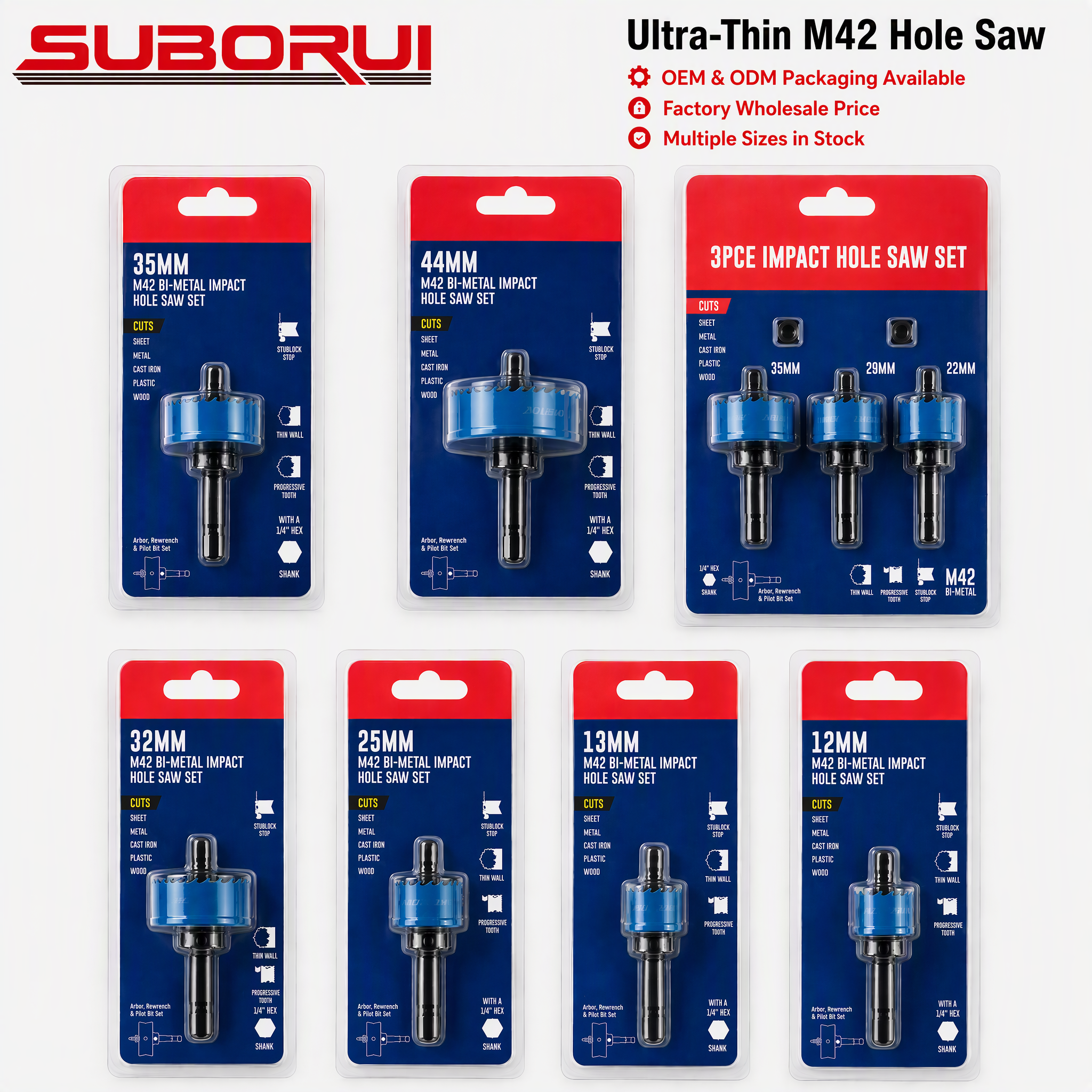
Top 10 TCT Hole Saw Manufacturers & Suppliers in the Global Supply Chain
Tungsten Carbide Tipped (TCT) hole cutters represent the premier standard for penetrating high-tensile structural steel, stainless alloys (304/316), cast iron, fiber cement, and composite materials. This white-paper profile analyzes the tier-1 global manufacturing landscape.
| Manufacturer / Brand | Headquarters | Specialized Tooth Geometry | Primary Application Matrix | OEM / ODM Scalability |
|---|---|---|---|---|
| Jiangsu WRD Tools (SUBORUI) | Danyang, China | Triple-Chip Ground (TCG) & Multi-Angle Alternate | Stainless steel plate, structural beam, cast iron, FRP | High tier (90M pcs/yr capacity, private-label expert) |
| The L.S. Starrett Company | Athol, MA, USA | Progressive rake tungsten carbide teeth | Industrial maintenance, heavy construction pipe | Tier-1 Distributor channel primarily |
| Lenox Tools (Stanley Black & Decker) | East Longmeadow, MA, USA | High-performance welded carbide tooth edge | Electrical conduit, stainless enclosure knockouts | Global proprietary retail distribution |
| Robert Bosch Power Tools GmbH | Gerlingen, Germany | Carbide Technology individually welded tips | Multi-construction, reinforced stainless, autoclaved tile | High-volume automated proprietary sourcing |
| Milwaukee Tool | Brookfield, WI, USA | Carbide grit & 3-TPI optimized carbide teeth | Mechanical, electrical, plumbing (MEP) stainless feed | Strategic captive supply chain |
| Karnasch Professional Tools | Heddesheim, Germany | Conical-radial ground carbide tips | Rail steel, Hardox, aerospace structural sheet | Specialist industrial B2B distribution |
| RUKO GmbH Präzisionswerkzeuge | Holzgerlingen, Germany | Staggered tooth triple-cut micro-grain carbide | Automotive steel, heavy flange, plate boring | European distributor supply agreements |
| M. K. Morse Company | Canton, OH, USA | Deep-gullet carbide tipped core design | Industrial pipe fabrication, heavy shipbuilding | Industrial distribution network |
| Greenlee (Emerson) | Rockford, IL, USA | Drop-out slug ejector carbide tips | Electrician junction box punch-outs | Brand licensing and contractor supply |
| C. & E. Fein GmbH | Schwäbisch Gmünd, Germany | QuickIN core & magnetic base carbide cutters | High-load structural fabrication, bridge construction | Direct industrial OEM partnerships |
1. Jiangsu WRD Tools Co., Ltd. (SUBORUI)
OEM Tier 1Holding over 19 years of specialized cutting tool manufacturing heritage, WRD Tools operates a 12,000 m² production facility with over 150 skilled machinists. Operating from China’s premier tooling cluster, WRD integrates automatic multi-axis CNC grinding machines, automated silver-copper induction brazing lines, and strict metallurgical testing. They are verified on-site by Intertek and recognized as a High-Tech Enterprise of Jiangsu Province, serving global vendors including Bosch, Milwaukee, DeWalt, and Heller.
2. The L.S. Starrett Company
PioneerRenowned for precision measurement and industrial saw blades, Starrett's TCT series features carbide teeth configured for fast clearing in abrasive materials and difficult-to-cut metals. Their tools are standard equipment in marine shipyards, energy infrastructure, and maintenance workshops where concentricity and minimal arbor runout are mission critical.
3. Lenox Tools
Global LeaderLenox pioneered high-speed cutting technology with advanced tooth geometries. Their carbide-tipped hole cutters are engineered for electrical contractor knockout demands, delivering up to 50x tool life compared to standard bi-metal equivalents when cutting stainless panel enclosures and conduit entries.
4. Robert Bosch Power Tools GmbH
Engineering GiantBosch’s Carbide Technology incorporates individual carbide teeth welded using advanced electron-beam and laser techniques. Designed for the Expert range, their TCT hole cutters effortlessly traverse through mixed architectural materials, structural stainless steel, and fiber-reinforced composite panels with minimal vibration.
5. Milwaukee Tool
Heavy Duty ProFocusing on high-torque cordless execution, Milwaukee's Hole Dozer with Carbide Teeth features an optimized 3-TPI tooth design that resists tooth strip-off during aggressive stainless boring. Their rapid-eject pilot arbor system is widely favored on heavy MEP worksites worldwide.
6. Karnasch Professional Tools GmbH
Specialist CNCKarnasch specializes in premium tooling for structural bridge fabricators, railway track builders, and offshore rigs. Their carbide hole saws utilize conical-radial tooth sharpening, allowing rapid penetration into extreme hardness alloys including Hardox 450/500, titanium alloys, and Hastelloy with minimal heat build-up.
7. RUKO GmbH Präzisionswerkzeuge
Precision StandardRUKO is known for extreme manufacturing tolerances and strict DIN compliance. Their tungsten carbide hole cutters are ground with an alternating cutting edge configuration (inside, outside, and center cuts) that splits chips into three equal parts, preventing blade snagging and arbor chatter.
8. The M. K. Morse Company
Fabrication CoreMorse manufactures high-reliability cutting solutions focusing on steel service centers, pipe fabricators, and heavy industrial contractors. Their carbide hole cutters feature solid alloy steel back plates that absorb radial torsional shock and prevent core deformation under continuous feed rates.
9. Greenlee (Emerson Electric)
Electrical StandardGreenlee dominates electrical contractor and wire-pulling preparation applications. Their carbide-tipped hole cutters are built with integrated spring-loaded slug ejectors, stepped pilot drill bits for rapid self-centering, and depth-stop collars that prevent operators from accidentally puncturing internal electrical cables.
10. C. & E. Fein GmbH
Mag-Drill MasterFein is the world standard in magnetic core drilling machinery and carbide annular core cutter attachments. Fein’s TCT hole cutting tools integrate proprietary QuickIN and Weldon coupling formats, engineered to sustain intense cyclic heating without losing carbide tooth attachment during rail and girder manufacturing.
Metallurgy, Tooth Micro-Geometry & Dynamic Performance
Understanding why standard bi-metal hole saws fail under continuous industrial cutting cycles and how Tungsten Carbide Tipped tools solve the thermal and mechanical bottleneck.
Sub-Micron Tungsten Carbide (WC-Co)
Industrial TCT hole saws utilize fine-grain tungsten carbide (grain size < 0.8 μm) sintered with 6% to 10% Cobalt (Co) binder. This chemical equilibrium delivers exceptional hardness (91.5–93.0 HRA / ~1600–1800 HV) while retaining critical transverse rupture strength (TRS > 2800 N/mm²), preventing premature tooth micro-chipping under shock loads.
Three-Tier Tooth Splitting (TCG)
Unlike conventional bi-metal saws that scrape material across the entire tooth profile, high-end TCT hole saws employ a Three-Tier Ground system: an Outer Tooth, Inner Tooth, and Center Finishing Tooth. Each tooth carves only one-third of the kerf width, breaking steel shavings into curling needle chips and eliminating core binding.
Tri-Metal Induction Brazing
Carbide tips are fused to an alloy steel cup (typically 40Cr or AISI 4140) using Ag-Cu-Zn-Ni (Silver-Copper) sandwich brazing foil at 680°C–720°C under protective flux. The ductile copper interlayer acts as a microscopic shock absorber, buffering the severe thermal expansion delta between the carbide tip and steel backer.
Future Sourcing & Procurement Trends (2025–2030)
How global supply chain volatility, cordless jobsite electrification, and advanced coating technologies are reshaping purchasing decisions for distributor supply lines.
01. Thin-Kerf Geometry for Cordless Autonomy
With contractor jobsites shifting entirely to 18V/20V/54V battery-operated drills, hole saw procurement is shifting heavily toward "Thin-Kerf" designs. Thinning the cutting kerf by 25% reduces spindle torque resistance by over 35%, extending battery run-time per charge from 14 cutouts to over 28 cutouts on 3mm 304 stainless plate.
02. PVD Nanocomposite Coatings (AlTiN / TiSiN)
Uncoated carbide tips reach oxidation threshold around 600°C. Modern industrial procurement increasingly requires Physical Vapor Deposition (PVD) nano-coatings such as Titanium Silicon Nitride (TiSiN) or Aluminum Titanium Nitride (AlTiN). These nanostructured barriers withstand dry friction temperatures up to 1,100°C, allowing high-speed drilling without coolant.
03. Supply Chain Nearshoring vs Direct Cluster Sourcing
While regional distribution hubs in North America and Western Europe maintain rapid replenishment, enterprise distributors are consolidating direct OEM procurement with verified mega-factories in primary industrial clusters (such as Danyang, Jiangsu). Sourcing direct from Intertek-audited facilities mitigates trading-tier markups by 22%–38%.
Why Tier-1 Brands Partner with WRD Tools (SUBORUI)
Operating from Danyang — the global epicenter of precision cutting tool production — Jiangsu WRD Tools delivers the capacity, technical depth, and audit-proven consistency demanded by multinational tool brands.
Intertek On-Site Verified
Our 12,000 m² facilities, robotic production cells, and clean-room testing laboratories are verified and certified on-site by Intertek. Recognized as a High-Tech Enterprise of Jiangsu Province in 2019.
Massive Scalability: 90M Units
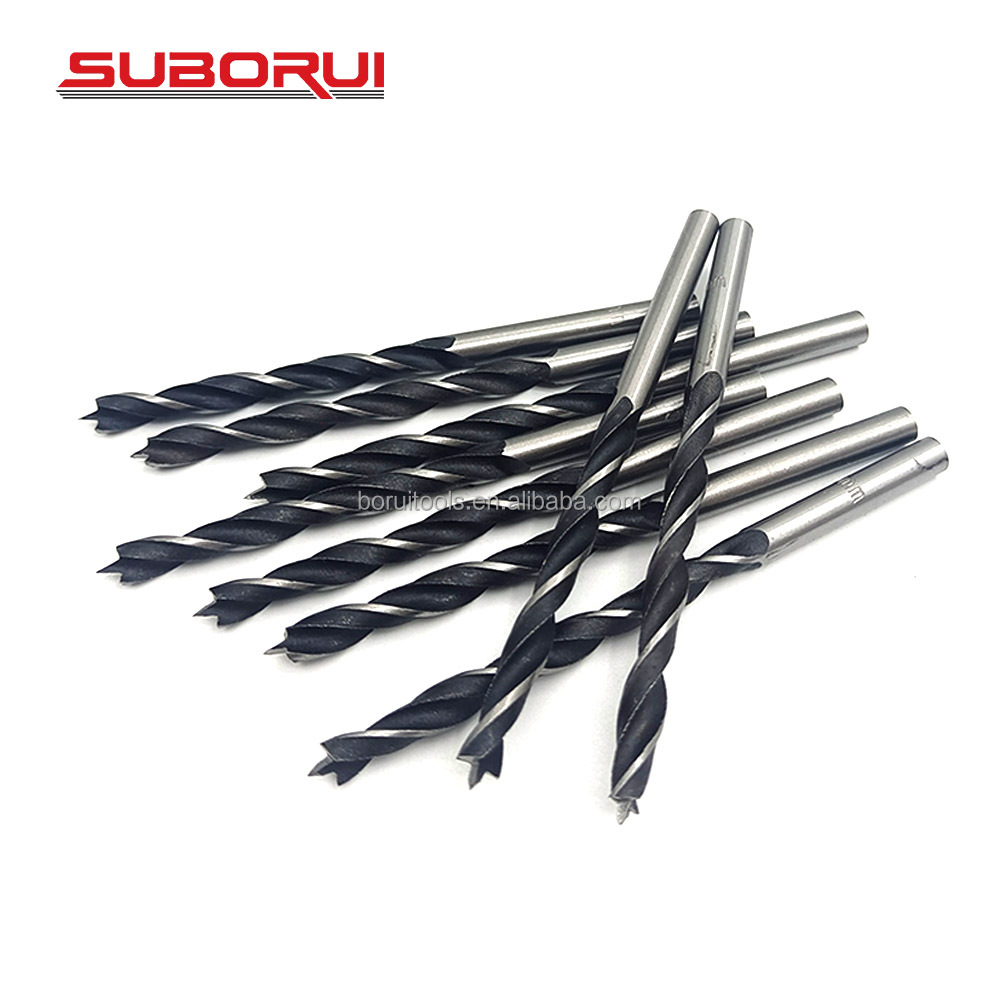
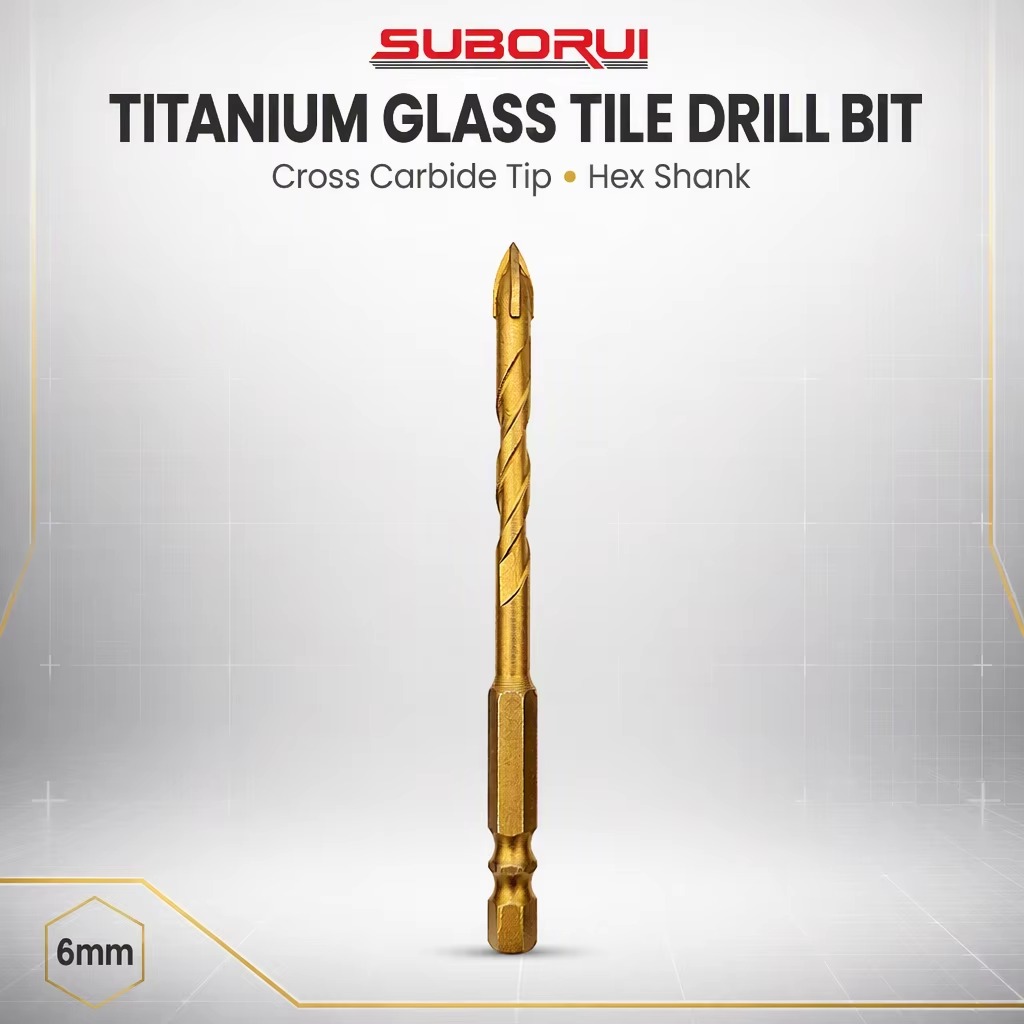
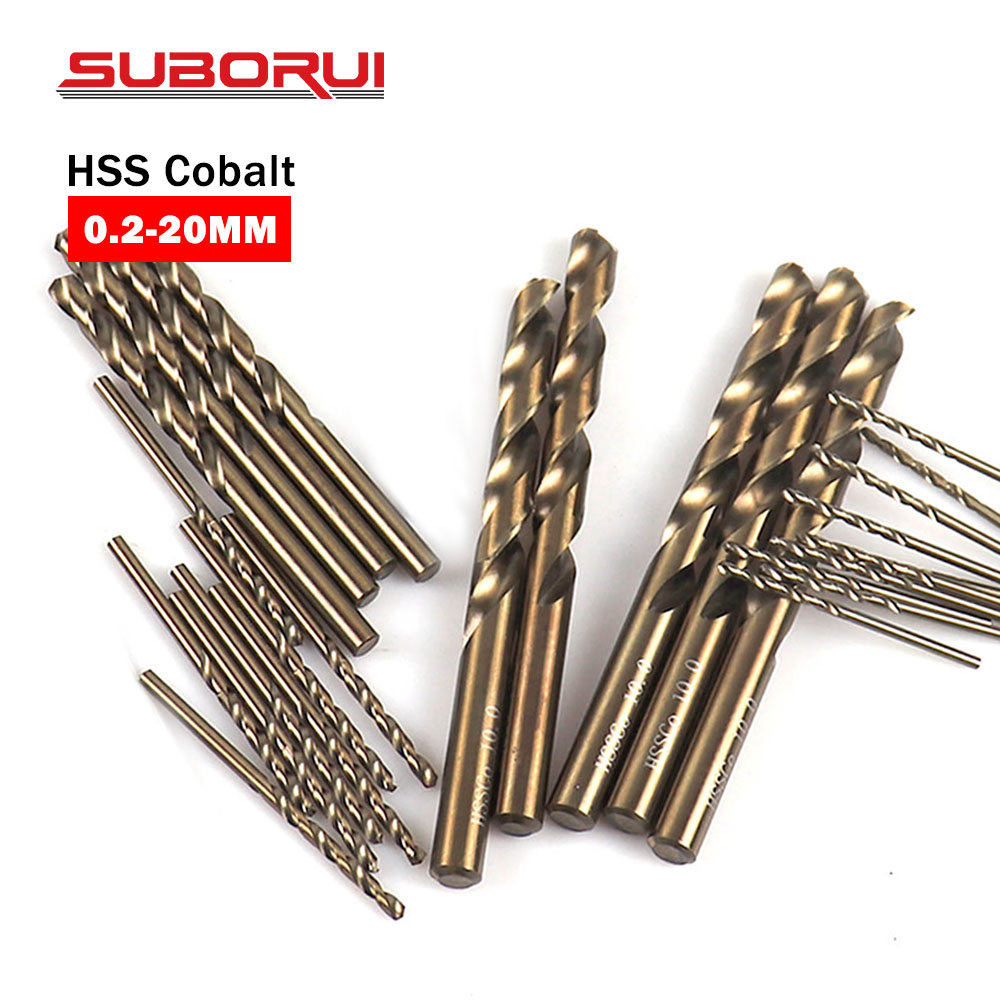
Annual production reaches 50 million wood bits, 25 million twist drills, 15 million hex-shank bits, alongside extensive TCT hole saw and annular cutter lines. Stable lead-times even in peak seasons.
Audited OEM Track Record
We produce and supply high-precision cutting tools for leading global power tool vendors such as BOSCH, Milwaukee, DeWalt, Irwin, Makita, Dexter, KWB, Wolfcraft, Truper, and Heller.
Full OEM/ODM Private Label
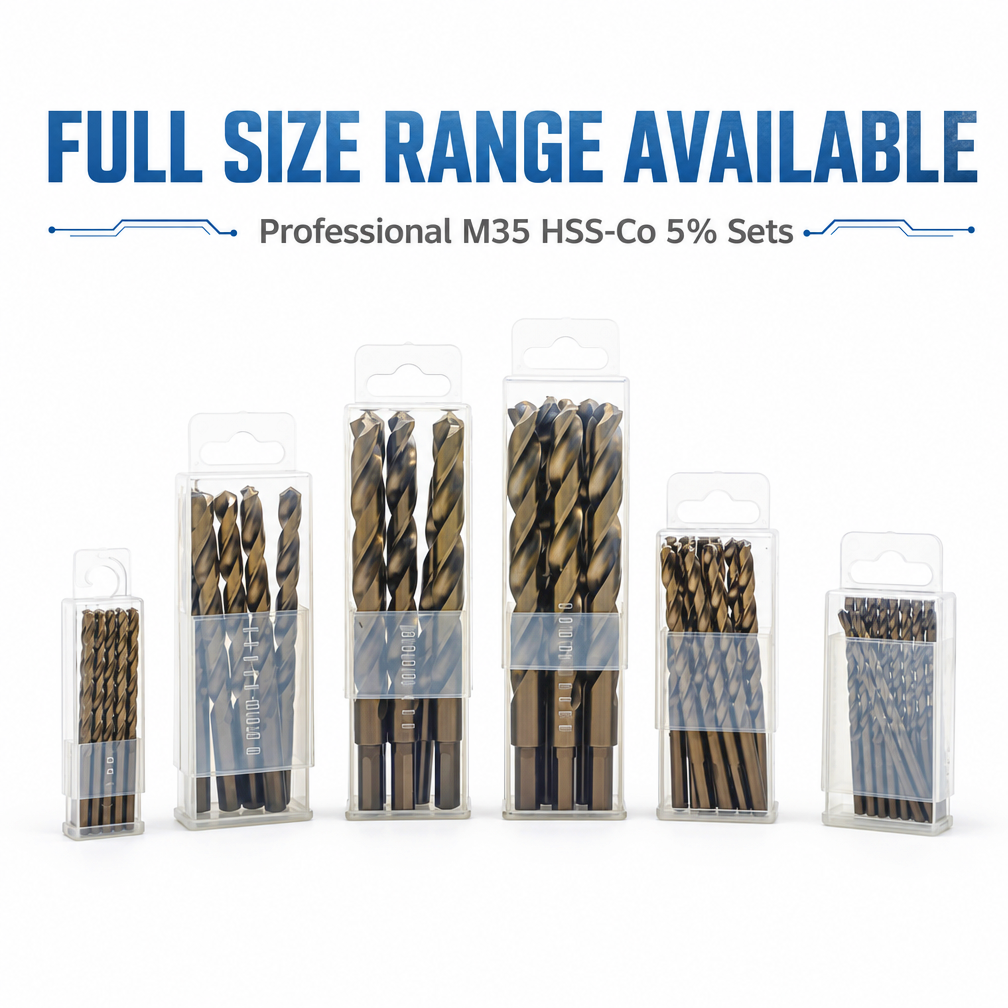
Complete customization capabilities: fiber laser shank marking, customized body coating colors (black oxide, amber, titanium, chrome), thermoformed blister packaging, and metal case master sets.
In-House Metallurgical Control
End-to-end control from raw steel blank cutting and salt-bath vacuum heat treatment to automatic flute centerless grinding, ensuring strict concentricity within DIN 338 and DIN 340 limits.
Direct Global Logistics Hub
Located in Danbei Town, Danyang, Jiangsu, with convenient proximity to Shanghai Port and Ningbo Port. Fast consolidated container shipping, complete export documentation, and responsive multilingual sales managers.
Frequently Asked Questions on TCT Hole Saw Sourcing
Technical guidance for B2B procurement managers, hardware chain importers, and brand product directors.