High-Performance Saw Blades & Industrial Cutting Solutions
Engineered for exacting industrial tolerances, extended cycle life, and thermal dissipation across structural steel, reinforced masonry, high-pressure laminates, and abrasive non-ferrous metals.
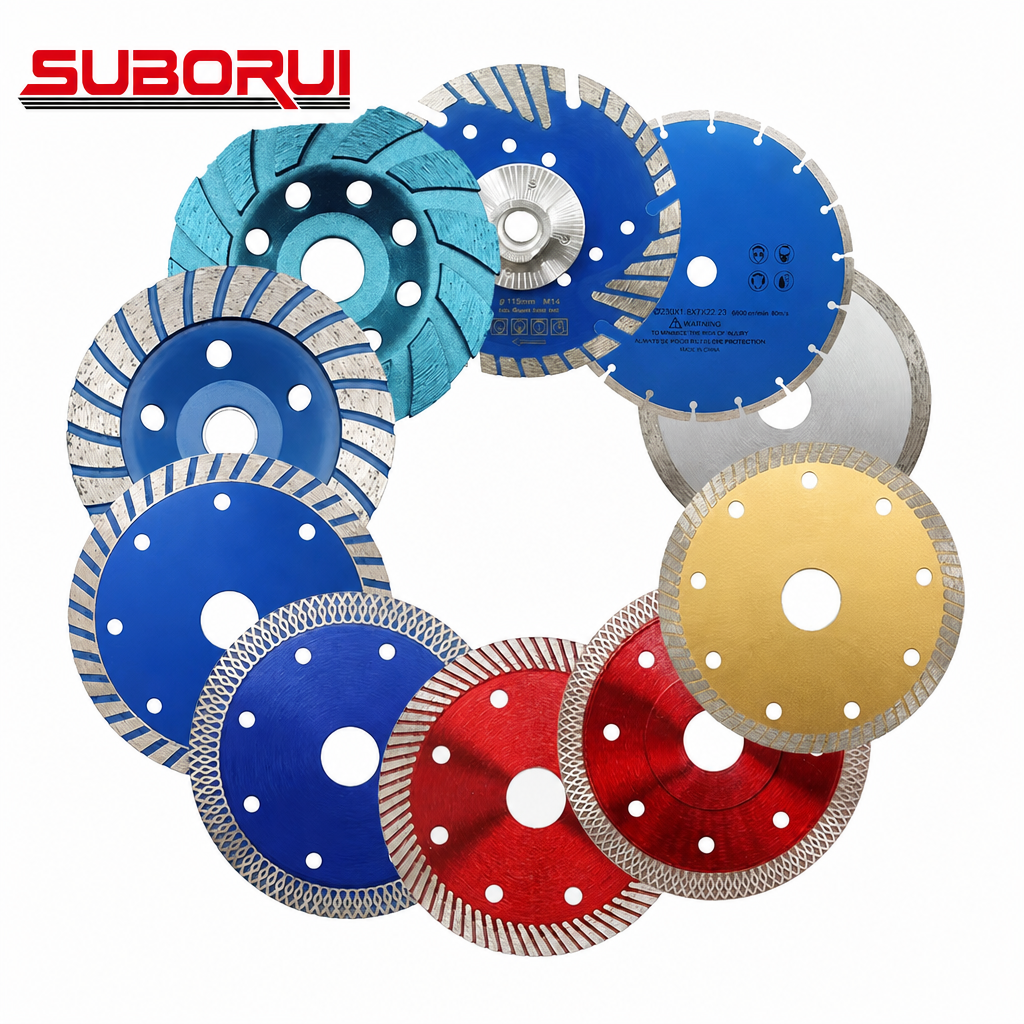
SUBORUI Super-Thin Hot-Pressed Net Wave Diamond Turbo Saw Blade for Porcelain
Global Circular Saw Blade Manufacturing: The State of the Industry
An authoritative breakdown of world-class cutting tool engineering, manufacturing clusters, metallurgical innovations, and vendor benchmarking for industrial distributors and OEM category managers.
Jiangsu WRD Tools Co., Ltd. (SUBORUI)
Freud Tools (Bosch Group)
Kanefusa Corporation
Tenryu Saw Mfg. Co., Ltd.
Leitz Tooling Group
Pilana Metal & Wood Tools
Stark S.p.A.
Amana Tool
C.M.T. Utensili S.p.A.
Dimar Cutting Tools
Essential Technical Specifications for Circular Saw Blade Sourcing
B2B buyers, distributors, and plant engineers must scrutinize five fundamental engineering variables prior to issuing volume OEM purchase orders.
| Evaluation Parameter | Standard Commercial Grade | WRD Tools (Industrial Standard) | Operational Impact on End-User |
|---|---|---|---|
| Saw Body Steel Plate | #50 Carbon Steel / 65Mn Carbon Steel | 75Cr1 (DIN 1.2003) Alloy Spring Steel | Eliminates core blade dishing, warping under frictional load, and maintains tension through multiple re-tippings. |
| Tooth Material & Grain | Standard Coarse WC (1.5–2.5 µm) | Sub-Micron Tungsten Carbide (0.5–0.8 µm) | Up to 3.8x longer edge retention between sharpenings, zero micro-chipping on delicate melamine veneers. |
| Brazing Metallurgy | 2-Layer Direct Silver Paste or Copper | 3-Layer Sandwich (Silver-Copper-Silver) | Cushions lateral and radial impacts when striking dense knots, steel staples, or hard resin knots. |
| Laser Expansion Slots | Stamped punch-cuts or raw slots | Laser-cut acoustic slots filled with damping silicone | Reduces decibel output by 6–10 dB(A) and prevents thermal expansion from distorting planar concentricity. |
| Axial & Radial Runout | < 0.08 mm (Commercial) | ≤ 0.025 mm (Ultra-Precision Tolerance) | Delivers mirror-smooth cut surfaces, zero chatter marks, and significantly lowers spindle motor wear on production machinery. |
Kerf Geometry Optimization
Modern battery-powered cordless saws necessitate ultra-thin kerf designs (1.2–1.6mm) to minimize ampere draw and extend battery runtime per charge. Conversely, industrial automated saws utilize heavy, thick-plate kerfs (3.2–4.5mm) to withstand heavy feed speeds up to 120 m/min without blade deflection.
Tooth Grind Configurations
Alternate Top Bevel (ATB) remains dominant for general crosscutting. Triple Chip Grind (TCG) is mandatory for dense laminate, solid surface, and non-ferrous aluminum extrusions. Flat Top Grind (FTG) delivers unmatched velocity in dedicated rip cuts where chip evacuation volume is paramount.
PVD & Barrier Surface Coatings
Chromium plating, Titanium Carbonitride (TiCN), Diamond-Like Carbon (DLC), and electrostatic non-stick fluoropolymers isolate the base steel plate from pitch, chemical adhesives, and abrasive silica, lowering operating heat by up to 28% and preventing premature blade fatigue.
Strategic Procurement & Technological Trends in Circular Saws
Understanding shifting macroeconomic realities, automation breakthroughs, and sustainable metallurgy to future-proof your industrial cutting tool inventory.
Smart Saws & RFID Tracking
Automated cutting cells now incorporate embedded RFID microchips in saw blade gullets. These broadcast serial numbers, sharpening cycle counts, balance deviations, and cumulative linear cut distances to cloud ERP systems, initiating automatic tool swap routines before quality dips.
Cermet & PCD Displacement of Standard TCT
Ceramic-metallic (Cermet) composite tips and Polycrystalline Diamond (PCD) teeth are aggressively replacing generic carbide in high-speed dry-cutting metal cold saws and composite building panels, driving down the aggregate cost-per-cut by over 42% over annual operating cycles.
Supply Chain Regionalization & Cluster Resilience
Tier-1 power tool brands are concentrating purchases with verified, audited mega-factories in integrated industrial hubs like Danyang, Jiangsu. Direct access to cold-rolled alloy coils, automated sintering, local tool case mold-makers, and automated blister packaging dramatically lowers delivery lead times and geopolitical risk.
Why Tier-1 Tool Brands Partner with Jiangsu WRD Tools Co., Ltd.
Combining 19 years of dedicated manufacturing discipline with deep vertical integration, third-party verified governance, and multi-category production lines.
Intertek Onsite-Verified Facility
WRD Tools operates with total operational transparency. Our premises, production workshops, environmental compliance, and QA/QC metallurgical laboratories undergo regular, rigorous onsite audits by the Intertek Group, ensuring complete regulatory harmony for European and North American customs clearance.
RMB 80M+ Turnover & Provincial Honors
Officially recognized as a High-Tech Enterprise of Jiangsu Province since 2019, WRD maintains a registered capital of RMB 10 million and an annual output exceeding RMB 80 million. Our 150+ skilled machinists and engineers ensure high-volume consistency without sacrificing boutique craft tolerances.
Full Vertical In-House Integration
From precision bar stock slitting, multi-stage automated vacuum salt-bath heat treatment, CNC 5-axis flute grinding, automated induction brazing, to laser etching and robotic clam-shell packaging, 100% of the manufacturing value chain stays inside our 12,000 m² factory walls.
Comprehensive Accessory Synergy
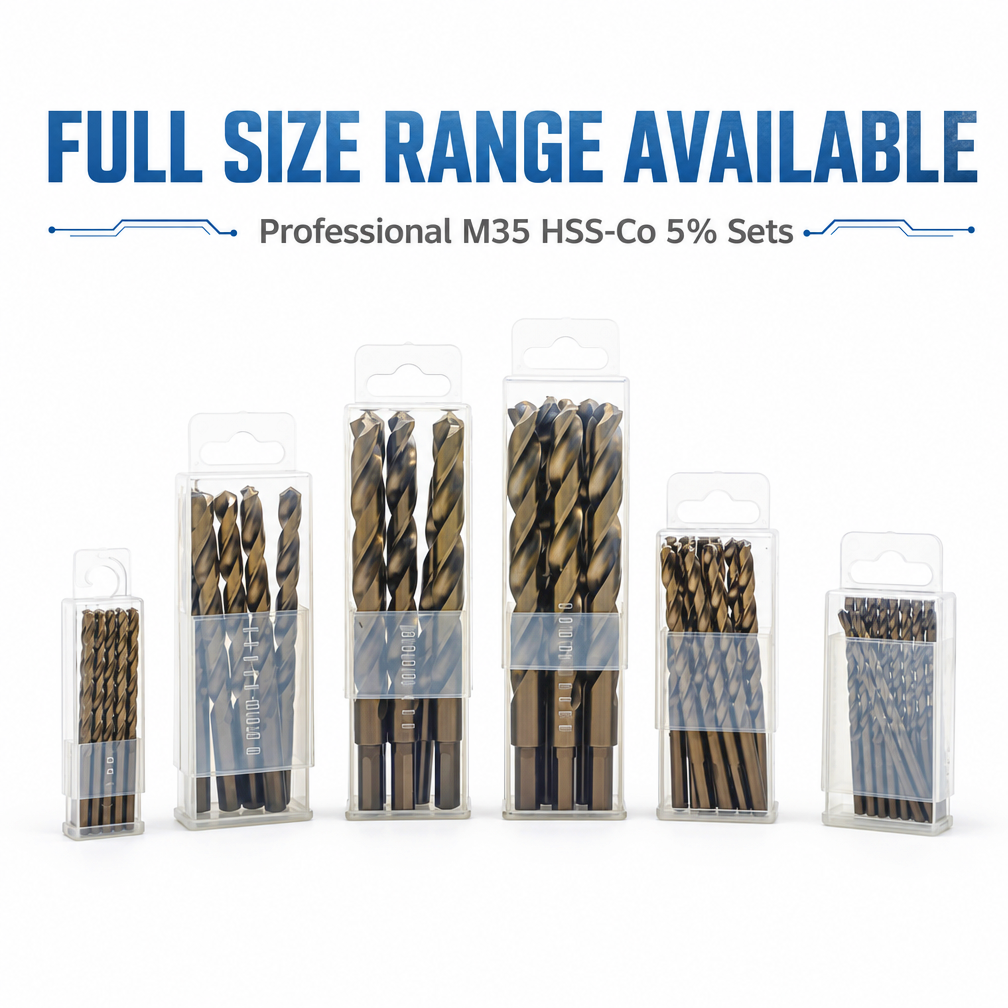
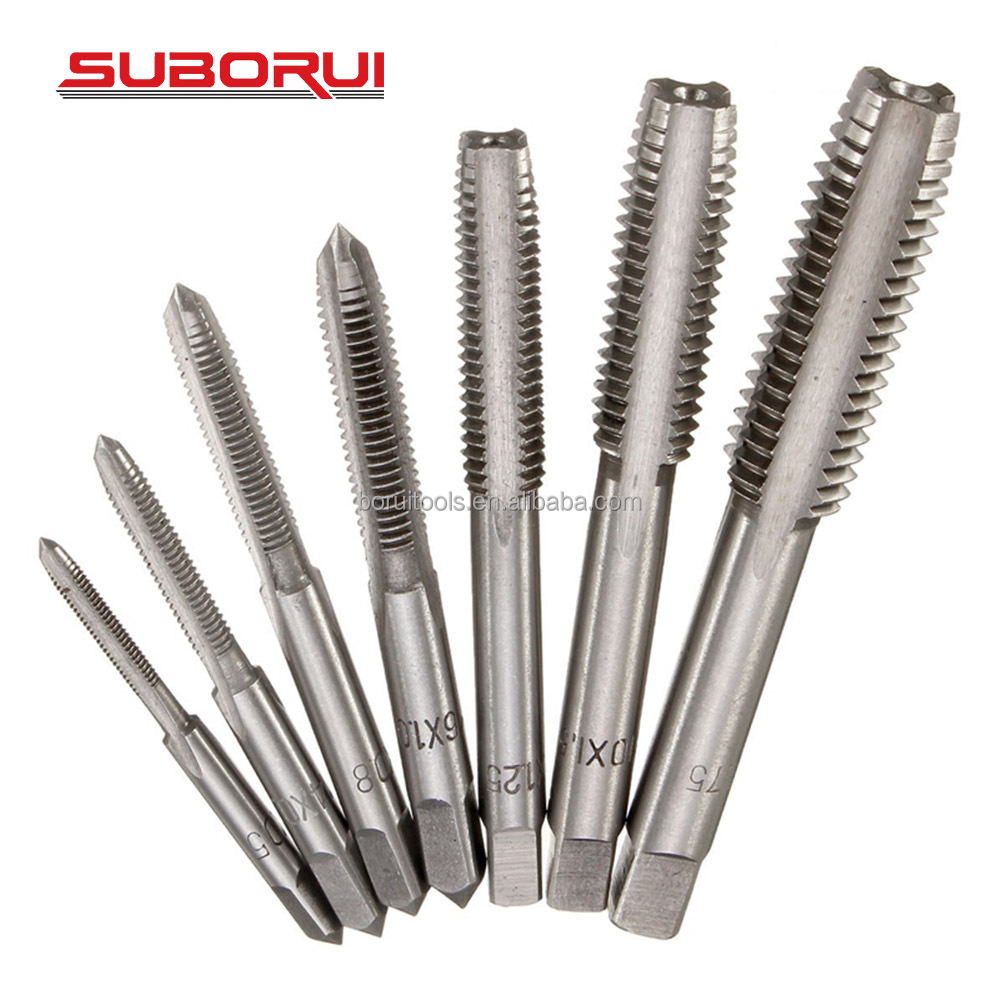
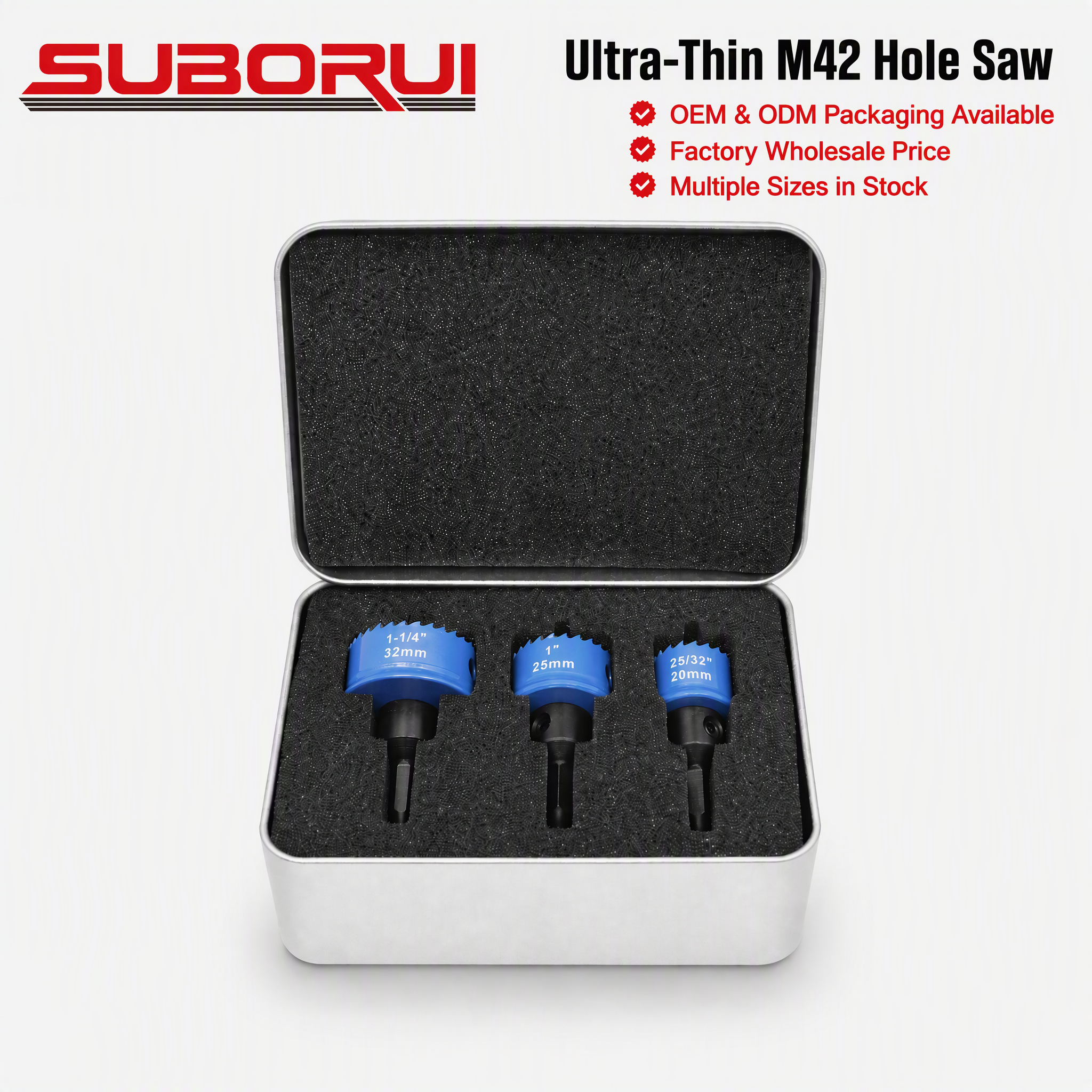
Beyond premium circular saw blades, WRD manufactures 50 million wood drills, 25 million HSS twist drills, 15 million hex shank impact bits, annular cutters, and bi-metal hole saws annually. Sourcing partners consolidate entire container loads across drilling, cutting, and threading lines under one unified private label.
Proven OEM Vendor to Global Leaders
WRD Tools has successfully engineered and manufactured private-label cutting products for world-renowned industry brands including Bosch, Milwaukee, DeWalt, Makita, Irwin, Dexter, KWB, Wolfcraft, Truper, and Heller. Our team understands strict Western brand manuals, barcoding, and drop-test packaging standards.
Rapid Prototype & Flexible MOQ
Equipped with an agile tooling center, WRD delivers custom-profile saw blade and drill prototypes in 7–12 business days. We support distributor launches with accessible trial minimum order quantities (MOQ), scaling efficiently to full 40-foot high-cube sea freight shipments.
Frequently Asked Questions on Circular Saw Blade Sourcing
Direct technical guidance compiled by our senior metallurgical engineers and international trade directors.
What are the primary differences between TCT, Cermet, and PCD circular saw blades?
Cermet (Ceramic-Metallic Composite) teeth incorporate titanium carbide (TiC) and titanium nitride (TiN) particles in a metallic nickel-cobalt binder. Cermet blades maintain extreme heat resistance up to 1000°C, making them the superior choice for dry cold-cutting of solid carbon steel bars and structural steel tubes without burning the workpiece.
PCD (Polycrystalline Diamond) blades utilize synthetic diamond micro-crystals fused to carbide carriers. PCD provides extraordinary wear resistance (up to 50x that of standard carbide) when cutting abrasive materials such as fiber cement siding, ultra-dense composite decking, high-pressure laminates, and graphite aerospace components.
How does plate tensioning affect cutting precision and user safety?
What is the minimum order quantity (MOQ) and lead time for OEM/ODM private label orders?
- Standard specification saw blades with custom laser logo: Starting from 100 to 300 pieces per diameter.
- Custom retail packaging (blister cards, printed metal tins, branded color boxes): Typically requires 1,000 to 1,200 sets for economical offset printing runs.
- Drill bit sets & hole saw kits: Commences around 500 to 1,000 units.
- Production lead time: First-time OEM orders requiring packaging artwork signoff are dispatched within 35–45 days. Repeat production orders are completed within 25–30 days from our Danyang workshops.
Why is tooth rake angle crucial when ordering blades for specific materials?
- Positive Rake (+15° to +22°): Aggressively pulls the blade into the timber. Ideal for fast ripping and softwood cutting on table and radial arm saws. Not safe for sliding miter saws or metal cutting.
- Neutral Rake (0° to +5°): Offers controlled, steady cutting in general construction lumber, plastics, and crosscutting joinery.
- Negative Rake (-5° to -10°): Pushes back slightly against the work, preventing self-feeding. Essential for non-ferrous aluminum extrusions, brass profiles, sliding compound miter saws, and thin sheet metal to eliminate grab and tooth shearing.
How does Jiangsu WRD Tools guarantee batch-to-batch concentricity and dynamic balance?
1. Laser Core Cutting: Blank plates are laser-cut rather than mechanically stamped, avoiding internal stress risers and microscopic edge fractures.
2. Computerized Induction Brazing: Teeth are attached using high-frequency automated induction machines that monitor temperature within ±5°C, ensuring uniform solder wetting and exact tooth alignment.
3. 5-Axis CNC Tooth Grinding: High-precision Vollmer robotic grinding machines grind face, top, and side angles with diamond grinding wheels, preserving tolerances within ±0.01 mm.
4. Dynamic Balancing: Saws are balanced dynamically to eliminate vibration before receiving final laser engraving and anti-rust surface preservation.
Accelerate Your Tool Sourcing with a Verified Chinese Factory
Send your CAD drawings, sample requirements, or competitor target specifications directly to our engineering team. We supply full technical dossiers, factory audit reports, and formal FOB/CIF quotations within 24 hours.