Precision Engineered Cutting & Drilling Range
Direct wholesale items and consolidated production lines manufactured under strict DIN tolerances, tested for construction, metal fabrication, and ultra-hard masonry applications.
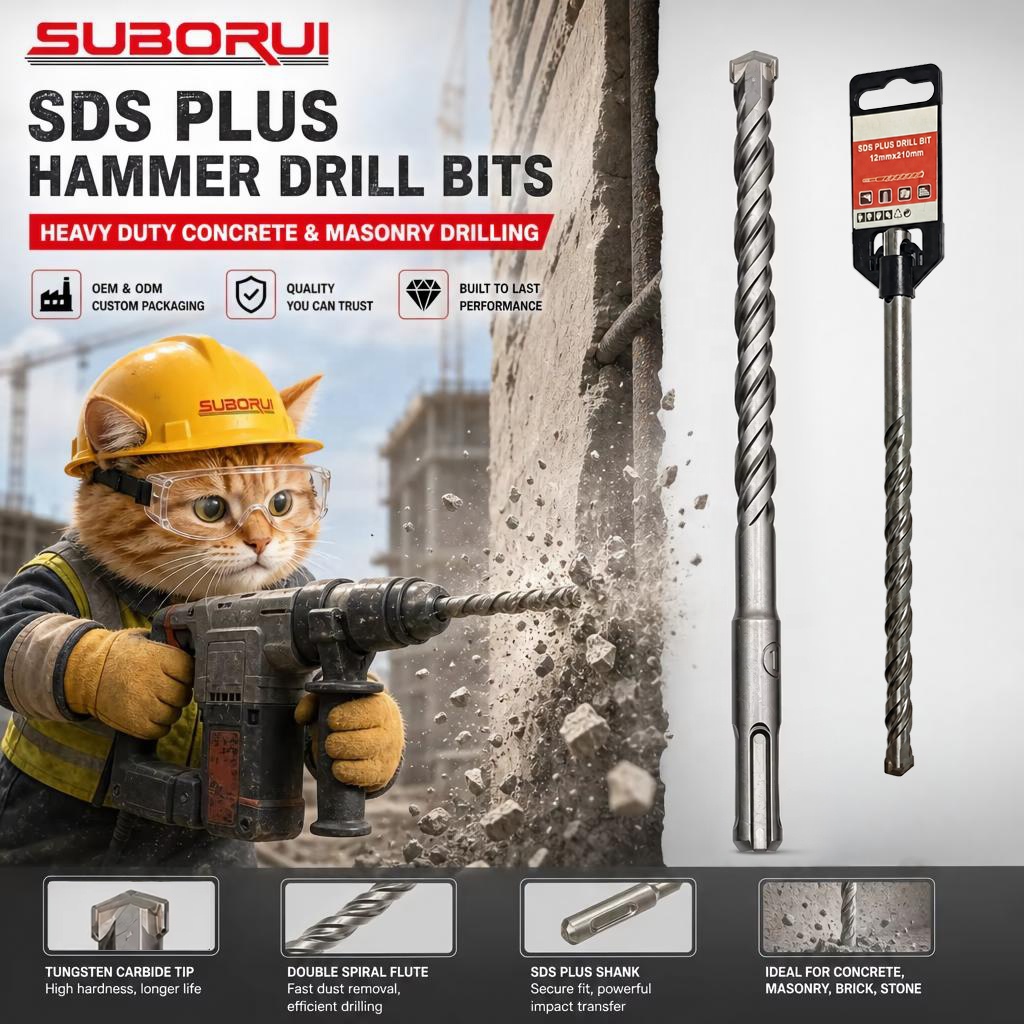
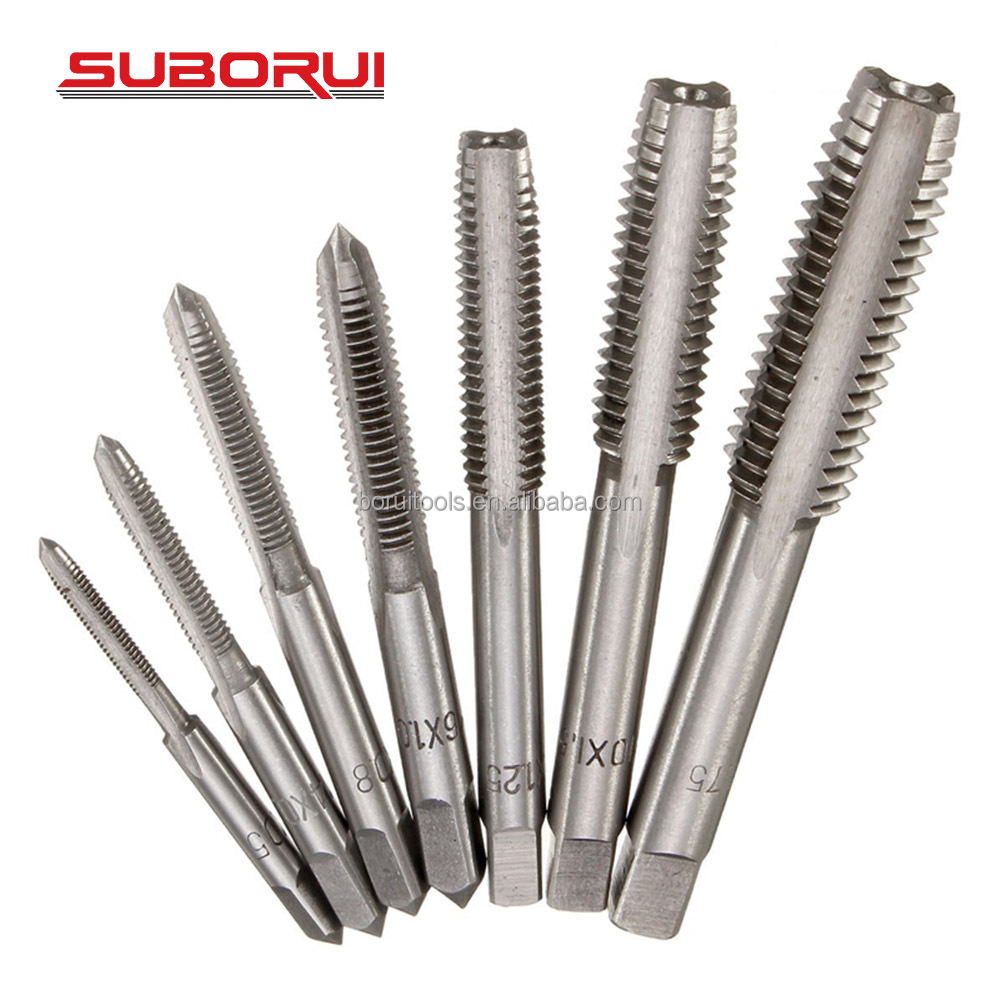
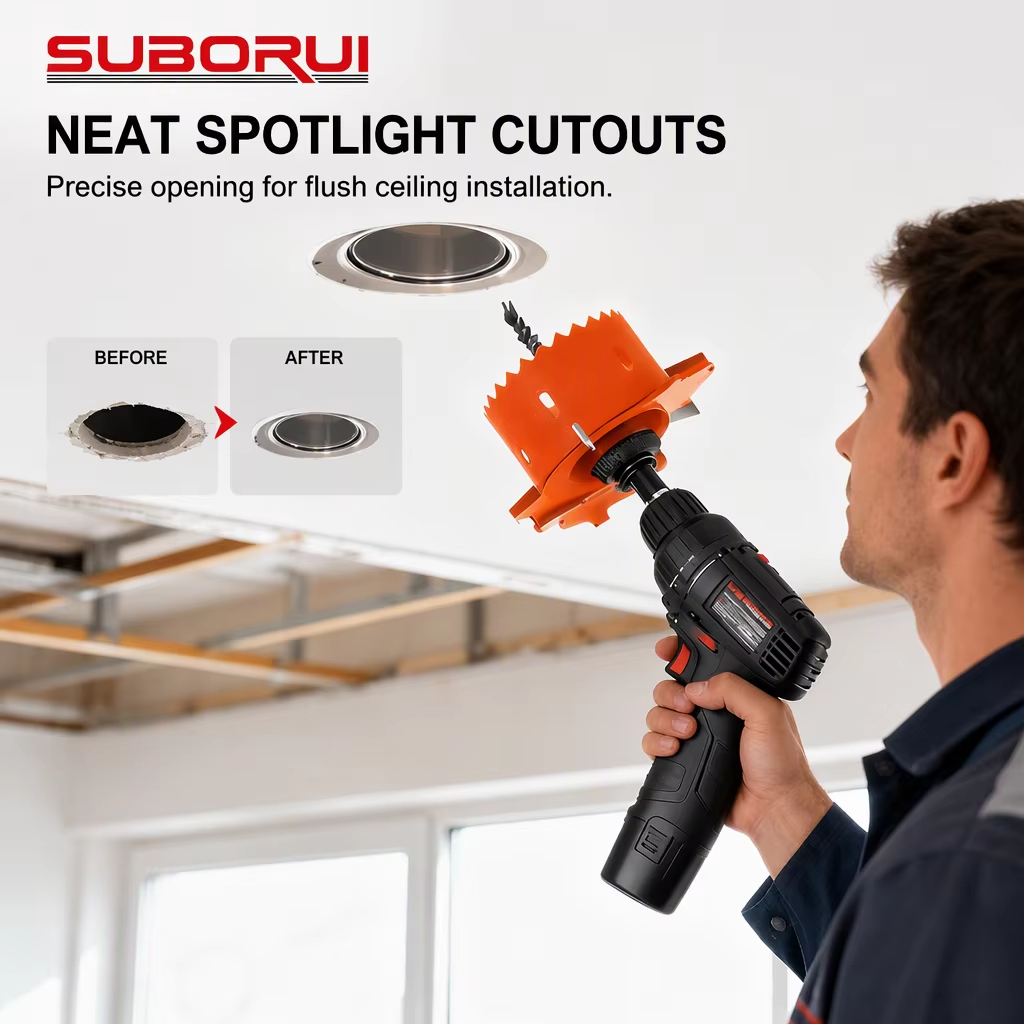
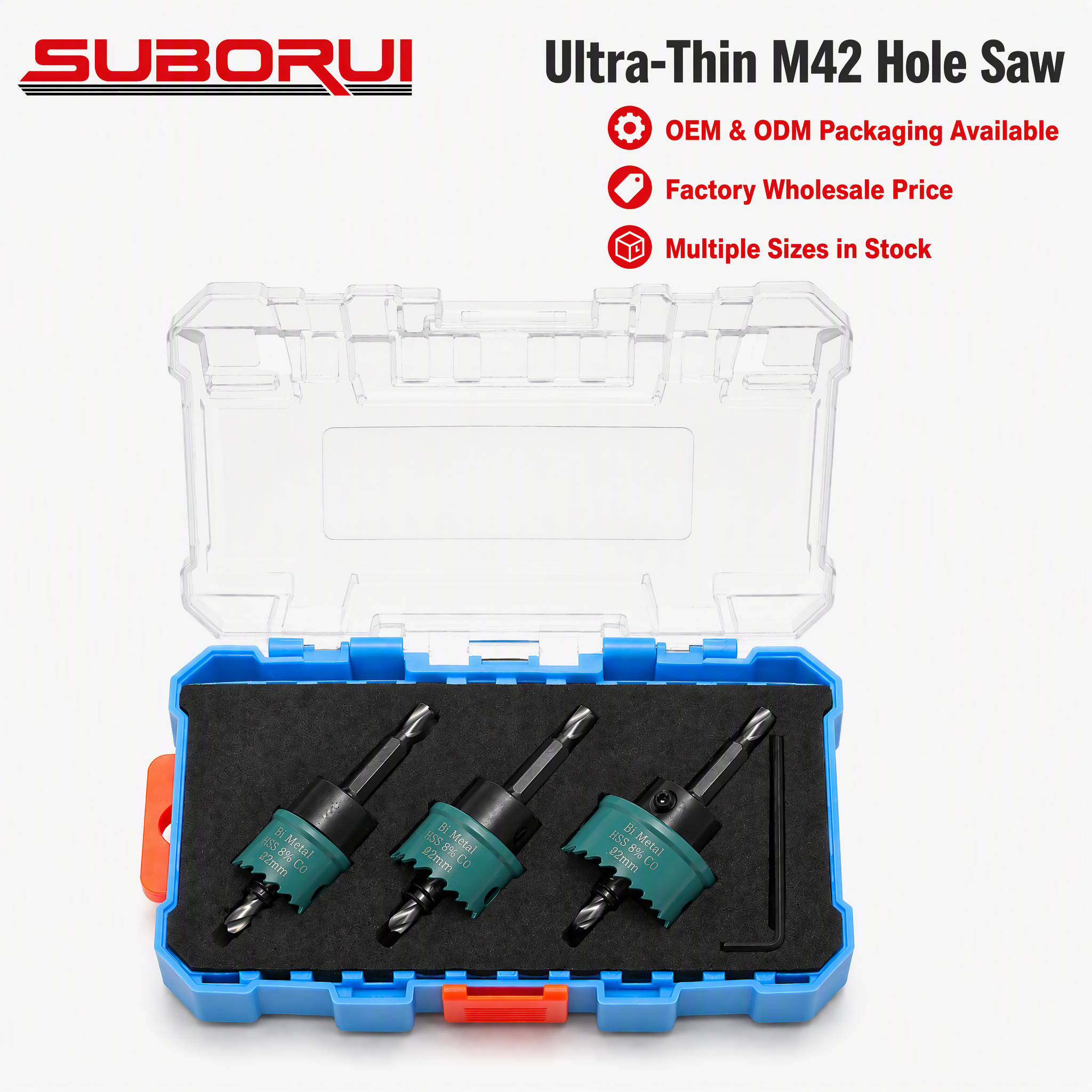
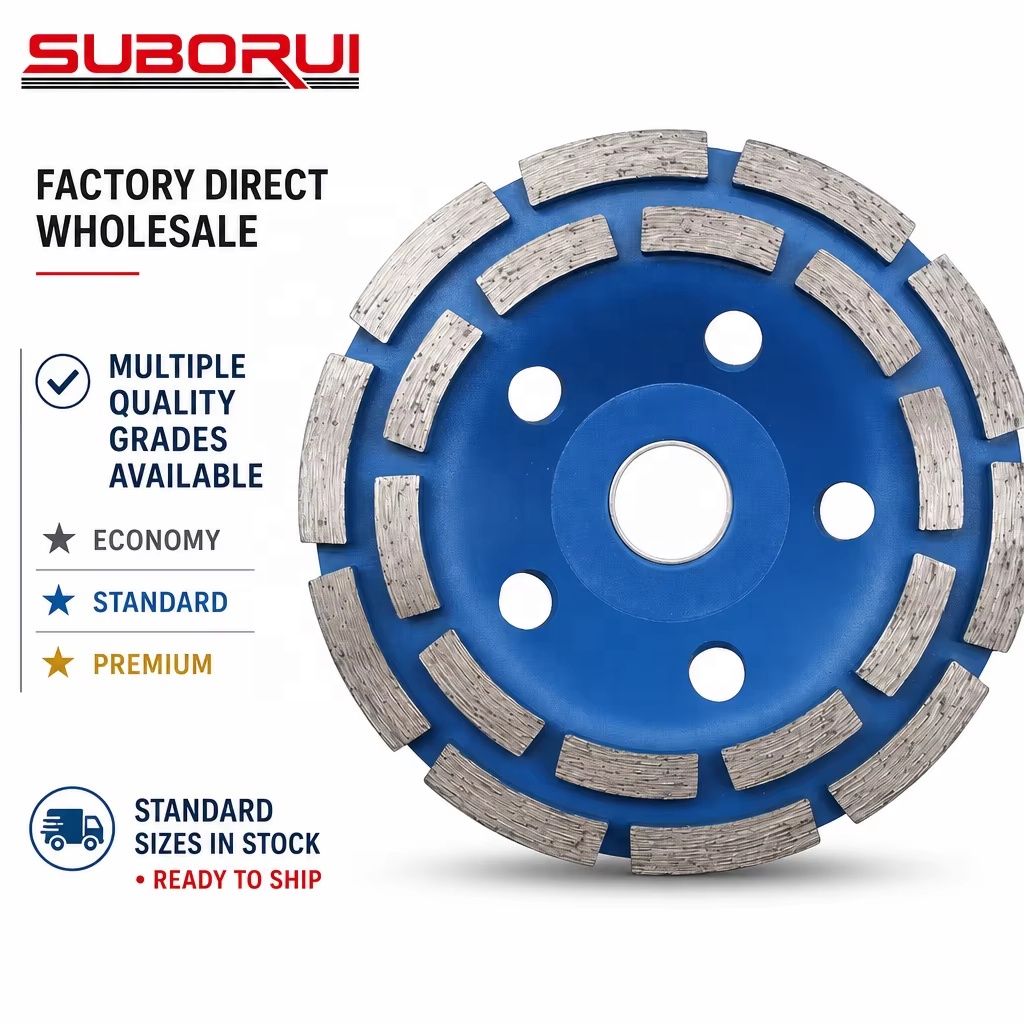
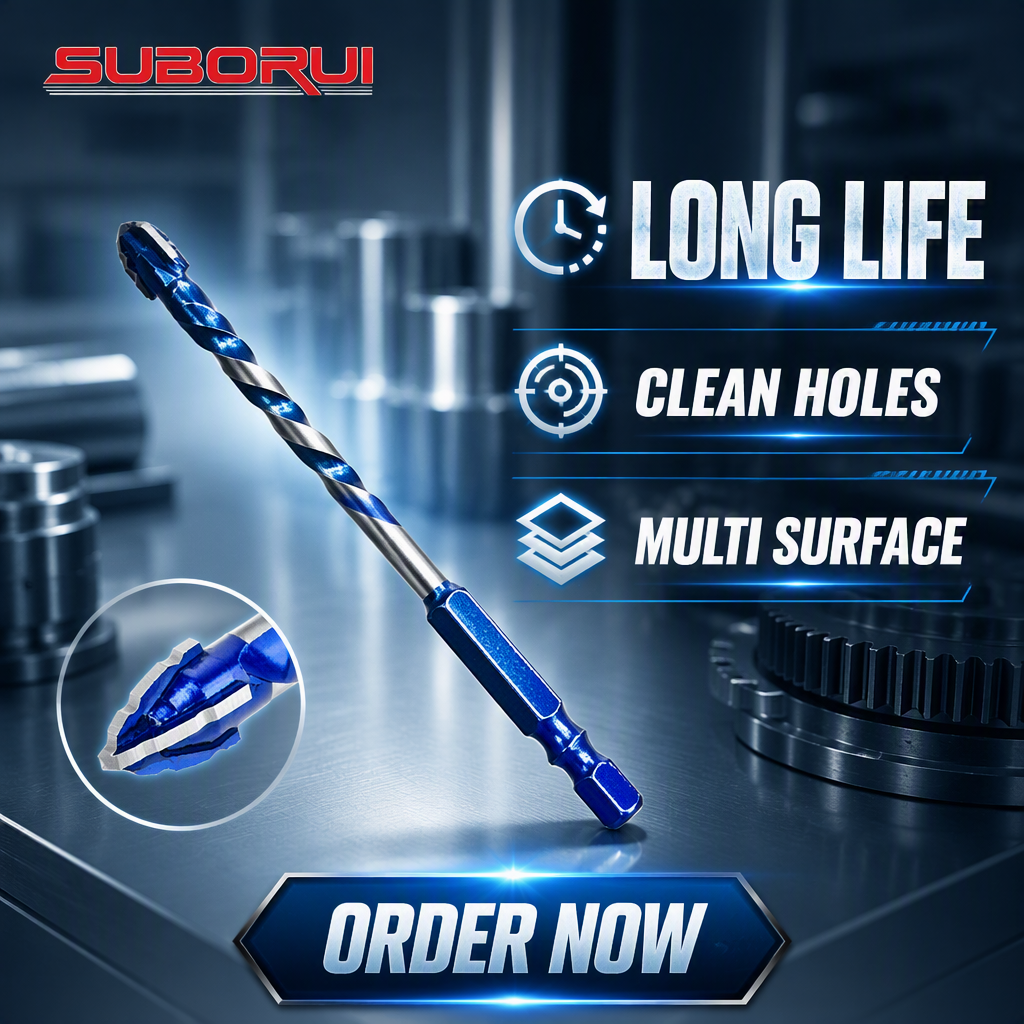
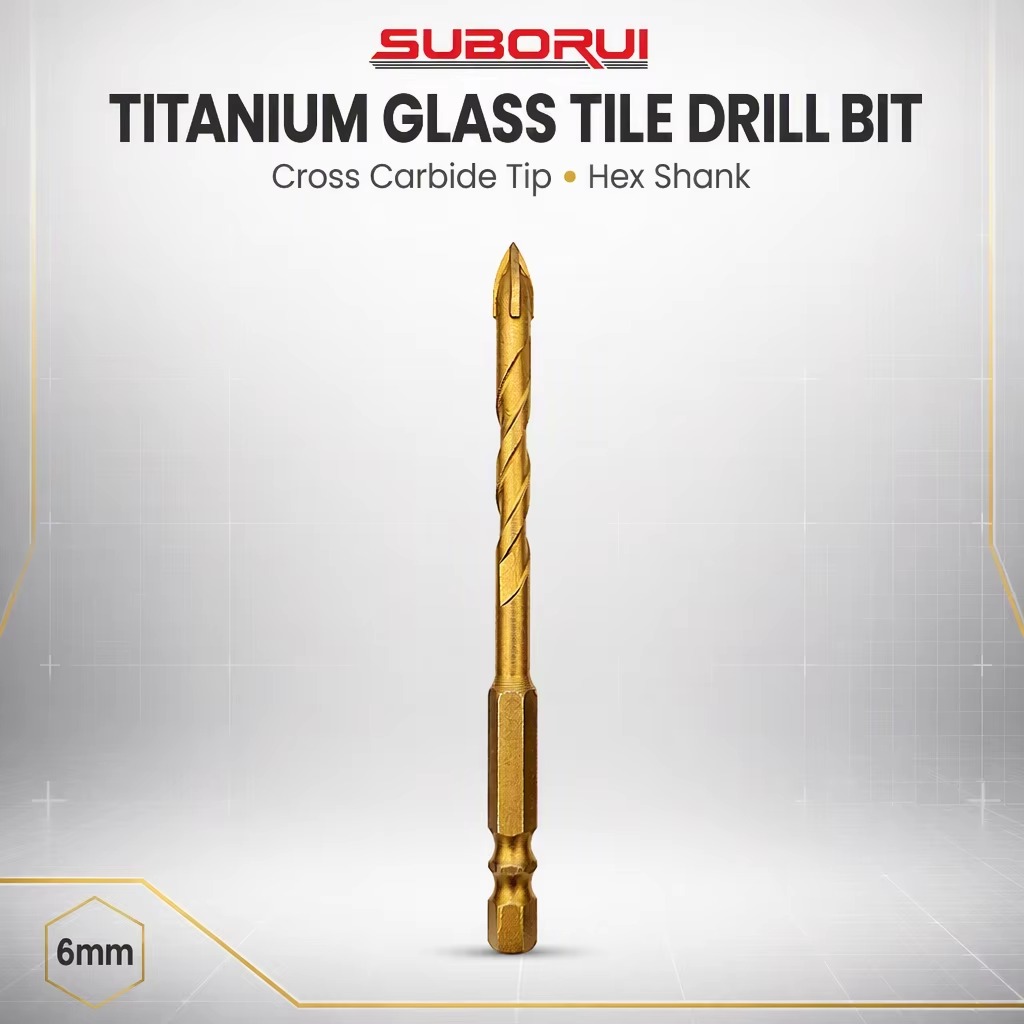
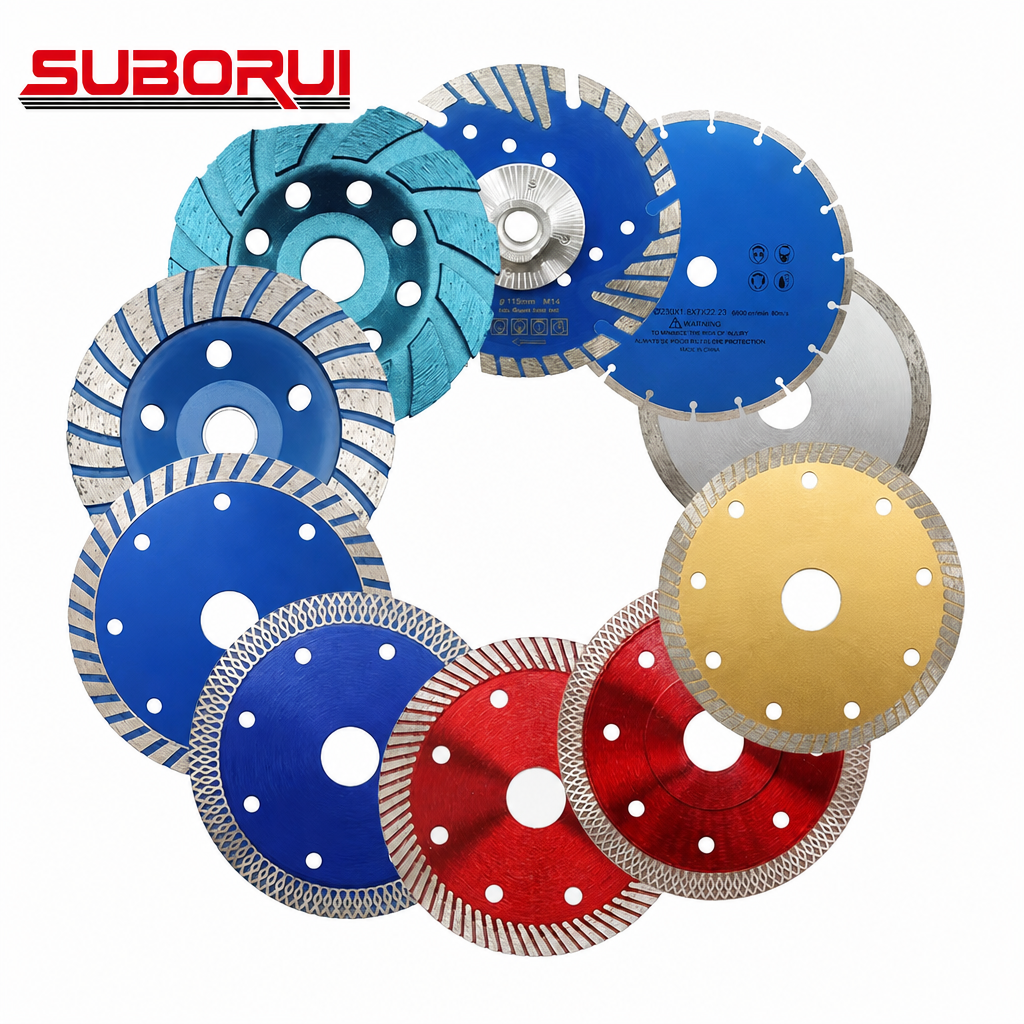
World-Class OEM Manufacturing from Jiangsu, China
Overcoming the trade friction barriers with certified, verifiable manufacturing capacity, robotic automation, and metallurgical repeatability.
Founded in March 2007 with registered capital of RMB 10 million, Jiangsu WRD Tools Co., Ltd. (brand: SUBORUI) has scaled to become a backbone manufacturer within Danyang, the world's most concentrated cutting and abrasive tool industrial cluster. Operating across a modern 12,000 square meter plant staffed by over 150 technical experts and high-precision CNC specialists, our infrastructure delivers complete end-to-end processing: from raw high-carbon and tungsten steel bar stock cutting, fully automated controlled-atmosphere vacuum brazing furnaces, secondary five-axis CNC flute grinding, through to laser micro-marking, automated dynamic run-out inspection, and custom blister pack engineering.
Recognized as a High-Tech Enterprise of Jiangsu Province since 2019 and verified on-site by Intertek Group, WRD Tools generates an annual sales volume surpassing RMB 80 million, producing more than 50 million wood drill bits, 25 million high-speed steel (HSS) twist drill bits, 15 million hex shank impact bits, alongside expansive lines of vacuum brazed diamond blades, diamond core drill bits, annular cutters, and specialized carbide masonry cutters. Our factory floor serves elite international cutting tool suppliers and tier-1 private labels across Germany, the United States, Switzerland, Sweden, Brazil, and over 20 other countries—proving OEM/ODM capability that meets strict ANSI, DIN, and ISO standards demanded by global retail conglomerates such as BOSCH, Milwaukee, DeWalt, Makita, and Irwin.
Vacuum Brazed Diamond Technology: Science, Mechanics & Physics
Why modern vacuum brazing has displaced traditional sintered and electroplated diamond blades across heavy industrial, demolition, rescue, and construction applications.
The manufacturing of industrial cutting discs has experienced three generational shifts: electroplating, sintering (powder metal hot pressing), and high-temperature vacuum brazing (VB). In standard sintered diamond blades, synthetic diamond grits are held within a metal matrix purely by mechanical compaction. As the sintered metal matrix wears away under abrasive contact, diamond crystals are prematurely ejected before delivering their full cutting potential—often using barely 30% to 40% of their synthetic crystalline life. In electroplated discs, a thin mechanical nickel layer binds diamonds to the substrate; the physical bond lacks chemical adhesion, leading to catastrophic strip-off when exposed to heat generated in uncooled dry-cutting conditions.
Vacuum Brazed Diamond Technology revolutionizes diamond tool life through chemical metallurgical fusion. In a high-vacuum furnace operating at negative pressures up to 10-3 Pa and temperatures ranging between 950°C and 1080°C, a specialized active filler alloy (typically containing Silver-Copper-Titanium or Nickel-Chromium compounds) melts and wets both the steel core and the synthetic monocrystalline diamond. The active element—titanium or chromium—chemically reacts with the diamond's carbon atoms to synthesize an ultra-dense metallurgical interface composed of titanium carbide (TiC) or chromium carbide (Cr3C2).
70%+ Diamond Exposure
Unlike sintered segments where diamond crystals are submerged up to 70% within metal powders, vacuum brazing chemically anchors grits with only 25-30% retention depth. This leaves over 70% of the crystalline structure exposed, creating sharp cutting micro-relief that accelerates linear cutting speeds by 200% to 300% on reinforced concrete, ductile iron, and ultra-compact sintered porcelain slabs.
Thermal Shock Zero-Failure
Because the bond formed in a vacuum furnace involves actual carbide crystalline fusion, active brazing eliminates segment detachment hazards common in laser-welded or silver-soldered blades. Under continuous dry-cutting conditions exceeding 800°C friction temperature, vacuum brazed diamonds will not desolder, preventing projectile kickback injuries on angle grinders and demolition chop saws.
Universal Material Matrix
Vacuum brazed diamond blades serve as genuine "Rescue/Multi-Material Cutters." A single blade cuts ductile iron pipes, structural steel rebar, sheet metal, granite, marble, cured masonry block, bullet-resistant glass, fiberglass, and carbon-fiber composites without segment glazing, disc thermal deformation, or requiring frequent wheel changeovers.
| Evaluation Parameter | Resinoid Abrasive Wheel | Sintered Diamond Blade | Jiangsu WRD Vacuum Brazed Blade |
|---|---|---|---|
| Primary Bond Chemistry | Phenolic Resin Matrix | Cobalt-Bronze Metal Powder Sinter | Active Titanium/Nickel Chemical Carbide Fusion |
| Effective Diamond Exposure | N/A (Aluminum Oxide / SiC) | 15% – 30% protruding height | 70% – 80% maximum sharp clearance |
| Diamond Retention Strength | Low (Mechanical Friction) | Moderate (Mechanical Clamping) | Extreme (>450 MPa Interfacial Shear) |
| Blade Diameter Depletion | Rapid decay (High hazardous dust) | Slow segment erosion | Zero diameter loss (Constant cutting depth) |
| Dry Cutting Safety Profile | High rupture risk at high RPM | Segment throwing risk if uncooled | Solid steel blank • Zero segment detachment |
| Service Life Multiplier | 1X Benchmark | 15X – 30X Abrasive | 65X – 100X Abrasive / 3X Sintered in Steel |
Future Procurement Trends in Vacuum Brazed Diamond Tooling
Critical macro shifts, material evolution, and environmental dynamics reshaping tool procurement strategies for commercial distributors and hardware brands through 2030.
Replacement of Bonded Abrasive Cut-Off Wheels
Global regulatory bodies (OSHA, EU-OSHA) are tightening limits on crystalline silica and harmful airborne phenolic resin particulate dust generated by conventional bonded abrasive cutting discs. Procurement departments are shifting annual tool contracts from disposable resin wheels to solid-core vacuum brazed blades. Because VB steel cores retain their diameter across thousands of cuts, they drastically reduce ambient particulate pollution while protecting operators from disc shattering.
Sintered Stone & Sintered Slabs Fabrication
The global luxury interior architecture sector has witnessed widespread adoption of 12mm-20mm ultra-compact sintered porcelain slabs (Dekton, Neolith, Laminam). Standard diamond blades cause micro-chipping and cracking on these brittle, ultra-dense surfaces. Importers are expanding orders for ultra-thin (1.0mm-1.2mm) vacuum brazed blades engineered with mesh diamond patterns and side-protection protective ribs, enabling chip-free dry profiling and high-speed miter cuts.
SKU Consolidation for Retail Tool Brands
Big-box distributors and hardware chains are actively eliminating split SKUs. Instead of stocking separate blades for cast iron pipe, masonry rebar, ceramic tiles, and PVC plastic, procurement buyers specify the "All-in-One Multi-Cutter" vacuum brazed blade. Consolidating four niche SKUs into one universal vacuum brazed SKU lowers inventory carrying overhead, increases unit turn rates, and simplifies contractor selection.
Next-Generation Manufacturing & Technological Trends
Moving beyond early brazing recipes, China's elite factories are investing in Controlled Induction Brazing & Multi-Chamber Continuous Vacuum Furnaces equipped with computerized infrared thermography. This eliminates localized core warping and maintains axial run-out under 0.03mm. On the metallurgy frontier, factories are pairing CVD-coated synthetic diamonds with active Ti-Ni solder paste formulations. The chemical coating insulates diamond crystals against thermal degradation at elevated surface feet-per-minute (SFM), allowing prolonged run-times on battery-powered cordless cut-off saws without draining Amp-hour capacity.
Jiangsu WRD Tools: End-to-End Manufacturing Prowess
Certified direct manufacturing with custom private-label branding, automated quality checks, and international compliance documentation.
Raw Metallurgy & Steel Quality
We source certified high-manganese 65Mn spring steel and alloyed 40Cr blanks for all core blades. Thermal quenching and stress-relieving cycles guarantee tensile resilience, preventing dishing, side wobble, or balance failure at 13,300 RPM.
Intertek-Verified Quality Control
Every production batch passes 100% laser run-out testing, metallurgical microscopic grain inspections, segment pull-force shear measurements, and destructive bursting speed testing performed at 1.5X rated operating velocity.
Complete OEM & Private Label Services
From custom color electrophoretic coatings, thermal screen printing, and high-precision fiber laser marking to double blister clamshells, color presentation boxes, and industrial distributor master packs ready for retail display.
Frequently Asked Questions for B2B Importers
Direct answers from our engineering and export compliance departments covering MOQs, custom tooling, testing, and shipping logistics.
What is the difference between vacuum brazed diamond blades and laser-welded diamond blades?
Laser welding joins pre-sintered diamond segments to a circular steel blank along a seam. While effective for deep asphalt and cured concrete wet cutting, laser-welded segments retain diamond grits mechanically within sintered metal matrix powders, providing only 20-30% diamond crystal exposure. In contrast, vacuum brazed diamond blades chemically weld diamond grits directly across the perimeter edge and side flanks inside a vacuum furnace. This provides up to 70% diamond crystal exposure, forming an indestructible active carbide alloy bond that supports multi-material dry cutting (steel rebar, cast iron, masonry, granite, and PVC) without the risk of segment detachment.
What Minimum Order Quantities (MOQs) apply for OEM branding and custom blade geometries?
For standard dimensions (105mm, 115mm, 125mm, 180mm, 230mm, and 350mm) carrying standard factory markings, MOQ begins as low as 50 to 100 units. For full OEM private labeling—including fiber laser-etched logo branding on the steel core, customized electrophoretic blade paint colors, and retail color box packaging—the standard MOQ is 500 units per specification. Custom blade thickness, non-standard arbor dimensions (e.g., 20mm, 22.23mm, 25.4mm, or 5/8"-11 threaded hubs), and tailored diamond mesh grits can be fabricated with flexible tier pricing.
How does the factory assure concentricity, dynamic balance, and operator safety under high RPM?
Every core blade blank is stamped or laser cut from high-tensile 65Mn steel sheet, followed by CNC surface grinding and leveling to ensure an axial runout deviation under 0.03mm. Following vacuum furnace processing, blades undergo automated dynamic balancing testing to prevent vibration at maximum peripheral speeds up to 80 m/s. Production batches are tested for burst resistance on hydraulic test stands at 1.5 times the rated operating RPM in strict compliance with the EN 13236 European safety standard.
Can vacuum brazed blades be operated completely dry, or is water cooling mandatory?
Vacuum brazed blades are engineered specifically for dry-cutting applications where water delivery is impractical, such as fire rescue operations, high-altitude steel erection, plumbing trenching, and indoor tiling. The direct chemical metallurgical bond withstands frictional temperatures up to 900°C without segment desoldering. However, applying water cooling during continuous heavy cutting operations in thick granite or structural steel will prolong diamond crystalline sharpness and extend total blade service life by up to 40%.
What documentation and third-party certifications are available for customs and commercial audits?
Jiangsu WRD Tools Co., Ltd. provides comprehensive export documentation including Certificate of Origin (Form A, Form E, RCEP, CO), mill test certificates (MTC) detailing steel chemical composition, ISO 9001:2015 quality management compliance reports, and full on-site facility audit dossiers issued by Intertek Group. Our factory also provides EN 13236 compliance declarations required for frictionless customs entry across the European Union, the United Kingdom, North America, and Australia.
What is the standard production lead time and port of dispatch?
Standard OEM private label production runs require 25 to 35 business days from drawing confirmation and packaging approval. Repeat reorders with established packaging die-lines are completed in 15 to 20 days. Shipments are consolidated directly from our Danyang factory and dispatched via Shanghai Port or Ningbo Port, with integrated sea freight (FCL/LCL), air cargo, and door-to-door DDP logistics options available.