Featured Industrial Cutting & Drilling Tools
Precision-engineered twist drills, hole cutters, and grinding accessories manufactured under rigid metallurgical quality control.
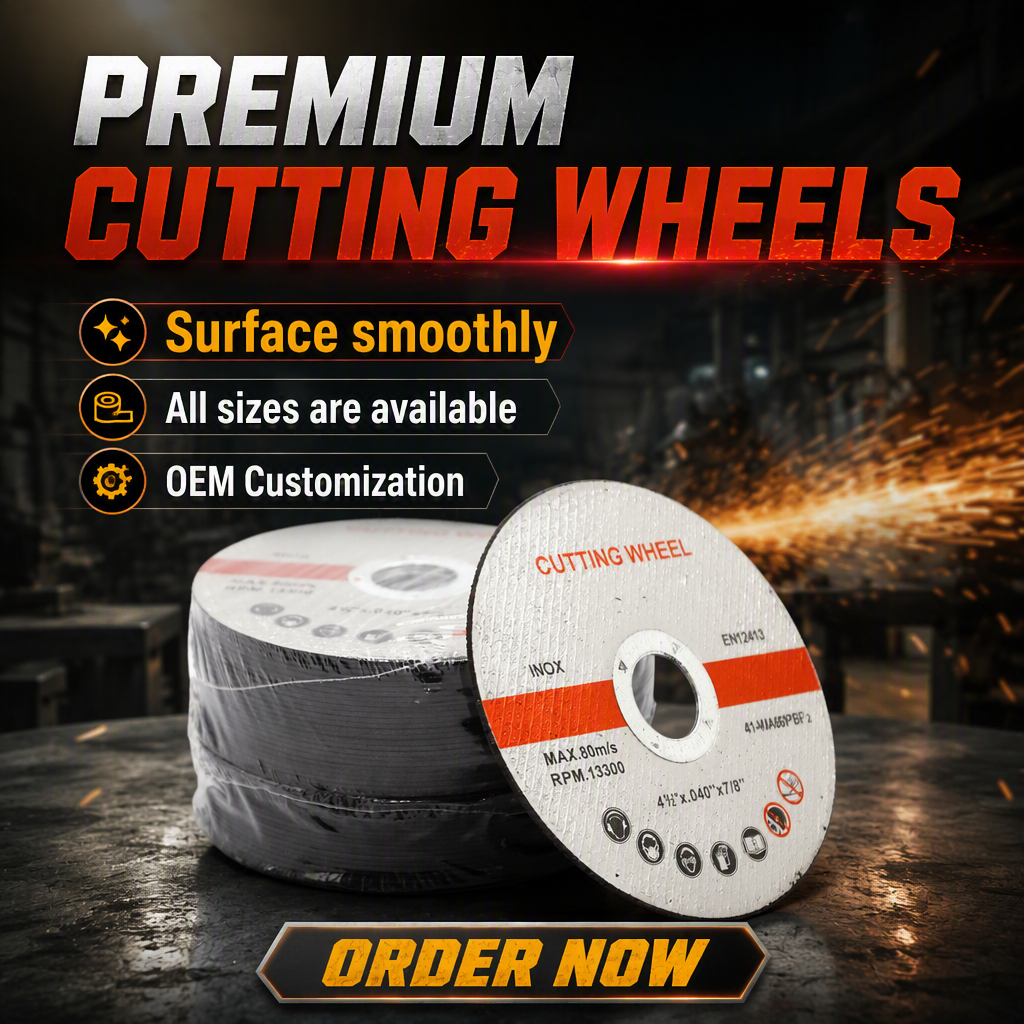
SUBORUI OEM Metal Cutting Grinding Disc 4 Inch Cut off Wheel 115mm 4.5 Inch Iron Metal Cutting Wheel for Metal
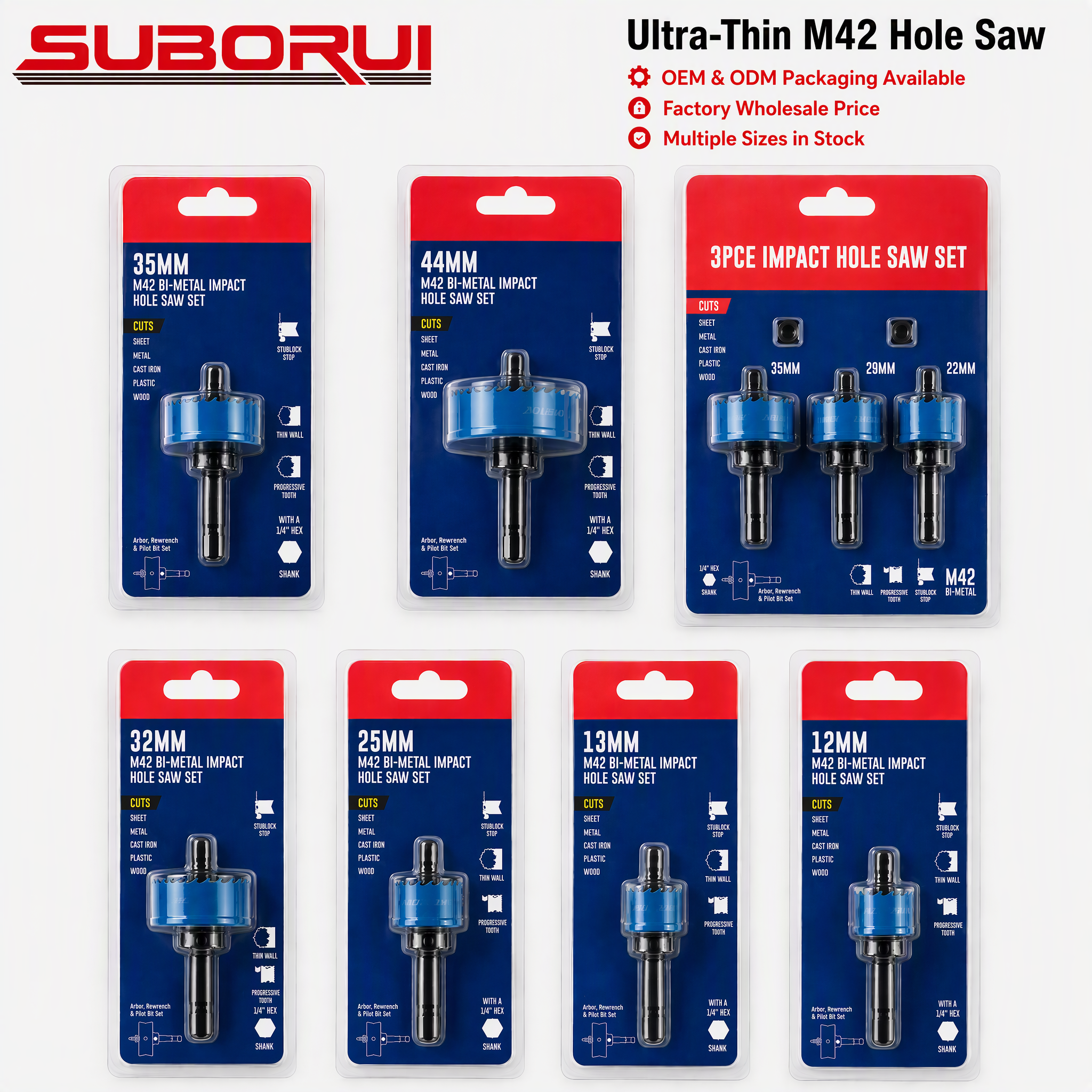
SUBORUI OEM ODM Wholesale Premium 14mm-60mm Ultra-thin 1/4 Hex Shank M42 Bi-Metal Hole Saw for Metal and Wood
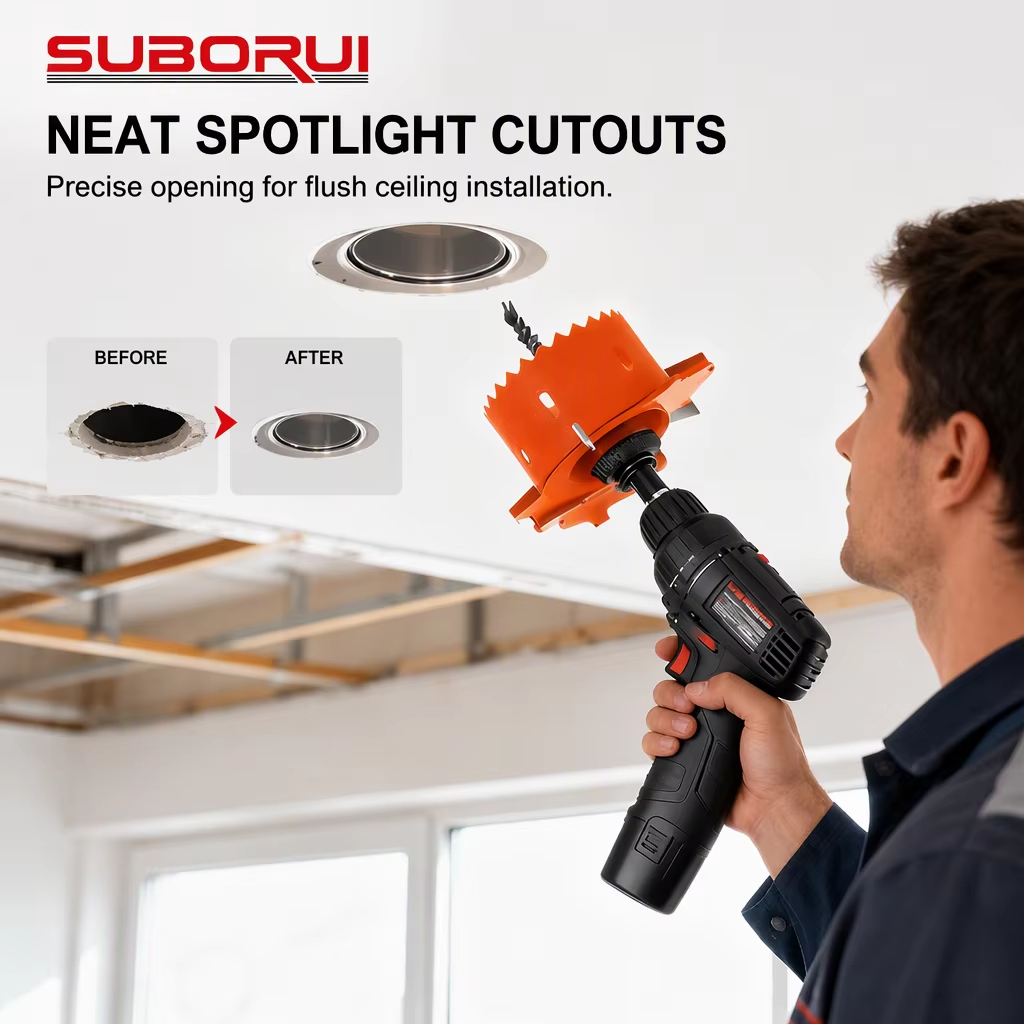
Suborui 35-100mm Borderless Spotlight Drill Bit Hole Opener HSS Bi-Metal Hole Saw Cutter for Wood Plywood Drywall
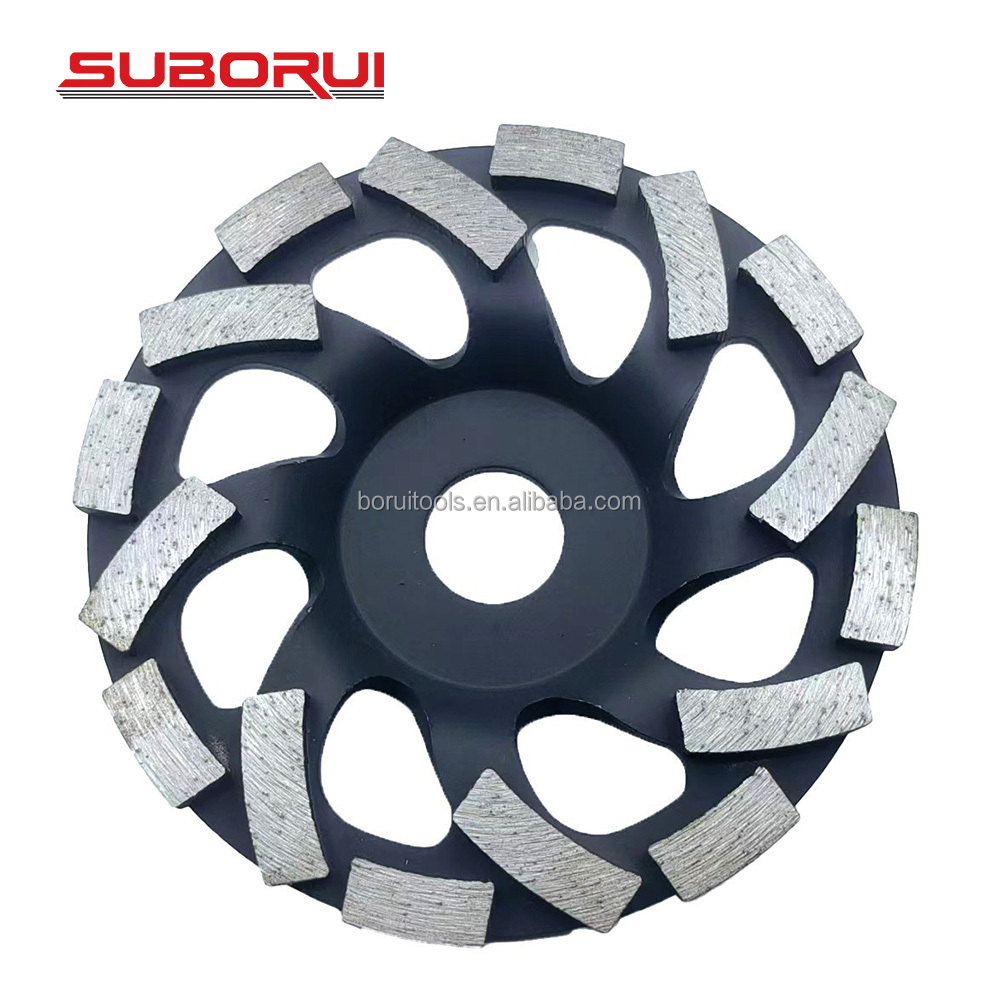
SUBORUI Factory Direct Supply 125mm Fine Abrasive Segmented Cup Diamond Grinding Disc Ceramic Grinding Wheel for Granite Marble
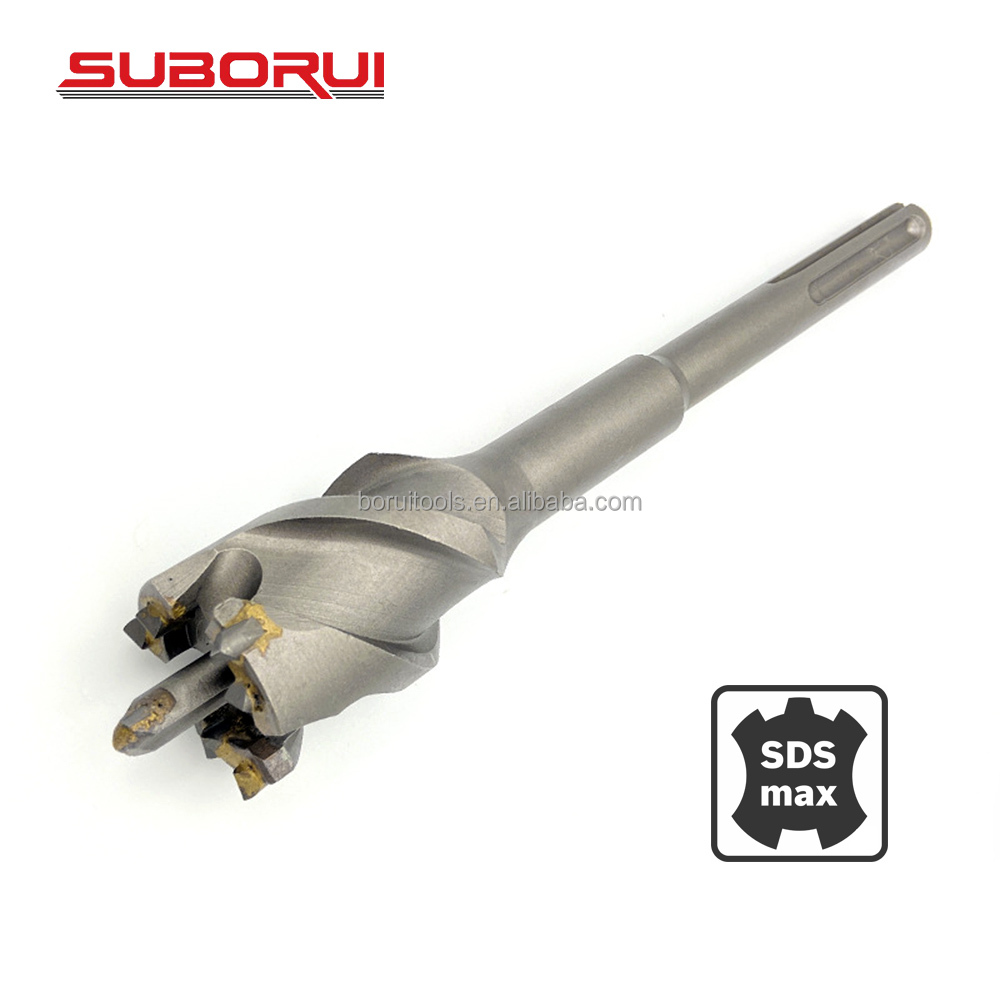
SUBORUI Carbide Sds Max Electric Hammer Wall Hollow Drill Bit Concrete Hole Saw for Cement Stone Concrete Wall
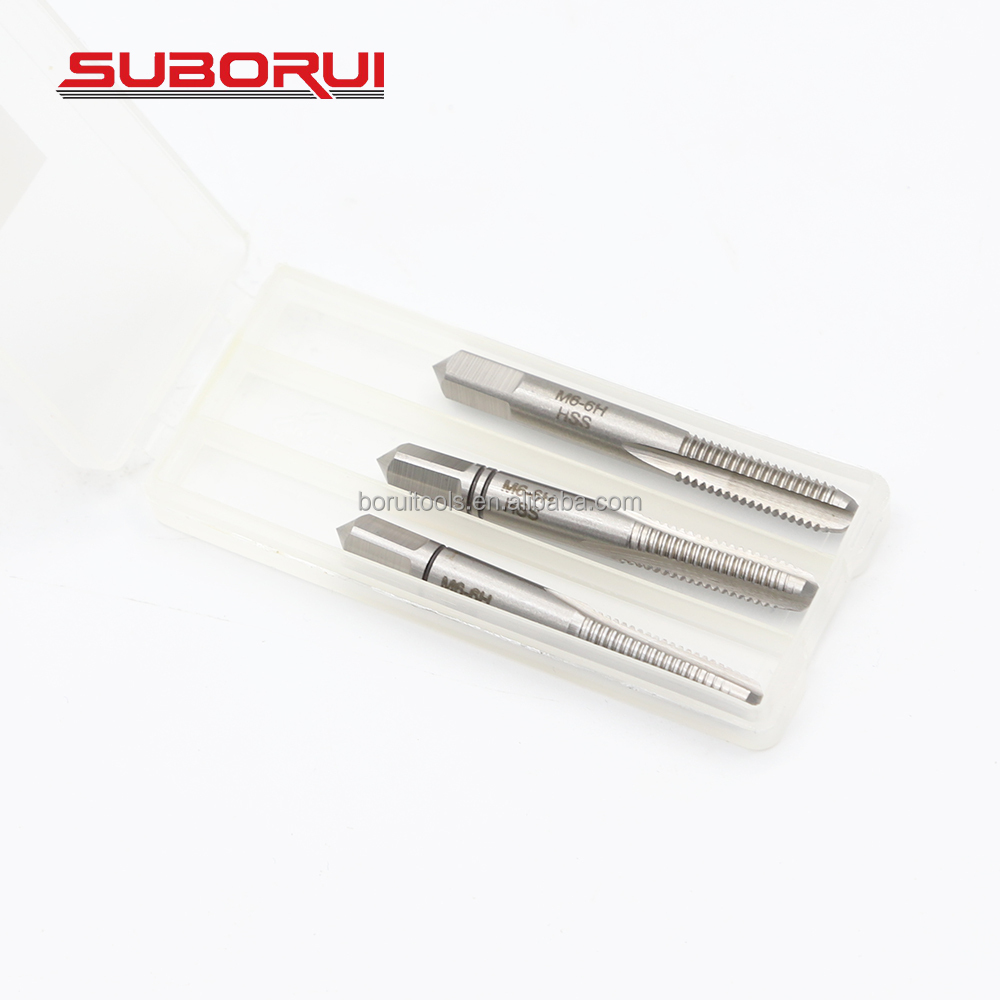
SUBORUI Din352 Metric Hss M2 3PCS M2 M3 M4 M5 M6 M8 M10 M12 M14 M16 M18 M20 HSS Straight Fluted Screw Thread Hand Taps Set
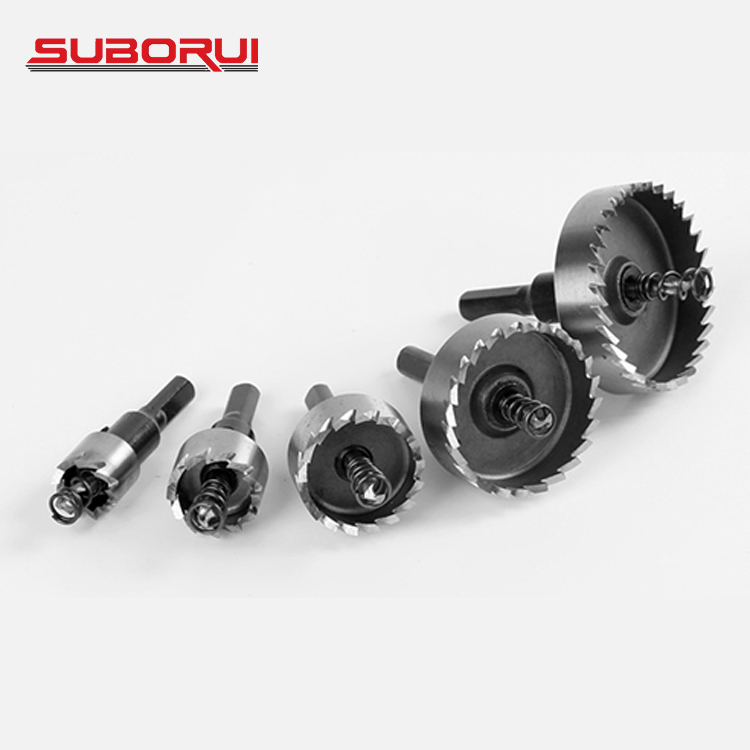
BORUI 12-80MM Hole Saw Drill Bit Set HSS Hole Cutter for Stainless Steel, Metal, Iron, Wood With Plastic Box
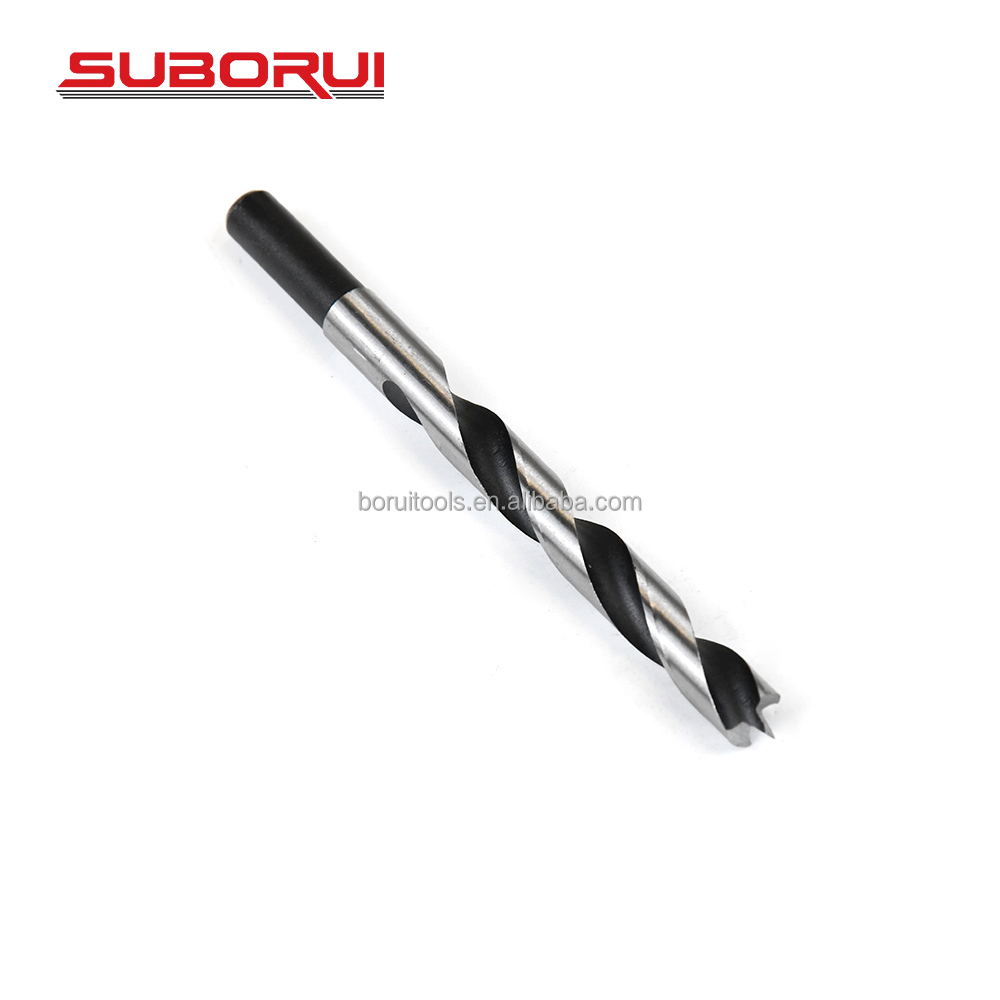
Brad Point Drill Bit for Woodworking Clear Edge Carbon Steel Wood 4mm 6mm Straight Shank Twist Wood Drill Bit
Engineering Whitepaper: Sourcing High Speed Steel Twist Drills from China
In modern industrial machining, metal fabrication, and tool assembly, High Speed Steel (HSS) twist drill bits remain the indispensable workhorse across global workshops, construction jobsites, and automated CNC production cells. As industrial procurement heads, category managers, and private-label distributors navigate the vast manufacturing ecosystem in China—specifically within the Danbei Town tool cluster of Danyang, Jiangsu—distinguishing between commercial-grade promotional items and precision-engineered industrial cutting tools requires deep metallurgical and manufacturing transparency.
The performance of an HSS twist drill bit is dictated by four critical pillars: raw material chemical composition, heat treatment microstructure integrity, CNC flute grinding precision, and advanced surface vapor deposition coatings. Sourcing directly from an integrated factory rather than an export intermediary ensures that dimensional tolerances conform strictly to DIN 338, DIN 340, DIN 1897, or ASME/ANSI B94.11M standards, preventing radial runout failures, workpiece gouging, and premature catastrophic fracturing.
Metallurgical Grade Comparison for OEM Drill Bit Specifications
Choosing the appropriate high-speed steel substrate is the single largest determinant of unit cost, wear rate, and thermal red-hardness. Professional tool brands must align their alloy specification with target end-user applications:
| Steel Grade | Composition (Key Elements) | Tempered Hardness (HRC) | Thermal Threshold | Recommended Target Substrates |
|---|---|---|---|---|
| HSS 4241 | W: 1.5-2.0%, Mo: 1.0-1.5%, Cr: 3.8-4.4%, V: 0.8-1.2% | 60 - 62 HRC | ≤ 500°C | Soft structural steel, low-carbon iron, aluminum extrusions, wood, PVC, DIY consumer sets. |
| HSS 4341 | W: 3.8-4.4%, Mo: 2.8-3.3%, Cr: 3.8-4.4%, V: 1.2-1.5% | 62 - 64 HRC | ≤ 540°C | General maintenance, automotive sheet metal, mild alloy steels, medium duty hardware distribution. |
| HSS M2 (6542) | W: 6.0-6.5%, Mo: 4.8-5.3%, Cr: 3.8-4.4%, V: 1.7-2.1% | 63 - 65 HRC | ≤ 600°C | Standard professional engineering steel, die casting alloy, cast iron, carbon tool steels up to 900 N/mm². |
| HSS M35 (Co 5%) | W: 6.0-6.5%, Mo: 4.8-5.3%, Co: 4.8-5.2%, V: 1.8-2.2% | 65 - 67 HRC | ≤ 650°C | Stainless steel (304, 316, 316L), titanium alloys, high-tensile structural beam steel, heat-resistant alloys. |
| HSS M42 (Co 8%) | W: 1.2-1.8%, Mo: 9.0-10.0%, Co: 7.8-8.5%, V: 1.0-1.3% | 67 - 69 HRC | ≤ 680°C | Hardened aerospace steels, Inconel, tool steels above 35 HRC, bi-metal hole saws, heavy-duty production drilling. |
Flute Geometry & Manufacturing Methodologies: Fully Ground vs. Roll Forged
Procurement specialists must specify the manufacturing route in their RFQ (Request for Quotation). In China's cutting tool factories, two primary forming methods are utilized:
Fully Ground (HSS-G)
The flutes, margins, and point are precision-ground from a solid hardened blank on 5-axis CNC grinding machines using CBN (Cubic Boron Nitride) wheels. Delivers exceptional concentricity (concentric runout within ≤ 0.03mm), precise relief angles, razor-sharp cutting edges, and swift swarf evacuation. Crucial for automated production lines and professional tool brands.
Roll Forged / Edge Ground (HSS-R)
Hot-rolled through induction heating coils and helical forming dies. The fiber structure of the steel follows the flute twist, yielding high torsional flexibility and shatter resistance under hand-held drill misuse. While economical for high-volume retail packs, radial runout tolerances are wider compared to CNC ground tooling.
Point Angle Engineering
Traditional 118° points require a center punch and suffer from initial drill walking. Modern industrial supply demands a 135° Split Point (DIN 1412 Form C) that self-centers instantly, reduces thrust force by 40%, eliminates wander on curved pipe surfaces, and allows rapid penetration without pre-punching.
Future Sourcing & Procurement Trends in Cutting Tools (2025–2030)
The global high-speed steel cutting tool market is undergoing structural shifts driven by automation, changes in workpiece materials, and international supply chain realignment. B2B buyers must adapt their procurement strategies to remain competitive:
1. PVD Multi-Layer Nanocoatings
Traditional black oxide (steam tempering) and single-layer TiN (Titanium Nitride) coatings are transitioning toward high-performance PVD multi-layer nanocoatings such as TiAlN (Titanium Aluminum Nitride), AlCrN, and DLC (Diamond-Like Carbon). TiAlN forms an aluminum oxide passive barrier under friction heat (above 800°C), drastically improving tool life during dry or MQL (Minimum Quantity Lubrication) metal cutting.
2. Quick-Change Hex & Impact-Ready Shanks
With the rapid rise of brushless high-torque cordless impact drivers on construction sites, demand for traditional round straight shank twist drills is pivoting toward 1/4" (6.35mm) quick-change hex shanks. Sourcing requires strict torsional zone dampening to prevent hex shank shear fracture under rapid impact cycling.
3. Shift Toward High-Cobalt & Powder Metallurgy (PM-HSS)
As automotive, marine, and construction industries adopt higher yields of duplex stainless steel, weathering steel (Corten), and aerospace structural alloys, standard M2 drills encounter severe work-hardening failure. Procurement teams are upgrading standard catalogs to 5% Cobalt (M35) as standard baseline inventory and integrating Powder Metallurgy HSS for extreme wear resistance.
4. Sustainable Green Heat Treatment & Salt Bath Phaseout
Environmental regulations in China have phased out outdated cyanide and barium salt-bath furnaces. Modern tier-1 factories have transitioned to computer-controlled multi-chamber vacuum quenching furnaces with high-pressure nitrogen gas quenching. This ensures clean, non-decarburized bit surfaces, uniform core hardness, and zero hazardous chemical discharge.
5. Automated Optical Runout Inspection
Tier-1 OEMs now deploy 100% automated in-line laser and optical CCD inspection stations. Instead of manual micrometer spot checking, every batch undergoes digital verification for flute helix symmetry, lip height equality, web taper thickness, and total indicator reading (TIR) runout before laser etching and packaging.
6. Smart Private-Label Modular Packaging
Distributors require customized private-label solutions: indexed shatter-resistant ABS/TPE rubberized cassettes, anti-corrosive VCI storage tubs, metal industrial cases, and zero-plastic blister packaging to comply with evolving European packaging waste directives (PPWR).
Factory Strengths: Why Top Global Tool Brands Partner with Us
Established in March 2007 in Danbei Town, Danyang, Jiangsu—the premier hardware tool cluster in China—our manufacturing complex spans over 12,000 square meters and houses dedicated, temperature-regulated workshops for HSS twist drills, annular broach cutters, wood bits, and hole saws. We do not operate as an export trading office; we control every step of tool metallurgical transformation under one roof.
Intertek Onsite Audit
Production capacity, legal compliance, and QA/QC management verified onsite by Intertek Group with audit reports accessible to overseas sourcing teams.
High-Tech Enterprise
Recognized as an official High-Tech Enterprise of Jiangsu Province since 2019, holding multiple proprietary utility patents in flute grinding and heat treatment.
OEM Brand Heritage
Extensive manufacturing expertise serving global retail and industrial tool powerhouses across Germany, the USA, Switzerland, and Sweden.
Massive Scale & Fast Cycles
Producing over 90 million cutting units annually—including 50M wood bits and 25M twist drills—ensuring rapid container shipping and scale pricing.
Frequently Asked Sourcing Questions
Direct technical and commercial answers addressing common bottlenecks in importing HSS cutting tools from China.
How does your factory verify the chemical composition of HSS raw materials?
What are the Minimum Order Quantities (MOQ) for custom OEM branding?
How is radial runout (TIR) and drilling concentricity tested?
What is the difference between Steam Oxide, TiN, and Amber (Bronze) finishes?
Can you match custom dimensions, split point angles, and shank styles?
How are shipments packed to prevent oxidation during ocean freight?
Ready to Upgrade Your Cutting Tool Supply Chain?
Connect with our technical sales engineers for factory-direct price schedules, custom OEM private label inquiries, or physical prototype evaluations.
Get a Quote