High-Precision Cutting, Milling & Drilling Portfolio
Manufactured under rigorous ISO 9001 quality systems and tested for dynamic balance, shear resistance, and thermal tolerance across dense hardwoods, steel composites, and abrasive masonry.
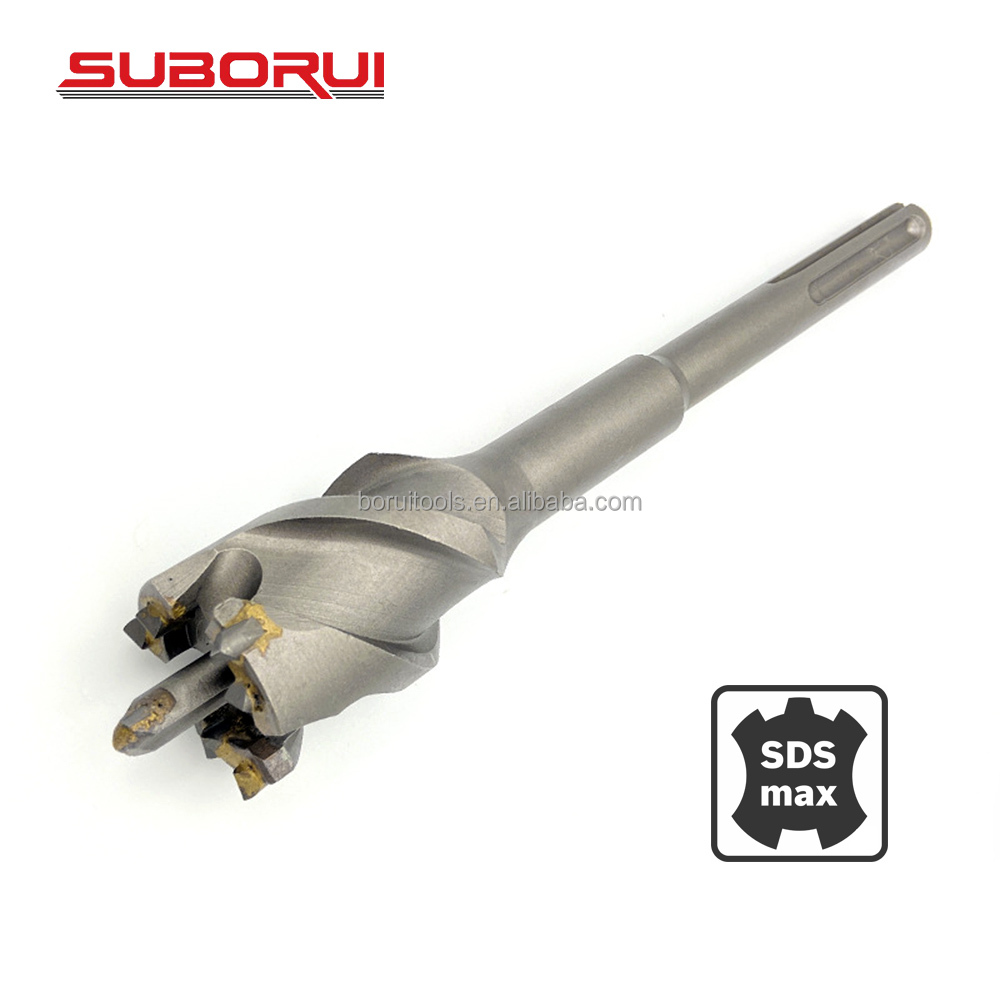
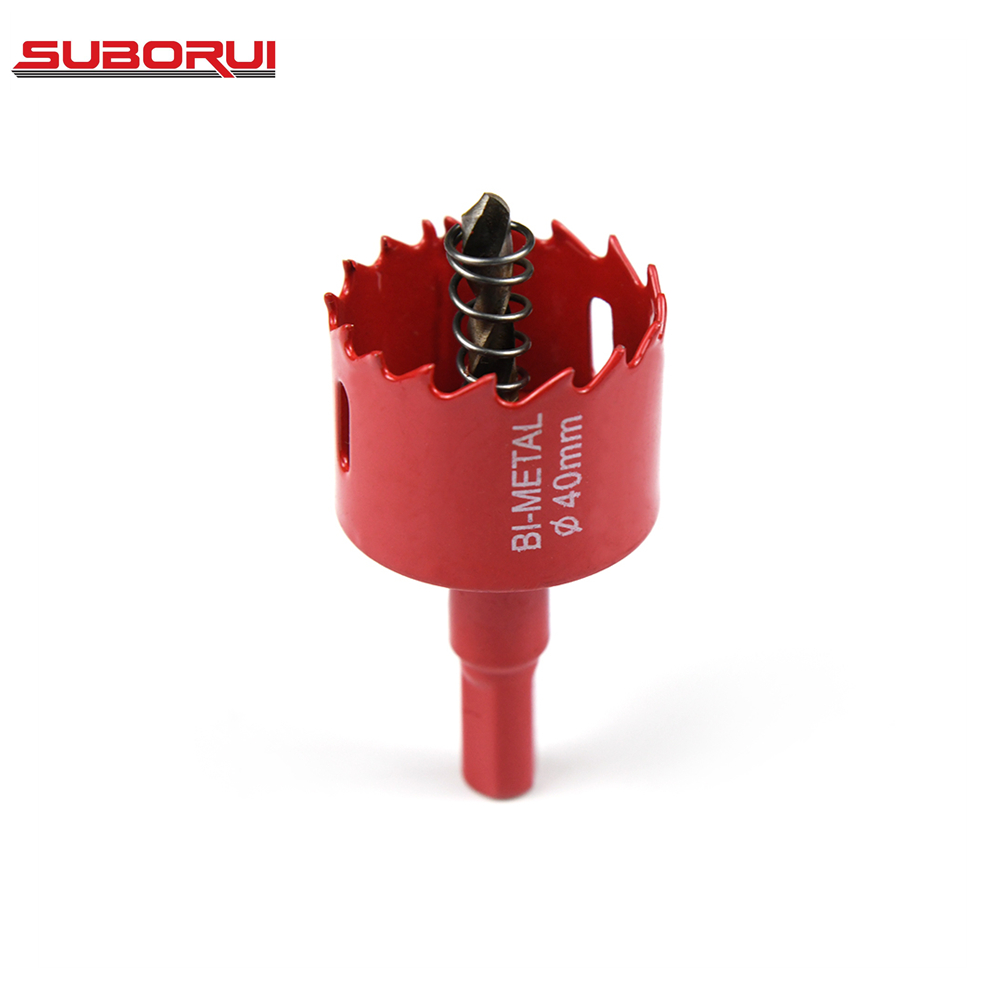
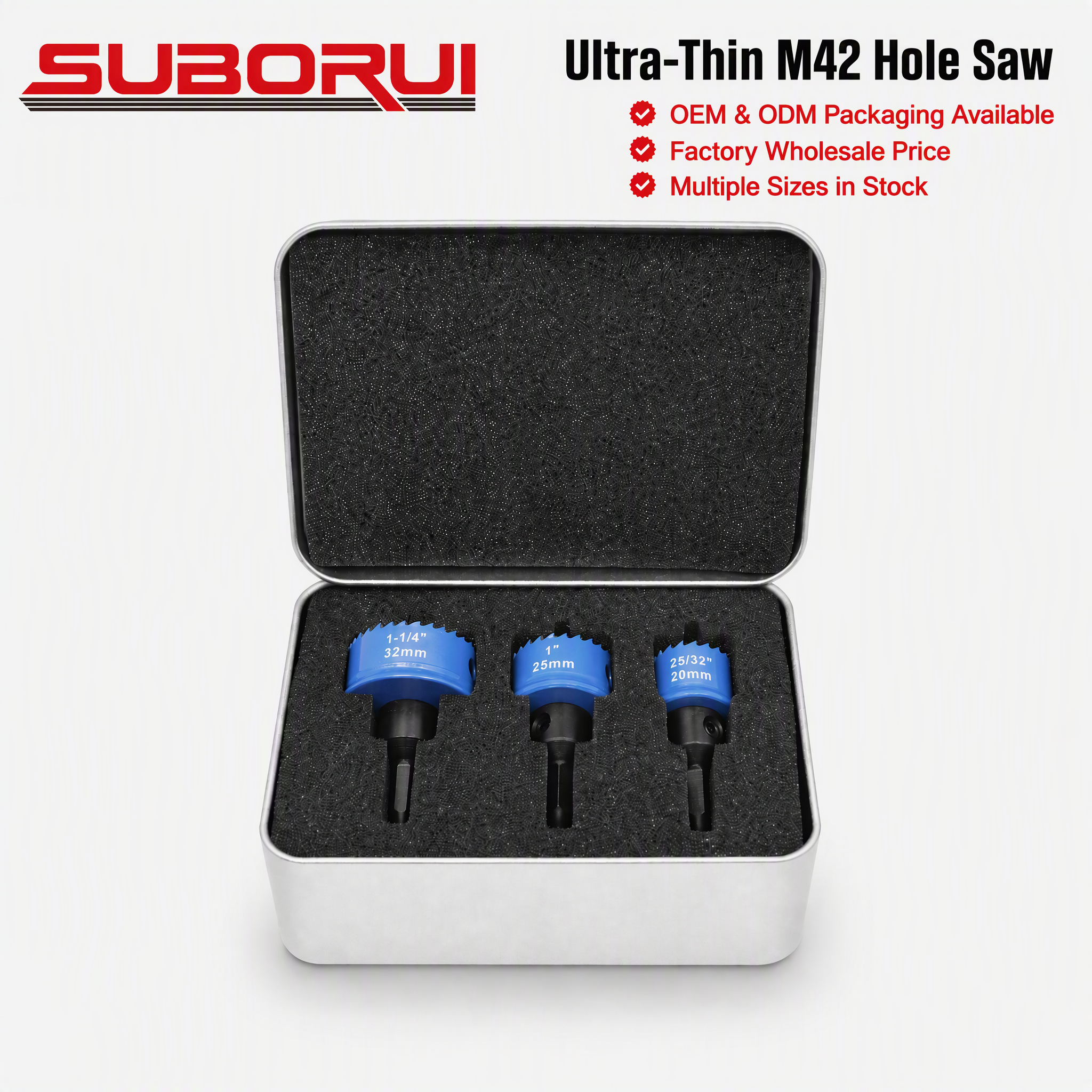
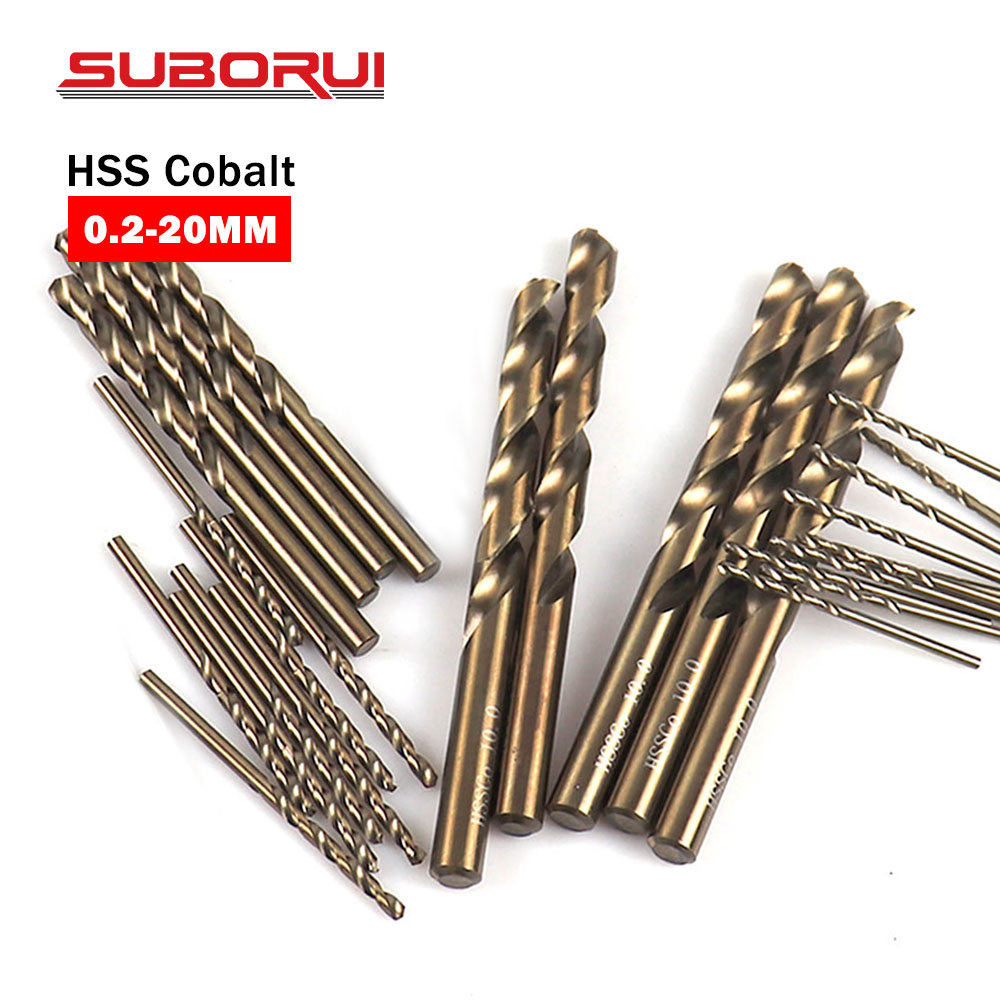
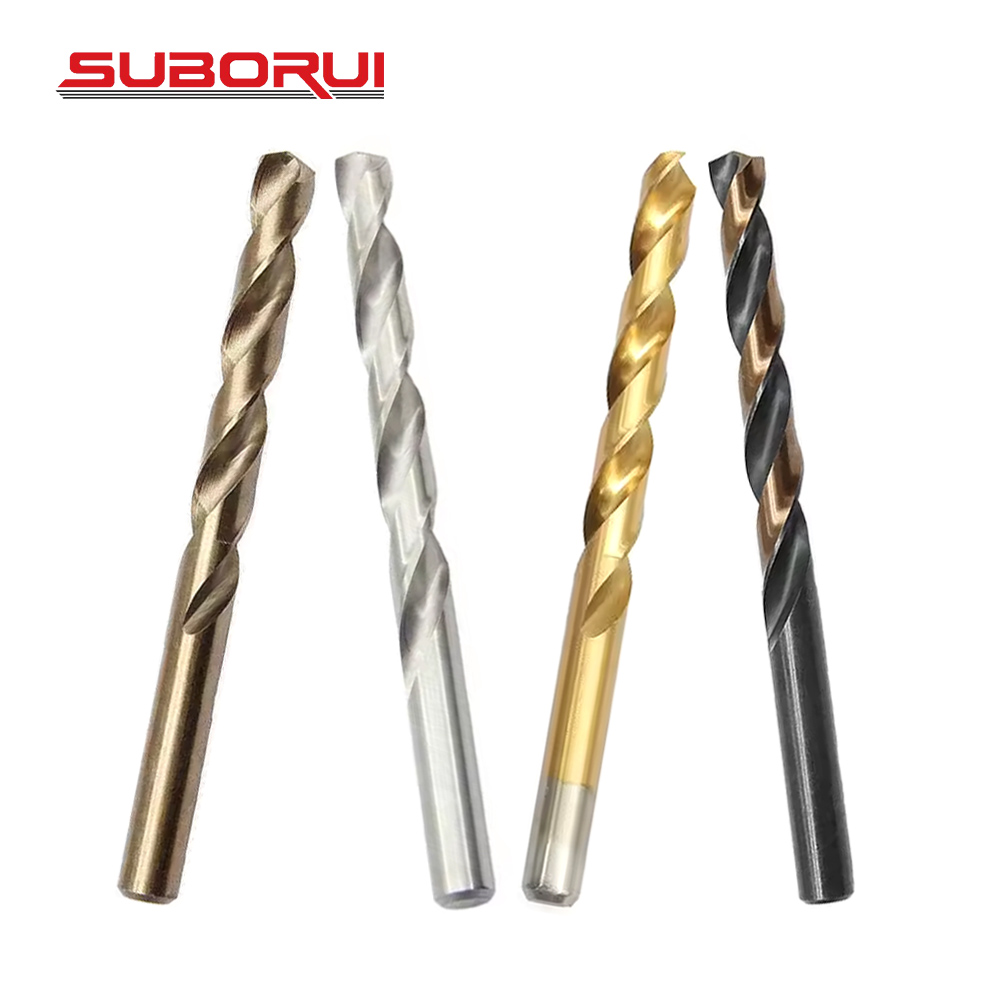
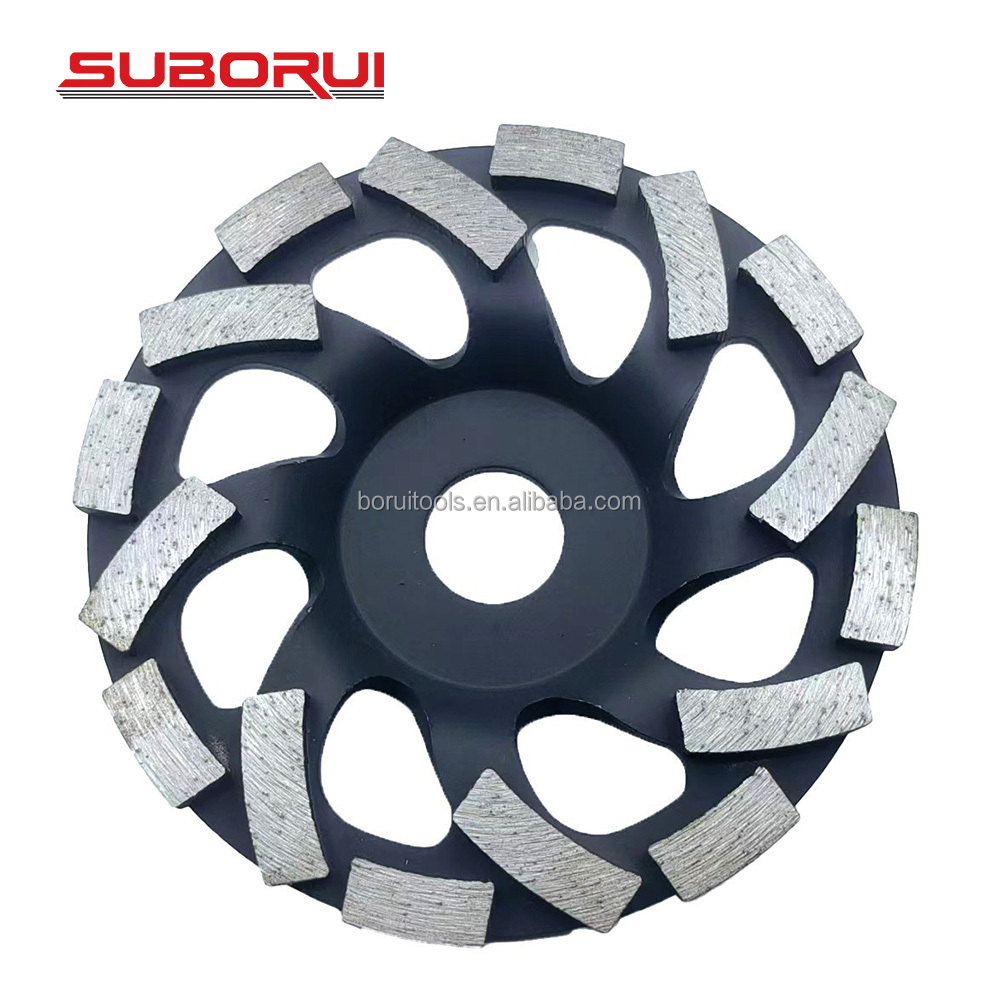
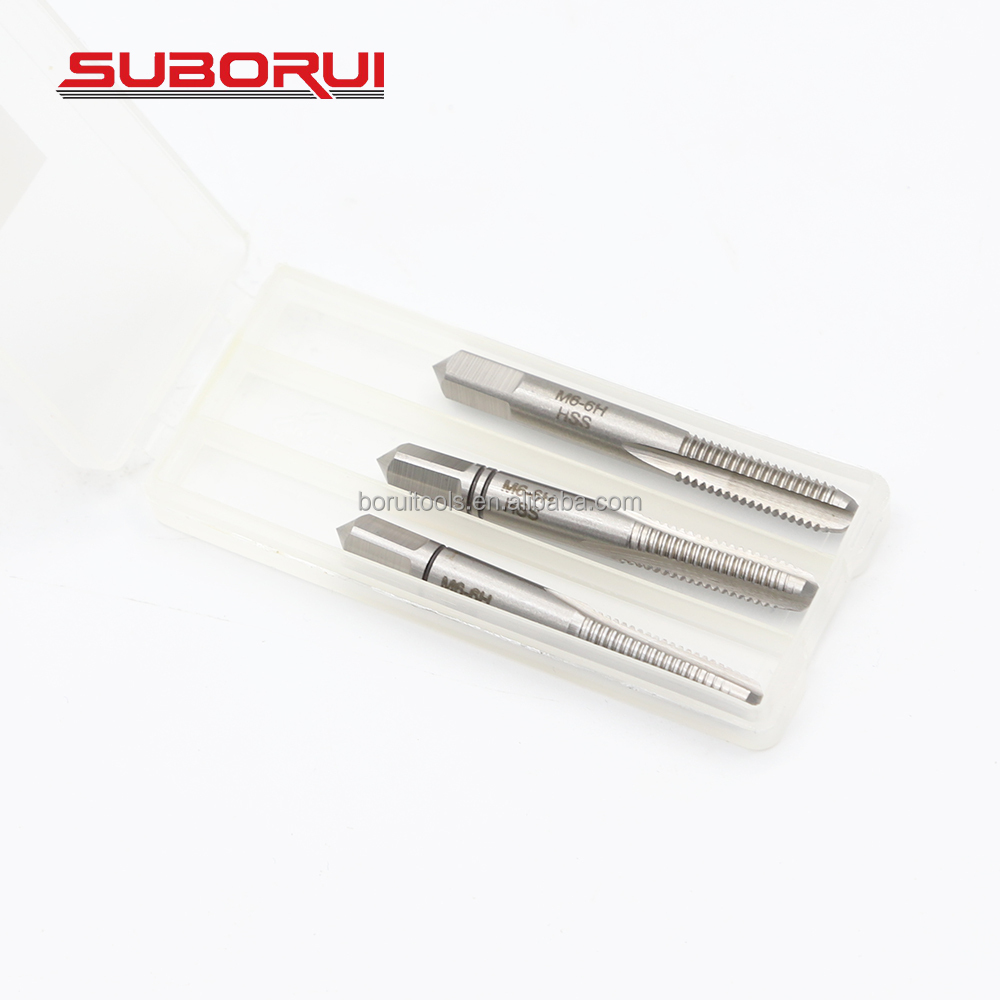
Engineering Top-Tier Wood Router Bits: Substrate Science & CNC Geometry
The manufacturing ecosystem for industrial woodworking and rotary tooling in China has undergone a systemic paradigm shift. Global procurement teams from Europe, North America, and Australia no longer source strictly on basic unit-cost economics; they demand strict compliance with ISO 9001 quality criteria, tight geometric runout tolerances, and sub-micron tungsten carbide grade stability. As automated CNC nesting machines, five-axis machining centers, and high-feed industrial routers dominate contemporary mass-timber, cabinet, and furniture production, cutting bits face extreme mechanical stresses: high rotational speeds exceeding 24,000 RPM, severe abrasive friction from resin-bonded composite panels (MDF, HDF, OSB, and particleboard), and cyclic thermal shock.
To manufacture wood router bits capable of operating across these demanding environments without chipping, burning, or premature flank wear, top Chinese manufacturers implement strict metallurgical controls starting at the virgin tungsten powder stage. Micro-grain and sub-micron grain tungsten carbide (WC) combined with a cobalt (Co) matrix ranging precisely between 6% and 12% establishes the required balance between fracture toughness (transverse rupture strength > 2,800 N/mm²) and hot hardness (HRA 91.5 to 93.5).
Sub-Micron Substrate Selection
Utilizing virgin micro-grain WC particles (grain size 0.5–0.8 µm) bonded with ultra-pure cobalt. Prevents edge crumbling under high-impact routing in knotted timber and abrasive phenolic surfaces.
5-Axis CNC Flute Grinding
Ground on multi-axis Swiss and German CNC tool grinders using resin-bonded diamond wheels. Delivers mirror-polished chip flutes with surface finishes below Ra 0.2 µm for continuous chip evacuation.
Dynamic Spindle Balancing
Every industrial router bit shank is precision-turned to h6 tolerance and dynamically balanced according to ISO 1940 G2.5 standards, eliminating chatter marks and extending machine spindle bearing lifespan.
| Tool Material Classification | Hardness Rating (HRA / HRC) | Transverse Rupture Strength | Target Substrates | Service Life vs. HSS Base |
|---|---|---|---|---|
| Standard Tungsten Carbide (YG6 / YG8) | 89.5 – 91.0 HRA | 2,200 – 2,400 N/mm² | Softwoods, Natural Timber, Plastics | 6x – 8x Life |
| Sub-Micron Solid Carbide (K10 – K20) | 92.0 – 93.5 HRA | 2,800 – 3,200 N/mm² | Hardwoods, MDF, HDF, Plywood, Acrylic | 15x – 20x Life |
| PVD TiAlN / AlTiN Coated Carbide | 3,300 HV Surface Hardness | 3,000 N/mm² Core | High-Pressure Laminate, Solid Surface, Corian | 25x – 30x Life |
| Polycrystalline Diamond (PCD) Tipped | > 94 HRA / 7,000 HV | High Shock Toughness | Automated CNC Nesting, High-Glues Fibers | 50x+ Life |
Future Sourcing & Procurement Trends (2025–2030)
How international hardware distributors, B2B wholesale importers, and industrial millwork suppliers are restructuring their rotary tool supply chains for increased margins and quality certainty.
1. Direct Source Consolidation
Distributors are moving away from multi-tier trading brokers, consolidating directly with authentic manufacturing plants in Danyang and the Jiangsu tool cluster to capture a 20–35% margin advantage.
2. Transition to Solid Carbide
Market demand is migrating rapidly from traditional brazed-tip router bits toward solid carbide spiral compression bits that facilitate clean dual-side cutting without veneer delamination in CNC nesting lines.
3. Full Third-Party Auditing
International buyers now require audited production verification, prioritizing factories verified onsite by testing organizations like Intertek for manufacturing capability, environmental compliance, and worker safety.
4. Turnkey Private Labeling
Procurement teams demand localized retail readiness directly at the OEM factory gate: laser-etched shanks with custom logos, barcode encoding, custom clamshells, and durable indexing cases.
Next-Generation Router Bit Engineering & Manufacturing Trends
The cutting tool industry is continuously advancing alongside the proliferation of automated high-speed CNC routers and robotic fabrication cells. To prevent thermal degradation and edge attrition at spindle speeds reaching 30,000 RPM, modern router bit manufacturing has evolved far beyond standard brazing and manual sharpening.
Advanced Physical Vapor Deposition
Next-gen nanocomposite coatings such as Titanium Aluminum Nitride (TiAlN) and Diamond-Like Carbon (DLC) provide a thermal oxidation barrier up to 900°C. This allows dry, coolant-free routing in synthetic boards and solid resins while drastically reducing resin buildup.
Variable Pitch & Up/Down Compression Flutes
By engineering complex compression flute geometries where top spirals push chips downward and bottom flutes shear upward simultaneously, manufacturers achieve chip-free edge quality on both faces of double-sided melamine and laminated boards.
Induction Brazing with Silver-Copper-Silver Foil
For brazed carbide bits, modern factories deploy computerized multi-axis high-frequency induction brazing with tri-foil sandwich solder. This absorbs mechanical shock and prevents microscopic fracture propagation between the carbide tip and 40Cr alloy steel tool body.
Enterprise Advantages: The Jiangsu WRD Tools Infrastructure
Operating as a premier direct cutting tool manufacturing facility in Danyang, Jiangsu, WRD Tools integrates complete metallurgical processing, heat treatment, and precision CNC milling under one audited roof.
Integrated Tool Production
From raw bar cutting and controlled atmosphere vacuum/salt-bath hardening to multi-axis flute grinding, every manufacturing phase is kept internal to guarantee repeatable concentricity.
High-Tech Enterprise Status
Recognized as an official High-Tech Enterprise of Jiangsu Province since 2019, holding extensive patents in cutting geometry, step drills, and fatigue-resistant shank configurations.
Verified Tier-1 OEM History
Proven production track record supplying rotary cutting tools, bits, and saws to leading international retail and professional brands across Germany, North America, Switzerland, and Sweden.
End-to-End QA Inspection
Every production lot undergoes rigorous metallurgical testing: Rockwell hardness testing, optical profile projection, dynamic spin testing, and live work-piece routing performance checks.
Frequently Asked Questions for B2B Importers & Sourcing Managers
Clear, technical answers to critical sourcing considerations regarding minimum order quantities, private labeling, material selections, and factory compliance.
Q1: What are the standard Minimum Order Quantities (MOQs) for OEM custom orders?
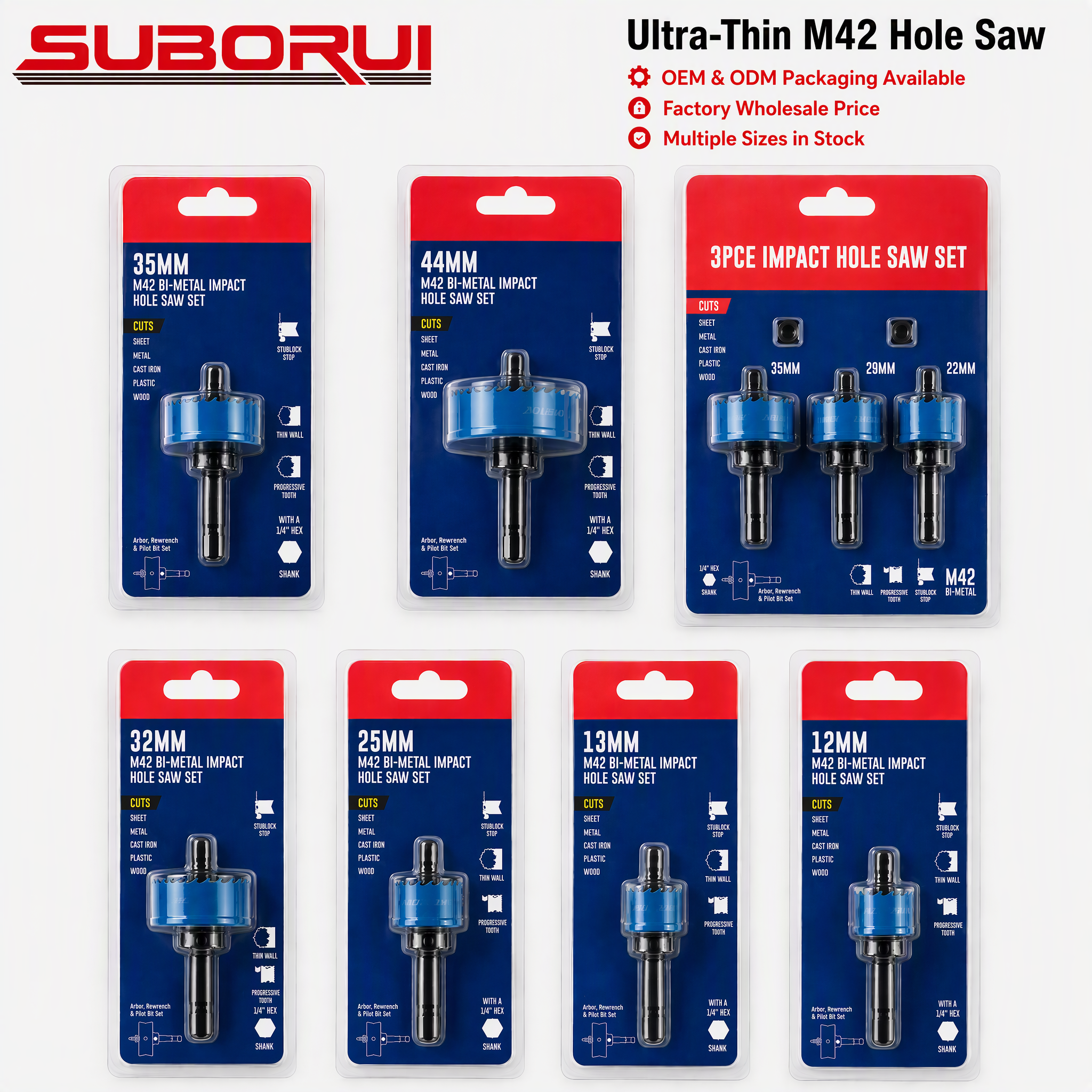
MOQs depend directly on product complexity. For standard size router bits, twist drills, and hole saws with existing tooling, single-item MOQs typically start at 100 to 500 pieces. For custom packaging sets, branded index cases, or non-standard metric/imperial tool geometries, production runs usually start from 1,000 to 1,200 sets.
Q2: How do you verify carbide quality and prevent chipping during heavy hardwood routing?
Our quality control begins with raw material verification. We use certified sub-micron tungsten carbide stock and inspect density, grain consistency, and hardness (HRA). Flute grinds are performed with water-cooled diamond wheels to prevent micro-cracking caused by heat, followed by 100% optical runout verification under 50x magnification.
Q3: Can you produce custom profiles based on engineering CAD drawings or physical samples?
Yes. Our engineering R&D center operates fully integrated CAD/CAM modeling. Clients provide 2D/3D drawings (STEP, DWG, DXF) or physical profile samples. We produce pre-production prototypes within 10 to 14 business days, followed by live routing testing in your target wood species before volume manufacturing commences.
Q4: What is the difference between solid carbide, carbide-tipped, and bi-metal cutting tools?
Solid carbide offers maximum rigidity, razor-sharp edge retention, and highest RPM potential for CNC nesting. Carbide-tipped tools pair an economical alloy steel body (40Cr) with brazed carbide edges for larger architectural moldings. Bi-metal (like M42 with 8% cobalt) provides supreme flexibility and shatter-resistance for deep hole cutters and saws handling nail-embedded wood and structural metals.
Q5: What third-party factory certifications and audits are available for retailer onboarding?
Jiangsu WRD Tools Co., Ltd. is verified onsite by Intertek. Our production capacity, employee safety standards, and QA workflows are completely documented. Audit reports, business license certifications, ISO compliance records, and credit reports are readily accessible to expedite vendor onboarding for large home improvement chains and retail distributor networks.
Q6: What private-label branding and custom packaging services are supported?
We provide comprehensive OEM packaging: high-contrast fiber laser marking on tool shanks (logos, safety warnings, part numbers, rotation direction arrows), color-coded plastic storage tubes, anti-theft clamshell blister cards, blow-molded cases, and custom-printed retail master cartons ready for retail shelving.