Precision Diamond & Drilling Equipment Portfolio
Engineered to strict DIN & EN 13236 abrasive standards. Review our high-volume production configurations below for professional floor preparation, structural masonry processing, and metal fabrication.
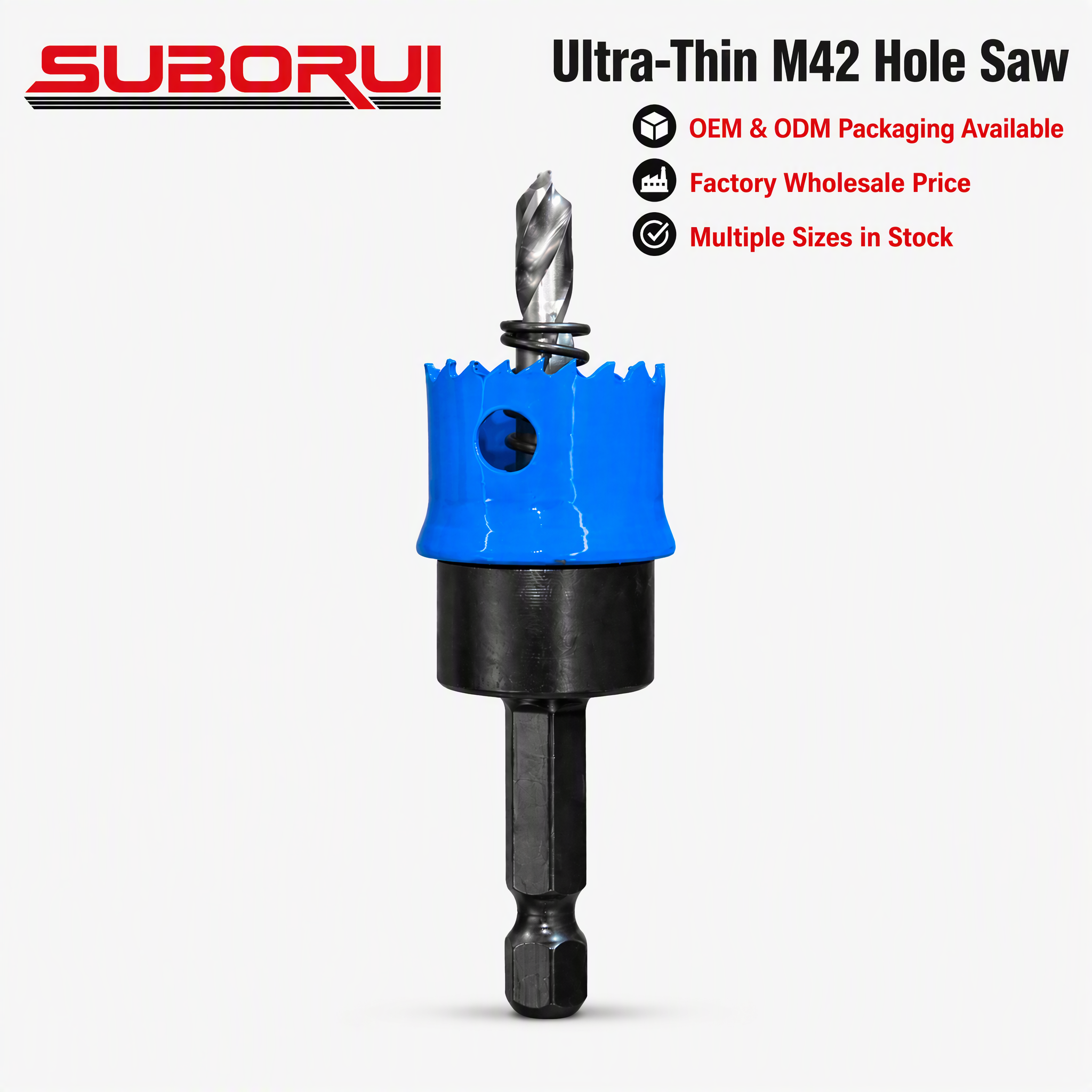
SUBORUI OEM Factory 14mm-50mm Ultra-thin Hex Shank M42 Bi-Metal Sheet Metal Hole Saw
- Matrix: 8% Premium Cobalt Alloy
- Shank: 1/4" Impact Hex Quick-Change
- Depth Capacity: Ultra-thin sheet steel
- Application: Stainless & mild metals
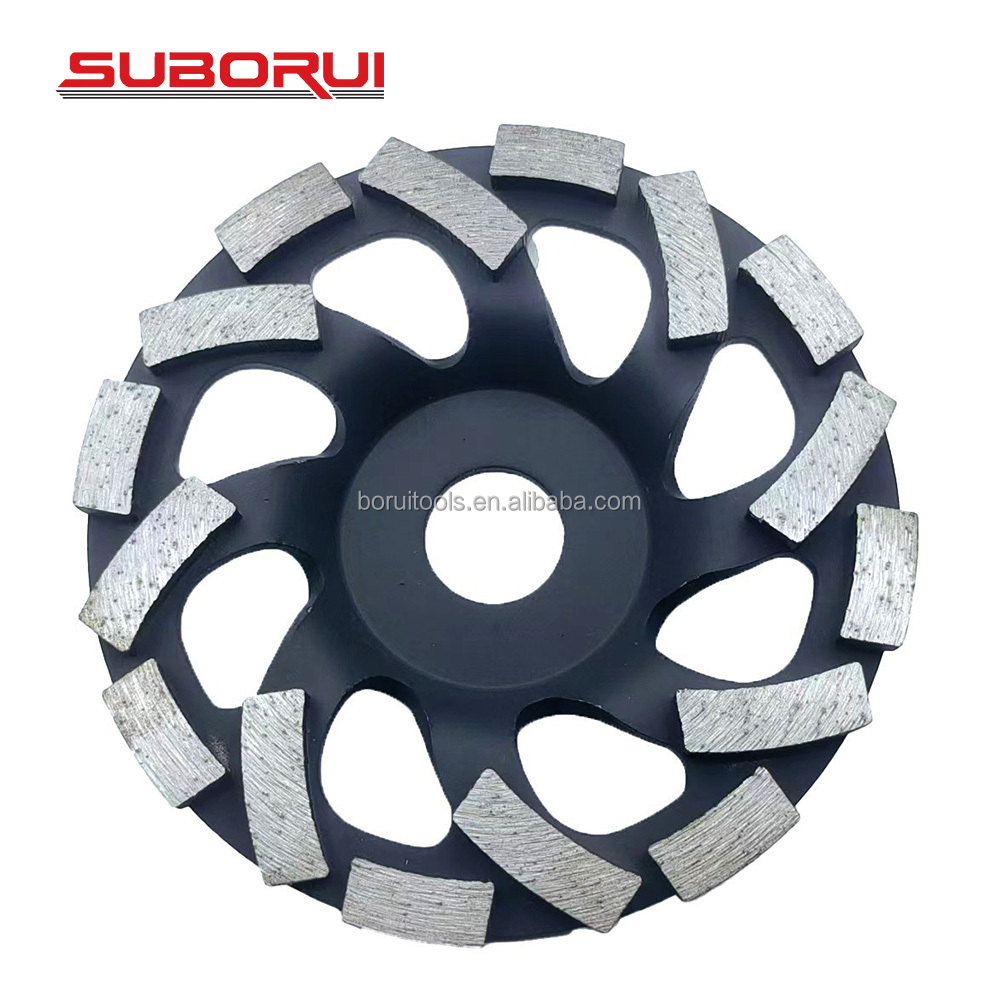
SUBORUI Factory Direct 125mm Fine Abrasive Segmented Cup Diamond Grinding Disc
- Bore/Arbor: 22.23mm / M14 Threaded
- Segment Technology: Hot-Pressed Sintered
- Bond Hardness: Medium / Soft Concrete Bond
- Balancing: Dynamic ISO 1940-1 Class G6.3
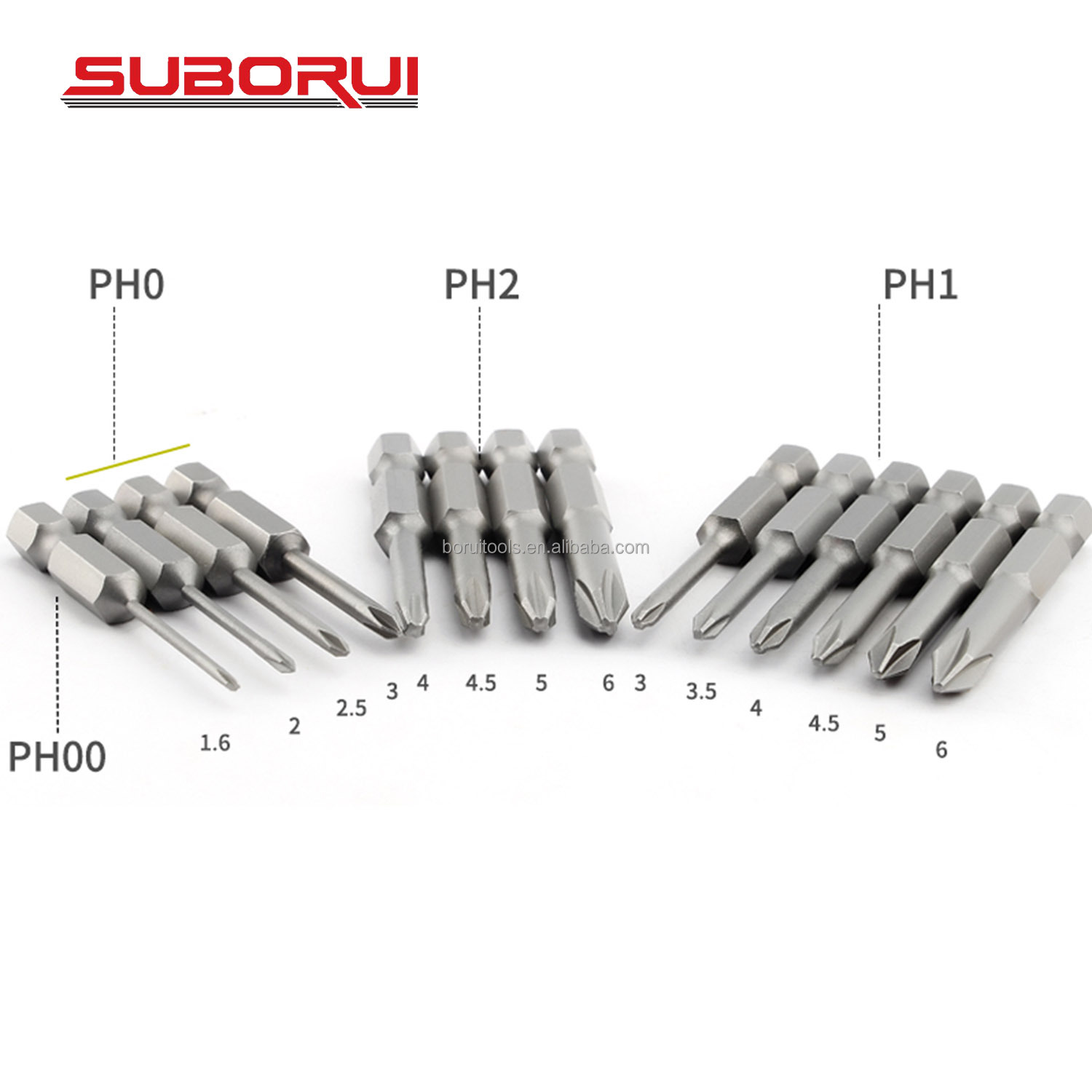
SUBORUI 50mm Length Cross S2 Short Magnetic Electric Screwdriver Bit Set
- Steel Grade: S2 Shock-Resistant Steel
- Hardness: HRC 58-62 Cryo-treated
- Torque Feature: High Torsion Zone
- Magnetism: Neodymium Core Concentrated
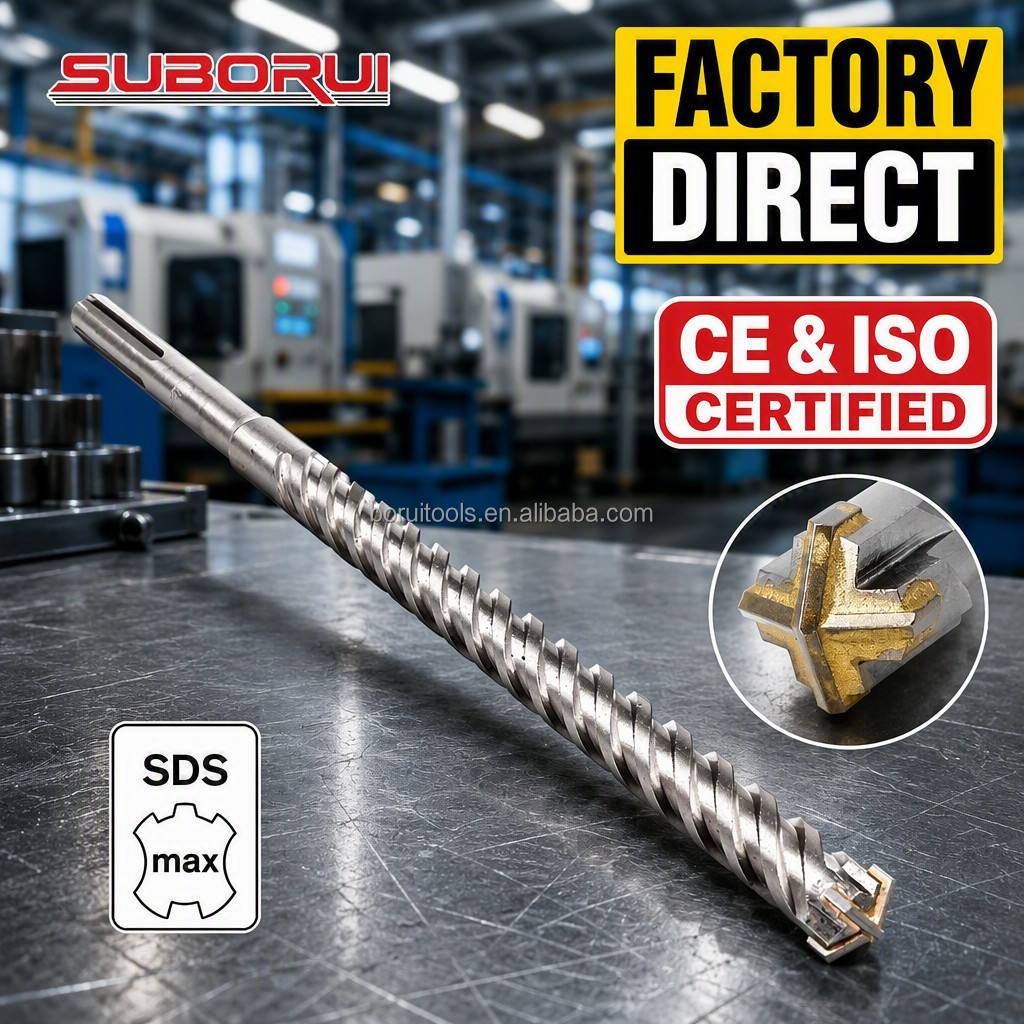
SUBORUI OEM 280mm-600mm SDS Max Cross Carbide Tipped Rotary Masonry Bits
- Head Design: Solid Cross 4-Cutter Carbide
- Shank: SDS-Max Heavy Rotary Arbor
- Body Material: 40Cr Structural Steel
- Application: Rebar-reinforced concrete
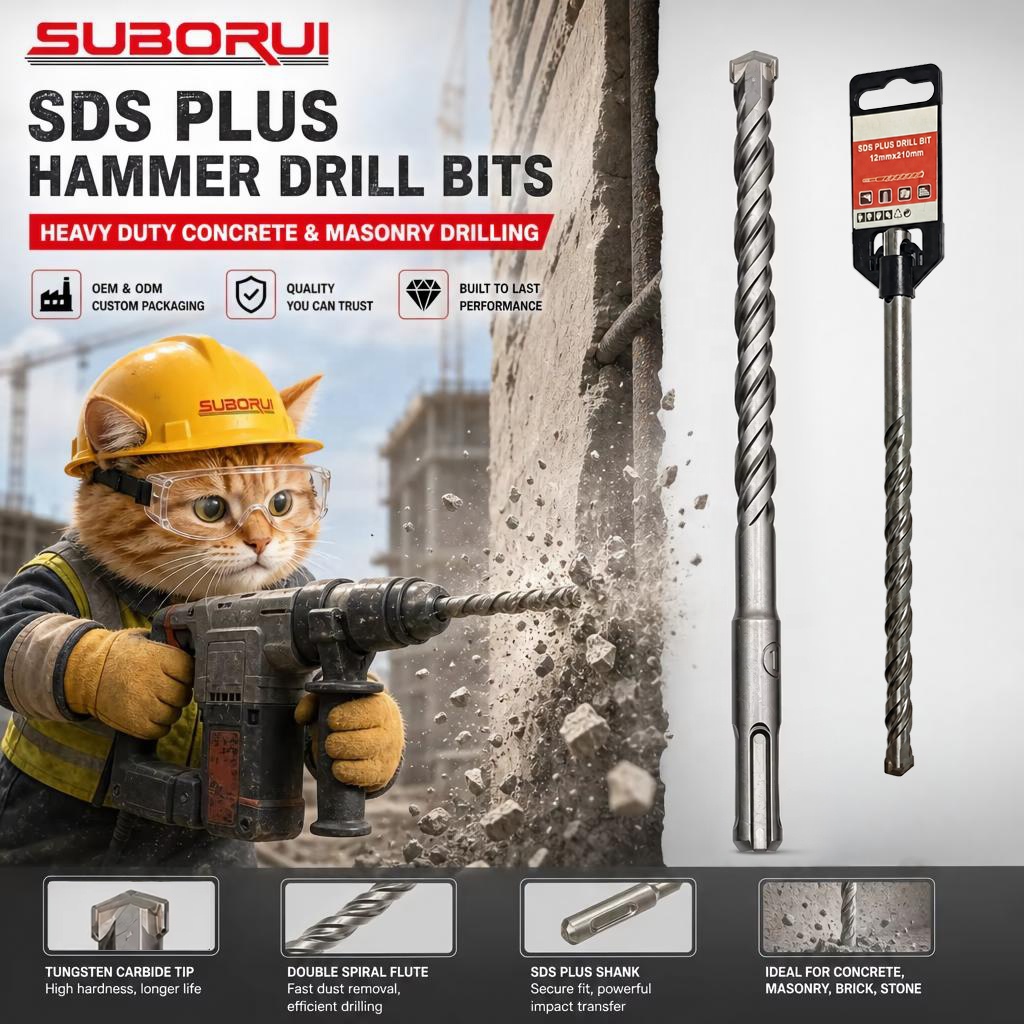
SUBORUI Wholesale 40Cr 6*110mm 4-Flute Single Carbide Tip SDS Plus Drill Bits
- Geometry: Optimized Fast Dust 4-Flute
- Carbide Tip: YG8C Micro-Grain Tungsten
- Brazing: High-Frequency Copper Vacuum
- Target: Masonry, Granite & Rock
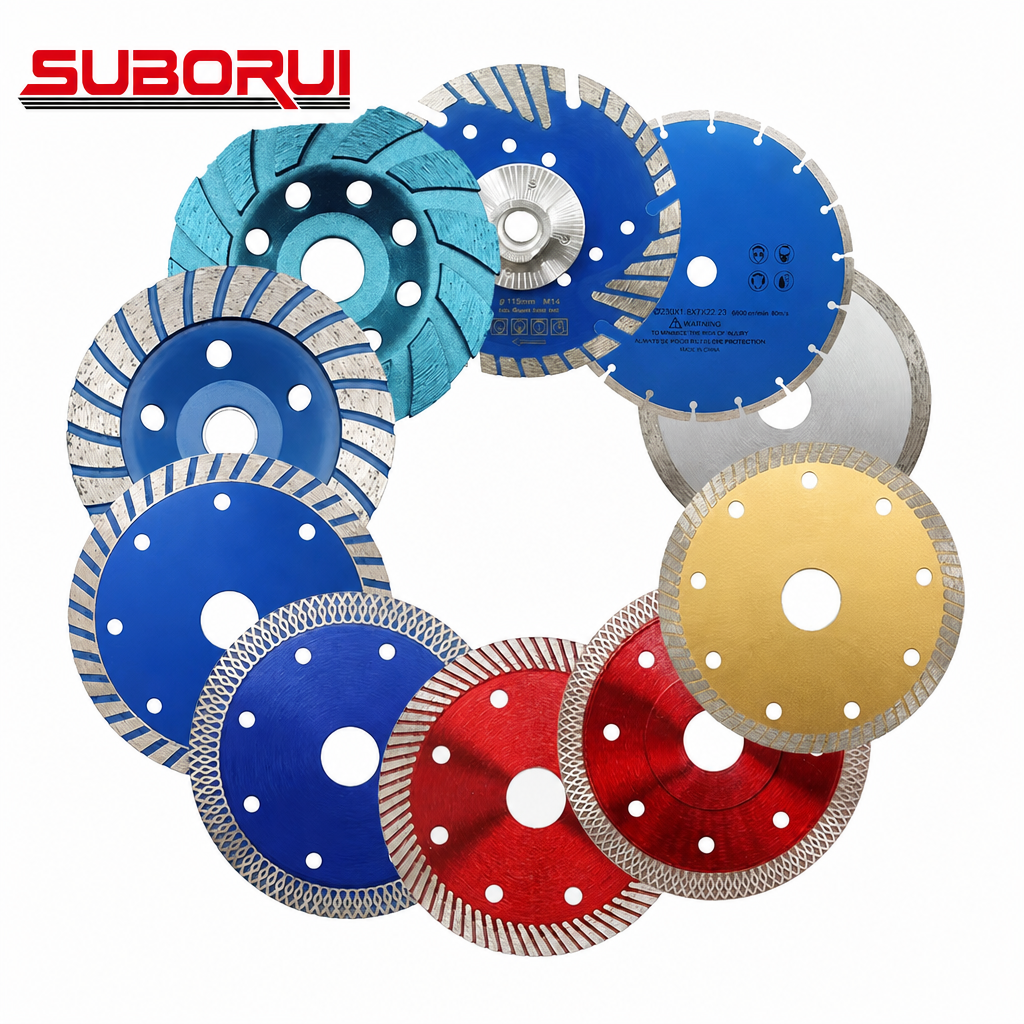
SUBORUI Super Thin Hot Pressed Net Wave Diamond Cutting Turbo Blade for Tile
- Rim Thickness: 1.2mm Ultra-Fine Kerf
- Design: Reinforced Flange Net Wave
- Cutting Action: Clean Chip-Free Dry/Wet
- Substrates: Porcelain, Sintered Slab, Tile
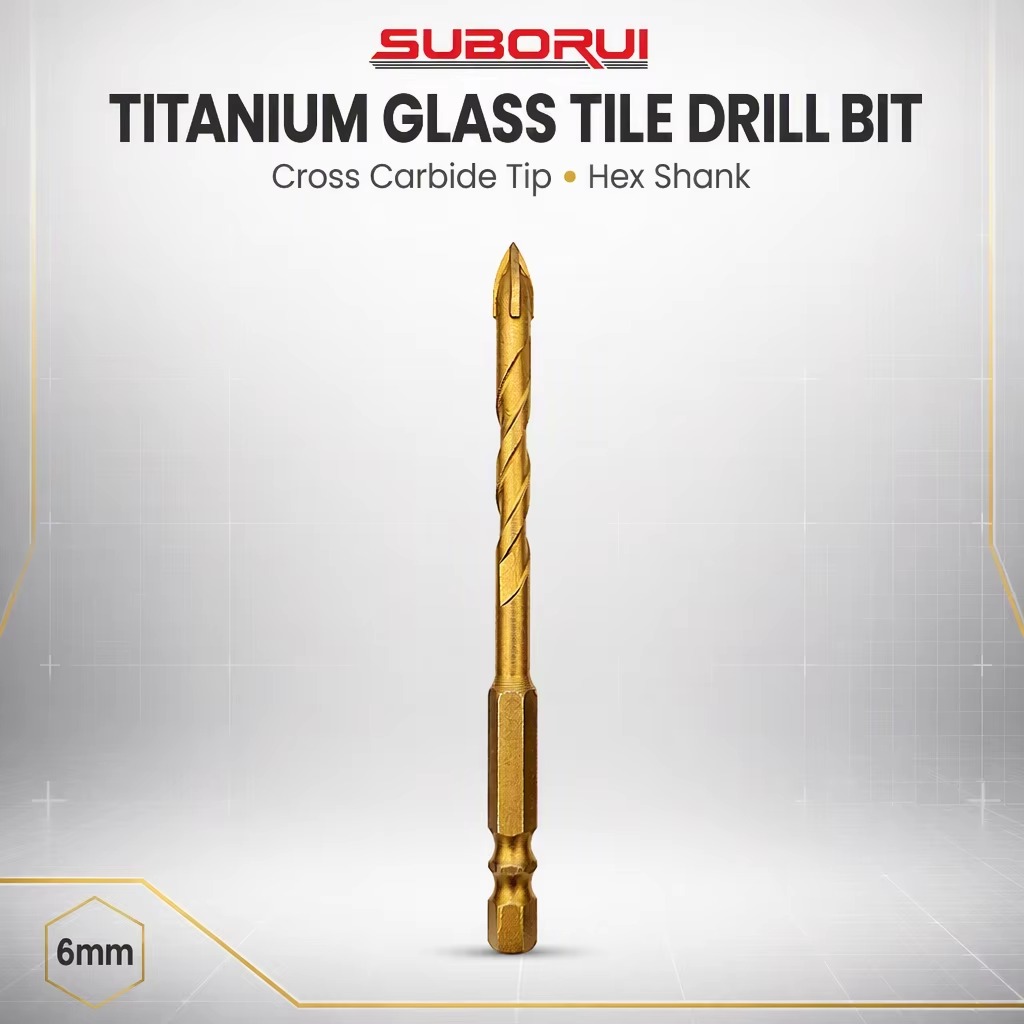
SUBORUI 6mm Titanium Cross Carbide Tip Double R Hex Shank Ceramic Tile Bits
- Coating: Titanium Nitride Anti-Friction
- Geometry: Self-Centering Spear Cross
- Shank: 1/4" Fast-Lock Hexagonal
- Target: Glass, Mirrors, Vitrified Stone
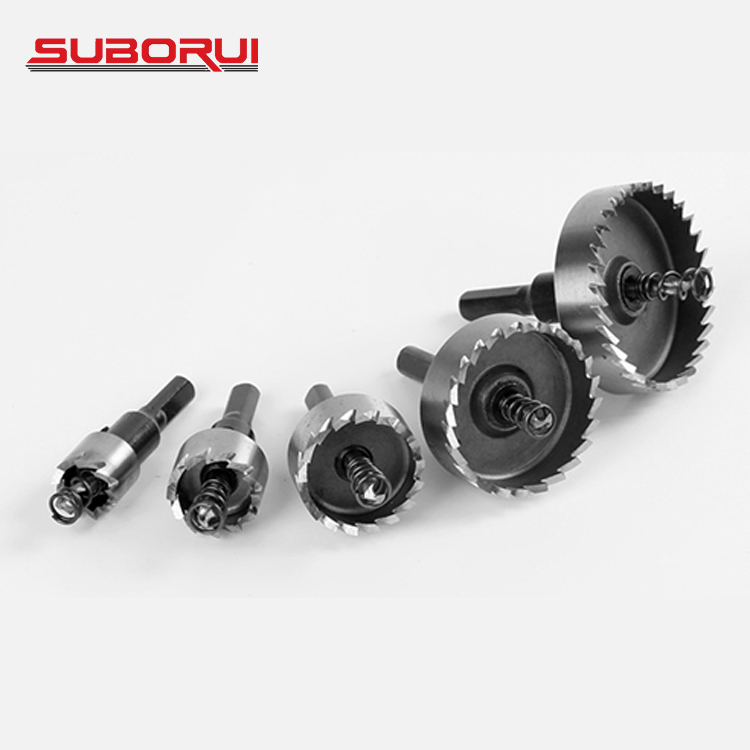
BORUI 12-80MM Hole Saw Drill Bit Set HSS Hole Cutter for Stainless Steel & Wood
- Range: 12mm up to 80mm Custom Assortment
- Tooth Hardness: HRC 64-66 Cobalt Grade
- Kit Case: Industrial High-Density Plastic
- Usage: Switchgear, Pipes, Fabrication
Concrete Grinding Disc Engineering: Bond Matrix & Tribology
For B2B procurement managers and diamond tool distributors, understanding the thermodynamic equilibrium between the metallic bond matrix and synthetic diamond friability is the single critical factor preventing premature tool failure and field glazing.
1. Metallic Matrix Sintering Dynamics
A concrete grinding cup wheel is a complex powder metallurgical composite composed of synthetic diamond monocrystals held within a sintered transition-metal binder (Cobalt, Bronze, Iron, Tungsten Carbide, and Nickel alloys). As Chinese tier-one manufacturers, we execute hot-press sintering at temperatures between 800°C and 980°C under 30–35 MPa hydraulic compression. This ensures dense matrix encapsulation without causing thermal graphitization of the synthetic diamond crystals, retaining their crystalline integrity and cutting edges under heavy abrasive shear loads.
2. The Law of Inverse Bond Selection
Surface prep operators must match bond hardness inversely to the Mohs hardness of the aggregate: Hard Concrete requires an Extra-Soft Bond (allowing rapid binder degradation to expose fresh, razor-sharp diamonds before glazing occurs). Conversely, Soft, Abrasive, or Green Concrete requires a Hard Matrix (rich in tungsten carbide and cobalt to resist excessive abrasion and prevent premature diamond release). Sourcing an incorrect matrix ratio leads directly to contractor downtime, tool burning, or excessive disc consumption.
3. Segment Morphology & Airflow Thermodynamics
Modern cup disc geometries—including Double Row, Turbo, Spiral Arrow, and PCD hybrid clusters—are engineered to serve distinct fluidic functions. During continuous dry grinding at 10,000+ RPM, segmented vortex channels pump ambient air over the grinding footprint, ejecting fine silica dust and limiting thermal transfer to the angle grinder spindle. Premium CNC laser-welded discs provide a critical safety margin over brazed discs, preventing segment detachment when hitting embedded structural rebar.
| Concrete Hardness Class | Compressive Strength (PSI / MPa) | Predominant Aggregate Mineral | Optimal Bond Metal Formulation | Diamond Grit Selection |
|---|---|---|---|---|
| Extra Hard | > 6,000 PSI / > 42 MPa | Basalt, Flint, Chert, Quartzite | Extra Soft (High copper/bronze, low cobalt) | 16 / 20 / 30 Grit coarse |
| Standard Hard | 4,500 – 6,000 PSI / 30 – 42 MPa | Granite, Traprock, River Gravel | Soft Bond (Balanced copper & cobalt-iron) | 30 / 40 Grit medium |
| Medium Hard | 3,000 – 4,500 PSI / 20 – 30 MPa | Limestone, Crushed Dolomite | Medium Universal Bond (Standard alloy) | 40 / 60 / 80 Grit intermediate |
| Soft / Abrasive | < 3,000 PSI / < 20 MPa | Sandstone, Light Volcanic Aggregates | Hard / Super Hard (High WC / nickel-cobalt) | 80 / 120 Fine prep |
| Epoxy / Thick Mastic | Surface Membrane Coated | Polyurethane, Thick Glues, Resins | PCD (Polycrystalline Diamond) Split-Tooth | Coarse Scraping Geometry |
Future Procurement & Technological Trends in Diamond Grinding
Global supply chain disruptions, occupational environmental mandates (OSHA Crystalline Silica rule), and automation in infrastructure are rapidly redefining commercial floor restoration and procurement requirements worldwide.
Trend 1: Automated Sintering & Laser Beam Micro-Welding
European and North American safety regulators are setting stricter benchmarks under EN 13236. Traditional silver-brazed discs are increasingly replaced by robotic fiber laser-welded segments. Laser welding achieves deep structural keyhole fusion directly into the steel core, providing high tensile rupture strength (> 10 MPa) and withstanding dry-cutting temperatures up to 800°C without segment delamination.
Trend 2: PCD Hybrid Segment Topographies
Contractors no longer tolerate segment glazing caused by elastic floor adhesives, elastomeric waterproof coats, or heavy industrial epoxy. The latest technological leap integrates quarter-round or full-round Polycrystalline Diamond (PCD) teeth alongside standard diamond segments. The PCD mechanically shears tough coatings like a lathe bit, while trailing diamond matrix segments level the exposed concrete substrate simultaneously.
Trend 3: Environmental Dust Mitigation & Slurry Channels
With OSHA Regulation 29 CFR 1926.1153 strictly enforced across job sites, diamond grinding disc engineering now incorporates high-vortex dust-extraction vent patterns. Chinese advanced exporters utilize aerodynamic air-flow holes that match standard vacuum shroud attachments, pulling 98.5% of airborne respirable crystalline silica (RCS) straight into HEPA extractors while preserving disc balance.
Trend 4: Cobalt Supply Chain Decoupling & Green Alloys
Due to severe raw material volatility and geopolitical ESG requirements surrounding cobalt mining, leading Chinese metallurgical laboratories are pioneering eco-friendly, cobalt-free pre-alloyed powders (iron-copper-nickel-tin solid solutions). These advanced matrices deliver comparable hardness and thermal retention while reducing raw material cost volatility for bulk OEM brand contracts.
Trend 5: OEM Customization & Quick-Change Footprints
Procurement departments are shifting away from standard 22.23mm round bore discs toward specialized quick-lock systems (M14 threaded hubs, 5/8"-11 arbors, and universal magnetic floor grinding plates such as Lavina, Redi-Lock, and Husqvarna slide systems). Exporters offering full turnkey production—including custom steel stamping, laser engraving, and custom blister pack branding—are consolidating market share.
Trend 6: Dynamic Balancing Automation (Zero-Vibration Tools)
Operator fatigue and Hand-Arm Vibration Syndrome (HAVS) regulations across the EU have made vibration-dampened tool architecture mandatory. High-end Chinese manufacturers now integrate automated CNC dynamic balancing cells. Each cup wheel is spun at 12,000 RPM, and robotic micro-milling removes unbalance to achieve ISO 1940-1 Class G6.3 tolerances, significantly extending power tool bearing life.
Jiangsu WRD Tools: 19 Years of Engineering Excellence
Established in March 2007 in Danyang, Jiangsu—the premier cutting tool and abrasive production cluster in China—Jiangsu WRD Tools Co., Ltd. operates a registered capital of RMB 10 million and modern production workshops covering over 12,000 square meters.
Intertek Onsite Audited Facility
Our premises, metallurgical testing labs, and high-frequency production lines are verified on-site by the Intertek Group. We maintain transparent quality assurance tracking for every batch, covering Rockwell hardness testing, dynamic balance verification, and tensile shear stress testing.
Provincial High-Tech Enterprise
Approved as an official High-Tech Enterprise of Jiangsu Province in 2019, our engineering hub holds numerous utility patents covering drill bit fluting geometries, diamond segment composite matrices, and low-vibration damping hubs.
Massive Capacity & Rapid Cycle Times
Operating dedicated workshops for diamond abrasive cup wheels, HSS twist drills, annular cutters, and masonry tooling, our annual capacity exceeds 90 million units. Over 150 skilled technicians ensure prompt lead times across peak construction seasons.
Trusted by Global Industry Leaders
Over nearly two decades, our OEM / ODM divisions have manufactured tools and accessories supplied to leading international hardware brands, including BOSCH, Milwaukee, DeWalt, Irwin, Makita, Dexter, KWB, Wolfcraft, Truper, and Heller.
End-to-End Vertical Quality Control
From metallurgical cold-press blanking, hot sintering, and precision robotic surface grinding to automated laser marking and private-label packaging (color boxes, blow-mold cases, skin packs), every single stage is executed under unified internal ISO9001 supervision.
Global Export Footprint & Compliance
With distribution partners across more than 20 countries—including Germany, the United States, Switzerland, Sweden, Brazil, and Japan—our abrasive solutions comply fully with CE directives, REACH regulations, and EN 13236 safety standards.
Frequently Asked Questions: Sourcing Concrete Grinding Discs
Straightforward technical answers to assist sourcing managers, procurement engineers, and private-label brand owners in optimizing tool specifications and purchase orders.
Q1: How do we determine whether to order soft, medium, or hard bond discs?
Disc bond selection must always be calculated inversely to the hardness of the concrete aggregate. We recommend sending regional geological core test data or standard compressive strength metrics (PSI/MPa). For hard aggregate (granite, river gravel, quartzite > 4,500 PSI), we supply soft bronze-based matrix formulas that allow timely diamond renewal. For green or abrasive lime-based concrete, we formulate extra-hard nickel-tungsten bonds to avoid excessive segment loss.
Q2: What are your factory's standard MOQs for private-label OEM disc production?
For standard bare discs or stock catalog cup wheels with standard laser marking, our minimum order quantity starts from 100 to 200 pieces per size/spec. For fully customized private-label production—including branded color pad printing, bespoke cooling hole patterns, tailored arbor threads (5/8"-11, M14), and custom branded blister packs or color boxes—our standard production run starts at 500 to 1,000 units.
Q3: How does your manufacturing facility guarantee EN 13236 safety compliance?
Every single batch undergoes rigorous safety validation. We conduct destructive segment shear testing (ensuring segment attachment resists shear forces exceeding 10.2 MPa), high-speed safety over-speed spin tests up to 1.5 times the rated operating RPM, and precision two-plane dynamic balancing to prevent dangerous vibrations during high-load field grinding.
Q4: What is the functional difference between Arrow Segments and Turbo Segments?
Turbo segments offer continuous circumferential contact with multiple micro-cooling channels, making them ideal for all-round general edge work, concrete smoothing, and stone profiling with minimal chipping. Arrow segments feature sharp, angled geometric leading edges designed specifically for aggressive stock removal, rapid coating stripping, and self-cleaning debris evacuation during heavy floor surface preparation.
Q5: Can your engineering team develop customized matrix bonds for regional stone types?
Yes. Many of our enterprise distributors provide us with actual stone samples (such as high-quartz granite, specific regional limestones, or reinforced high-strength precast mixtures). Our metallurgical laboratory analyzes the Mohs hardness, density, and abrasive coefficient, and then adjusts our cobalt-copper-iron powder formulations to deliver an optimal balance of cut speed and total lifespan.
Q6: What export documentation and trade terms does Jiangsu WRD Tools provide?
We work under standard international incoterms, including FOB Shanghai/Ningbo, CIF, CFR, and DDP for selected regions. Our export team provides full commercial sets: Certificates of Origin (CO, Form E, Form A), Intertek factory audit summaries, MSDS for chemical/metallurgical compliances, and test certificates for customs clearance and vendor onboarding.
Request Direct Factory Quotations & Custom OEM Tooling Samples
Connect directly with our engineering and export sales specialists. We review technical drawings, target bond formulations, and container-load inquiries within 24 business hours.