Onsite-verified manufacturer by Intertek Danyang, Jiangsu, China
Direct Manufacturer Whitepaper • Danyang Cluster

China Best Stub Drill Bit Factories & Suppliers

Engineering Insights on DIN 1897 Heavy-Duty Stub Geometry, Cobalt Metallurgy (M35/M42), and Verified Tier-1 OEM Sourcing

Precision Engineering Catalog

High-Performance Stub & Metal Cutting Series

Direct factory-calibrated drilling solutions conforming to DIN 1897 and DIN 338. Fully CNC-ground flutes engineered for reduced deflection, increased feed rates, and high-tensile alloy machining.
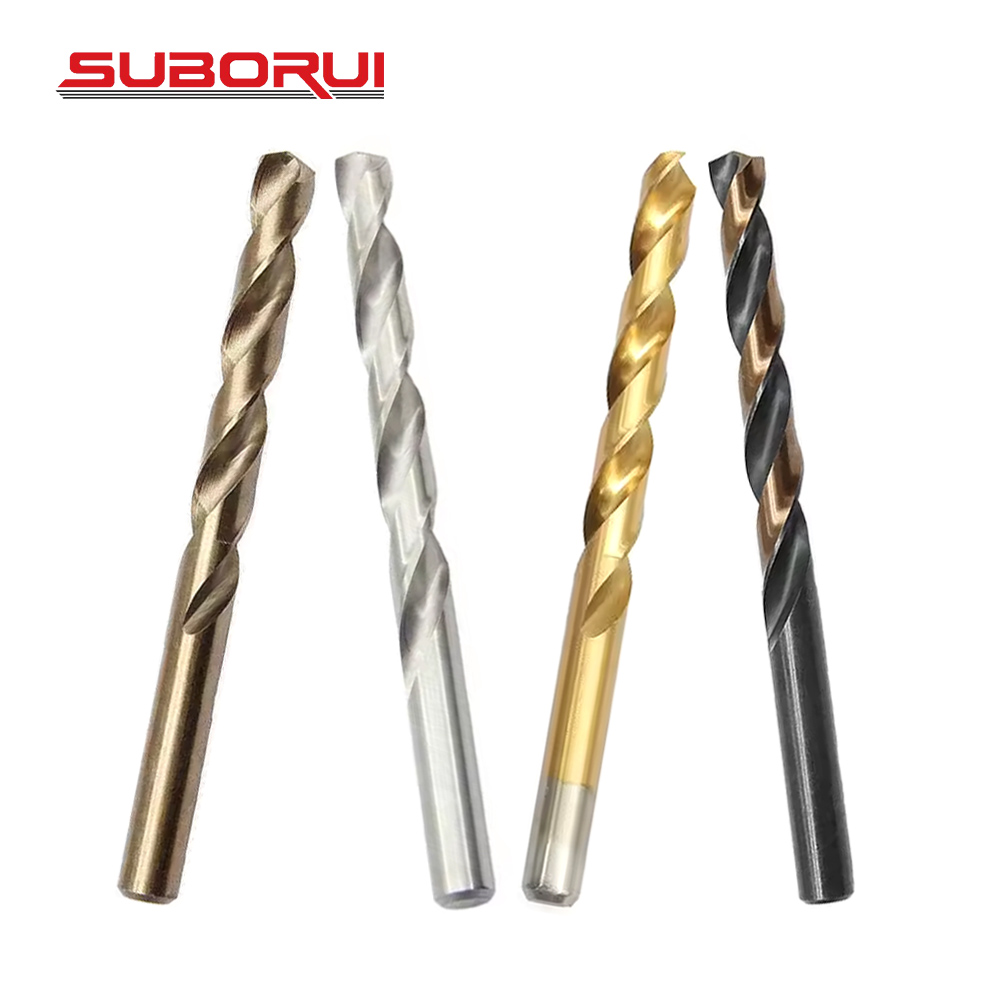
SUBORUI China Manufacturer D338 Imperial Hss Co Twist M35 Steel Metal Cobalt Drill Bit
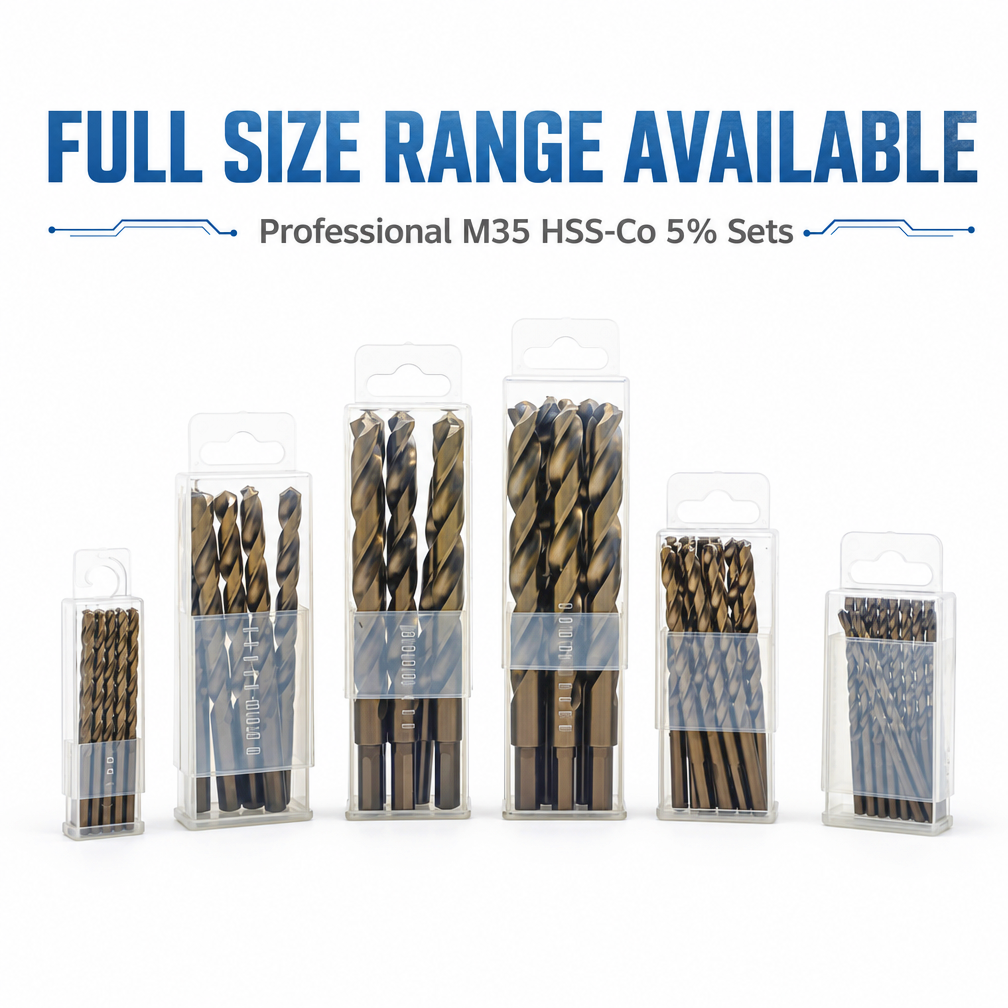
M35 Cobalt 5% • DIN 338 / 1897
SUBORUI Imperial HSS-Co Twist M35 Steel Metal Cobalt Drill Bit for Stainless Steel
SUBORUI Manufacturer DIN338 Fully Ground M35 Co5% Metal Cobalt Hss Twist Drill Bit
Fully Ground • 135° Split Point
SUBORUI DIN338 Fully Ground M35 Co5% Metal Cobalt HSS Twist Drill Bit for Tough Alloys
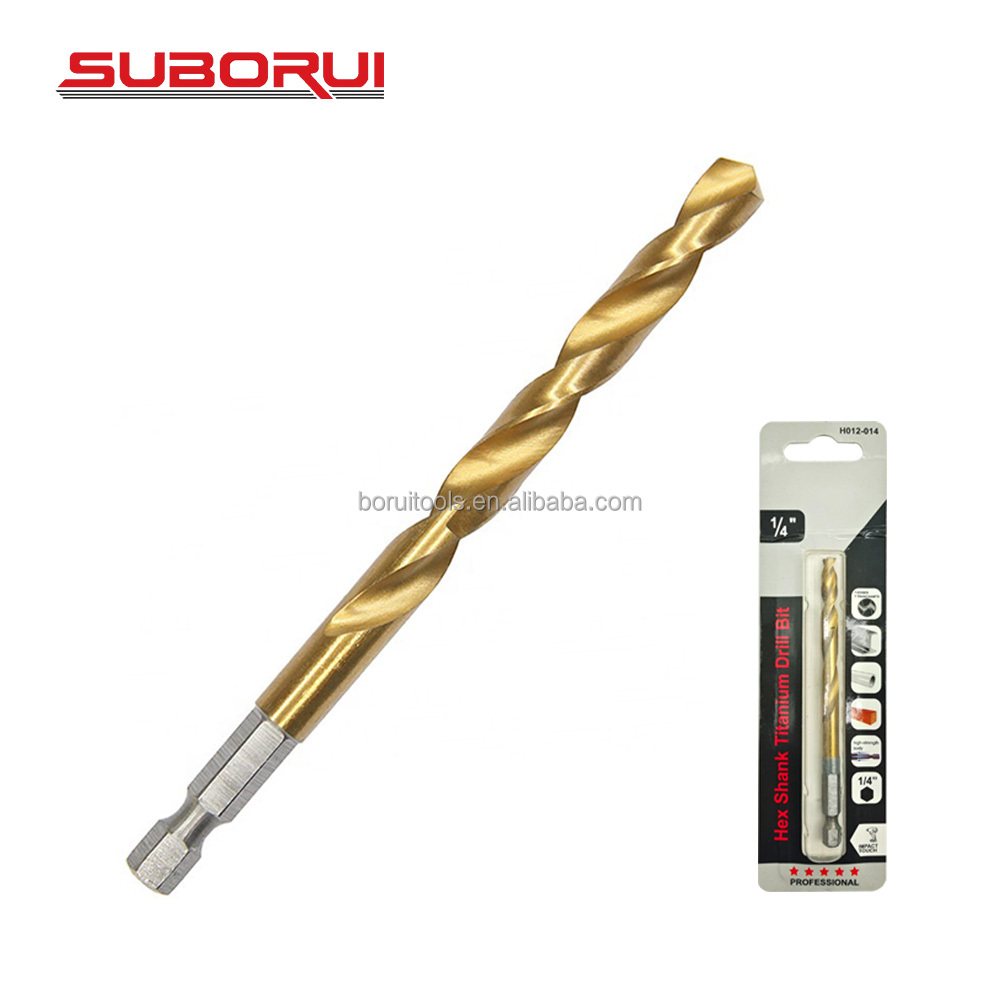
SUBORUI 1/4 Inch HSS Fully Ground Titanium Coated Metal Hex Shank Twist Drill Bit
1/4" Hex Shank • TiN Coated
SUBORUI 1/4 Inch HSS Fully Ground Titanium Coated Hex Shank Twist Bit (Impact Ready)
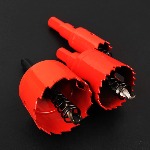
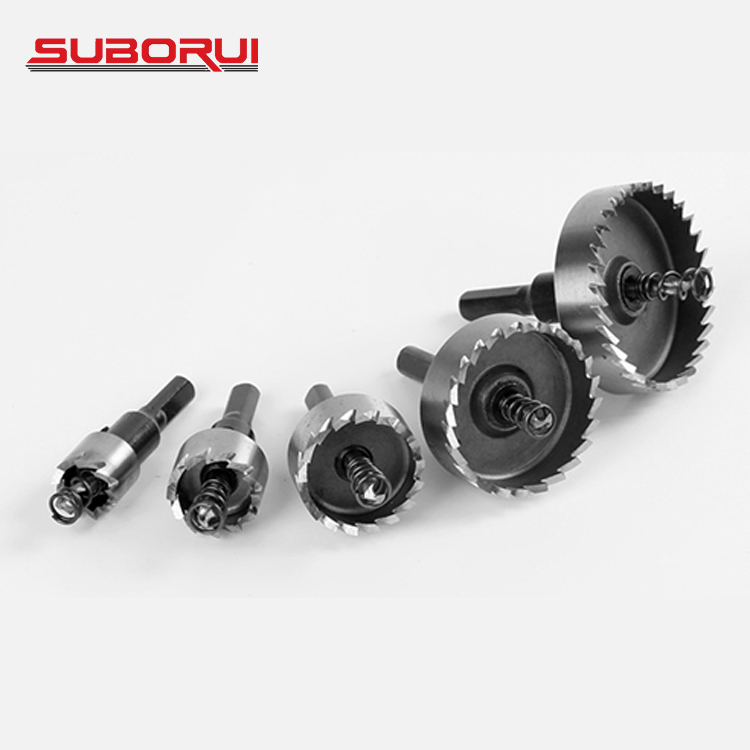
SUBORUI OEM ODM Wholesale Premium 14mm-60mm Ultra-thin 1/4 Hex Shank M42 Bi-Metal Hole Saw
M42 Cobalt 8% • Thin-Kerf
SUBORUI Ultra-thin 1/4" Hex Shank M42 Bi-Metal Hole Saw (14mm-60mm) for Metal & Sheet
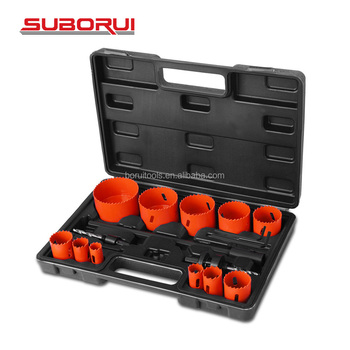
SUBORUI OEM ODM Wholesale Price Premium Hex Shank Drill Bit Hss CO8% M42 Bi-Metal Hole Saw Set
Industrial Set • Heavy Duty
SUBORUI Hex Shank HSS CO8% M42 Bi-Metal Hole Saw Complete Contractor Kit
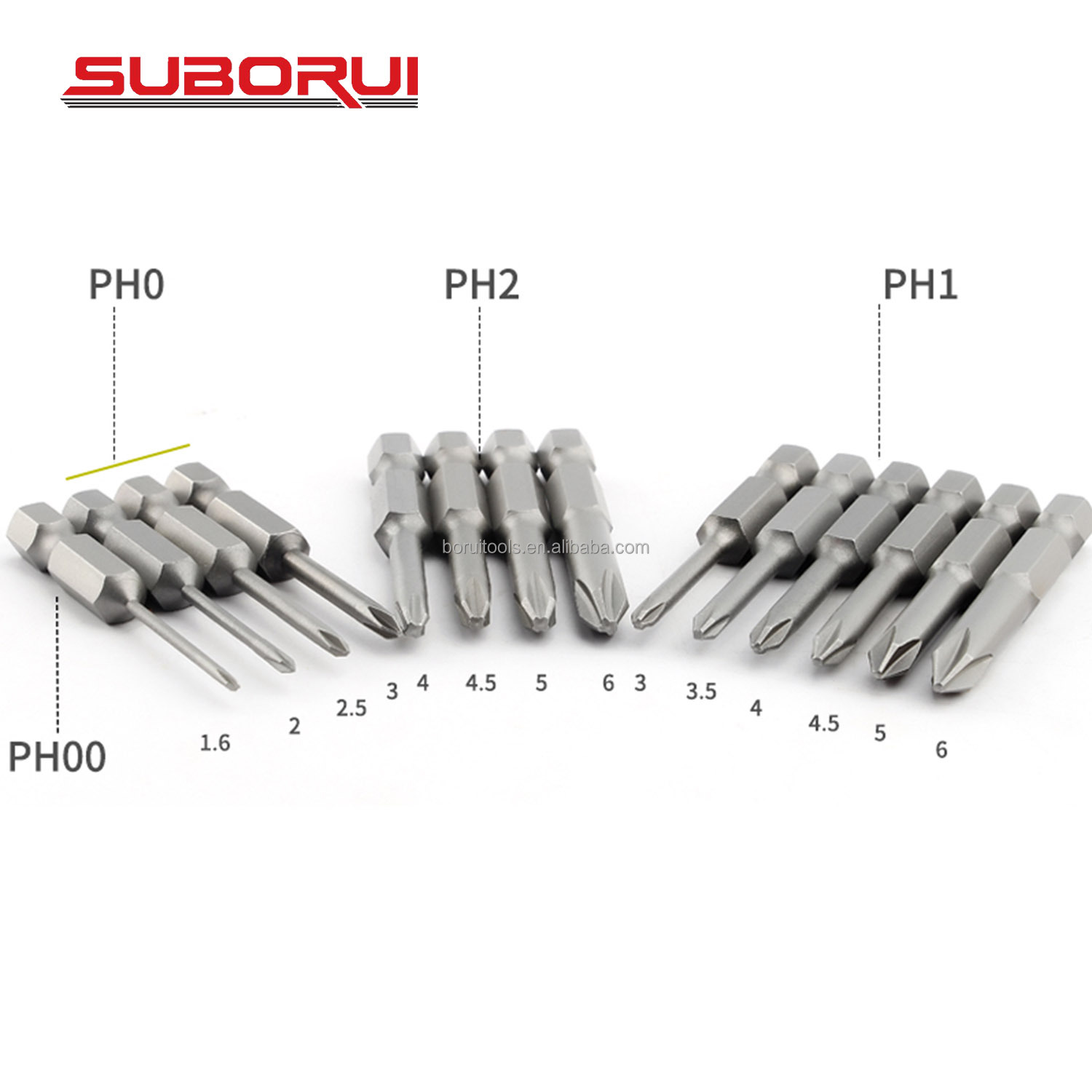
SUBORUI 50mm Length Cross S2 Short Magnetic Electric Screwdriver Bit Set
S2 Industrial Alloy • Torsion Zone
SUBORUI 50mm Cross S2 Short Magnetic Electric Driver Bit & Precision Fastening Head
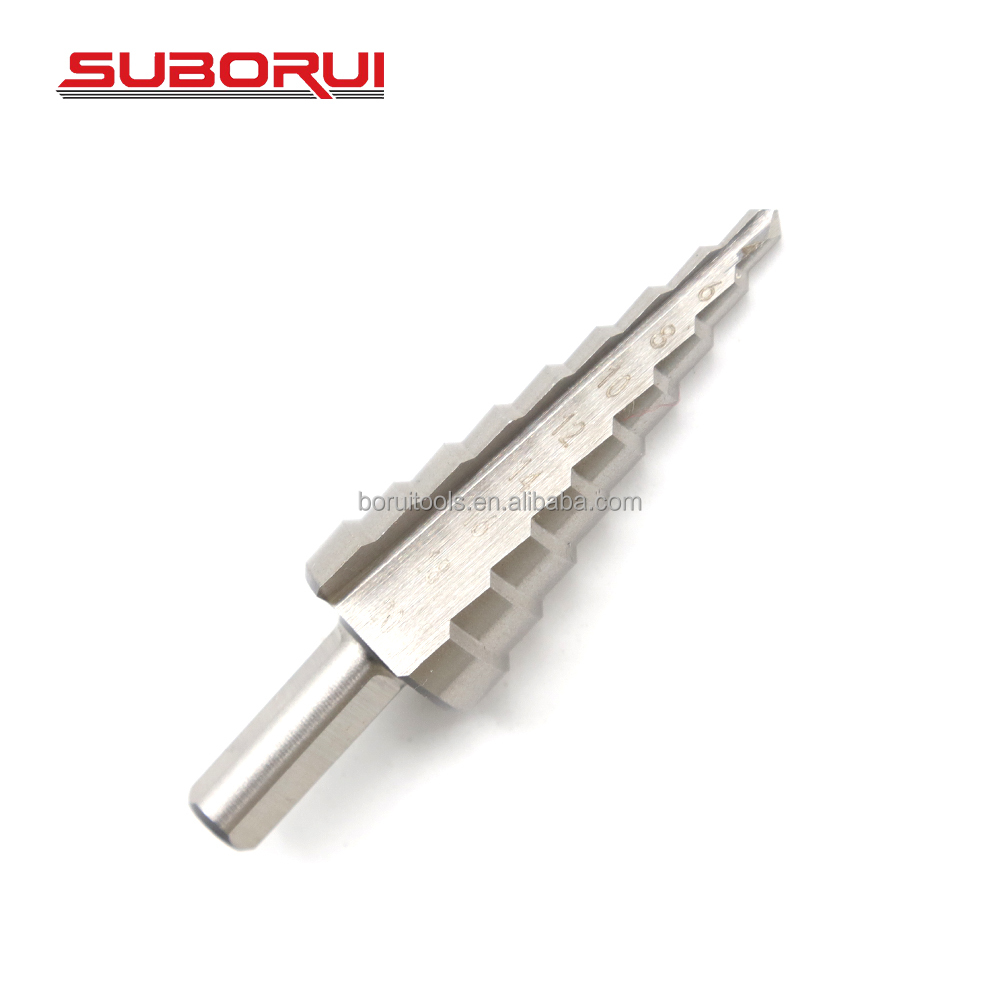
SUBORUI Custom Industrial Metric Straight Flute 4-12mm HSS 4241 Woodworking Metal Unibit Step Drill Bit
4-12mm • Straight Flute
SUBORUI Metric Straight-Flute Unibit Step Drill Bit for Sheet Metal & Aluminum Alloy
BORUI 12-80MM Hole Saw Drill Bit Set HSS Hole Cutter for Stainless Steel
12-80mm Range • Fitted Case
BORUI 12-80mm Industrial HSS Hole Cutter Set for Structural Steel, Inox, and Thick Plate
19+
Years Manufacturing (Est. 2007)
12,000m²
Modern Facility in Danyang
90 Million
Annual Unit Output Capacity
Intertek
Onsite Verified • ISO9001 Compliant
Deflection Mechanics & Rigidity

Why Stub Drill Bits (DIN 1897) Are Essential for High-Tolerance Metalworking

In high-volume automated CNC machining, screw-machine turning, and portable sheet metal fabrication, standard jobber drills (DIN 338) frequently exhibit tool wander, excessive runout, and premature breakage.

The industrial designation for a stub drill bit—frequently classified under international standards such as DIN 1897, ANSI B94.11M Stub, or BS 328 Type Short—refers to a twist drill manufactured with an abbreviated flute length and shortened overall length (OAL). In cantilever beam mechanics, mechanical deflection ($y$) is proportional to the cube of the unsupported tool overhang length:

Deflection (y) ∝ L³ / (3 × E × I)  —  Reducing tool flute length by 40% increases torsional rigidity and bending resistance by over 350%.

For manufacturing plants operating Swiss-style automatic screw machines, multi-spindle automatic lathes, and robotic drilling cells, stub drills provide crucial operational benefits. They eliminate the necessity for a preliminary center drill or spot-drilling step, substantially shortening cycle times. Furthermore, when working with thin sheet metals, autobody panels, and structural tubing, the ultra-rigid web core prevents "snatching" upon breakthrough, delivering rounder, burr-free entry and exit profiles.

Severe Elimination of Runout

By shortening the distance between the collet chuck face and the chisel point, stub drills achieve Total Indicated Runout (TIR) tolerances below 0.005 mm (5 μm). This rigidity directly mitigates bell-mouthing and hole wander on inclined or uneven contact surfaces.

135° Self-Centering Split Point

Manufactured on 5-axis CNC grinding centers with specialized Type-C DIN 1412 cross-ground chisel edges. The 135-degree split point eliminates skating, reduces thrust forces by up to 40%, and accelerates chip evacuation without pre-punching.

Increased Feed Velocity

Because the stub design minimizes lateral buckling forces, CNC operators can safely increase axial feed per revolution ($f_n$) by 25% to 50% compared to standard length drills without risking tool deflection or edge chipping in stainless steels.

Material Science & Tribology

HSS Grade Comparison Matrix: Selecting the Optimum Metallurgy

Selecting the wrong high-speed steel alloy or surface treatment is the leading cause of premature drill failure. Review the chemical composition and operational envelope benchmarks below.

Steel Grade Composition (W / Mo / Cr / V / Co) Hardness (HRC) Red Hardness (°C) Primary Industrial Applications
HSS 4241 1.5% W • 1.0% Mo • 4.0% Cr • 1.0% V 60 – 62 HRC ∼ 500 °C General DIY, mild carbon steel, soft aluminum, wood, plastic retail sets.
M2 (6542 / 1.3343) 6.0% W • 5.0% Mo • 4.0% Cr • 2.0% V 63 – 65 HRC ∼ 580 °C Global standard for industrial machining; alloy steel, structural steels, cast iron.
M35 (HSS-Co 5% / 1.3243) 6.0% W • 5.0% Mo • 4.0% Cr • 2.0% V • 5.0% Co 65 – 67 HRC ∼ 635 °C Austenitic stainless steels (304/316), titanium alloys, heat-resistant tool steels.
M42 (HSS-Co 8% / 1.3247) 1.5% W • 9.5% Mo • 3.75% Cr • 1.15% V • 8.0% Co 67 – 69 HRC ∼ 660 °C Ultra-hard alloys, Inconel, hardened tool steels up to 38 HRC, bi-metal hole cutters.
Solid Micrograin Carbide WC + 8-10% Co Matrix (Sub-Micron) 90 – 92 HRA > 900 °C High-speed production lines, abrasive composite machining, mold & die steels (>50 HRC).

Beyond base substrate selection, our Danyang production facility utilizes physical vapor deposition (PVD) to bond micro-thin wear barriers:

  • Bright / Polished Finish: Uncoated precision ground flute offering superior smoothness for non-ferrous metals, soft aluminum, and acrylic plastics where chip adherence must be minimized.
  • Black Oxide (Steam Oxidation): A Fe3O4 thermal conversion layer that retains cutting fluid inside microscopic pores, drastically reducing metal-to-metal galling and friction in carbon steels.
  • TiN (Titanium Nitride - Gold): PVD coating delivering a micro-hardness of ∼2300 HV. Lowers friction coefficient to 0.4 and increases tool life 2× to 3× in standard production environments.
  • Amber Bronze / Straw Finish: Stress-relieved heat treatment characteristic of premium cobalt drill bits, preventing internal micro-cracks during high-torque torsional loading.
  • TiAlN / AlTiN (Titanium Aluminum Nitride): Forms a self-healing aluminum oxide passivating layer under extreme frictional heat (>800°C). Specifically formulated for dry machining and high-speed CNC stainless steel milling.
Strategic Sourcing Analysis

Future Procurement Trends in the Global Stub Drill Market (2025–2030)

How international cutting tool procurement teams are transitioning from transactional spot buying to integrated supply chain partnerships in China.

Clustering Advantage in Danyang

Over 70% of China's high-speed steel twist drills originate in the Danbei/Danyang cluster. Direct procurement from localized manufacturers like Jiangsu WRD Tools eliminates intermediate trading markups while offering integrated access to localized heat treatment furnaces, raw tungsten supply, and packaging converters.

Rise of Hex-Shank Quick-Change Stubs

With the worldwide penetration of cordless 1/4" impact drivers across both construction trades and MRO facilities, demand for one-piece and two-piece 1/4-inch hex-shank stub drills has grown by 18% CAGR. These combine rapid tool changes with stubby, break-resistant flutes.

Automated In-Line Optical Metrology

Tier-1 OEM importers are requiring automated batch certification. Leading factories employ CCD machine vision to inspect web thickness, split-point symmetry, and chisel runout at production speeds, guaranteeing Six Sigma defect rates (<3.4 PPM) on private-label shipments.

R&D & Next-Gen Tool Design

Technological Innovations Shaping Modern Stub Drill Manufacturing

From metallurgical powder processing to parabolic flute geometries, engineering advancements are redefining cutting speed, chip evacuation, and drill bit longevity.

The cutting tool industry is experiencing a profound transition away from legacy rolled and forged flutes toward complete CNC 5-Axis Multi-Pass Deep Creep-Feed Grinding. In our Danyang facility, fully automated grinding lines machine the flutes, clearance lands, and split points from solid, through-hardened bar stock in a single setup. This preserves continuous grain boundaries along the drill core, providing uniform tensile strength.

Furthermore, three key design innovations are rapidly becoming industrial standards for stub drill procurement:

  • Parabolic Wide-Flute Geometries: Modified flute profiles with wider gullets that accelerate continuous chip clearance, effectively eliminating chip packing when drilling blind holes up to 3× diameter depth.
  • Powder Metallurgy HSS (PM-HSS): Utilizing rapid gas atomization to manufacture sintered high-speed steels (e.g., ASP 2030 / CPM-T15 equivalents). PM-HSS eliminates carbide segregation, offering isotropic fracture toughness superior to conventional wrought M35/M42 alloys.
  • Multi-Layered Nano-Composite Coatings: Modern PVD processes deposit alternating nanometer-scale layers (e.g., TiAlN/AlCrN) that inhibit micro-crack propagation through the coating matrix, sustaining high thermal stability at feeds exceeding 400 m/min.
Verified Manufacturing Heritage

Why Tier-1 Tool Brands Partner with Jiangsu WRD Tools

Operating as a specialized manufacturer—not an export broker—Jiangsu WRD Tools Co., Ltd. delivers direct factory pricing, auditable ISO compliance, and comprehensive private-label support.

Founded in March 2007 in Danbei Town, Danyang City, Jiangsu WRD Tools Co., Ltd. has developed into a premier OEM/ODM enterprise encompassing 12,000 square meters of production facilities and more than 150 skilled staff members. Recognized officially as a High-Tech Enterprise of Jiangsu Province, our factory maintains an annual output of 90 million units across metal twist drills, annular cutters, hole saws, and wood tooling.

Intertek Onsite Audited

Our manufacturing premises, automated CNC machinery, metallurgical testing labs, and QA workflows are independently verified onsite by Intertek Group.

Ranked #4 Industry Popularity

Ranked #4 most popular cutting tool manufacturing factory on Alibaba.com with a verified 4.7/5 global buyer rating across Europe, the Americas, and Asia.

Direct Global OEM Supply

Our tooling lines are trusted by distributors and suppliers for internationally recognized brands including Bosch, Milwaukee, DeWalt, Makita, Irwin, and Wolfcraft.

Complete In-House Metallurgy

We govern the entire value chain in-house: automated bar cut-off, computer-controlled salt-bath and vacuum heat treatment, CNC grinding, and private-label packaging.

Turnkey Private-Label Program

High-resolution laser marking on shanks, customized PVD coating colors, and turnkey retail packaging (blister cards, metal indexing cases, blow-molded sets).

Direct Port Logistics

Rapid shipping consolidation through Shanghai and Ningbo maritime hubs, backed by complete CO, Form E, REACH, and RoHS export compliance.

Procurement Due Diligence

Frequently Asked Questions: Sourcing Stub Drills from China

Clear, definitive answers to help industrial purchasers, brand managers, and sourcing engineers make qualified procurement decisions.

What is the functional difference between DIN 1897 stub drills and DIN 338 jobber drills?
DIN 1897 stub drill bits feature a significantly shorter flute length and overall length (typically 30% to 50% shorter) compared to DIN 338 jobber drills. This shorter design yields dramatically higher torsional and bending rigidity, minimizing runout and tool chatter. Stub drills are optimized for automated CNC screw machines, drilling thin structural plates, and portable drilling where tool breakage from side-loading must be prevented.
Why should buyers specify M35 Cobalt (HSS-Co 5%) over standard M2 for stainless steel?
Austenitic stainless steels (such as 304 and 316) exhibit rapid work-hardening characteristics and low thermal conductivity, concentrating friction heat at the cutting lips. M2 steel begins to temper and lose edge hardness around 580°C. M35 high-speed steel contains 5% cobalt, raising its red-hardness threshold to 635°C. This prevents thermal softening, extending tool edge life up to 500% in hard metal and stainless drilling applications.
What are the typical Minimum Order Quantities (MOQ) for custom OEM production runs?
For standard individual bulk-packaged drill bits, MOQs generally range from 100 to 500 pieces per size depending on diameter. Specialized custom tooling, proprietary PVD coatings, or custom laser shank markings start at 500 to 1,000 pieces. Complete customized retail drill sets (metal cassettes, plastic index cases, or blister packaging) typically require an MOQ of 1,200 sets to offset full-color custom print tooling.
How does your factory ensure hardness and concentricity consistency across high-volume batches?
Every raw material heat of HSS undergoes spectroscopic chemical verification upon intake. Hardening is executed in atmosphere-controlled vacuum furnaces with multi-stage tempering cycles, followed by Rockwell hardness (HRC) spot testing across every furnace rack. In the grinding shop, CNC optical tool setters and automated laser runout gauges verify runout to within ±0.003 mm and tip angles to ±1° before batch sign-off.
Can you support full private-label packaging and custom shank geometries?
Yes. Jiangsu WRD Tools provides end-to-end OEM and ODM support. This includes fiber-laser shank etching with your registered brand name, metric/imperial size indexing, custom flute step geometries, and custom shank options (3-flat shanks, 1/4" quick-release hex, or reduced shanks). We also engineer custom packaging ranging from industrial plastic storage tubes to custom-molded high-impact ABS distributor cases.
What is the standard production lead time and export delivery process?
Pre-production samples are completed within 7 to 10 business days. Mass production lead times generally range between 30 and 45 days depending on batch scale and packaging complexity. Our factory coordinates sea and air freight through Shanghai Port (under 2 hours trucking distance from our Danyang facility) and Ningbo Port, offering EXW, FOB, CIF, and DDP trade terms.

Request Direct Factory Pricing & Engineering Samples

Partner directly with an Intertek-verified Danyang manufacturer. Submit your required drill bit dimensions, high-speed steel grades, expected volume, and packaging specifications for a prompt quote within 24 hours.