
<< Precision Tooling Catalog >>
Featured Engineering Cutting Tools
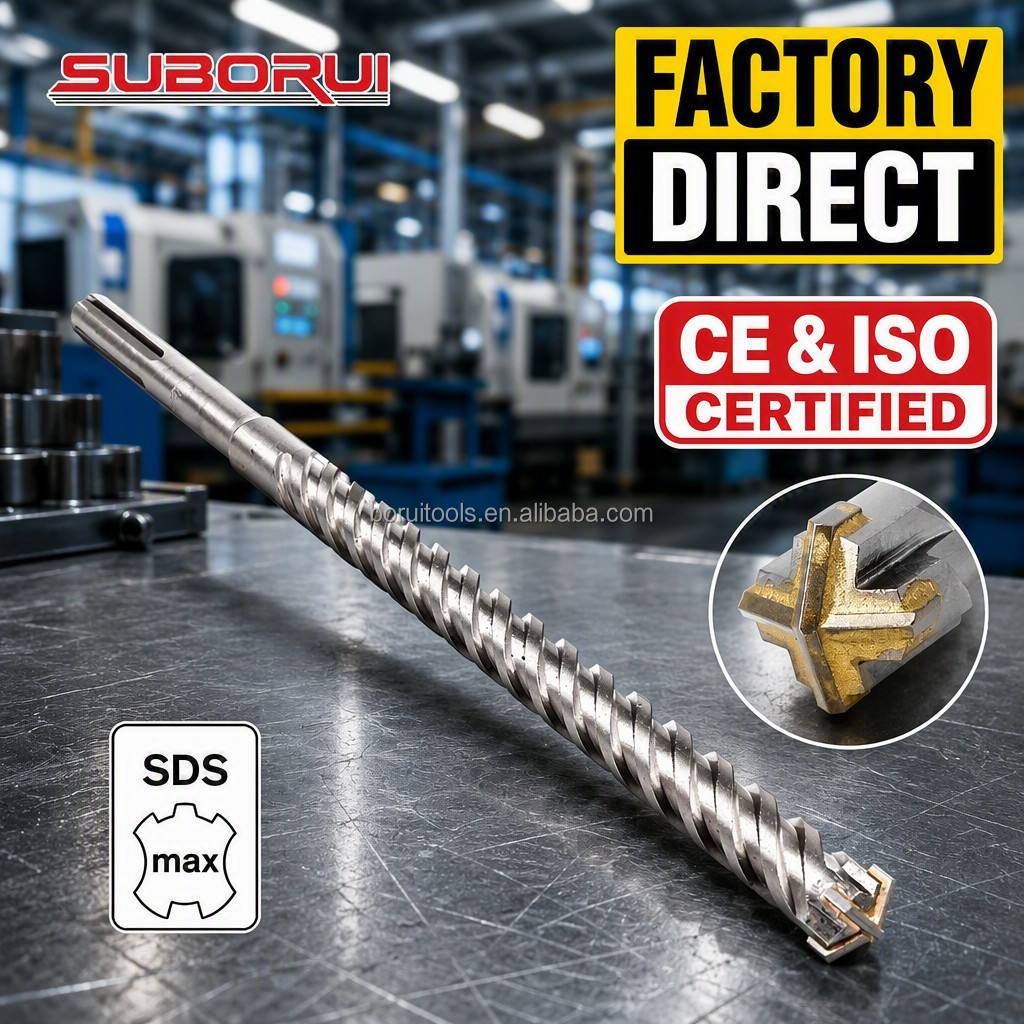
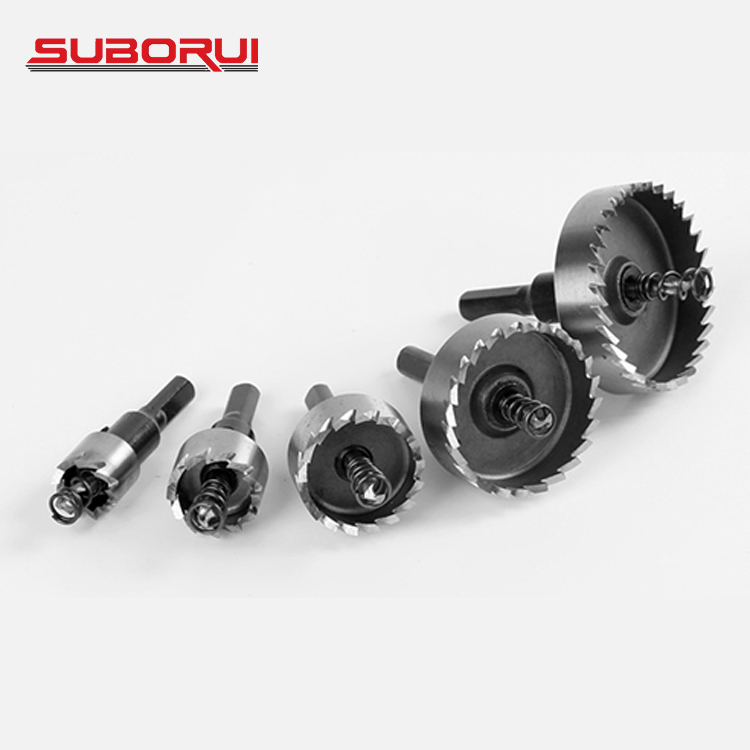
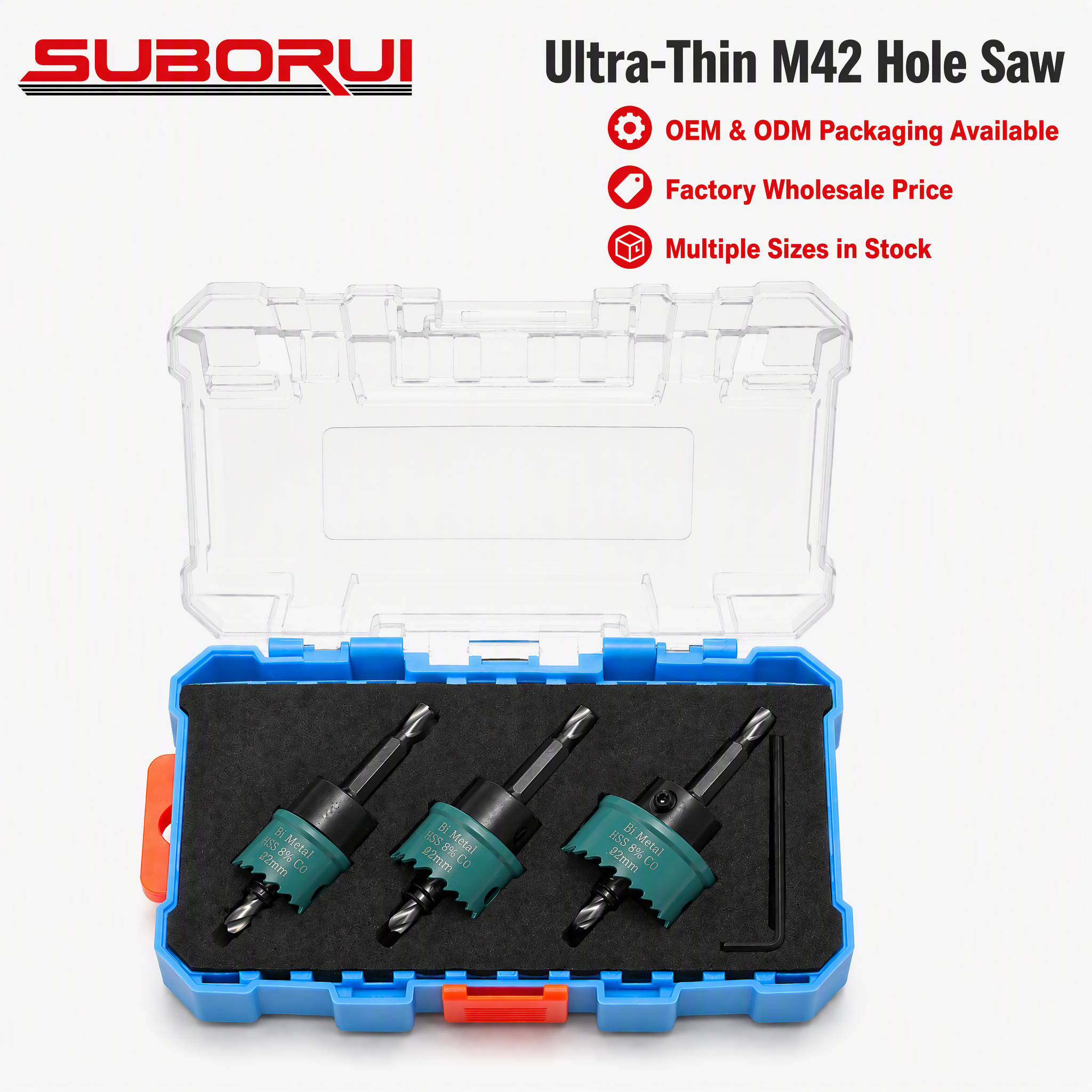
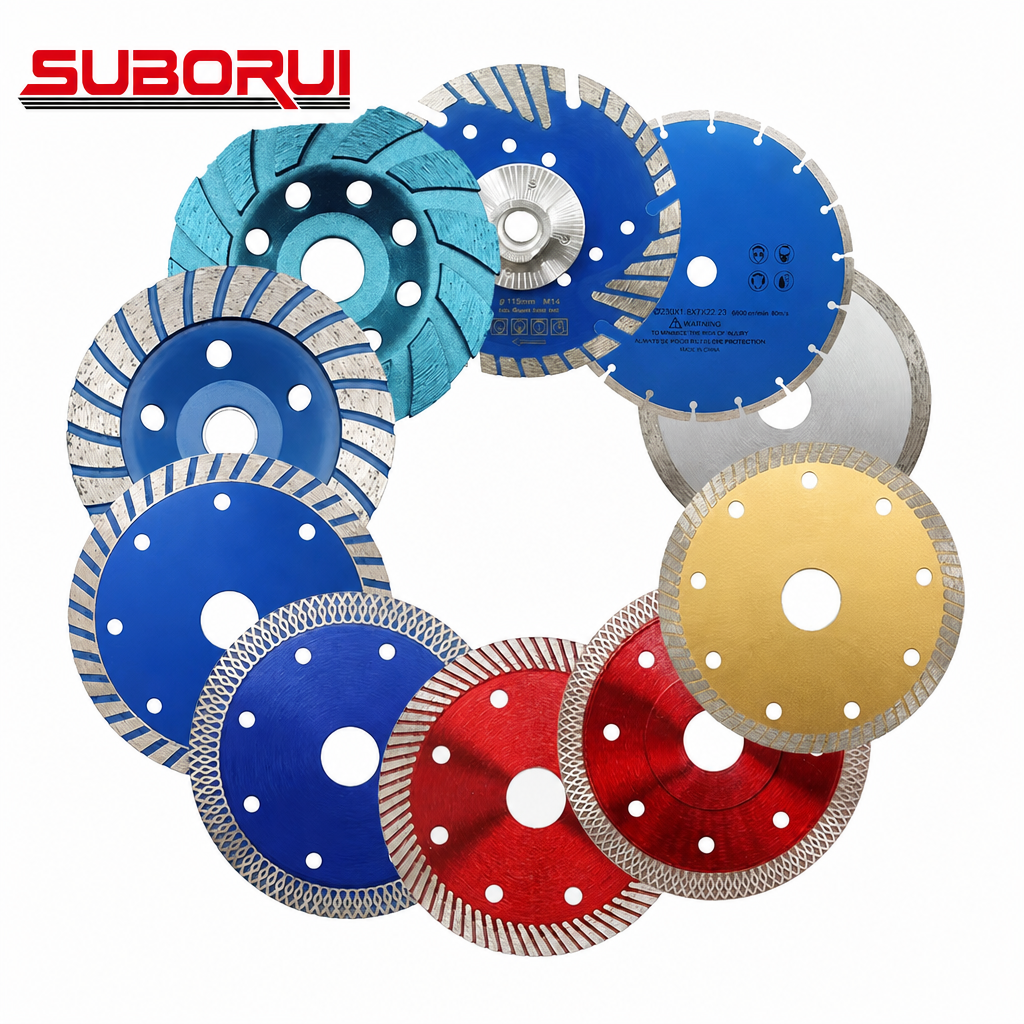
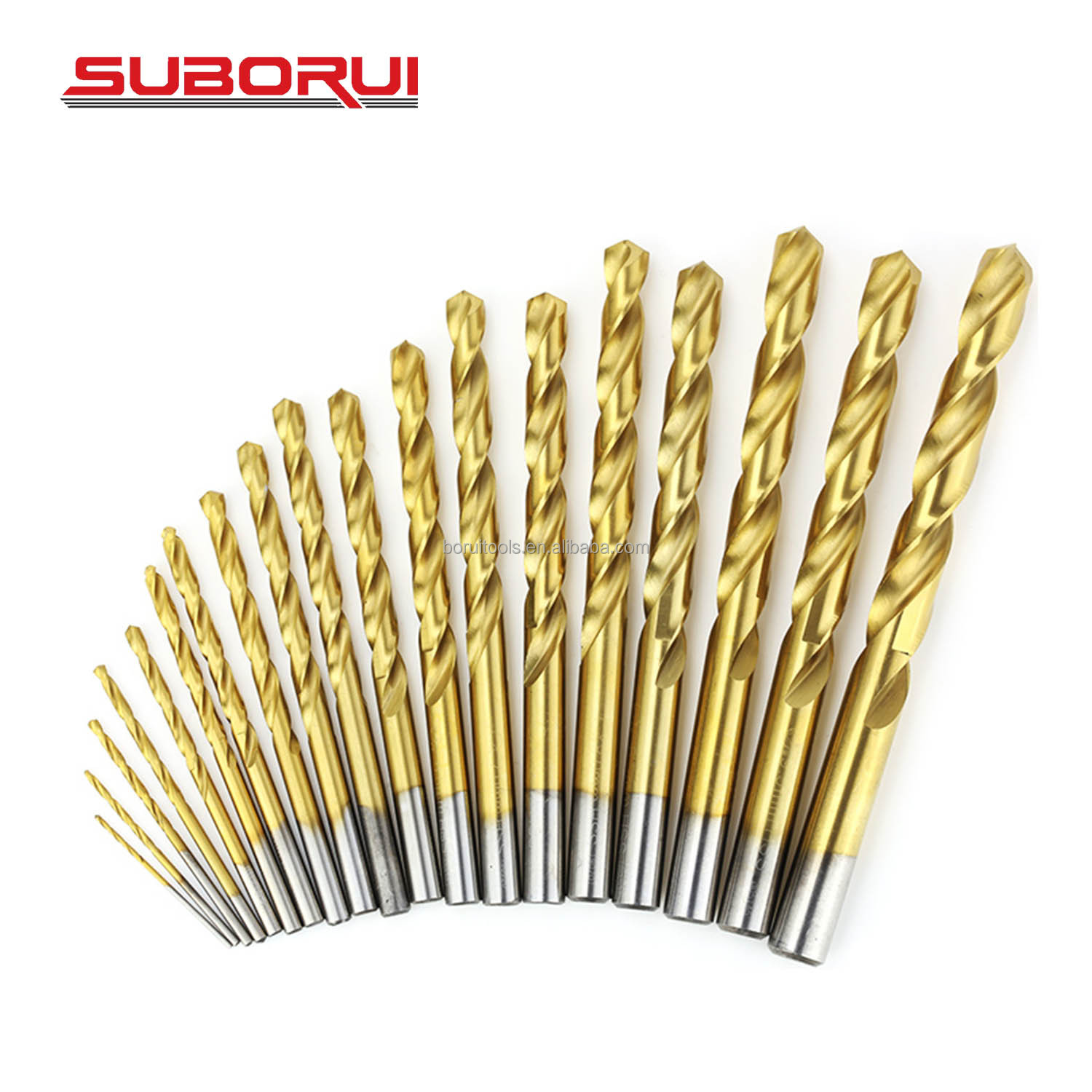
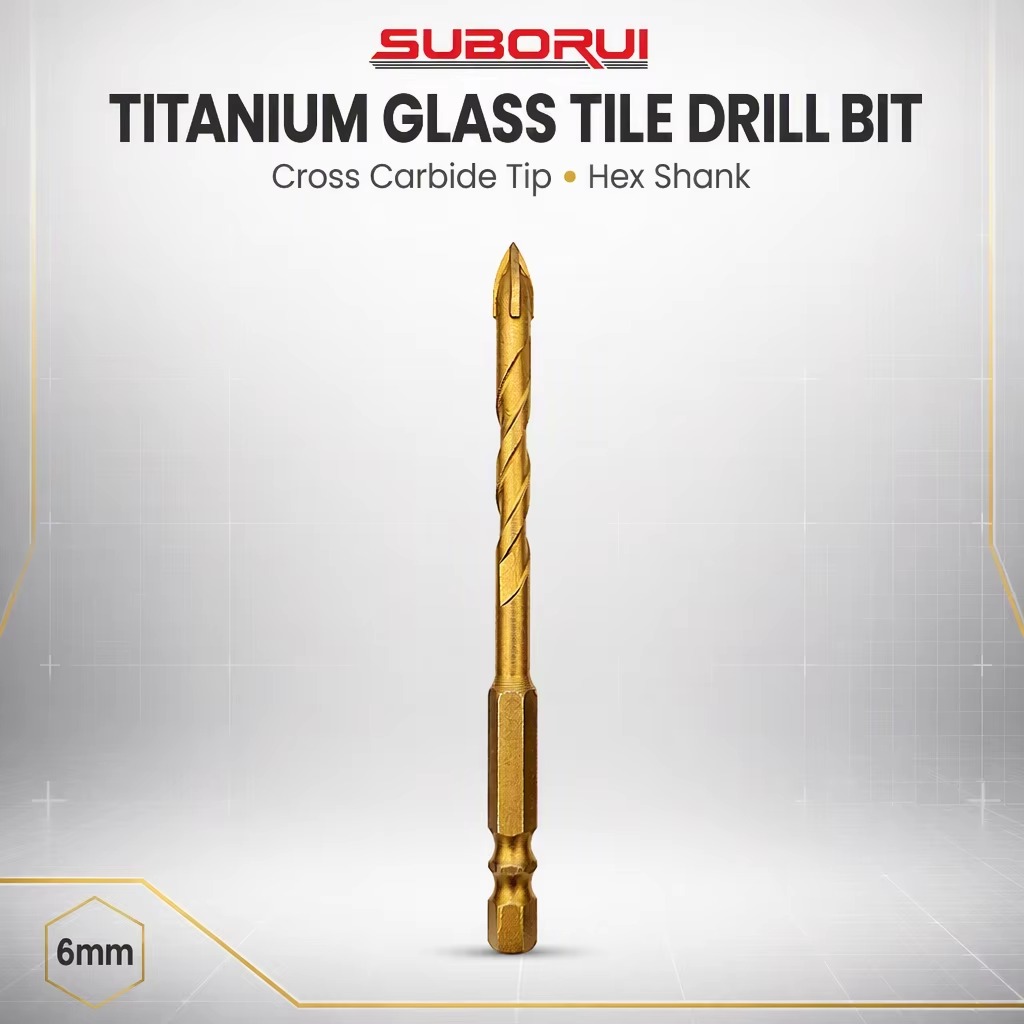
From extreme-performance M42 and M35 cobalt cutting matrices to carbide-tipped drilling assemblies, review our high-velocity export lineup built for strict tolerances and long production cycles.
2007
Year Founded
12,000m²
Production Base
90,000,000
Annual Output (Bits/Cutters)
20+
Export Destined Nations
<< Technical Whitepaper >>
Engineering Metrics of High-Precision Threading Dies
Understanding the micro-metallurgical, tribological, and geometric determinants when procuring metric thread dies from Chinese manufacturing clusters.
Thread Profile & Class Standards
Metric external threads follow the standard 60-degree symmetrical triangular profile defined by ISO 68-1 and DIN 13. When sourcing circular dies (DIN EN 22568, formerly DIN 223), professional buyers distinguish between fit classes: 6g is the international universal standard for commercial metric fasteners, while 6e provides extra clearance for heavy anti-corrosion coatings, and 4h caters to aerospace and instrument-level interference-free seating.
Danyang's automated tool grinding lines now use CNC optical profile grinding systems to verify flank angle deviation within ±15 arc-minutes, virtually eliminating pitch diameter tapering.
Lead Chamfer Geometry Dynamics
The lead chamfer (intake cone) dictates chip load per cutting tooth. Standard metric dies feature a chamfer angle of 1.75P to 2P (approx. 20° to 25°), distributing radial forces across 2 to 3 thread crests.
For threading up to shoulders or dead-end bosses, specialized short chamfer dies (1.25P) are deployed. Chinese precision die makers integrate progressive relief angles behind the cutting edge, lowering friction by 35% during reverse back-off and reducing swarf galling in gummy stainless steels (AISI 304/316).
Solid vs. Split Round Dies
Solid circular dies offer unmatched rigidity, ideal for automated CNC lathe thread-whirling setups where outer diameter clamping must resist deflection.
Conversely, split dies (adjustable round dies) incorporate an expansion slot. When tightened against an adjustment screw in a die stock, pitch diameter can be varied by ±0.15mm. This enables field engineers to compensate for heat-treatment growth or pre-cut undersized threads prior to electroplating.
| Steel Grade Designation | Alloy Composition (Key Elements) | Achieved Hardness | Thermal Breakdown Limit | Target Workpiece Applications | Tier Suitability |
|---|---|---|---|---|---|
| 9SiCr / CS | 0.9% C, 1.0% Si, 1.0% Cr | 60–62 HRC | 220°C | Low-carbon steel, brass, plastics, DIY maintenance | Retail / DIY |
| HSS 4241 | W1.5, Mo2, Cr4, V1 | 61–63 HRC | 520°C | Free-machining mild steel, aluminum profiles, soft iron | Entry Pro |
| HSS M2 (W6Mo5Cr4V2 / 6542) | W6, Mo5, Cr4, V2 | 63–65 HRC | 600°C | Structural steels (<850 N/mm²), alloy steels, cast iron | Industrial Spec |
| HSS M35 (HSSE / Co 5%) | W6, Mo5, Cr4, V2, Co5 | 65–67 HRC | 640°C | Austenitic stainless steel (304/316), titanium alloys, Inconel | Extreme Heavy-Duty |
| PM-HSS (Powder Metallurgy) | Ultra-fine homogeneous carbide grain | 67–69 HRC | 680°C | High-volume continuous CNC external threading, hard tool steels | Aerospace / Auto |
<< Strategic Market Intelligence >>
Future Procurement Trends in Cutting Tool Sourcing
Strategic shifts procurement directors must navigate through 2025–2030 to protect margins, avoid supply chain bottlenecks, and fulfill stringent carbon accounting.
Supply Chain Cluster Integration
Spot sourcing from generic trading firms is rapidly waning. Global distributors are consolidating their spend into vertical clusters like Danyang (Jiangsu), where complete supply loops—from local raw steel billet rolling, vacuum furnace heat treatment, to packaging printing—reside within a 15-kilometer radius. This proximity compresses lead times by 28% and guarantees raw material traceability back to the melt furnace batch.
PVD Micro-Coating Customization
Standard bright-finish or generic black-oxide dies no longer fulfill industrial warranties. Buyers now routinely specify custom Physical Vapor Deposition (PVD) surfaces:
• TiN (Gold): General multi-purpose wear resistance, coefficient of friction μ ~ 0.4.
• TiCN (Blue-Gray): High hardness (3000 HV), optimized for abrasive cast iron.
• TiAlN / AlTiN (Violet-Black): Forms an aluminum oxide passive layer under high heat, ideal for dry or minimal quantity lubrication (MQL) setups.
ESG & Carbon Neutral Traceability
European corporate sustainability due diligence directives (CSDDD) require verified lifecycle reporting. Leading Chinese manufacturers are converting annealing stages to electric vacuum induction ovens, installing rooftop photovoltaic arrays, and utilizing recyclable non-chlorinated cutting coolants. This allows tier-1 buyers to provide verified carbon declarations at European customs clearance.
<< Manufacturing Modernization >>
Technological Innovations in Thread Die Fabrication
How modern CNC 5-axis grinding, automated optical inspection, and cryogenic heat treatment are transforming precision cutting tools.
From Tapped Dies to Thread Ground Profiles
Historically, external thread dies were manufactured by tapping blanks with an oversized master tap, followed by manual relief filing. This yielded erratic radial clearances.
Modern Chinese manufacturing facilities utilize multi-axis CNC Thread Grinding Machines with CBN (Cubic Boron Nitride) wheels after final hardening. This allows flute threads to be ground directly from hardened blanks (64+ HRC), completely bypassing thermal distortion, ensuring pitch errors under 0.003mm per 25mm length.
Deep Cryogenic Treatment (DCT)
Following standard oil-quench and triple-tempering cycles, premium M2 and M35 threading dies undergo sub-zero immersion in liquid nitrogen at -196°C for 24 to 36 hours.
This cryogenic cycle forces virtually 100% of residual retained austenite into hard martensite, simultaneously precipitating ultra-fine eta-carbides. The physical outcome is a 40% gain in abrasive flank wear resistance without making the die brittle.
High-Efficiency Swarf Evacuation Vanes
Thread failure predominantly occurs when chips jam inside clearance holes during external cutting. Redesigned helical clearance holes generate positive forward axial rake angles.
Continuous curls of swarf are discharged ahead of the cutting action rather than packing tightly into the die center, preventing catastrophic tooth fracture on automatic screw machines.
<< Manufacturing Partner Profile >>
Jiangsu WRD Tools Co., Ltd.
Established in March 2007 with a registered capital of RMB 10 million, Jiangsu WRD Tools Co., Ltd. has grown into one of Danyang's primary technical manufacturers of hole saws, annular cutters, drill bits, and metric threading tools.
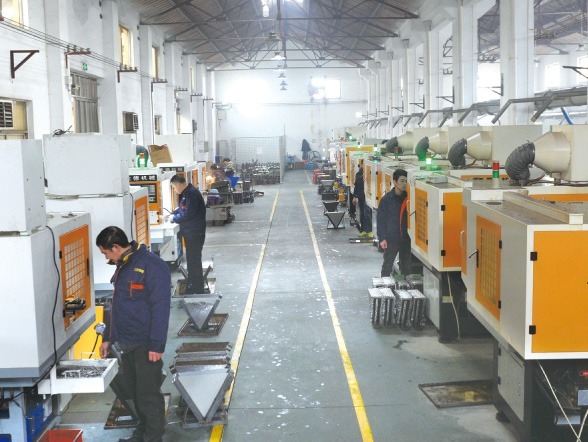
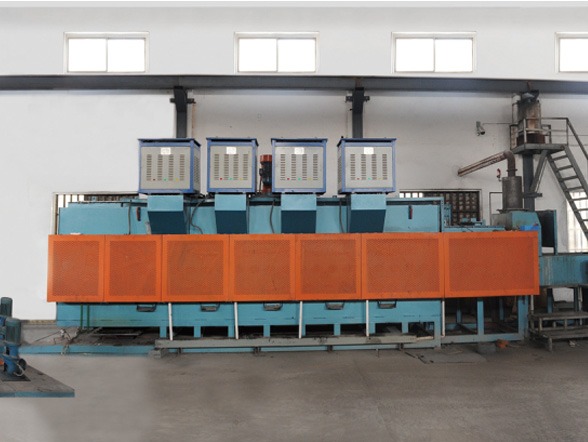
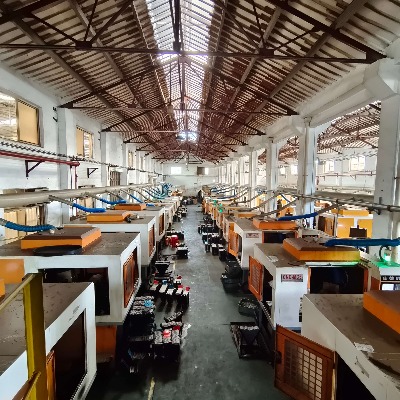
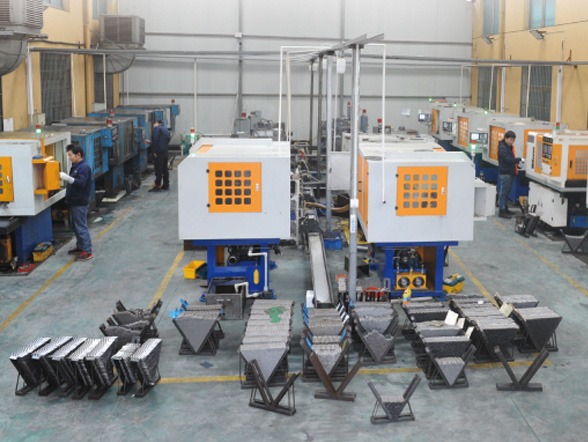
Operating across an advanced 12,000 m² industrial plant staffed by over 150 skilled toolmakers, we control every single phase in-house: bar blank shear-cutting, automated salt-bath & vacuum hardening, fully ground CNC flute forming, PVD surface coating, dynamic runout testing, laser marking, and retail-ready automated blister boxing.
Our ongoing contract commitments supply major international tool vendors including BOSCH, Milwaukee, DeWalt, Irwin, Makita, Dexter, KWB, Wolfcraft, Truper, and Heller. Recognized as a High-Tech Enterprise of Jiangsu Province since 2019, our operations are on-site audited and verified by Intertek Group.
Ranked #4 Drill/Die Exporter
Intertek Verified Supplier
Full OEM Private Label
ISO 9001 Production Rigor
<< Purchasing Knowledge Base >>
Frequently Asked Questions on Metric Die Procurement
Technical, logistical, and commercial answers for international sourcing engineers, product line heads, and retail chain buyers.
What are the key differences between DIN EN 22568, ISO, and JIS metric thread dies?
While all three systems share the identical ISO 60° metric thread tooth profile, they differ primarily in standard outer diameter (OD) and thickness dimensions. For instance, an M10 circular die under DIN EN 22568 typically features an outer diameter of 30mm and a thickness of 11mm. The corresponding Japanese JIS B 4451 specification frequently employs a 38mm or 25mm OD blank standard. Our factory operates specialized tooling fixtures to grind external metric dies according to DIN, ISO, JIS, or American ANSI standards without tooling surcharges.
Which steel grade should we select for threading 304 and 316 austenitic stainless steel?
Austenitic stainless steels work-harden rapidly and possess high tensile ductility, generating severe friction and heat at the cutting edge. Under no circumstances should carbon steel (9SiCr) or basic HSS 4241 be specified. We strongly advise choosing either HSS M35 (5% Cobalt) or HSSE-V3 equipped with a specialized TiAlN or CrN PVD coating. The high red hardness (up to 640°C) prevents premature relief wear, and the coating prevents adhesion and cold-welding between the tool flanks and the stainless steel chips.
How do you calculate the optimal pre-machined blank bar diameter for external metric threading?
A common failure in external threading is turning the blank rod to the exact nominal bolt diameter (e.g., exactly 10.00mm for an M10 thread). Because the die teeth displace metal as well as shearing chips, an oversized rod will seize the die, cause tooth chipping, and create torn threads. The rule-of-thumb engineering formula is: Rod Diameter (d) = Nominal Thread Major Diameter (D) - (Pitch (P) / 10 to 20). For an M10 x 1.5 standard thread, the correct turning diameter is between 9.82mm and 9.88mm to guarantee a smooth 6g class fit.
What is your Minimum Order Quantity (MOQ) and production turnaround for OEM custom packaging?
For individual stock metric dies or standard HSS drill bits, our minimum order quantity starts at 100 to 500 units per size. For private-label packaging—such as branded injection-molded circular plastic cassettes, dual-blister hanging cards, metal index boxes, or EVA foam presentation trays—the standard MOQ is 1,000 to 1,200 sets. Initial tool prototyping and optical test samples are typically dispatched within 7 to 10 days, with full container bulk production concluded within 30 to 40 days.
What quality control and metrology documentation do you provide with each shipment?
Every production batch is accompanied by an internal Mill Test Certificate (MTC) stating steel chemical spectrometry analysis, vacuum heat-treatment Rockwell hardness (HRC) logs, and optical profile projector measurement curves. Furthermore, our Intertek verification certificate, ISO9001 compliance sheets, and pre-shipment Go/No-Go plug gauge test records are provided for vendor onboarding and retail compliance audits.