Factory-Direct Core Bits & Cutters
Engineered for concrete coring, masonry perforation, granite extraction, and metal fabrication. Standard and customized OEM geometries produced in accordance with DIN, ANSI, and ISO quality specifications.
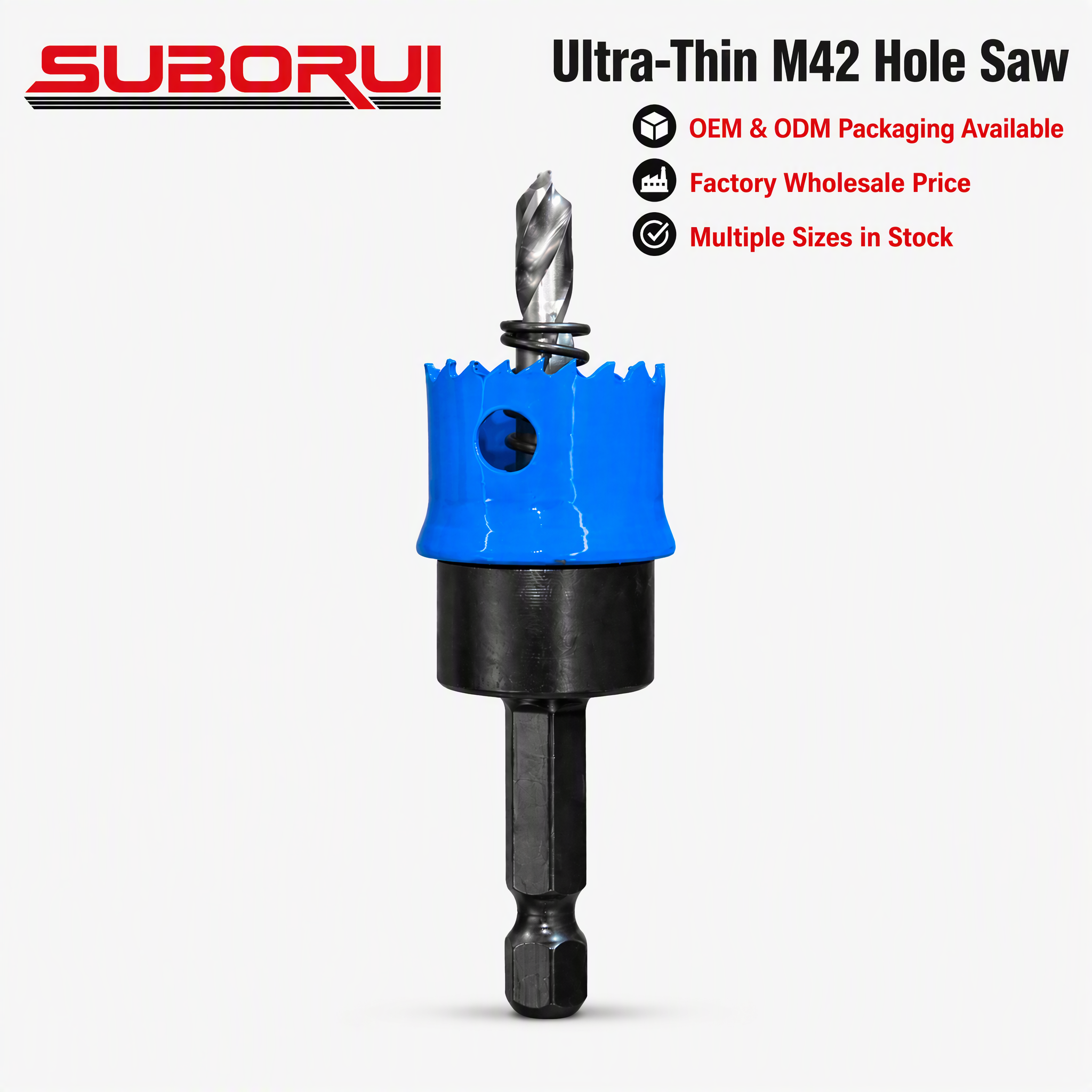
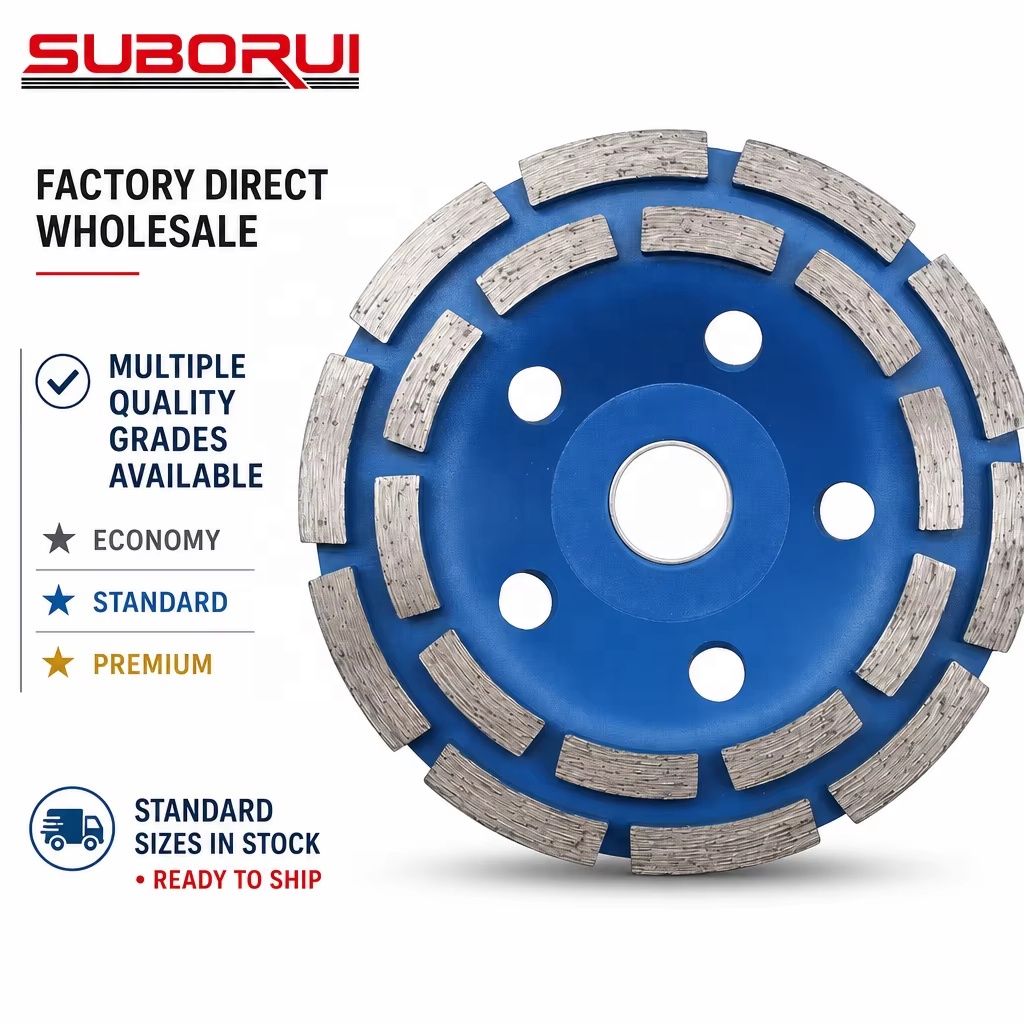
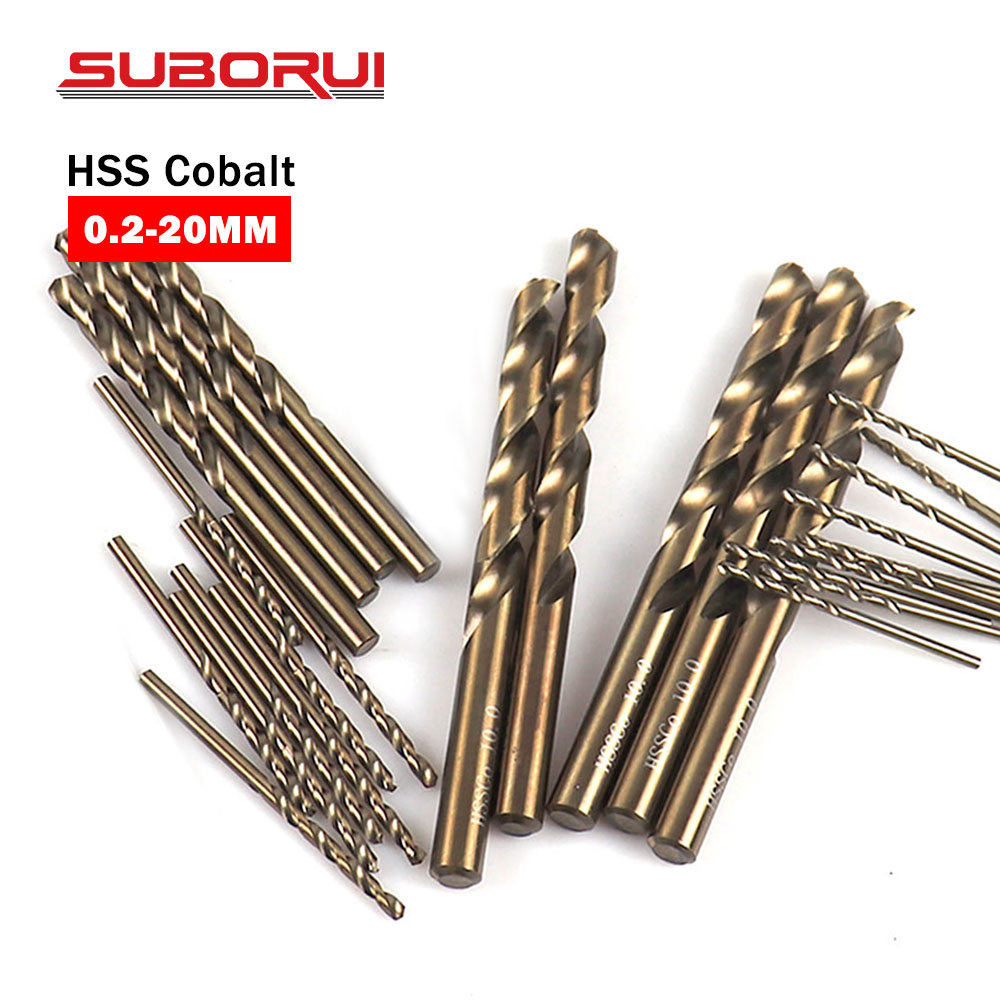
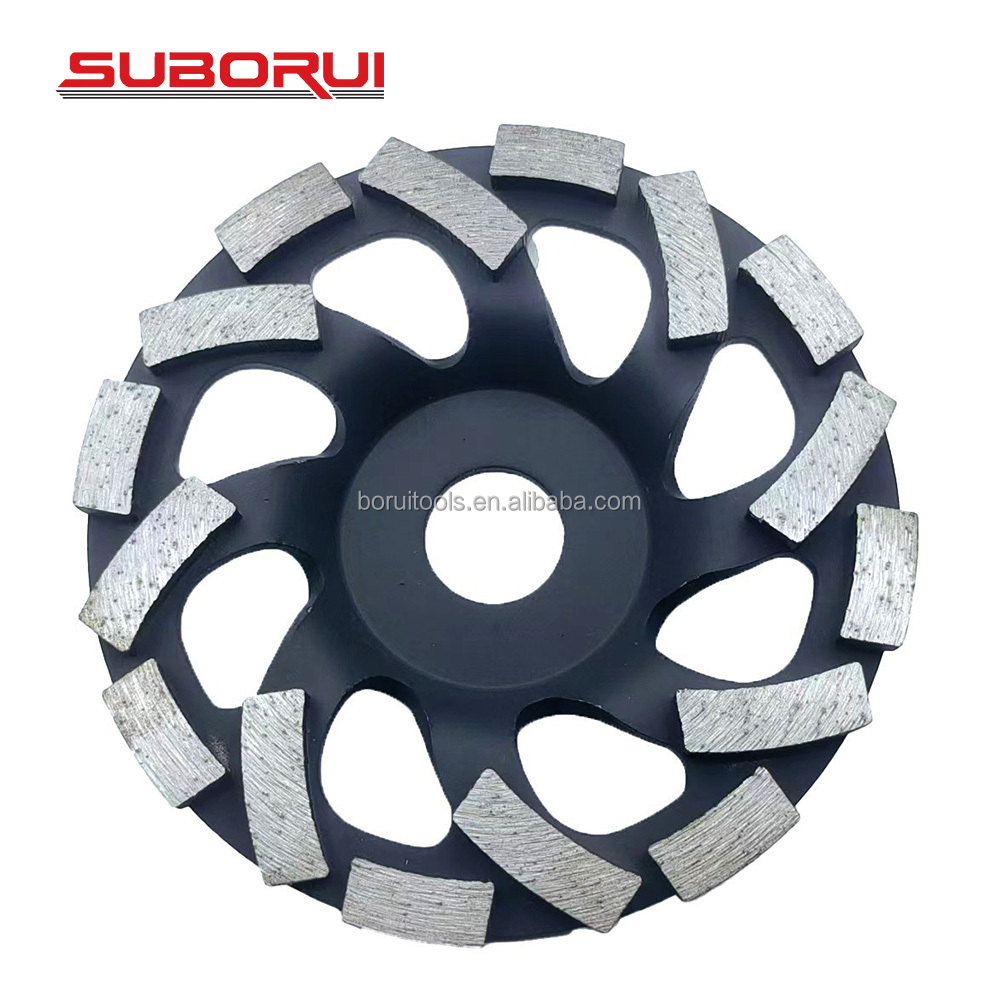
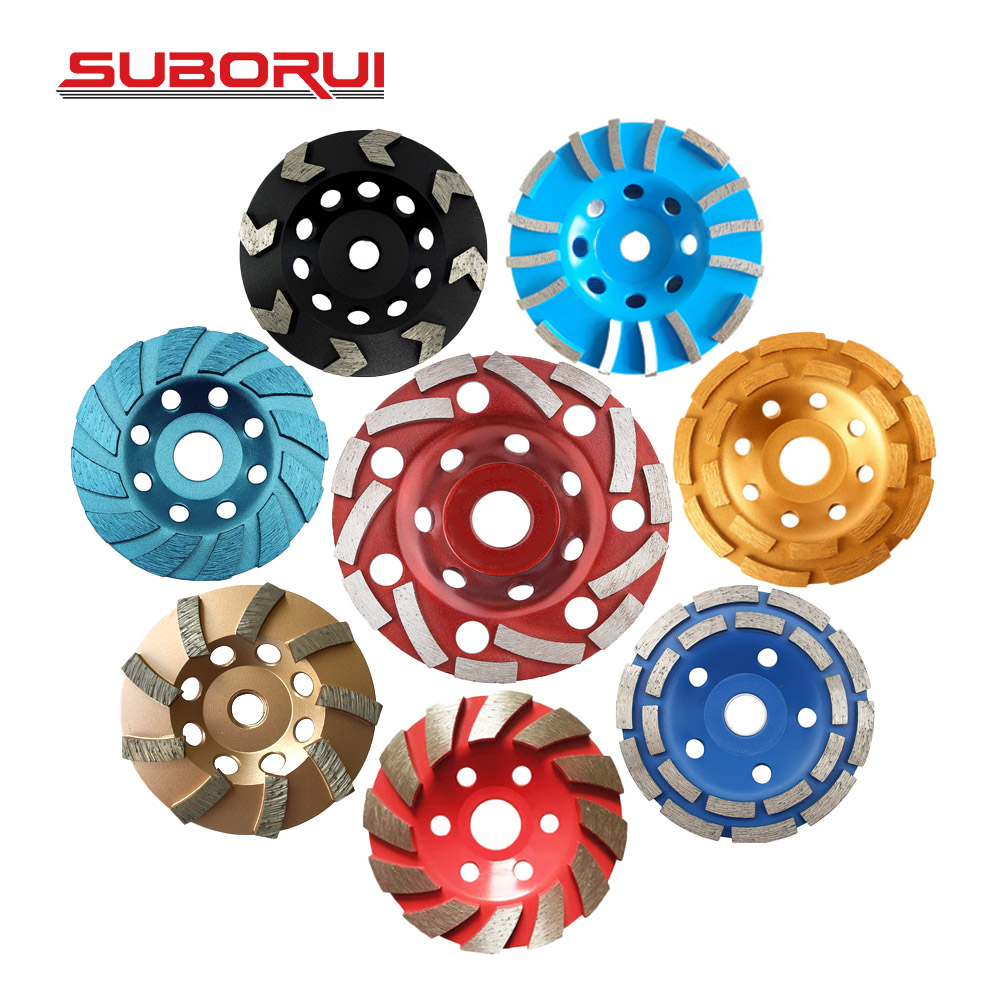
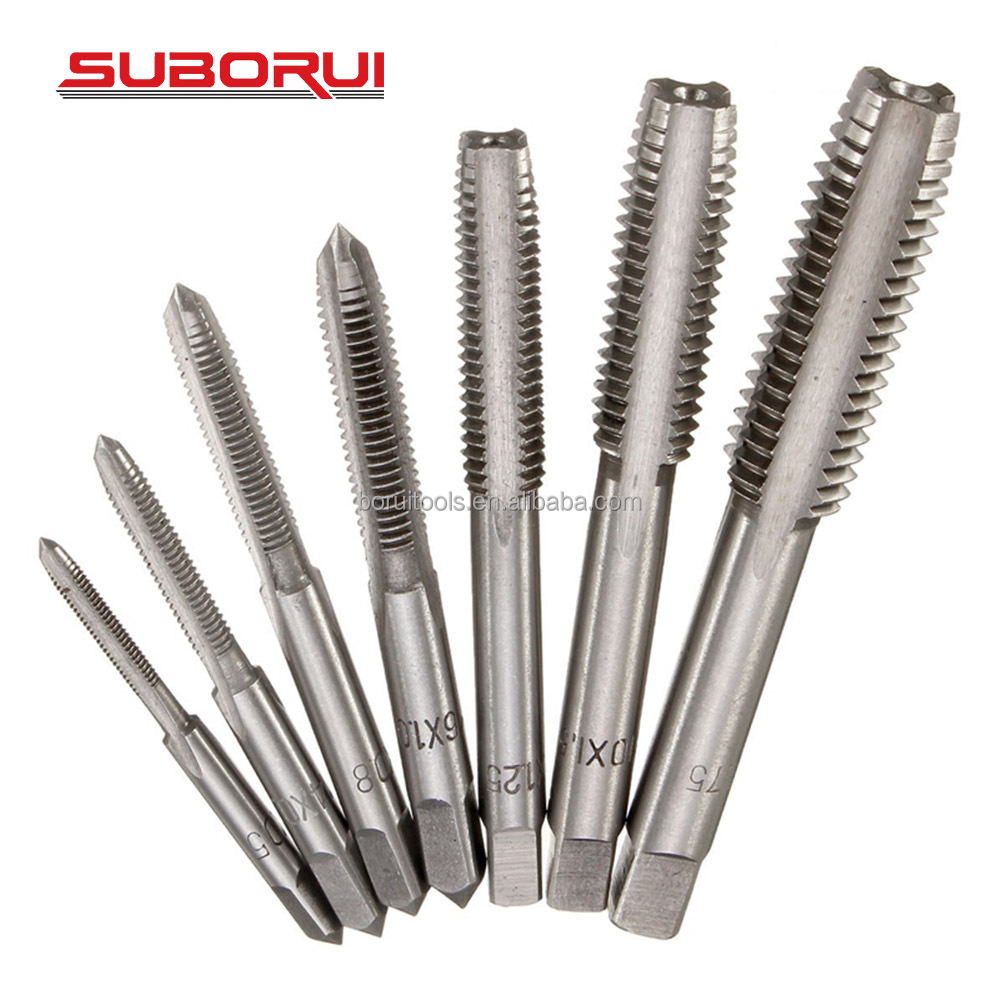
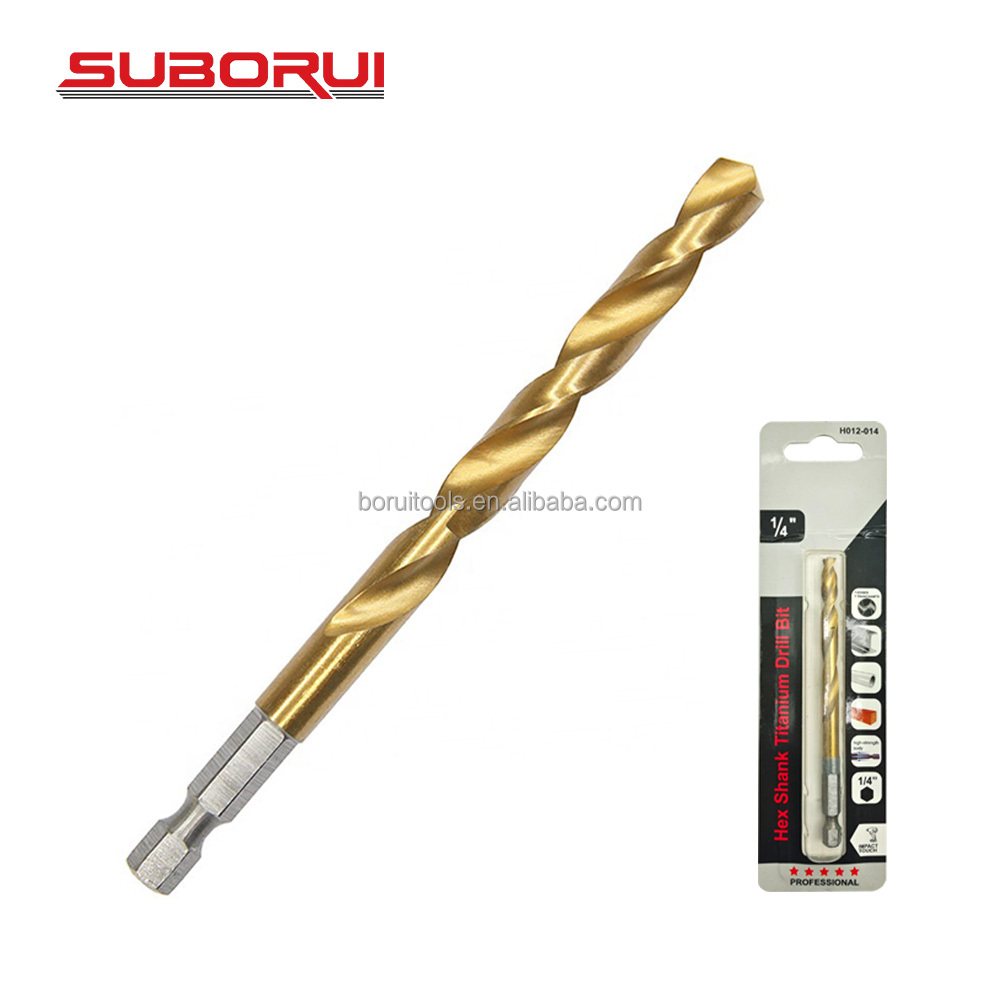
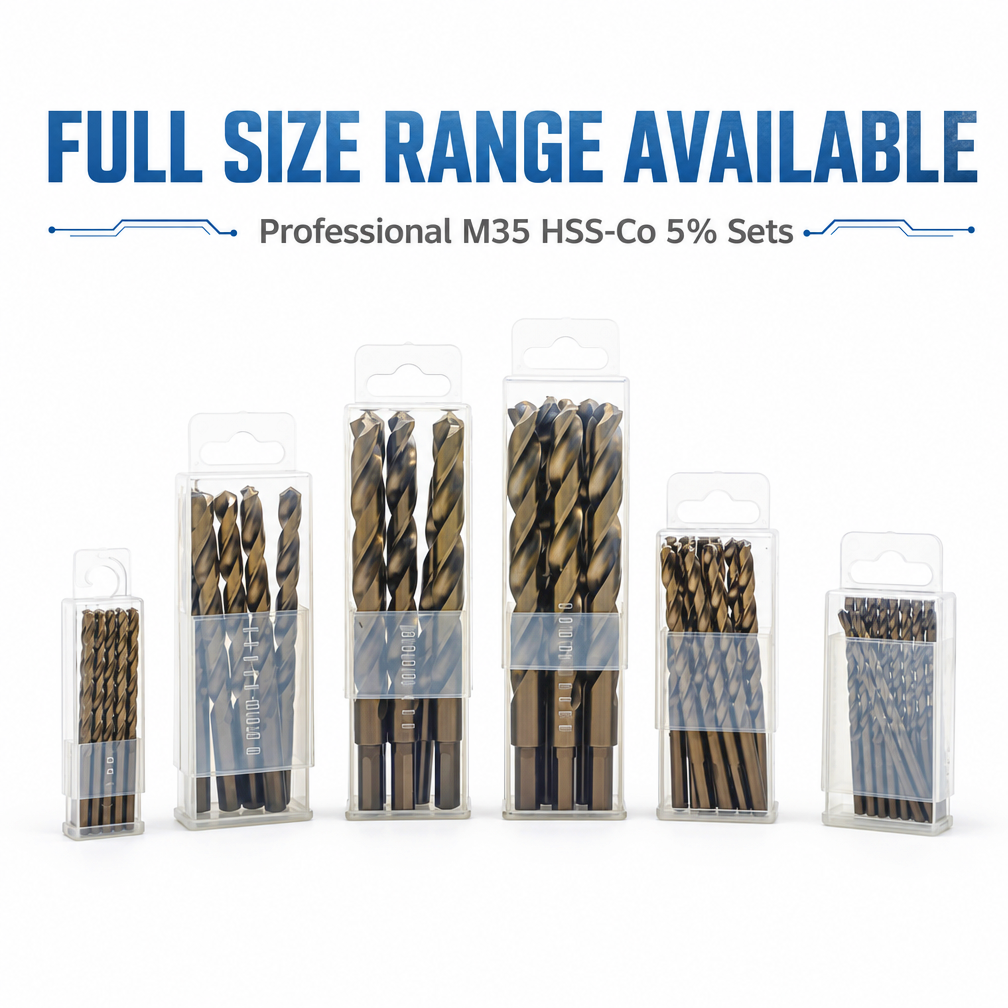
Diamond Core Bit Engineering & Matrix Science
A technical evaluation of diamond grit concentrations, metallurgical bonding formulations, and segment welding methodologies governing diamond core drill bits used in heavy infrastructure and high-tensile drilling.
Synthetic Diamond Grit Selection
The operational cutting velocity and mechanical lifespan of a diamond core bit depend directly on synthetic diamond crystal morphology. High-performance coring bits demand octahedral single-crystal synthetic diamonds exhibiting high compressive fracture strength (TI/TTI indices).
Grain sizes typically range from 30/40 mesh for abrasive aggregate reinforced concrete down to 50/60 mesh for high-density ceramic, granite, and vitrified tiles. Selecting proper grain friability ensures fresh micro-fracturing diamond facets emerge precisely as dull faces erode.
Bond Matrix Hardness Matching
The metallurgical matrix (composed of cobalt, tungsten, copper, nickel, and iron powder alloys) acts as the carrier holding the synthetic diamond crystals in place. Matching matrix erosion rate to workpiece abrasiveness is the core challenge in tooling procurement:
Hard Aggregates / Quartzite: Requires soft bronze-cobalt bonds so abrasive slurry frees dulled diamonds rapidly, preventing glazing.
Green Concrete / Asphalt: Demands ultra-tough tungsten carbide bonded matrices to resist premature body wash.
Welding Integrity: Laser vs. Brazing
Joint integrity between the sintered diamond segment and the high-tensile steel tube (28Mn6 or 30CrMo) defines operational operator safety and bit run-out precision.
Laser-Welded Segments: Deliver shear fracture strengths exceeding 1,200 MPa, enabling dry coring where thermal thresholds surpass silver solder softening temperatures.
High-Frequency Silver Brazing: Retains superior shock-absorbing characteristics during deep wet coring in reinforced steel bars.
| Coring Application | Recommended Bond Hardness | Diamond Grit (Mesh) | Concentration | Welding Technology | Recommended Coolant Mode |
|---|---|---|---|---|---|
| Cured Heavily Reinforced Concrete (with Rebar) | Medium-Soft (Cobalt-Bronze balance) | 35/40 - 40/50 | 85% - 100% | Laser Welded / Ag Brazed | Continuous Wet Flush |
| Precast Pre-stressed Concrete Panels | Medium (Cobalt-Iron alloy) | 40/50 | 75% - 90% | Laser Welded | Wet or Dry with Cyclonic Suction |
| Asphalt, Green Concrete, Refractory Brick | Ultra-Hard (Tungsten carbide fortified) | 30/40 | 60% - 75% | Laser Welded with Undercut Pins | Wet or Dry Flush |
| Natural Granite & Hard Basalt | Extra-Soft (High Bronze/Copper ratio) | 40/50 - 50/60 | 90% - 110% | High-Frequency Silver Solder | High-Pressure Wet Flush |
| Porcelain, Vitrified Tiles & Dense Marble | Electroplated / Vacuum Brazed | 50/60 - 60/70 | Surface Monolayer | Direct Vacuum Diffusion Bond | Dry (Wax Core) or Sponge Wet |
Future Sourcing & Procurement Trends
A strategic overview for category managers, industrial brand distributors, and global import houses navigating supply chains over the 2025–2030 cycle.
ARIX Geometric Diamond Array Alignment
Traditional sintered segments randomly suspend diamond grit within the powder mixture, leading to irregular segment wear and occasional diamond bunching. Forward-thinking procurement programs are transitioning orders to ARIX patterned array technology.
By positioning individual diamond grains in uniform 3D cubic lattices, cutting velocities jump by 30% while extending total bit life by up to 50%. This consistency provides repeatable cut times essential for heavy industrial contractors.
Dry Drilling Infrastructure & Silica Regulations
Global workplace safety agencies (such as OSHA in North America and EU-OSHA in Europe) have imposed strict limits on respirable crystalline silica dust. In response, job sites are shifting rapidly toward high-efficiency dry coring systems.
Buyers require core bits configured with spiral flute barrel extractors, internal turbo cooling channels, and heat-resistant laser welds compatible with M16/1-1/4" dust extractor adapters to ensure comprehensive jobsite compliance.
Supply Chain Cluster Consolidation
Tier-1 tool distributors are moving away from isolated commercial trading companies, choosing instead integrated factory groups anchored in specialized manufacturing clusters like Danyang, Jiangsu.
Consolidating drill bit, annular cutter, and diamond tooling purchasing under verified producers slashes lead times, eliminates double handling margins, and guarantees consistent metallurgical testing traceability across multi-category containers.
Technological Frontiers in Diamond Tool Fabrication
Examining automated production line upgrades, eco-conscious metallurgy, and digital optical metrology setting new production benchmarks across China's leading factories.
Fully Automated Laser Welding Cells
Manual and semi-automatic induction soldering are steadily giving way to high-precision 6-axis robotic fiber laser welding systems. CNC coordinate indexing delivers exact segment centering and concentricity tolerance within ±0.03 mm.
Every laser-welded joint undergoes automated inline hydraulic torque testing to detect weld defects before shipping, preventing in-situ segment detachment inside deep boreholes.
Eco-Friendly Cobalt-Reduced Sintering
Volatility in raw cobalt pricing, coupled with stringent REACH safety standards in the European Union, has driven significant R&D into nanostructured iron-copper pre-alloyed matrix powders.
Modern vacuum hot-pressing techniques allow high segment densification (reaching >99.4% theoretical density) while using 40% less cobalt. This delivers stable high-speed performance alongside resilient commercial price points.
Thin-Wall Energy Efficient Core Barrels
As battery-powered cordless magnetic drills and handheld core drill rigs surge in popularity, power consumption per millimeter drilled is now a critical parameter.
Developing ultra-thin segment kerfs (reducing standard 3.5 mm down to 2.0 mm) reduces resistance and slurry production by more than 35%. This innovation substantially boosts hole capacity per battery charge cycle without sacrificing core barrel stability.
Enterprise Advantages: Jiangsu WRD Tools Co., Ltd.
A specialized cutting-tool and diamond equipment manufacturer with an established 19-year manufacturing track record in Danyang, Jiangsu — China's largest precision tooling industrial cluster.
Integrated 12,000 m² Facility
Established in March 2007 with a registered capital of RMB 10 million, Jiangsu WRD Tools maintains end-to-end production control across a modern 12,000 square meter facility. Backed by 150+ trained staff, the plant operates dedicated workshops for HSS twist drills, annular broach cutters, hole saws, and diamond grinding wheels.
From steel bar stock slicing and controlled atmosphere vacuum heat treatment to automated CNC flute grinding and diamond segment sintering, every step is managed in-house.
Intertek On-Site Verified & High-Tech Certified
Our quality management infrastructure, precision testing laboratories, and environmental systems have been systematically inspected and verified on-site by Intertek Group.
Recognized as an official High-Tech Enterprise of Jiangsu Province in 2019, our testing lab uses optical coordinate measuring machines (CMM), Rockwell hardness testers, dynamic balancing stations, and automated core-drilling test rigs to ensure repeatable performance.
Global Tier-1 Tooling OEM Pedigree
Our engineered cutting bits and core systems are exported to premier tool importers, contract wholesalers, and brand retailers across more than 20 countries, including Germany, the United States, Switzerland, and Sweden.
Over nearly two decades, our factory has supported top global brands — such as BOSCH, Milwaukee, DeWalt, Irwin, Makita, Dexter, KWB, Wolfcraft, Truper, and Heller — with flexible private-label customization, tailored coatings, and laser-engraved branding.
Frequently Asked Sourcing Questions
Technical guidance covering order thresholds, non-standard threading, OEM packaging configurations, and barrel customization for diamond core bits and industrial cutters.
What are the key technical criteria to evaluate when selecting a diamond core bit supplier in China?
Procurement teams should evaluate five technical parameters: (1) Segment Attachment Method: Verify whether segments are high-frequency brazed or laser-welded via automated inspection cells; (2) Barrel Quality: Ensure core tubes use high-tensile cold-drawn alloy steel (e.g., 30CrMo) rather than generic carbon steel to avoid ovalization under thermal loads; (3) Grit and Matrix Consistency: Request exact bond alloy formulations tailored to aggregate hardness in your destination market; (4) Independent Audits: Require valid third-party on-site factory verification certificates (such as Intertek); and (5) Batch Run-out Tolerances: Confirm bit concentricity stays within 0.05 mm to prevent premature drill motor gear wear.
What thread and arbor configurations are available for international core drill machines?
We support all standard international drive spindles: 1-1/4"-7 UNC (the North American and European standard for heavy-duty rig motors), G 1/2" BSP male (for compact European plumbing rigs), M14 and 5/8"-11 (for high-speed handheld angle grinders), alongside quick-disconnect shank designs including SDS Plus, SDS Max, 1/4" Hex, and 3/4" Weldon arbors for magnetic coring machines. Custom CNC adapters and extension rods can be machined to custom OEM engineering drawings.
How does your factory ensure the safety and shear strength of laser-welded diamond segments?
Safety is critical for high-speed dry coring bits. Our facility operates multi-axis automated fiber laser welding stations that generate an ultra-deep penetration weld pool between the segment's non-diamond transition layer and the steel tube. Batch samples undergo destructive hydraulic shear testing in accordance with EN 13236 safety standards, ensuring breaking strengths comfortably exceed regulatory thresholds before lots enter final packaging.
What are the minimum order quantities (MOQ) and production lead times for custom OEM orders?
For standard stocked drill bits and core bits, MOQs start from 10 to 50 pieces per diameter. For private-label production — including custom barrel color powder coatings, fiber-laser shank marking, and bespoke packaging (such as clear hanging tubes, heavy blow-mold cases, or branded color boxes) — typical minimum production runs start at 100 to 500 units per size, or 1,200 sets for complete hole cutter kits. Production lead times run 25 to 35 calendar days following drawing and sample approval.
Can the diamond segment formulation be customized for regional geology and aggregate types?
Yes. That flexibility is a primary advantage of sourcing directly from our factory engineering group. Hard aggregate varieties (such as river gravel in Northern Europe or granite in Scandinavia) require very soft bronze-cobalt bonds. By contrast, porous limestone or abrasive sandstone demands hard, wear-resistant matrices to protect against segment undercut. Buyers can supply regional concrete aggregate specifications or sample cores so our metallurgical lab can blend optimal powders.
Request Tailored Pricing & Engineering Catalogs
Consult with our engineering and export team for detailed technical drawings, segment formulation matching, volume container rate sheets, and third-party audit reports.