Featured Rotary Tool Catalog
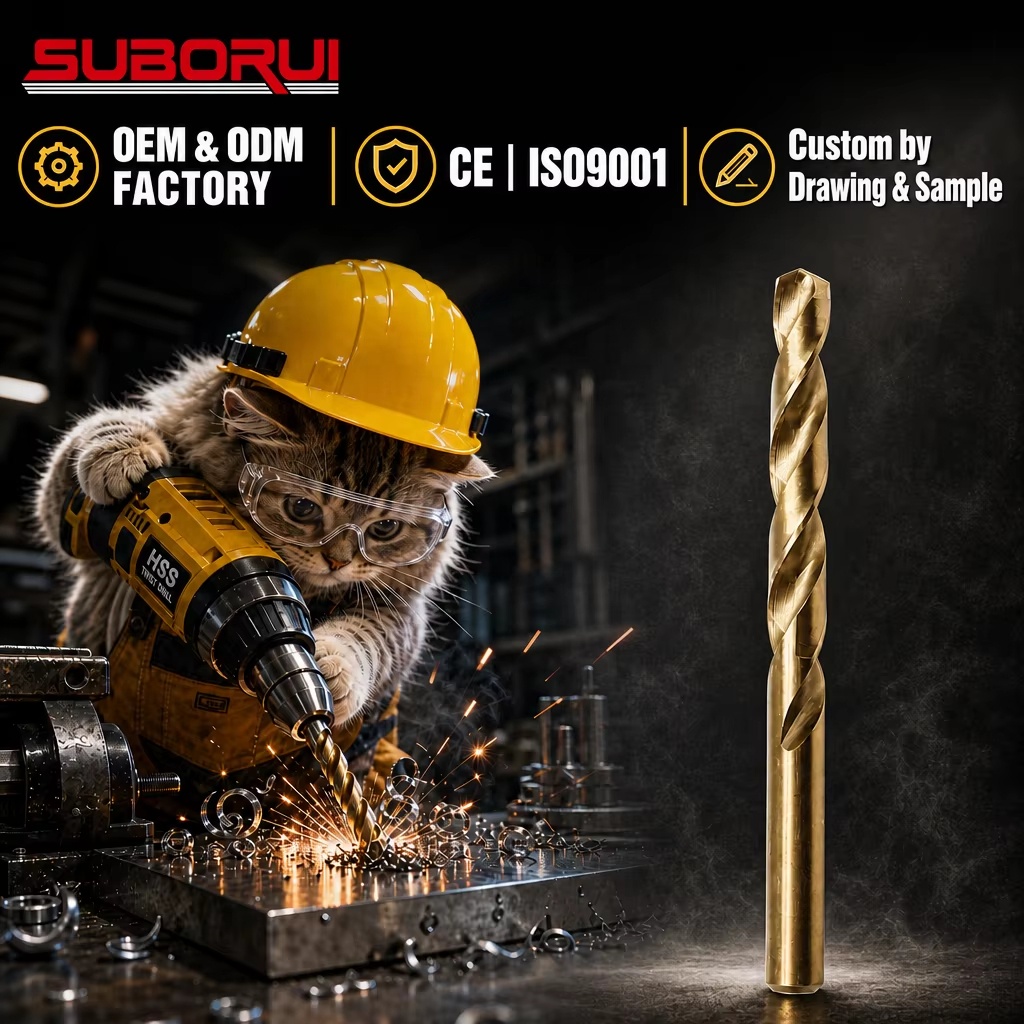
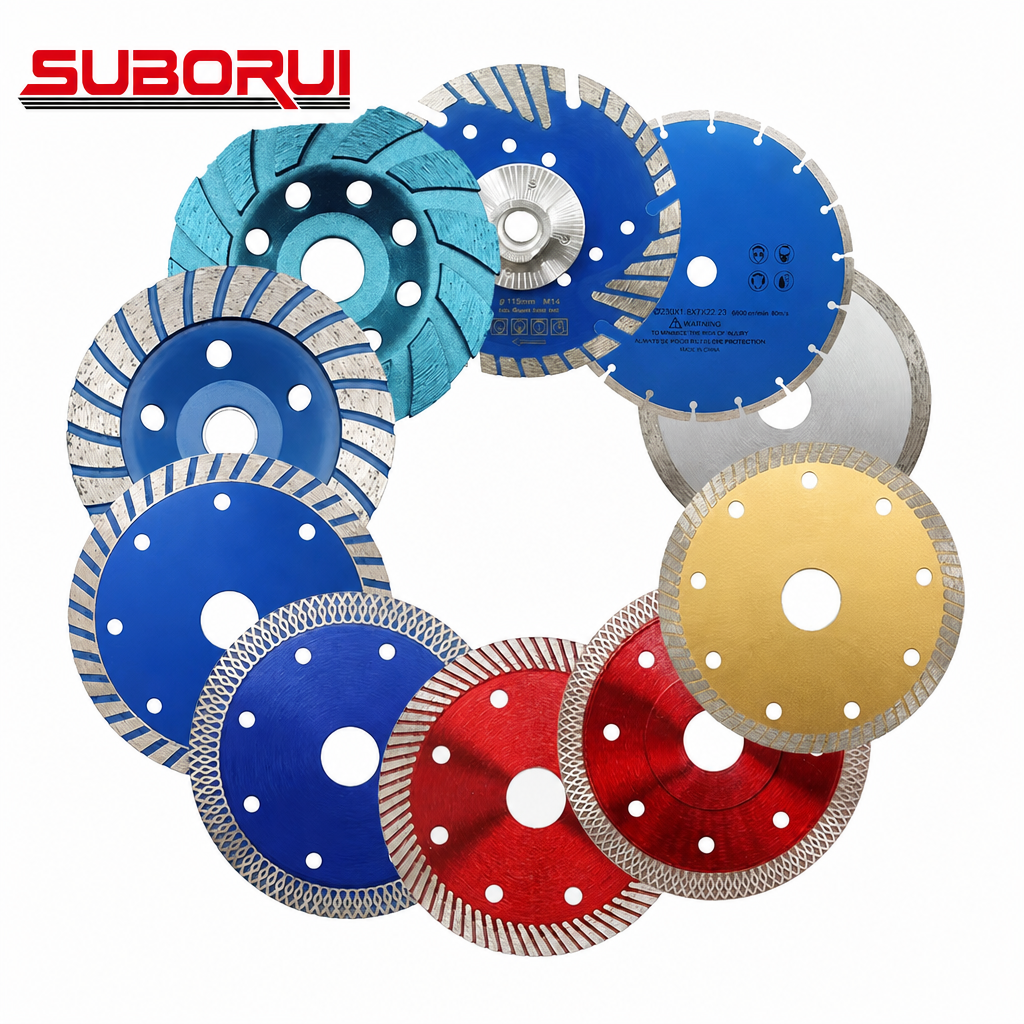
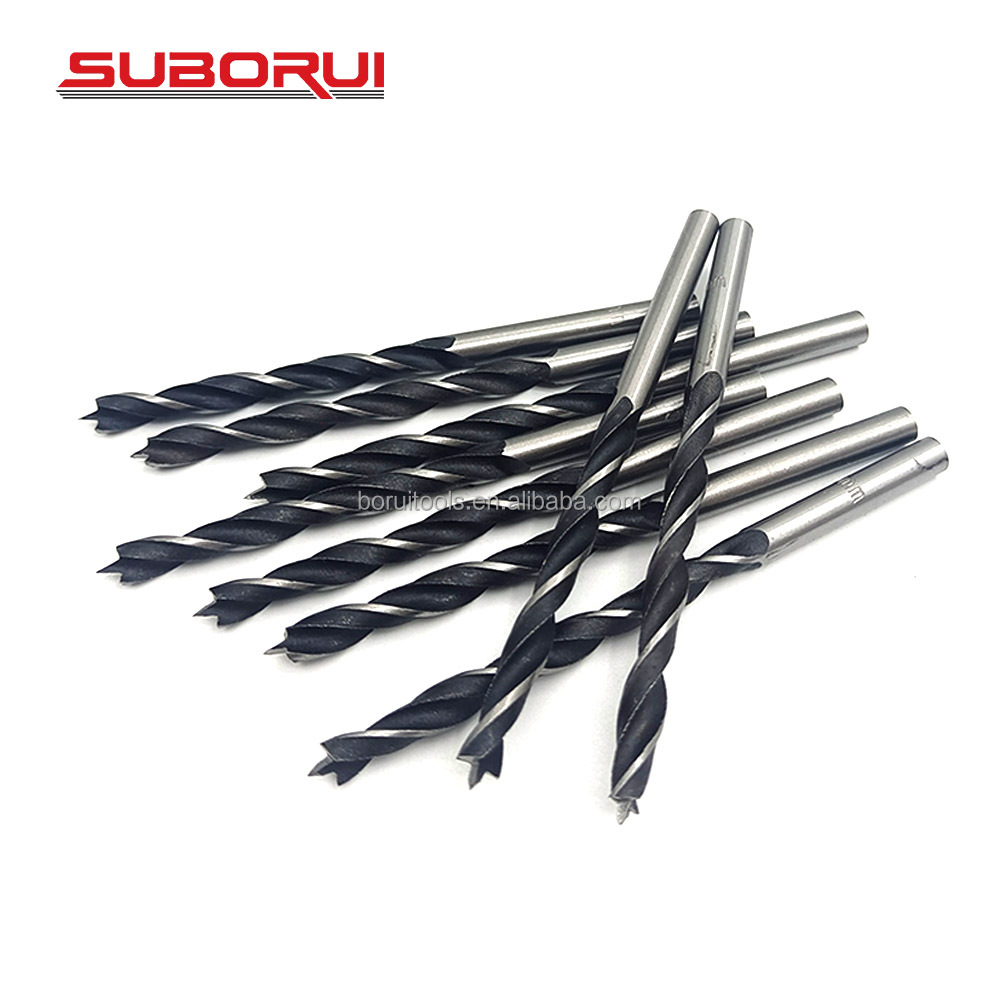
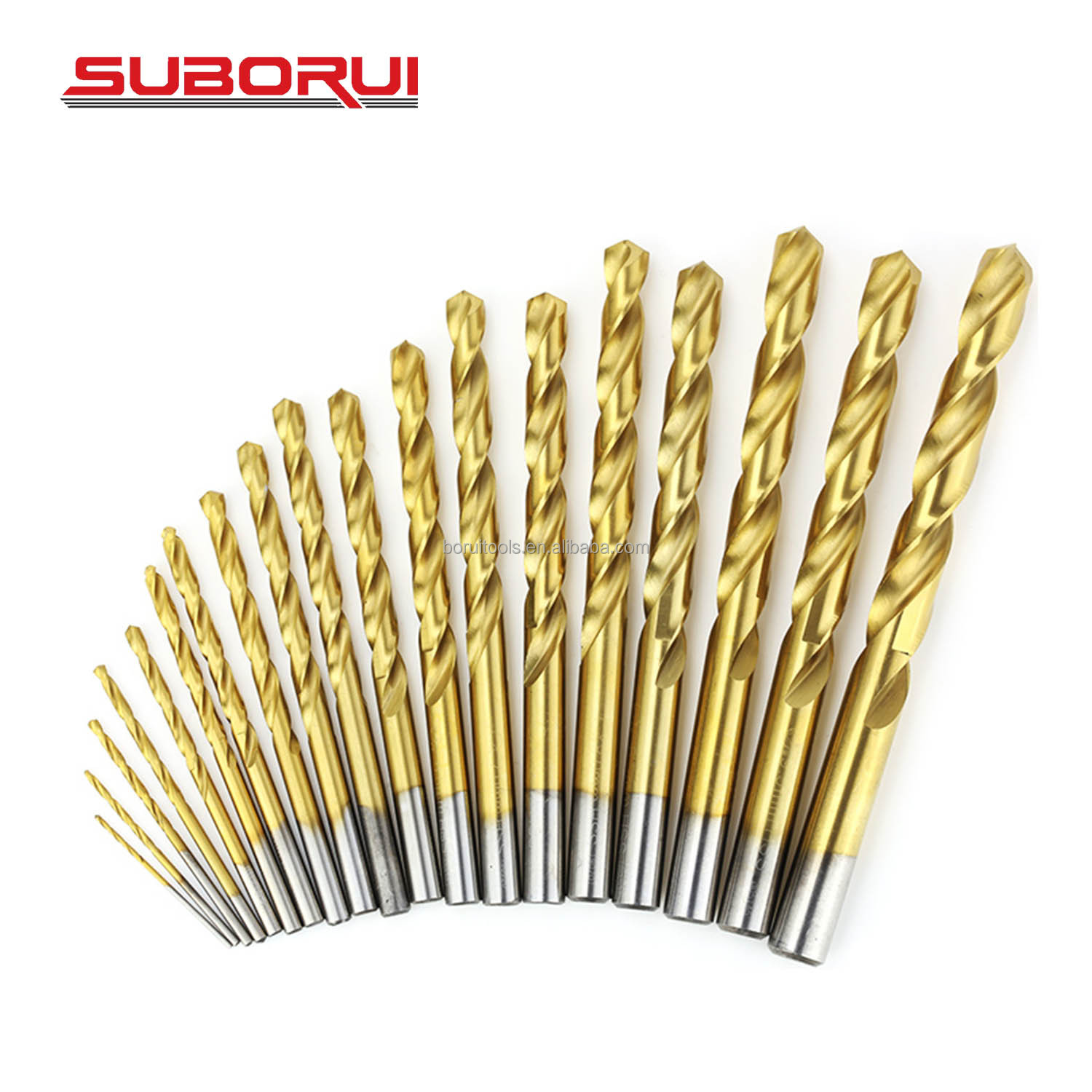
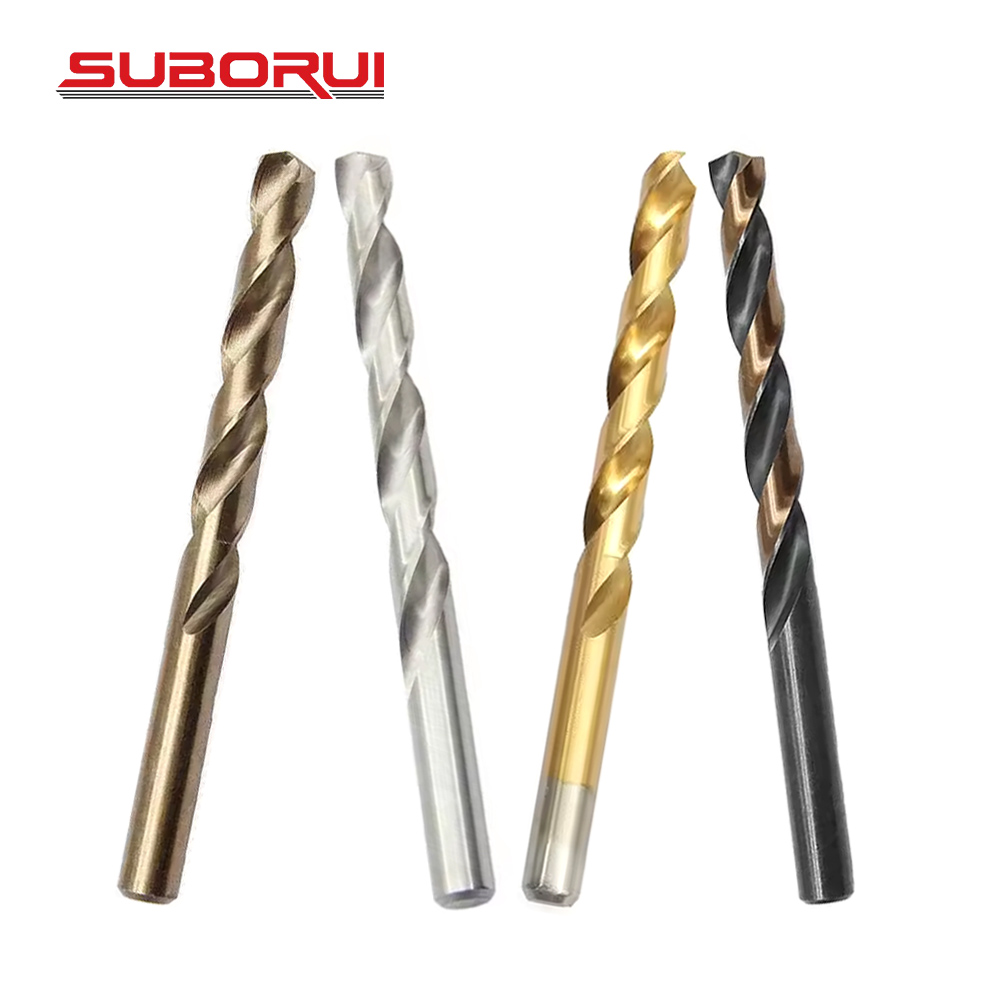
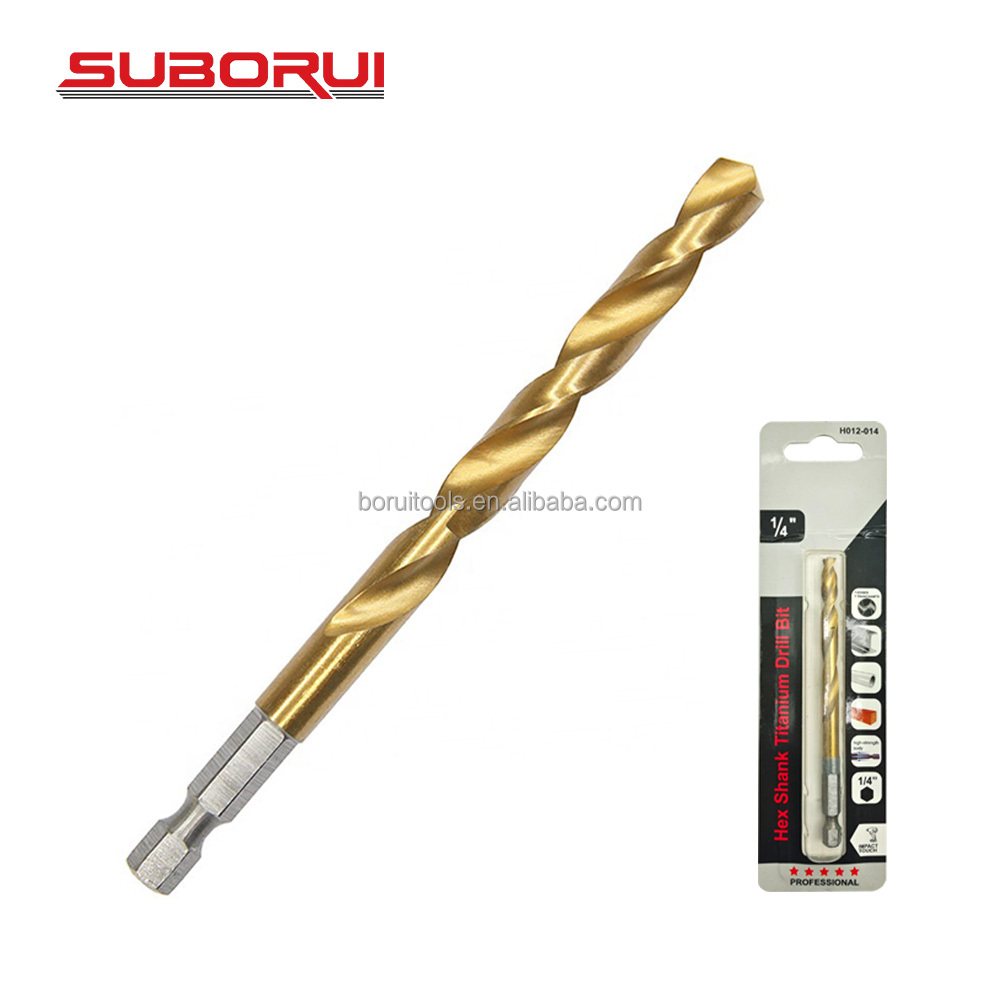
Designed for prolonged tool life in hard stainless steels, non-ferrous alloys, structural timber, and architectural masonry. Produced in compliance with DIN338, DIN345, and ISO international manufacturing standards.
2007
Established Year
12,000 m²
Modern Facility
150+
Skilled Technicians
90M+
Annual Tool Output
20+
Export Nations
4.7 / 5.0
Verified Audit Score
<< Manufacturing Integrity >>
Integrated Direct Factory: Precision Engineering
Jiangsu WRD Tools Co., Ltd. (operating globally under brand SUBORUI) is situated in Danyang, Jiangsu Province—the epicenter of China's high-speed steel and tungsten cutting tool manufacturing. Founded in March 2007 with a registered capital of RMB 10 million, our operation has scaled into an Intertek-audited high-tech manufacturing center.
Unlike third-party sourcing agents, we operate fully dedicated production facilities for tungsten carbide burrs, CNC flute grinding, automatic multi-axis split-point shaping, and in-house vacuum salt-bath hardening. Holding recognition as a High-Tech Enterprise of Jiangsu Province, we manufacture in strict alignment with DIN, ANSI, and ISO metallurgical benchmarks.
Trusted OEM/ODM Production Partner for Globally Renowned Tool Brands, including: BOSCH, Milwaukee, DeWalt, Irwin, Makita, Dexter, KWB, Wolfcraft, Truper, and Heller.
Onsite Verified by Intertek Group
Complete traceability across metallurgical supply lines, automated CNC fluting lines, and digital coordinate-measuring inspection rigs.
Sub-Micron Tungsten Carbide Substrates
Utilizing high-purity micrograin tungsten carbide (WC-Co) offering Rockwell hardness exceeding 90-92 HRA for non-chattering rotational stability.
Comprehensive Private-Label Customization
Turnkey OEM branding: fiber-laser shank marking, proprietary PVD TiN/AlTiN/Diamond coatings, blister packs, CNC-milled wooden boxes, and molded blow cases.
<< Technical Whitepaper >>
Engineering Guide: Tungsten Carbide Burrs & Rotary Cutters
A deep-dive technical reference on substrate microstructures, tooth fluting geometries, silver-copper brazing integrity, and performance metrics across demanding alloys.
Substrate Metallurgy (WC vs. HSS)
Tungsten carbide burrs are synthesized through high-temperature vacuum sintering of sub-micron tungsten carbide powder blended with a cobalt (Co) binder matrix (typically 6% to 10%). While standard High-Speed Steel (M2) softens at 550°C, micro-grain tungsten carbide maintains critical cutting edge integrity beyond 900°C.
| Metric | Tungsten Carbide (K20-K30) |
|---|---|
| Hardness | 90 – 92.5 HRA (>1600 HV) |
| Transverse Rupture | 2800 – 3400 N/mm² |
| Max Working Temp | Up to 950°C (with AlTiN) |
| Optimal RPM | 15,000 – 45,000 min⁻¹ |
Tooth Geometry & Cut Profiles
Choosing the correct fluting geometry determines chip clearing rates, operator fatigue, surface micro-roughness (Ra), and operational safety:
| Standard Cut | Rapid stock removal in cast iron, brass, copper. |
|---|---|
| Double Cut | Cross-cut fluting produces granular chips, prevents loading, and reduces chatter in stainless steels. |
| Aluma Cut | Deep wide-spiral flutes preventing weld-deposition in molten aluminum and plastics. |
| Diamond Cut | Fine pyramidal teeth for epoxy composites, Kevlar, and high-hardness tooling alloys. |
Brazing & Concentricity Tolerances
Industrial rotary burrs integrate a sintered carbide head fused to a hardened, tempered structural alloy steel shank (typically 40Cr or 42CrMo4). Structural failure typically stems from poor brazing cohesion.
At WRD Tools, an automated high-frequency induction silver-copper eutectic solder process delivers shear strengths >450 MPa. All finished burrs undergo automated digital optical centering, ensuring total indicator runout (TIR) within ≤0.03 mm to prevent catastrophic shank fractures.
Future Trends in Tungsten Burr & Tool Procurement
How automation, advanced PVD nanocoatings, and international regulatory shifts are redefining supply chain criteria for industrial rotary tooling over the next decade.
Nanocomposite PVD Coatings
Transitioning from unshielded bright finishes to Titanium Aluminum Nitride (AlTiN) and multi-layered DLC coatings. These nanocoatings form aluminum oxide barriers during high-speed contact, yielding 300% extended tool longevity in heat-resistant superalloys (Inconel, Hastelloy).
Integration with Robotic Deburring Cells
The acceleration of robotic articulated arms and 5-axis deburring stations mandates rotary burrs with micro-precision concentricity (≤0.015 mm TIR). Automated tool spindles require completely predictable wear envelopes and consistent flute depths to avoid automated line stops.
Strict CE & EN 12413 Compliance
Global distributors are phasing out non-certified rotary burrs due to the strict liability associated with workplace high-velocity fragmentation. CE certification and EN adherence for burst-test thresholds have transitioned from optional marketing to strict customs and legal essentials.
Supply Chain Auditing & ESG Scrutiny
Tier-1 automotive, naval, and aerospace contractors increasingly demand third-party onsite verifications (such as Intertek or SGS audits) validating conflict-free tungsten sourcing, clean sintering emissions, and complete traceability back to raw concentrates.
Frequently Asked Sourcing Questions
Direct technical answers addressing commercial constraints, minimum run volumes, metallurgical grading, and safety parameters for institutional procurement officers.
Why is CE certification critical for industrial Tungsten Carbide Burrs?
Rotary burrs operate under high-velocity rotations typically ranging between 15,000 and 45,000 RPM. A flaw in metallurgical composition or an inferior silver braze between the solid carbide head and steel shank can cause catastrophic fragmentation, creating severe ballistic hazards. CE compliance verifies that our rotary tools adhere to the safety, design, dynamic balance, and mechanical shear stress requirements enforced under European Machinery and Tooling Directives.
What is the standard Minimum Order Quantity (MOQ) for custom OEM rotary burrs?
For standard profile configurations (Cylinder SA, Ball-Nosed SC, Tree SF, Flame SH) with regular metric (3mm, 6mm) or fractional (1/8", 1/4") shanks, trial runs begin as low as 100 to 500 pieces per diameter. For fully bespoke geometries, proprietary flute profiles, or private-label boxed sets with custom molded interiors and full color-printed packaging, the typical baseline order is 1,200 sets.
How do you verify the braze joint integrity between the carbide head and shank?
Our Danyang factory uses fully automated high-frequency induction brazing cells employing a high-grade silver-copper-nickel sandwich alloy. Each manufacturing batch undergoes destructive torque shear-testing and non-destructive optical TIR runout testing. Our shear strength thresholds exceed 450 MPa, guaranteeing zero head separation even under severe torsional chatter during industrial casting deburring.
What coating options are offered for difficult-to-machine alloys?
Beyond uncoated bright micrograin finishes, we apply state-of-the-art PVD (Physical Vapor Deposition) treatments:
Titanium Nitride (TiN): Gold finish, reduces friction and chip welding in general steels.
Titanium Aluminum Nitride (AlTiN): Dark purple/black nano-layer that oxidizes into lubricious alumina at extreme temperatures, engineered specifically for hardened tool steels, welds, and stainless 316.
Diamond-Like Carbon (DLC): Extremely low friction coefficient for non-ferrous, highly adhesive aluminum alloys.
Can you manufacture rotary burrs and twist drills according to proprietary client CAD drawings?
Yes. Our facility is equipped with German and Swiss CNC 5-axis precision tool grinding centers capable of producing custom diameters, non-standard extended shank lengths (e.g., 150mm–300mm for deep mold-cavity deburring), special subland geometries, and customized relief angles. Sample turnaround against technical drawings is typically delivered within 10 to 14 business days.
Partner with an Intertek-Audited Tool Manufacturer
Consult with our engineering and export team. Send your target specifications, annual consumption quantities, or technical prints for an official OEM/ODM quote within one business day.